
Plan videos ultra fast, post on time
Run content production in-house,
from request to sign-off.
Agencies were never selling only the making. They were selling a process nobody wrote down, and its absence is what makes the first year in-house feel harder than it should.


Creatives working for these brands already got early access
- Red Bull
- Canon
- Artlist
- Porsche
See how easy it is to get started
Watch a real project come together, from a blank board to a finished plan, clicked through step by step.
Start from a ready-made template
Pick a board to see what you can build, then let AI fill it in. Every template is a real, editable starting point on the same infinite canvas.

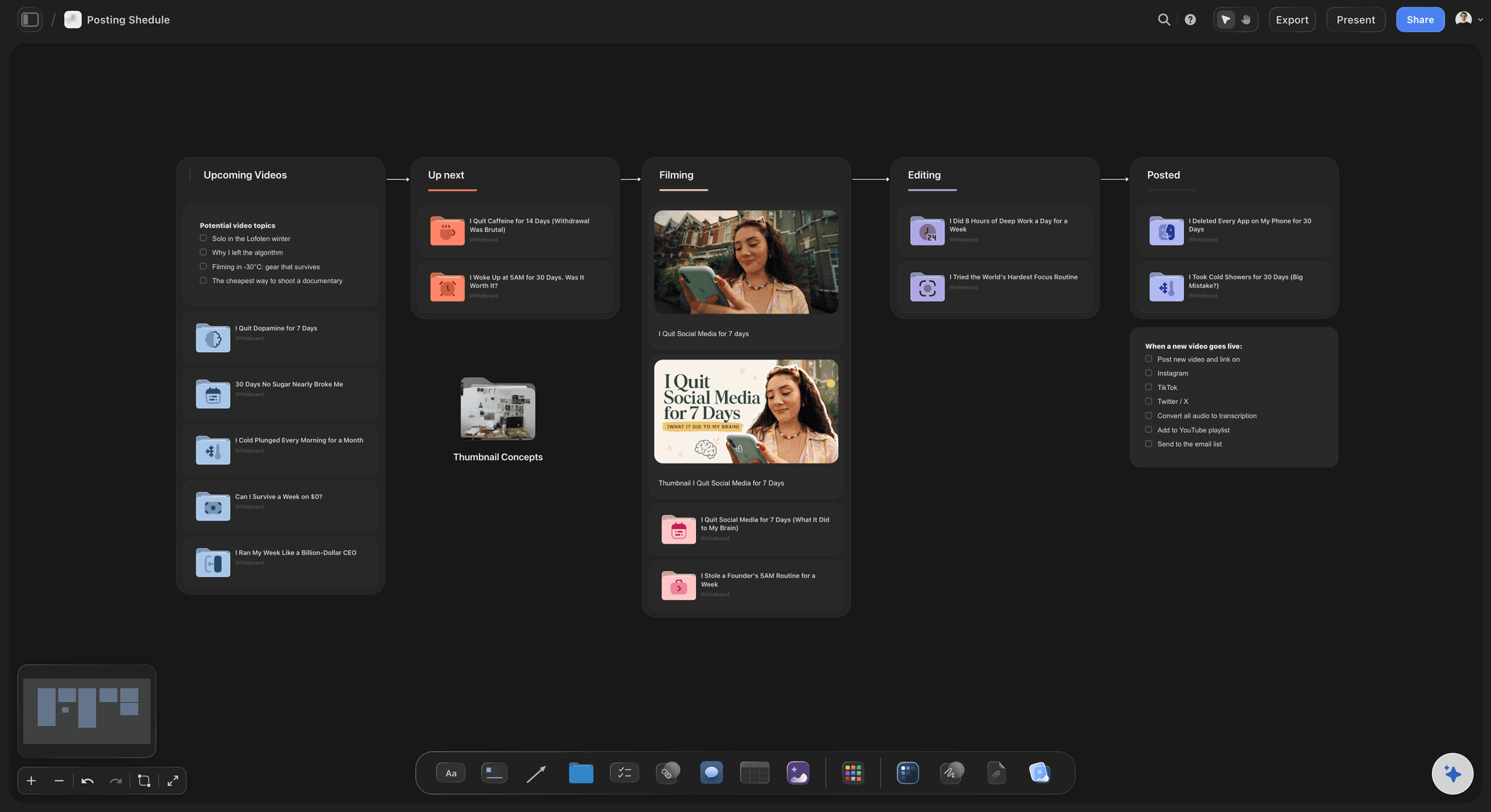
YouTube Plan
Plan a video from hook to outline to shot list, with references and thumbnail ideas sitting right beside it.
How do you run content production without an agency?
In-house content production means your own team takes each request from brief to finished piece, and has to rebuild the process an agency ran without itemising it: intake, direction, review and delivery. Storyflow is an AI visual workspace that runs in-house content production on one infinite canvas: each request becomes a brief, the direction sits beside the editorial calendar, and every piece shows its status and approver. Its AI drafts a structured brief from a pasted request with the missing questions marked, and lists the pieces that have no approver.
The first year in-house therefore tends to fail in four specific places, none of which is about craft. Requests arrive as messages rather than briefs, so work starts from a sentence and gets rebuilt after the first review. The look drifts, because the direction lived in the agency's head and nobody wrote it down. Approval has no owner, so three stakeholders comment and the team reconciles contradictions. And the team gets pulled into whatever is loudest, which produces a busy quarter with nothing to show that anyone planned.
The fix is not to reproduce agency bureaucracy at a tenth of the scale. It is to make four things visible: what has been asked for, what the direction is, where each piece is, and who signs it off. Those four are what an agency's process was actually delivering, and they are a picture rather than a document. Written as a process document they get read once; drawn as a board people work from, they hold.
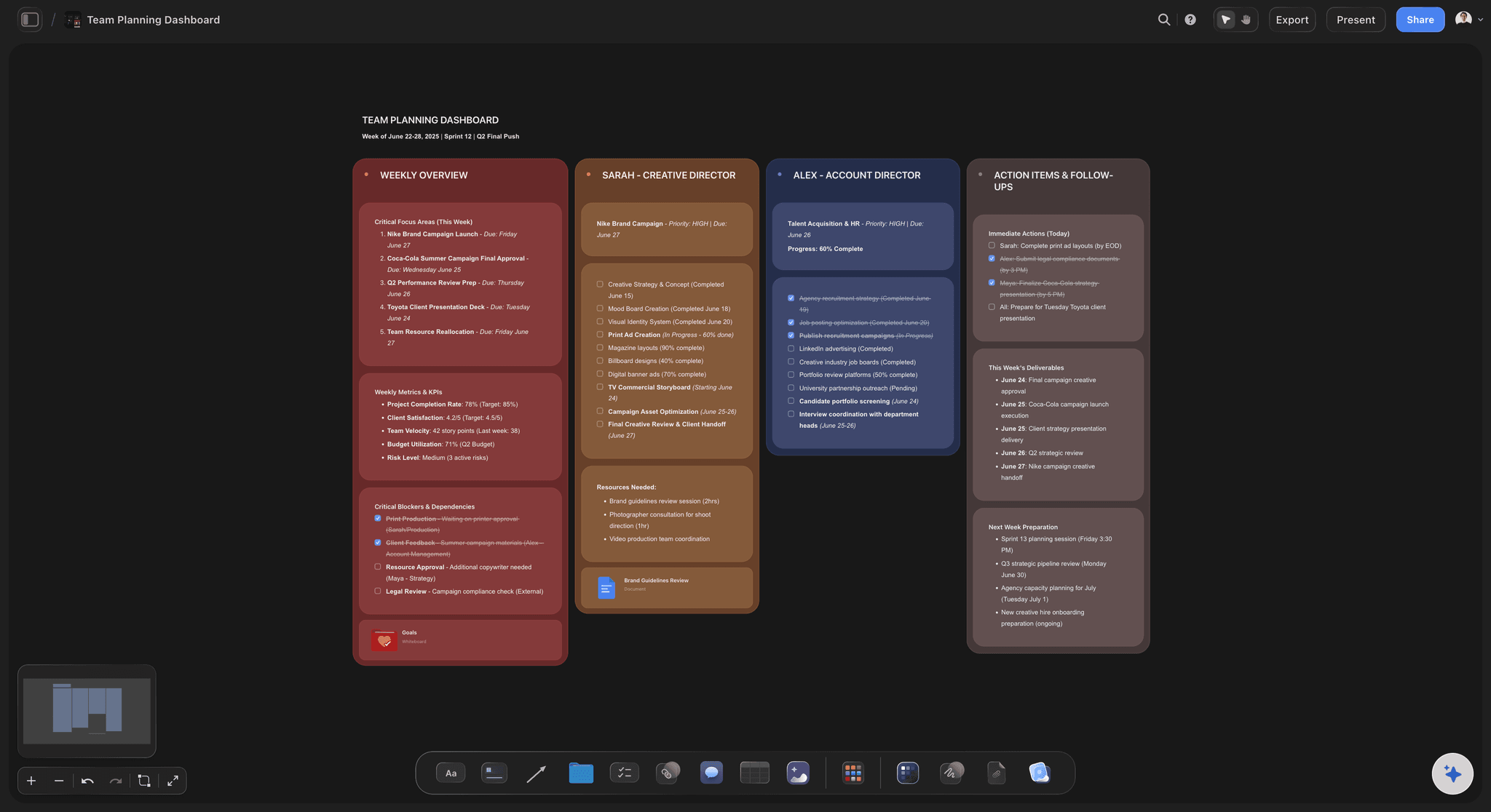
Storyflow is an AI-native infinite canvas. An intake area is where requests become briefs, a direction area holds the reference and the rules every piece answers to, a production area shows where each piece is and what it is blocked on, and each piece names the one person who signs it off. Describe what your team makes and the AI lays out the conventional process, including the steps in-house teams skip. Stakeholders read the board from a view-only link with no account and sign in to comment, which keeps approval from becoming a meeting.
Ultra fast from brief to board
Intake, direction, production, approval.
The four things an agency was quietly providing, made visible.
01
Open a canvas
Sign up in seconds. No download and no workspace to configure. One board holds the whole operation.
02
Give requests a front door
Every request becomes a short brief with an audience, a goal, and a deadline before anything is made. Work that starts from a message gets rebuilt after the first review.
03
Write the direction down once
Reference and rules every piece answers to, in one place. This is what the agency knew and never handed over, and it is why the look drifts in month three.
04
Name who approves
One person, on the board, with a deadline. Three stakeholders commenting separately is the most expensive thing that can happen to an in-house team.
Requests, direction, production, and sign-off.
What makes a small internal team produce like a studio.
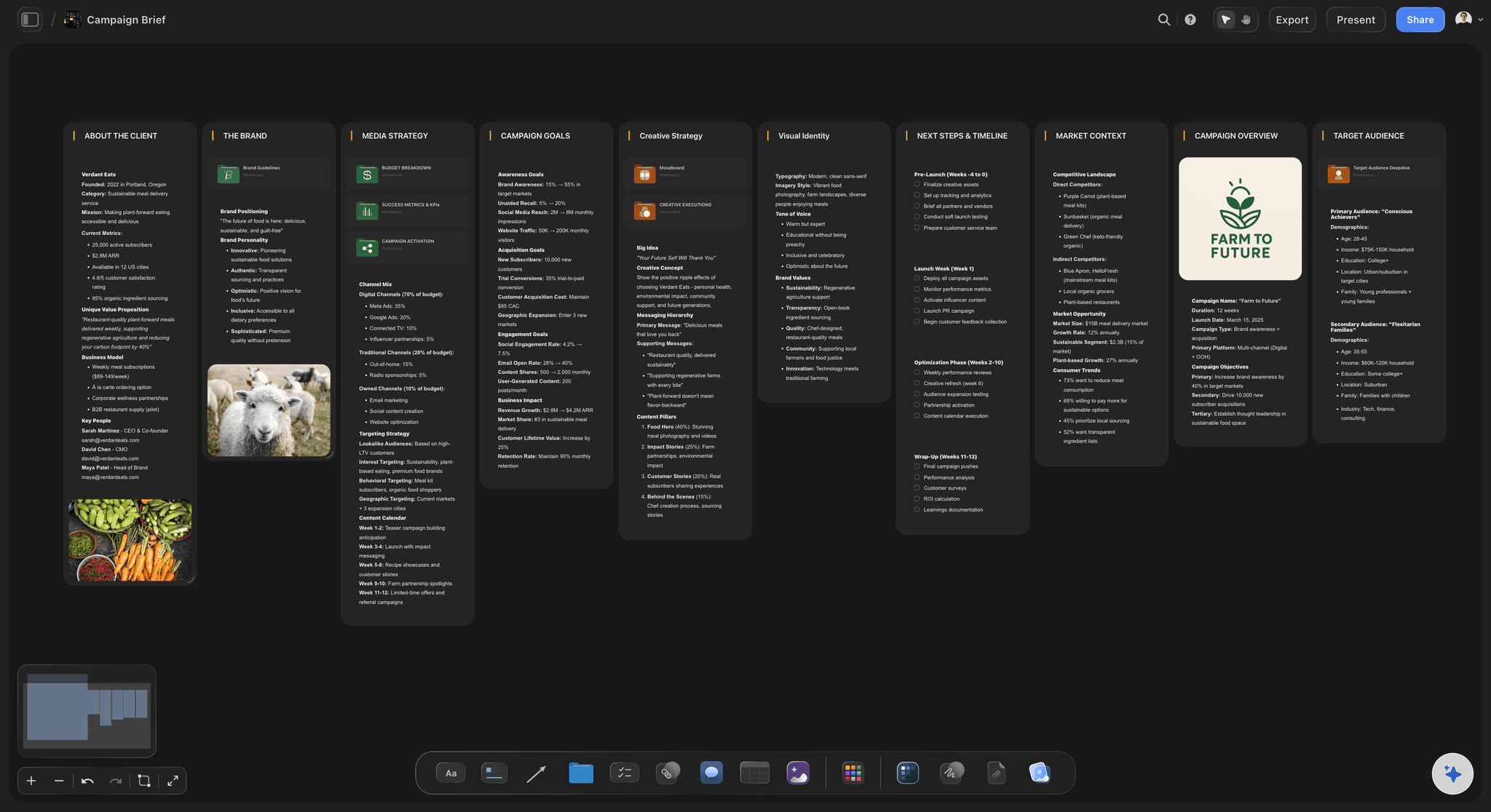
A front door for requests
Turn a message into a brief
Audience, goal, deliverable, deadline, and what the requester owes you. Ten questions answered up front prevent the rebuild that follows a first review of work made from a sentence.
See the creative brief generator →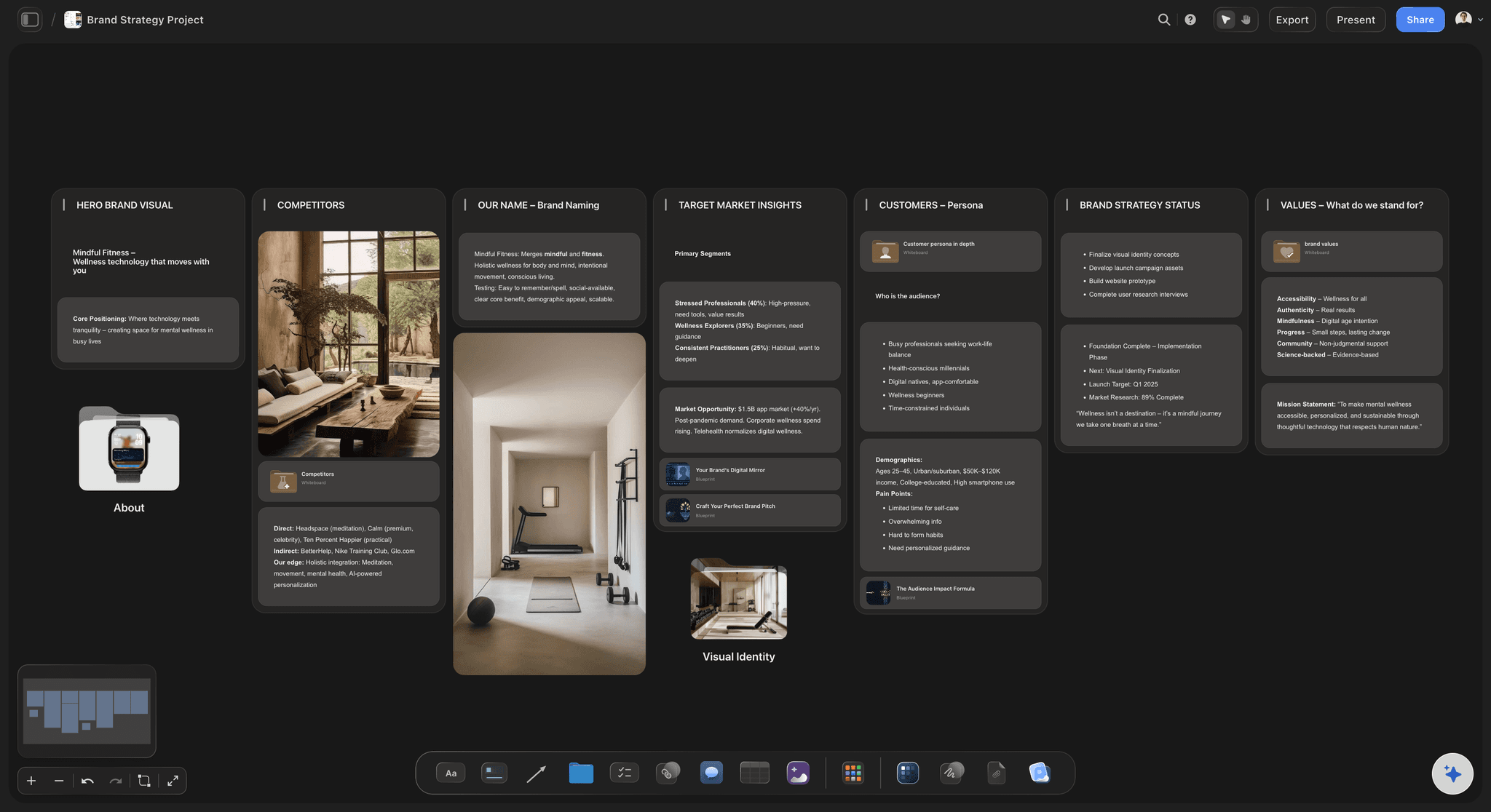
The direction every piece answers to
Write down what the agency knew
Reference, rules, and what the work is deliberately not. The look drifting in month three is the single most common in-house complaint and the most preventable.
Explore the style guide maker →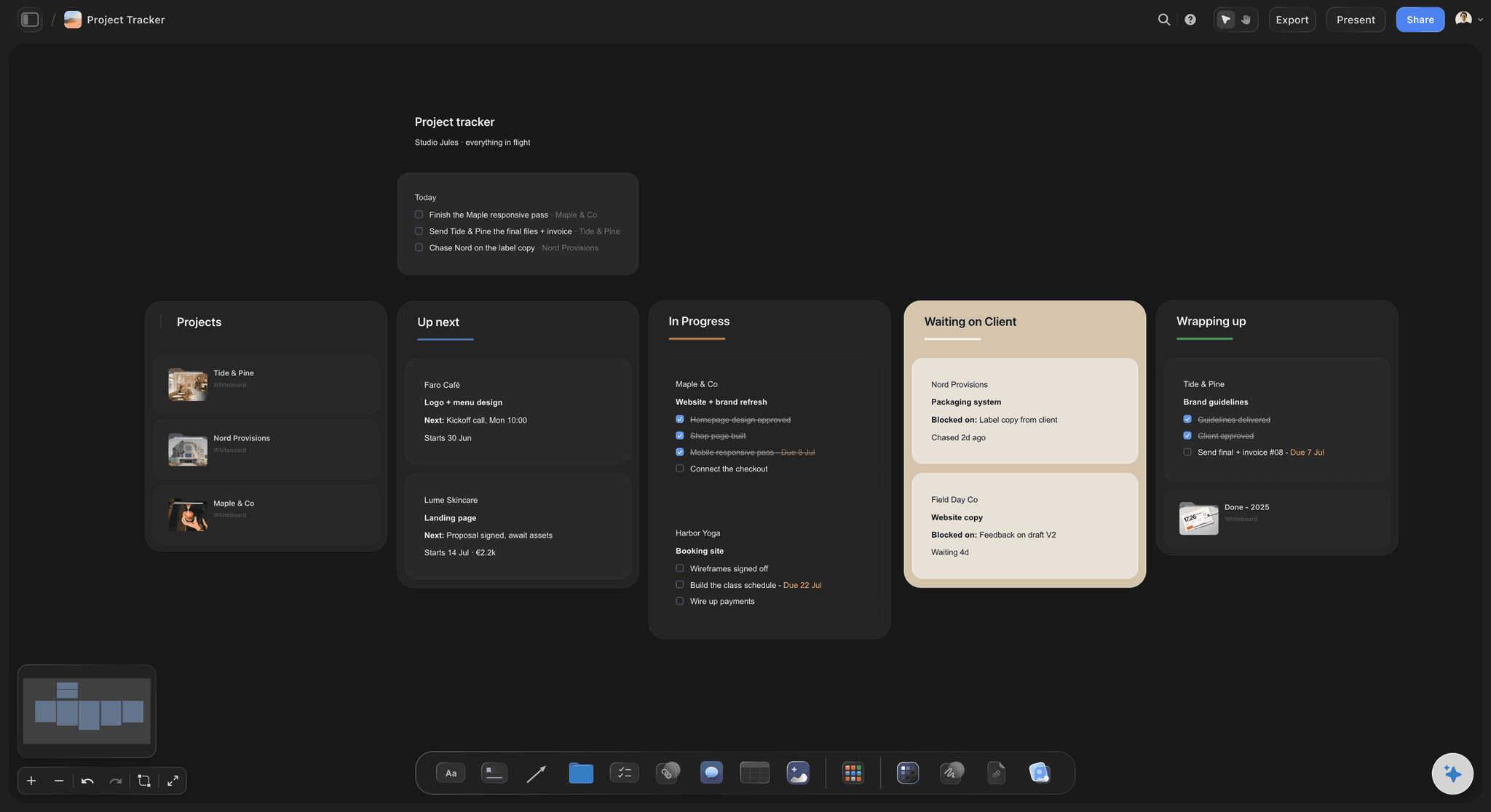
Every piece and what it is blocked on
See the pipeline, not the backlog
Pieces stall waiting on a product screenshot, a legal check, or an approval. A stall that looks identical to active work is how a publish date arrives unannounced.
See the content pipeline →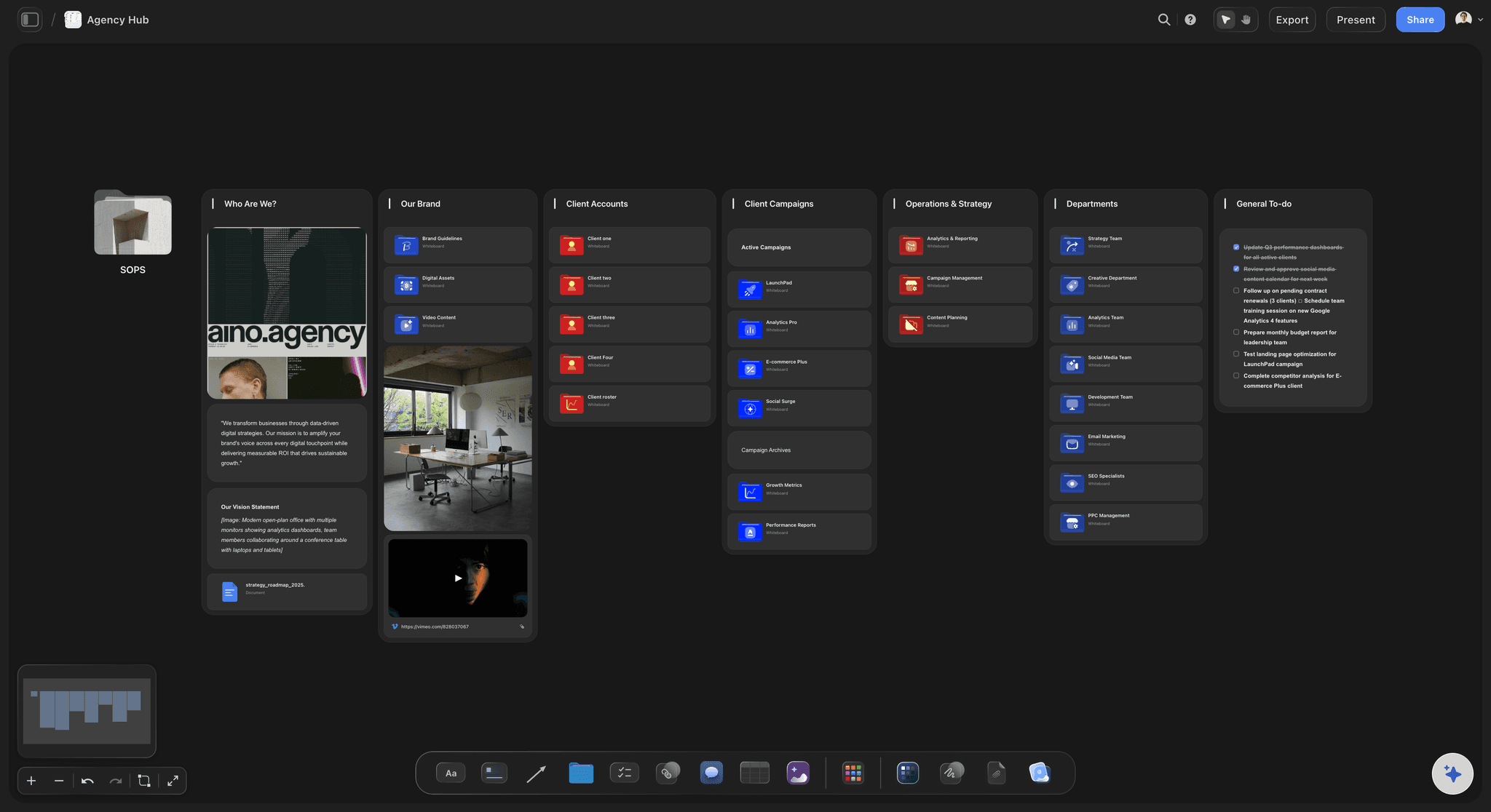
Stakeholders open a link, not a tool
Approval without a meeting
A view-only link lets the named approver, once signed in, comment on the specific piece. Nobody learns a tool, and the feedback arrives attached to what it is about.
Try the client review board →Unlimited boards. No object cap.
One board for the operation, shared with whoever requests and approves. Storyflow is paid-only during early access, with plans from $7.99 a month billed annually ($9.99 monthly). A free plan launches before the end of 2026, and anyone a paid member invites to a board joins free.
Unlimited production boards on an infinite canvas
AI that drafts briefs, processes, and direction from a description
Templates for briefs, campaigns, and project tracking
Share view-only links with stakeholders, no account required
Built for people with taste
The agency was selling process, not just craft.
Nobody itemised it, which is why its absence is experienced as the team being slow.
Intake, direction, approval, priorities
Four things that leave with the agency
Requests arrive as messages: Work begins from a sentence in a chat, gets made, and is rebuilt after the first review when the actual requirement appears. A front door costs ten questions and saves a week.
The look drifts: The direction lived in the agency's head and was never written down. By month three the work is individually fine and collectively inconsistent.
Approval has no owner: Three stakeholders comment independently and the team reconciles the contradictions. One named approver with a deadline removes the most expensive failure on this list.
Priorities follow volume: Whoever asks loudest gets made. A visible queue with a stated order turns that into a conversation about trade-offs rather than a silent reshuffle.
Make, buy, or borrow
In-house does not mean everything in-house
Keep what is frequent and specific: Work you do weekly, and work that needs product knowledge, is where an internal team beats any agency on both speed and accuracy.
Buy what is rare and specialist: An annual brand film or a large shoot is not worth building capability for. Freelancers and production companies remain the right answer for those.
Borrow with a board, not a briefing: A freelancer given the direction board and the brief starts on day one. Onboarding cost is the main reason teams stop using freelancers when they should.
Know your true capacity: Volume commitments are usually made from what the team can produce in a good week, and a good week has no reviews, no reshoots, and nothing broken.
AI that reads the whole operation
The process consultant you did not hire
Draft the conventional process: Describe what your team makes and get the standard intake, direction, production, and approval shape. Completeness is the value, since the missing steps are always ordinary.
Find what is stuck and unowned: Ask which pieces have no approver, no deadline, or nothing behind them. The AI reads your board, so the answer is about your actual queue.
Turn a request into a brief: Paste the message and get a structured brief with the questions that are missing. Most of a brief's value is the questions it forces the requester to answer.
It proposes, you decide: Storyflow arranges and suggests. What to make, what to decline, and whether the work is good stay with the team and its lead.
Proving the team is worth it
In-house teams get judged on visibility
A visible queue is an argument: When the work and its order are on a board anyone can open, a request for more headcount becomes a picture rather than a claim.
Show what was declined: Keeping the requests you did not take, with the reason, is the clearest evidence of capacity a team can produce.
Keep the archive readable: A finished board still holding the brief, the direction, and the work means next year's version of the same campaign starts from this year's rather than from nothing.
Explore templates for your project
Every template opens as a real, editable board on the infinite canvas. Pick the closest fit and make it your own.
YouTube Plan
Plan a video from hook to outline to shot list, with references and thumbnail ideas sitting right beside it.
One app instead of five
Storyflow vs Asana, a shared drive, and a process document.
Each is good at something: Asana at assignment and status, a drive at storing assets, a document at recording how things should work. Here is where they differ for running production.
Storyflow
Recommended
Brief, direction, and work in one place
The queue readable as one picture
Stakeholders view with no account
AI drafts briefs and the process
Freelancers onboard from the board
Workload views and time tracking
Asana
Brief, direction, and work in one place
The queue readable as one picture
Stakeholders view with no account
AI drafts briefs and the process
Freelancers onboard from the board
Workload views and time tracking
A shared drive
Brief, direction, and work in one place
The queue readable as one picture
Stakeholders view with no account
AI drafts briefs and the process
Freelancers onboard from the board
Workload views and time tracking
A process document
Brief, direction, and work in one place
The queue readable as one picture
Stakeholders view with no account
AI drafts briefs and the process
Freelancers onboard from the board
Workload views and time tracking
What creators are saying
Join early creators getting structured workspaces and AI that remembers their projects
“Storyflow has sped up my workflow by at least 3x, which means more flow state and more projects I can actually ship. It truly changed the way me and my team create.”

Reilin Joey
Director & YouTuber
“One prompt gets me a structured board. But the tactics are my favorite. I run my YouTube scripts through them and my intros and retention got better. It's amazing.”

Justkay
YouTuber & Freelance Filmmaker
“I used to juggle five apps to plan a project. Now I describe what I am making and get boards, lists, and a schedule. All in one place.”

George
@fernwehchronicles
Running content in-house, answered.
What an agency was providing, what to keep, and where the first year goes wrong.
Run it on one Storyflow board, where the AI lays out the process an agency used to supply, from request intake and briefs to approval. Start from the content strategy: pick three or four pillars, plan the editorial calendar around them, and decide up front how each core piece gets repurposed into smaller ones. Notion suits keeping that process as written pages, Trello or Asana tracking the tasks, and Canva making the graphics themselves.
Storyflow is built for exactly this job: requests come in as briefs, the direction sits beside the editorial calendar, and every piece shows its status and named approver on one board. Its AI drafts a structured brief from a pasted request with the missing questions marked, and lists the pieces with no approver. The graphics and video themselves are still made in Canva, Figma or your editing app.
Process, and it is never itemised on the invoice. An agency supplies a way requests arrive and get scoped, a brief format that makes the requester answer the questions that matter, a direction that holds the look across pieces, a review sequence with a named decision maker, a delivery standard, and a memory of what was tried before. A team that brings production in-house inherits the craft and none of that, so the gap feels like being slow.
Four things, and none of them are about talent. Requests arrive as chat messages, so work is made from a sentence and rebuilt after the first review. The look drifts by month three, because the direction lived in the agency's head. Approval has no owner, so contradictory feedback from several stakeholders lands on the team. And priorities follow whoever asks loudest. All four are visibility problems with mechanical fixes.
About eight fields, enough that nobody starts making from a sentence: the audience, specifically; what the piece should change; the deliverables, with formats and adaptations counted; the deadline and what drives it; the named approver; what the requester owes you, and when; any mandatories; and what success looks like. The last is the one most often left out, and it prevents the most arguments, because work can only be judged against a stated intention.
No. Split the work by frequency and specificity. Work you do weekly, and work that needs product knowledge an outsider would have to learn, is where an internal team beats an agency on speed and accuracy. Rare specialist work, like an annual brand film or a large shoot, is not worth building capability for, so buy it. The common mistake is keeping rare work in-house to justify the team, which makes the frequent work slip.
Write the direction down, including what the work is deliberately not, and keep it where people making things look. Consistency fails in-house because the direction lived as taste in one or two people, so a third person or a freelancer has nothing to follow. Reference alone is not enough, because twenty images get read twenty ways. Write the rule beside the image it came from, and add an example that is close and wrong.
Not yet. Storyflow is paid-only during early access, with plans from $7.99 a month billed annually ($9.99 monthly). A free plan launches before the end of 2026, and anyone a paid member invites to a board joins free. Stakeholders reading a view-only link never need an account, which matters because the people requesting and approving work are rarely on the creative team.
Give requests one front door and make the queue visible. When requests arrive through chat, email, and hallway conversations, persistence sets priority and nobody sees the total demand. One intake point that turns each request into a short brief gets the key questions answered before work starts, and makes demand countable. A visible queue with a stated order turns a deprioritised request into a shared look at a picture.
One named person per piece, with a response deadline, agreed before the work starts. That prevents the most expensive in-house pattern: several stakeholders reviewing separately and leaving the creative team to reconcile contradictory notes. If several people need input, one consolidates and speaks for the group. Putting the approver's name and deadline on the board also makes a late approval visible as a schedule risk, rather than as the team being behind.
Give them the board rather than a briefing call. Onboarding cost is why teams use fewer freelancers than they should: every new person needs context from someone already busy. A freelancer who opens a board with the brief, direction, reference, and deadlines can start the same day, and their questions audit what you assumed rather than stated. Anyone a paid member invites to a board joins free, so two weeks of help is not a licensing decision.
Yes, mostly with the process work a small team has nobody to do. Describe what your team makes and it lays out the intake, direction, production, and approval shape. Paste a request and it drafts a structured brief with the missing questions marked. Because Storyflow's AI reads the whole board, it can list pieces with no approver or nothing behind them. It proposes; the team decides what to make and whether the work is good.
Make demand and throughput visible, because in-house teams are judged on perception more than agencies are. A queue anyone in the business can open shows what was asked for, what is being made, and what is waiting on someone outside the team. Keep the requests you declined, with the reason, as evidence of capacity. And keep finished boards readable, with the brief and direction attached, so next year's version of the campaign starts from them.
More from Storyflow
Content pipeline
Storyflow for in-house creative teams
Brand moodboard
AI creative brief generator
Campaign brief to delivery
Creative team workflow tool
Marketing workspace
Marketing planning software
Client review board
Visual project planning
Creative operations tool
Editorial calendar
Social media content calendar
Solo studio project planning
Content calendar tool
Creative request intake
Rebuild the process the agency never handed over.
Open a canvas, describe what your team makes, and let AI lay out the shape. No download.