
Guides
Step-by-step guides for planning creative projects and for running the shared visual workspaces they live in. Real workflows, the Storyflow canvas at every step, and clear notes on where AI helps and where it does not.
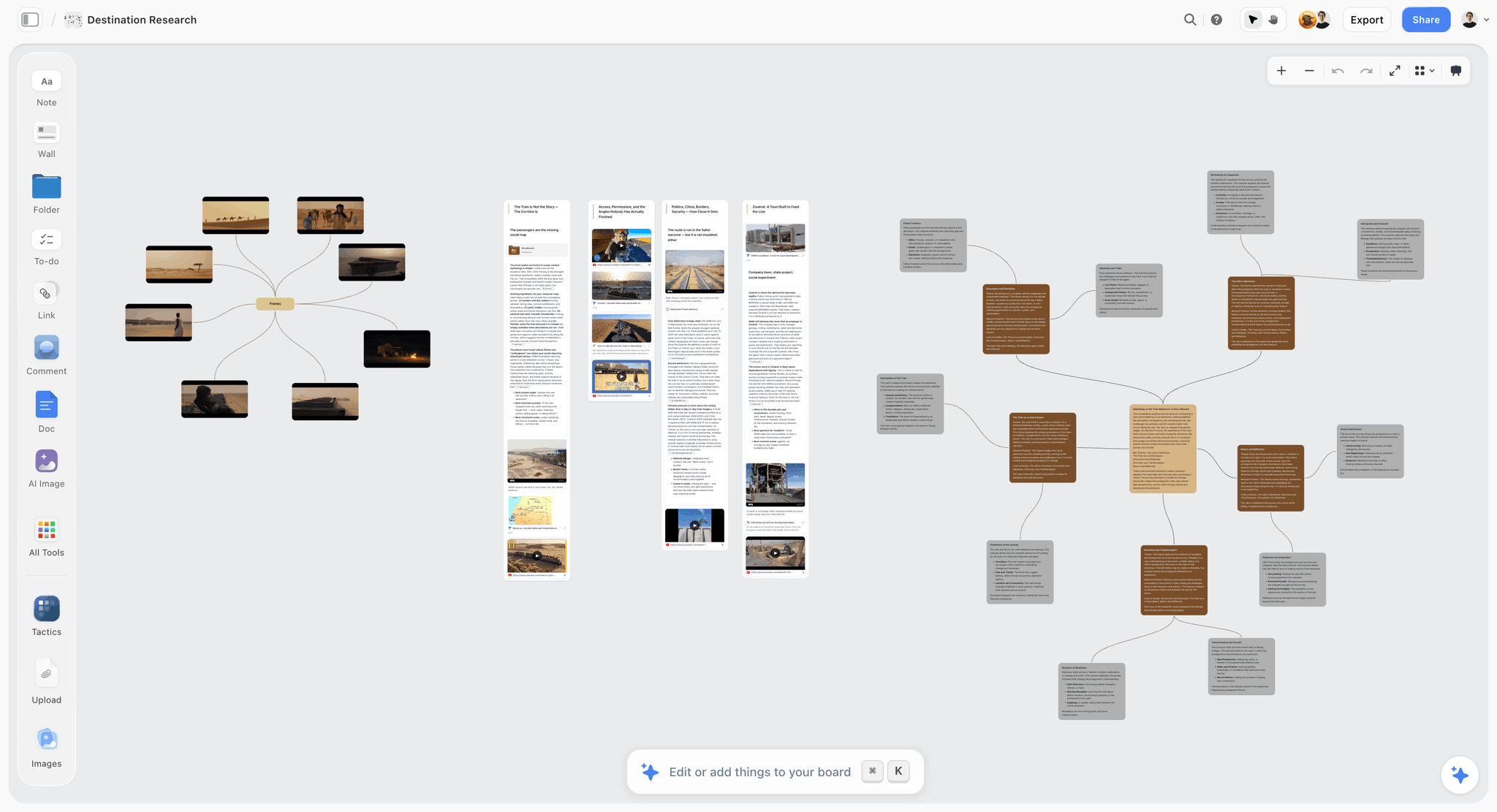
How to Clean Up a Messy Canvas or Workspace
How to clean up a canvas or workspace that has grown out of control: diagnose which of the three messes you have, snapshot before touching anything, run the three-pile pass, and rebuild the top level rather than the contents.
More guides
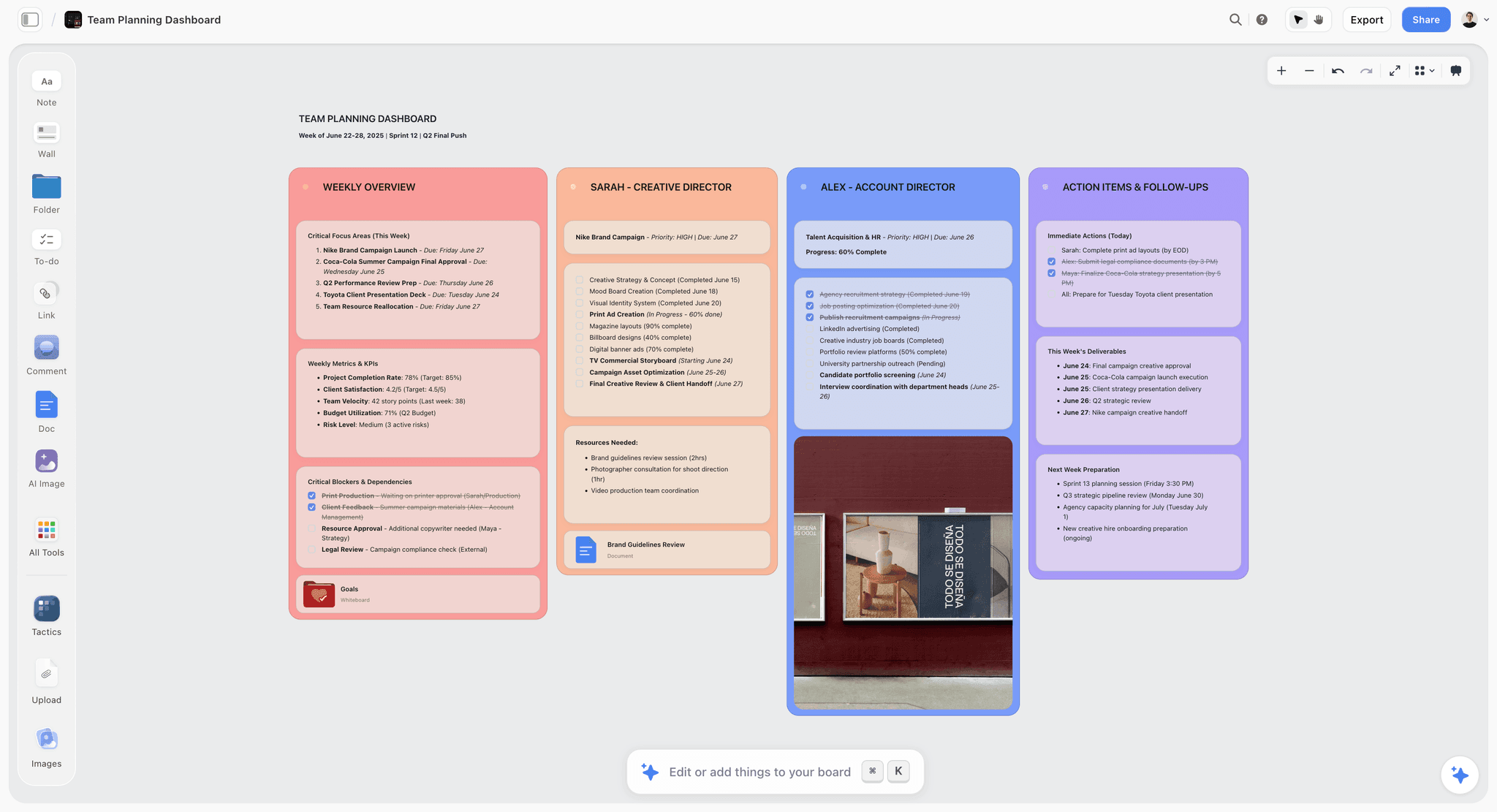
How to Set Up a Shared Creative Workspace for a Team
How to set up a shared creative workspace a team actually uses: decide what lives there, design the structure before inviting anyone, set conventions, get permissions right, seed it with real work, and install the ritual.

How to Choose a Visual Collaboration Tool: A Decision Framework
A six-step decision framework for choosing a visual collaboration tool: name the job, decide event or artifact, check the pricing model, test AI scope, run a 90-minute trial, and check the exit.
How to Move a Creative Project Out of Notion: A Step-by-Step Guide
How to move a creative project out of Notion without losing it: what to leave behind, how to split the workspace into four parts, the export traps, and the order to rebuild in.
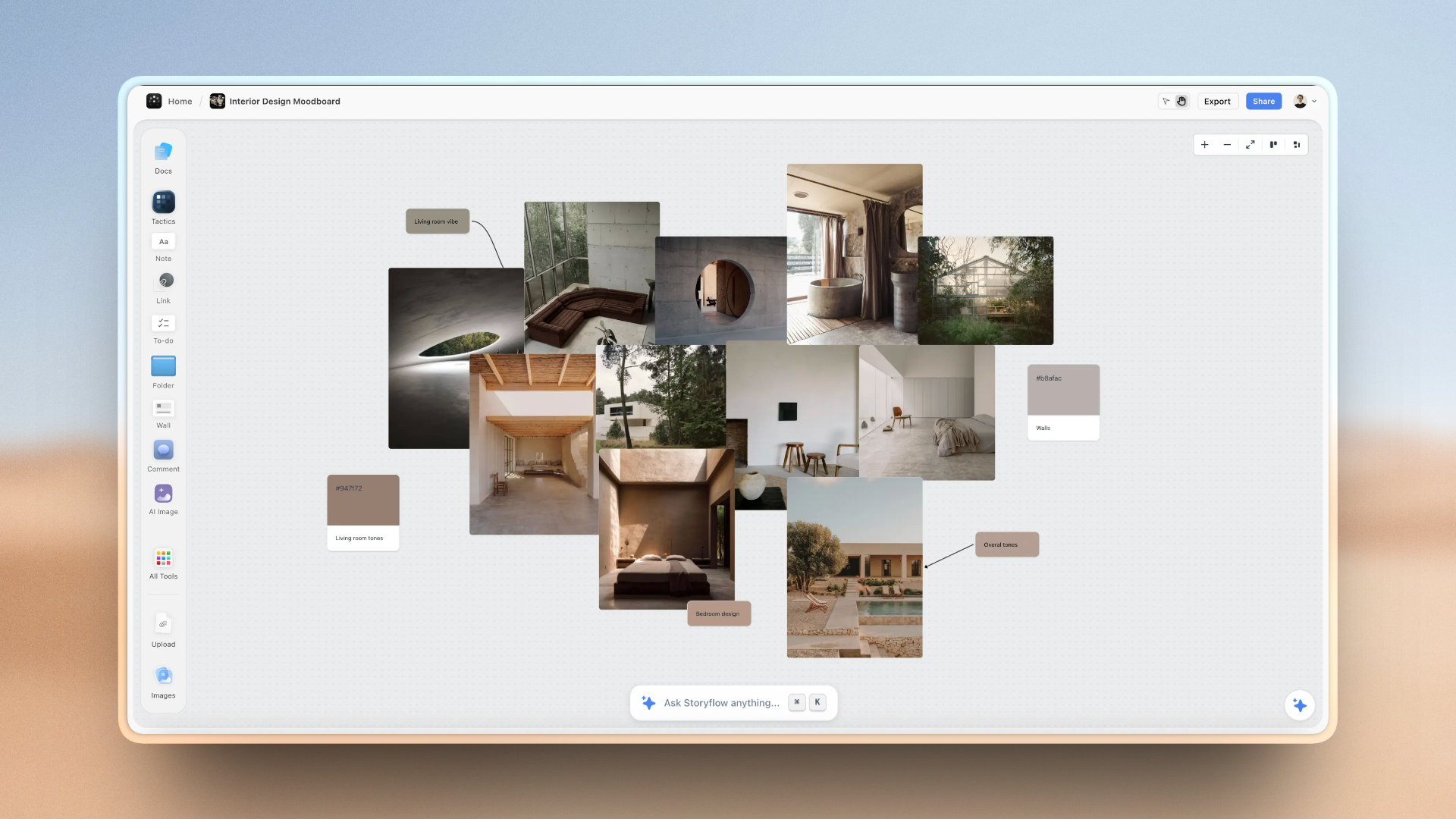
How to Run a Brainstorm on an Online Whiteboard: A Step-by-Step Guide
How to run a brainstorm on an online whiteboard in six steps: build the board before anyone joins, generate in silence, cluster out loud, converge with a visible method, and capture the decision before the call ends.
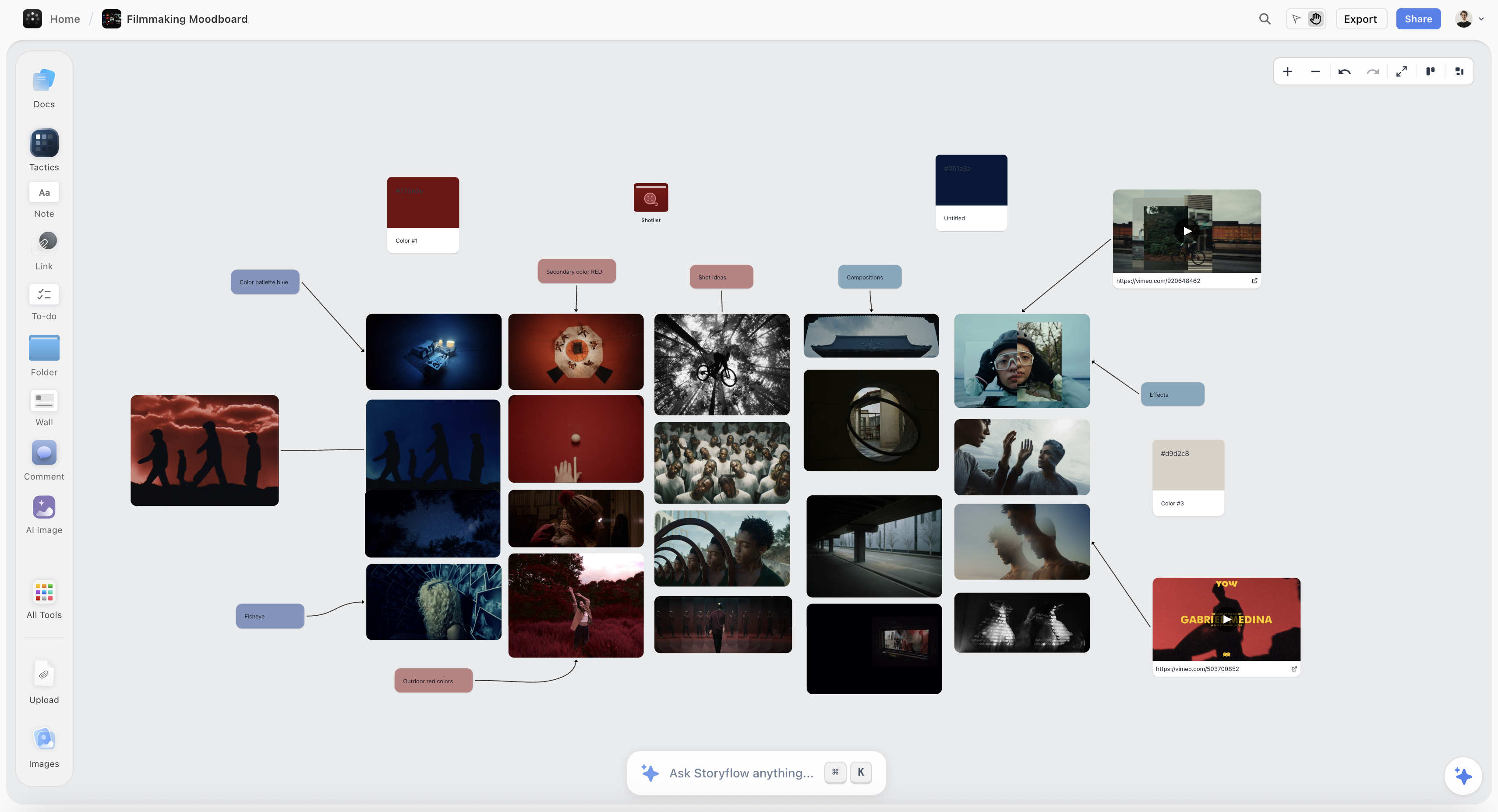
How to Create a Photoshoot Moodboard: A Step-by-Step Guide
How to create a photoshoot moodboard in seven steps: start from the brief, collect wide, sort references into the five lanes a crew can shoot from (light, color, framing, styling, mood), cut to 15-25 images, annotate every one, get a per-lane approval, and turn the board into the shot list.
How to Plan a Photoshoot: A Step-by-Step Guide
How to plan a photoshoot in eight steps: define the job in one line, build the moodboard as a contract, write a shot list that survives arithmetic, lock location and light for the actual date, brief the team by deliverable, schedule backwards with a kill order, prepare the day-of pack, and close the loop at wrap.
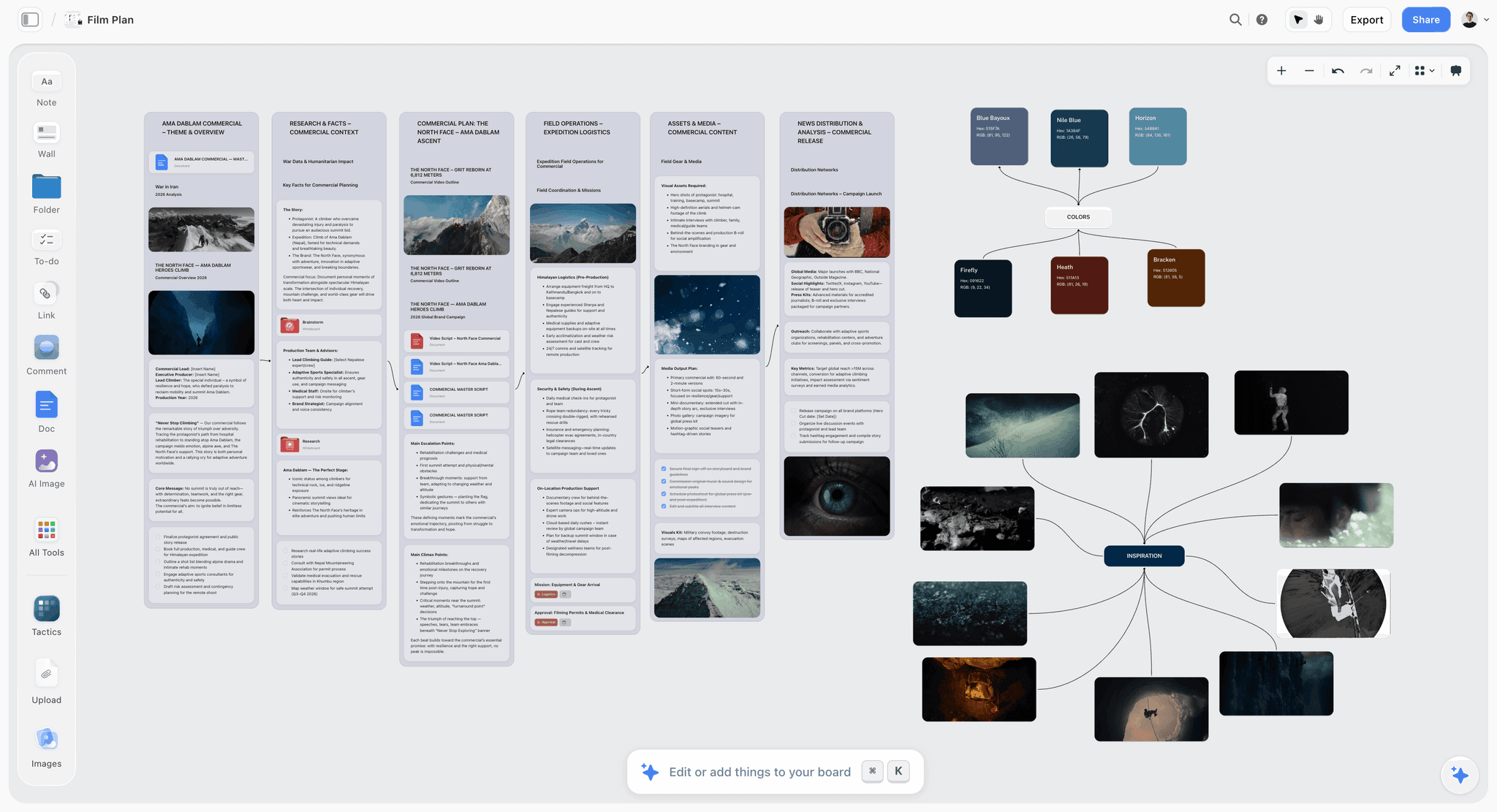
How to Manage a Video Project With a Team: A Step-by-Step Guide
How to manage a video project with a team in seven steps: one source of truth, phase gates instead of a giant timeline, one owner per deliverable, a review process that produces numbered decisions, versioning that prevents final_final, and a delivery loop that improves the next project.
How to Map User Flows and Customer Journeys: A Step-by-Step Guide
How to map user flows and customer journeys in seven steps: pick the right artifact for the question, scope to one actor, gather evidence before drawing, draft the flow with real exits, layer the journey, mark the moments of truth, and convert the map into a ranked list of fixes.
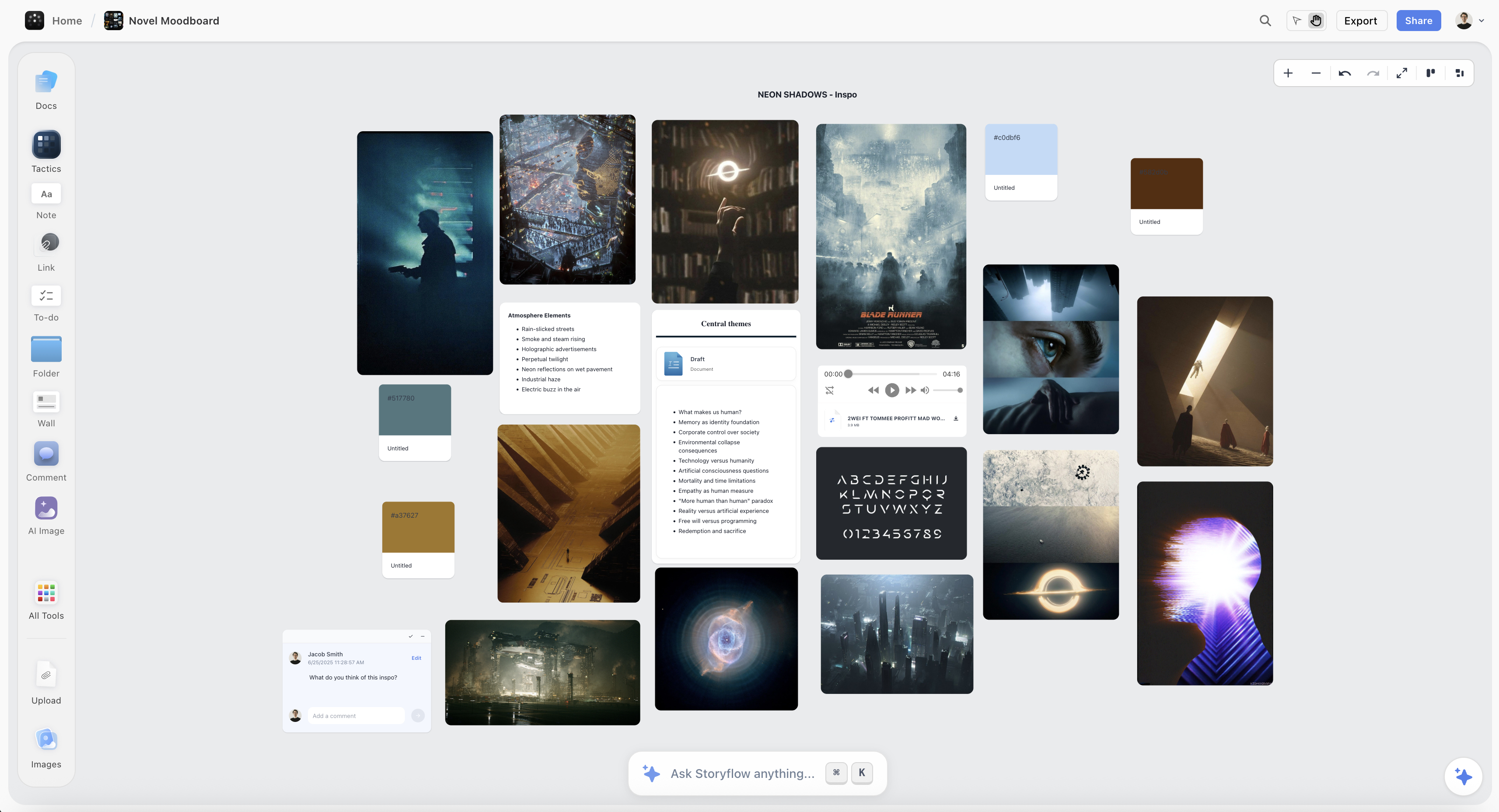
How to Organize Research for a Book: A Step-by-Step Guide
How to organize research for a book in seven steps: define the spine questions, run one inbox, process weekly into claims on question boards, capture provenance on every note, let the outline emerge spatially, build chapter packs for writing days, and freeze what the manuscript used.
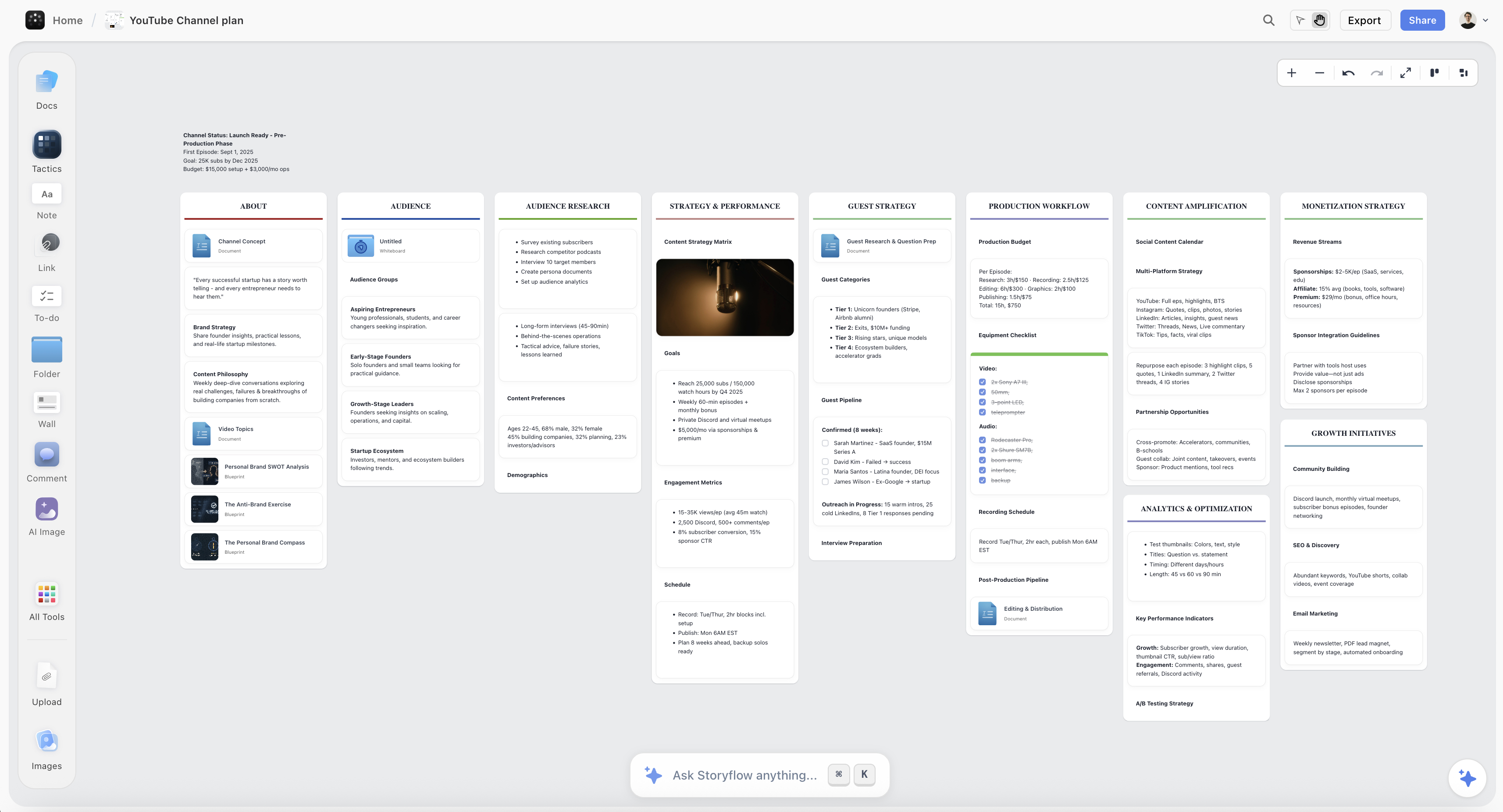
How to Plan a YouTube Video: From Idea to Script, Step by Step
How to plan a YouTube video from idea to script in seven steps: validate the idea as a viewer question, decide the packaging before the script, research the gap, outline for retention, script the first thirty seconds word for word, plan the shoot from the script, and close the loop with the retention graph.
How to Plan a Short Film: From Idea to Shoot, Step by Step
How to plan a short film from idea to shoot in eight steps: lock a story that fits your resources, write the one-line intention, break down the script, board what needs agreement, schedule backwards from the hardest constraint with a kill order, assign ownership, run the pre-shoot gauntlet, and paper-edit before shooting.
How to Present Design Concepts to Clients: A Step-by-Step Guide
How to present design concepts to clients in seven steps: set the decision before the meeting, restate the brief, show fewer options with a recommendation, narrate the reasoning before the reveal, structure the feedback, capture decisions in the room, and send the record the same day.
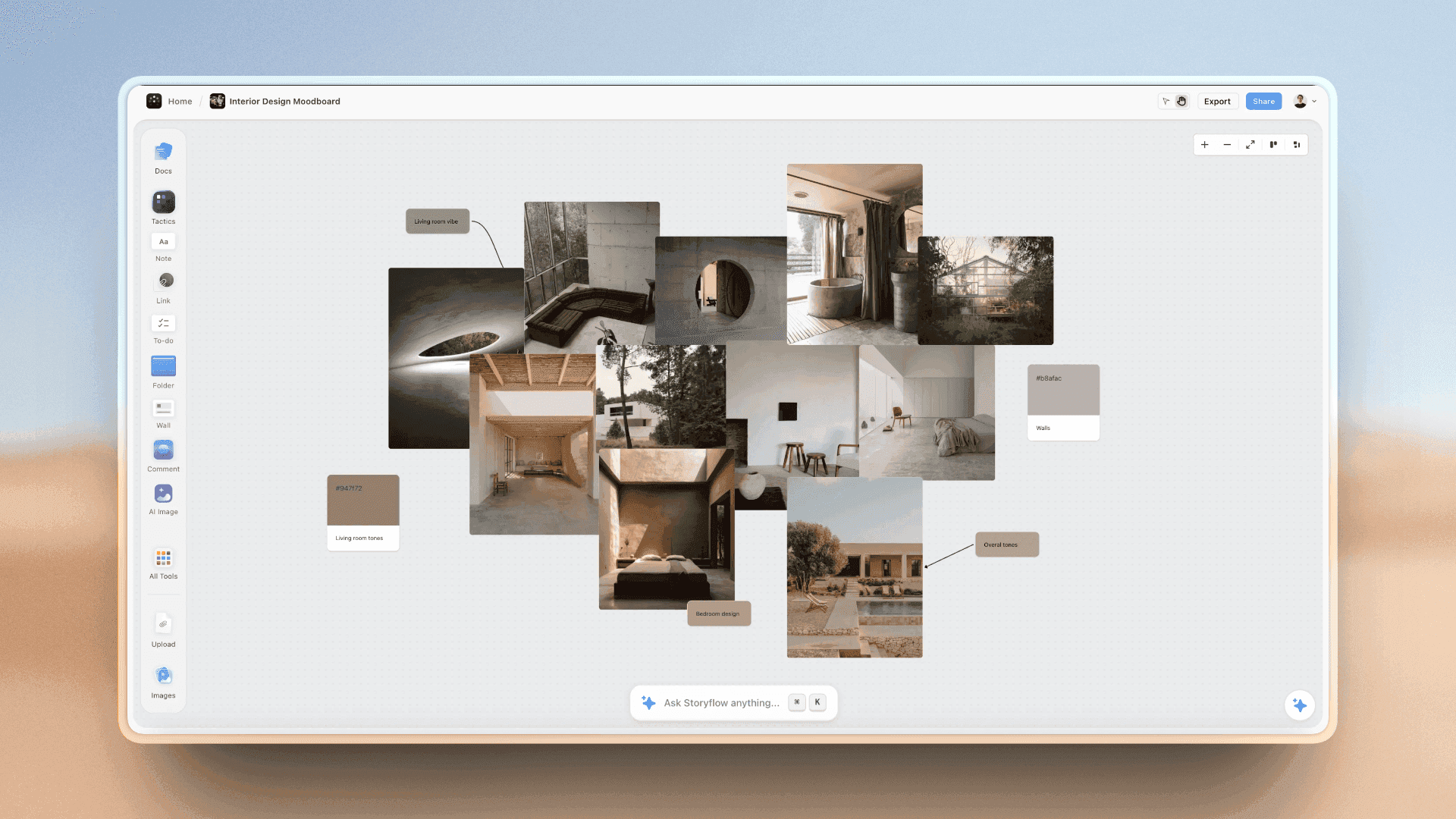
How to Build an AI Content Workflow: A Step-by-Step Guide
How to build an AI content workflow in seven steps: audit where your time actually goes, keep AI out of the two stages that carry your voice, build the context layer that makes output usable, wire the delegable stages one at a time, set a quality gate, measure depth rather than volume, and re-audit quarterly.
How to Move a Creative Project Out of Miro: A Step-by-Step Guide
How to move a creative project out of Miro without losing it: decide whether to move at all, sort boards into four categories, understand what actually exports, extract decisions before they evaporate, rebuild in the right order, and keep Miro for the one job it is genuinely best at.
How to Plan a Documentary: A Director's Step-by-Step Guide
How to plan a documentary in 8 steps. The actual workflow used by working filmmakers, with a Storyflow canvas at every step and clear notes on where AI helps and where it hurts.