
Extremely clear strategy, zero busywork
A campaign wrap report
with the work next to the numbers.
What you set out to do, what actually ran, what it cost, which creative earned its place and what you would change. On one board the client can read without you sitting next to them.


Creatives working for these brands already got early access
- Red Bull
- Canon
- Artlist
- Porsche
See how easy it is to get started
Watch a real project come together, from a blank board to a finished plan, clicked through step by step.
Start from a ready-made template
Pick a board to see what you can build, then let AI fill it in. Every template is a real, editable starting point on the same infinite canvas.

Marketing Plan
Lay out your goals, channels, and initiatives for the quarter on one board.
What is a campaign wrap report, and what goes in it?
A campaign wrap report is what an agency sends a client after a campaign finishes: what ran, what it cost, what it did and what should change next time. Storyflow is an AI visual workspace that builds that report on one infinite canvas: the goal, the timeline, the spend table and the results, with the creative beside them. The client sees the film and the number for that film at once, from one link, a fullscreen presentation or a PDF export of the board.
Send it inside ten working days. A wrap report that arrives three weeks later is filed and never read, because the client has already been asked by their own boss how it went and answered without you. Ten days is enough for the platform numbers to settle and short enough that the campaign is still something people have opinions about.
Open with the goal you agreed at the brief, in the words you agreed it in, and say plainly whether you hit it. That is the whole first page. Then what ran: every asset and placement with its live dates, because clients routinely do not know that half the work they signed off ever went out. Then the money: a table with what each channel was planned to spend, what it actually spent and the difference, with a currency column and a total in the footer. Then the creative, strongest and weakest side by side at full size. Then three things you would do differently, each with the change written next to it.
The numbers come from the platforms, not from Storyflow. Export from the ad accounts and the analytics tool, paste them into the table on the board, and say underneath where each figure came from and on what date you pulled it. A wrap report that does not say where a number came from invites the one question you cannot answer in the meeting. Storyflow has no connection to ad accounts or analytics, so nothing on the board changes by itself, which is also why the version the client read in October still says what it said in October.
Ultra fast from brief to board
From the last day live to the client's inbox.
A morning, if the campaign board already exists.
01
Start from the campaign board, not a blank page
Copy the board the campaign was planned on. The goal, the channels, the dates and the creative are already sitting there, which means the wrap is an edit rather than an act of memory two months after the fact.
02
Paste the numbers in and say where they came from
Export from each ad account and the analytics tool, drop the figures into the table, and put the source and the pull date under it. Give the spend column a currency and a Sum footer so planned against actual adds up in front of the client.
03
Put the creative next to its result
The three that worked and the two that did not, at full size, with their numbers underneath. This is the section clients screenshot, and it is the only part of a wrap report that changes what the next brief asks for.
04
Write the three changes, then send it
Three things to do differently, each with the specific change beside it. Share the link, step through it fullscreen on the call in presentation mode, and export the board as a PDF for whoever needs to forward a file.
Goal, spend, creative, changes.
Storyflow builds and shows the report. The figures come out of the ad platforms and your analytics account.
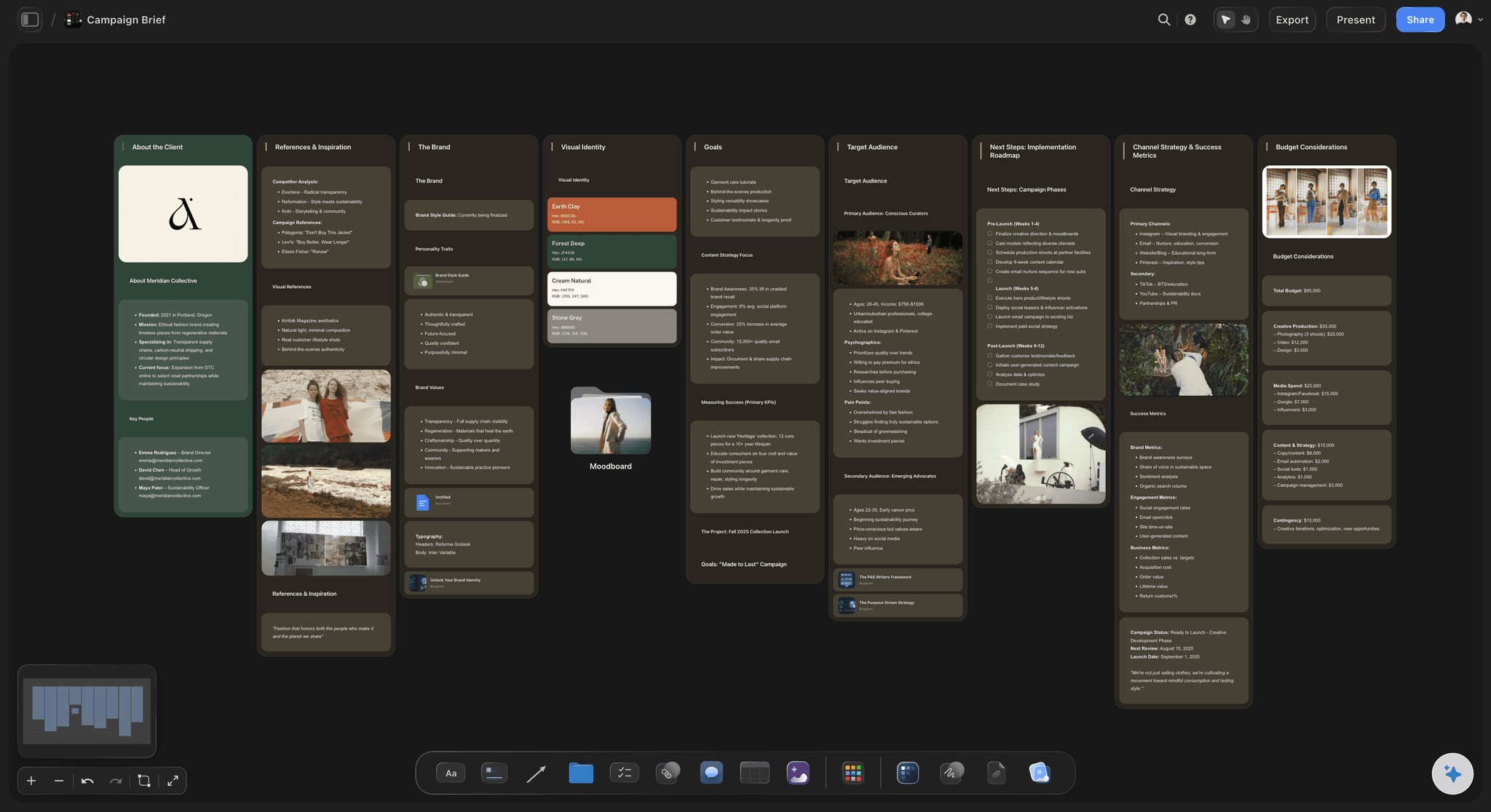
Page one
The goal you agreed, answered yes or no
The measure from the brief, what it came in at, and a sentence saying whether that counts. A wrap report that opens with a chart instead of an answer is one the client reads looking for the answer.
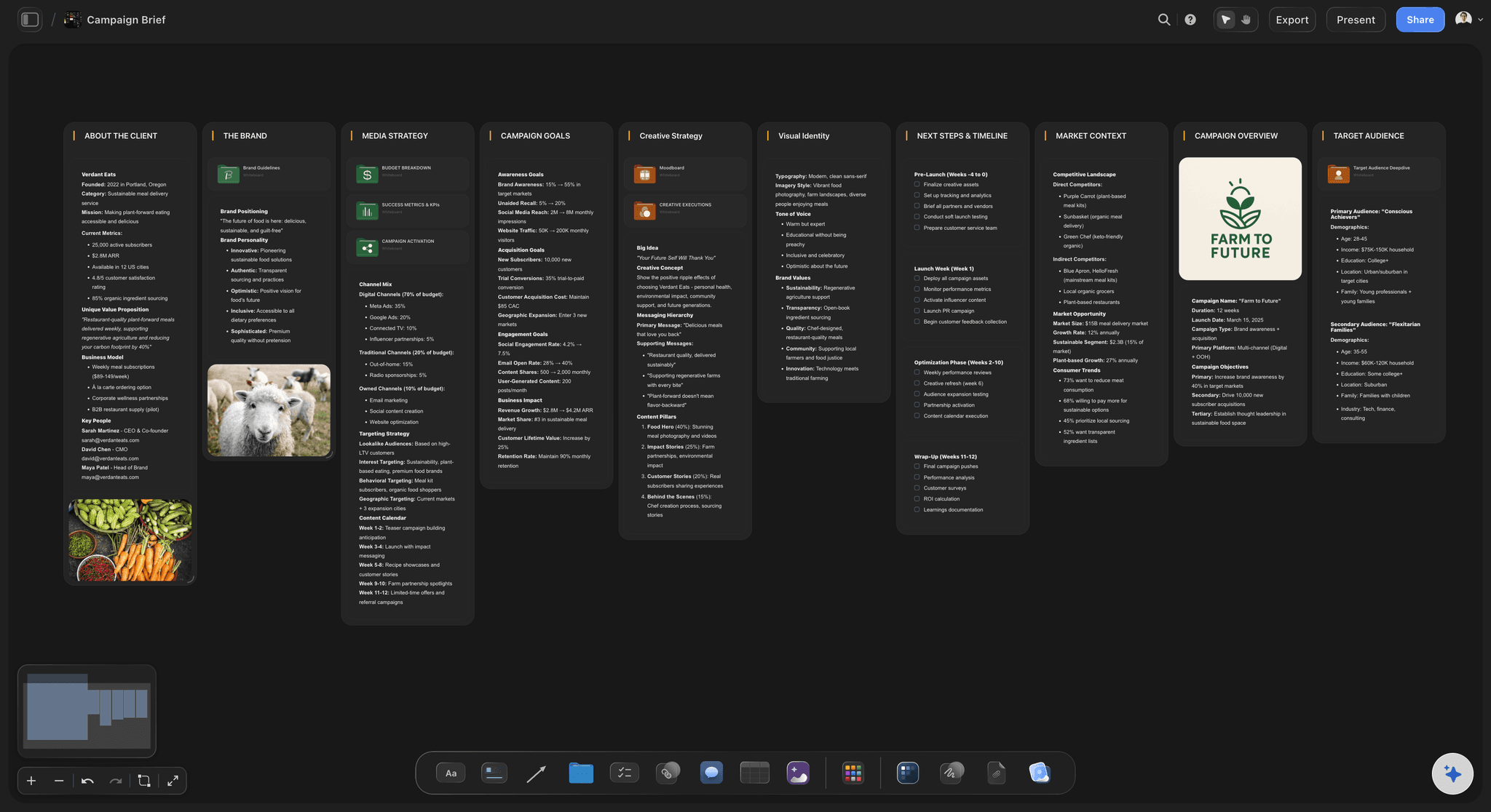
See the campaign brief board →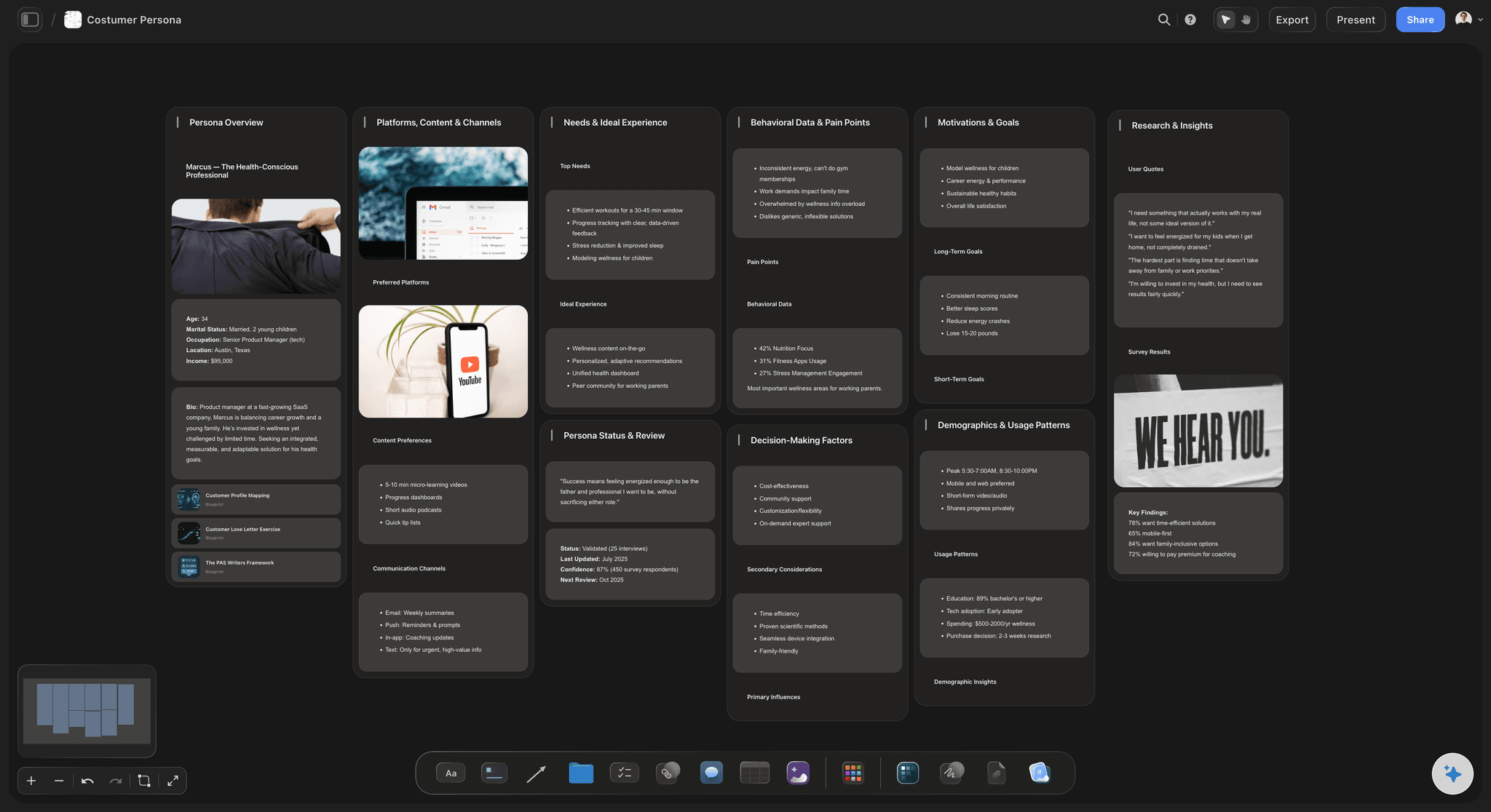
Who it reached
The audience you aimed at, and the one you got
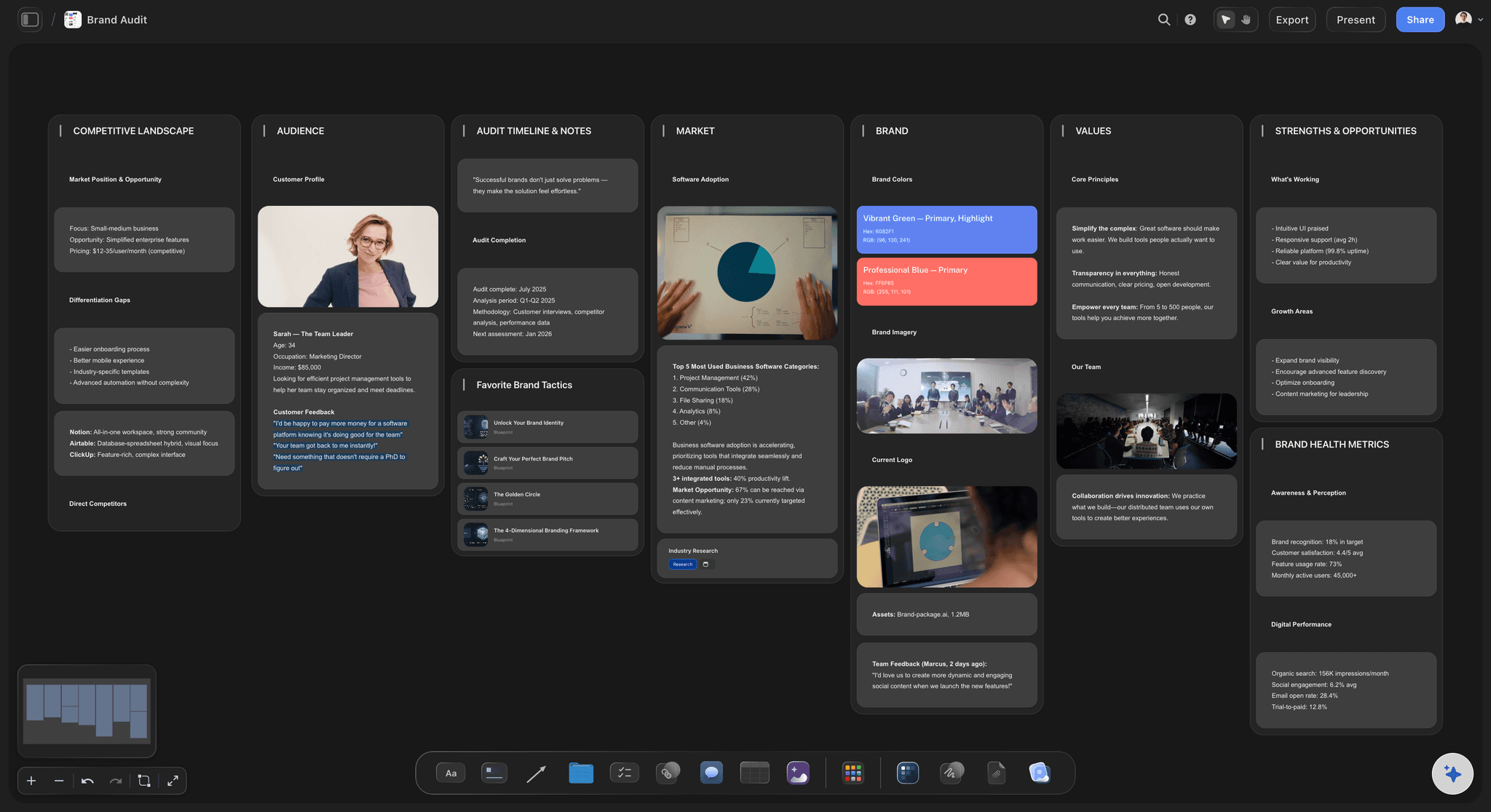
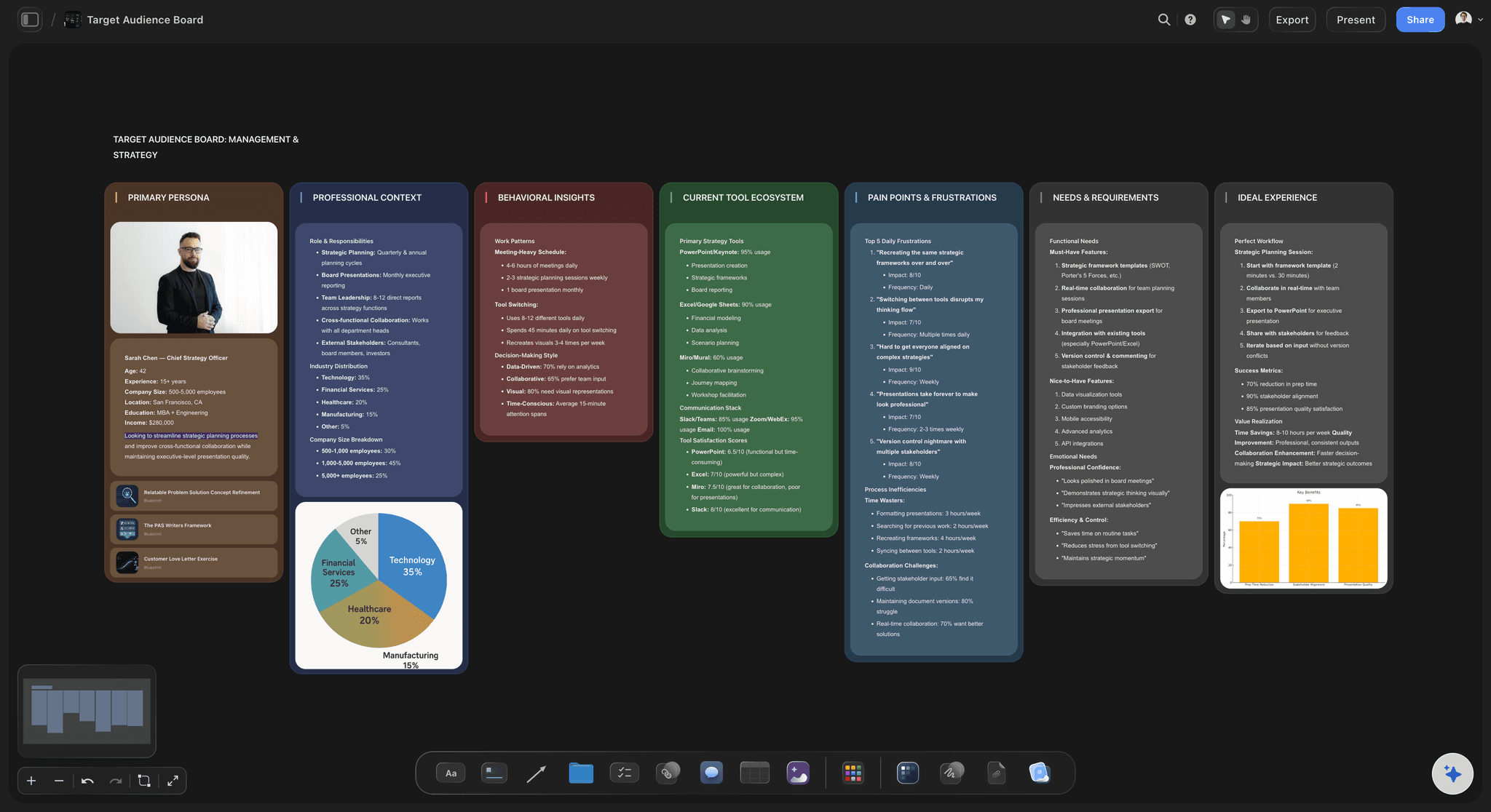
Put the audience picture from the brief next to what the platforms actually delivered. The gap between the two is usually the most useful page in the report and the one nobody writes.
See the audience board →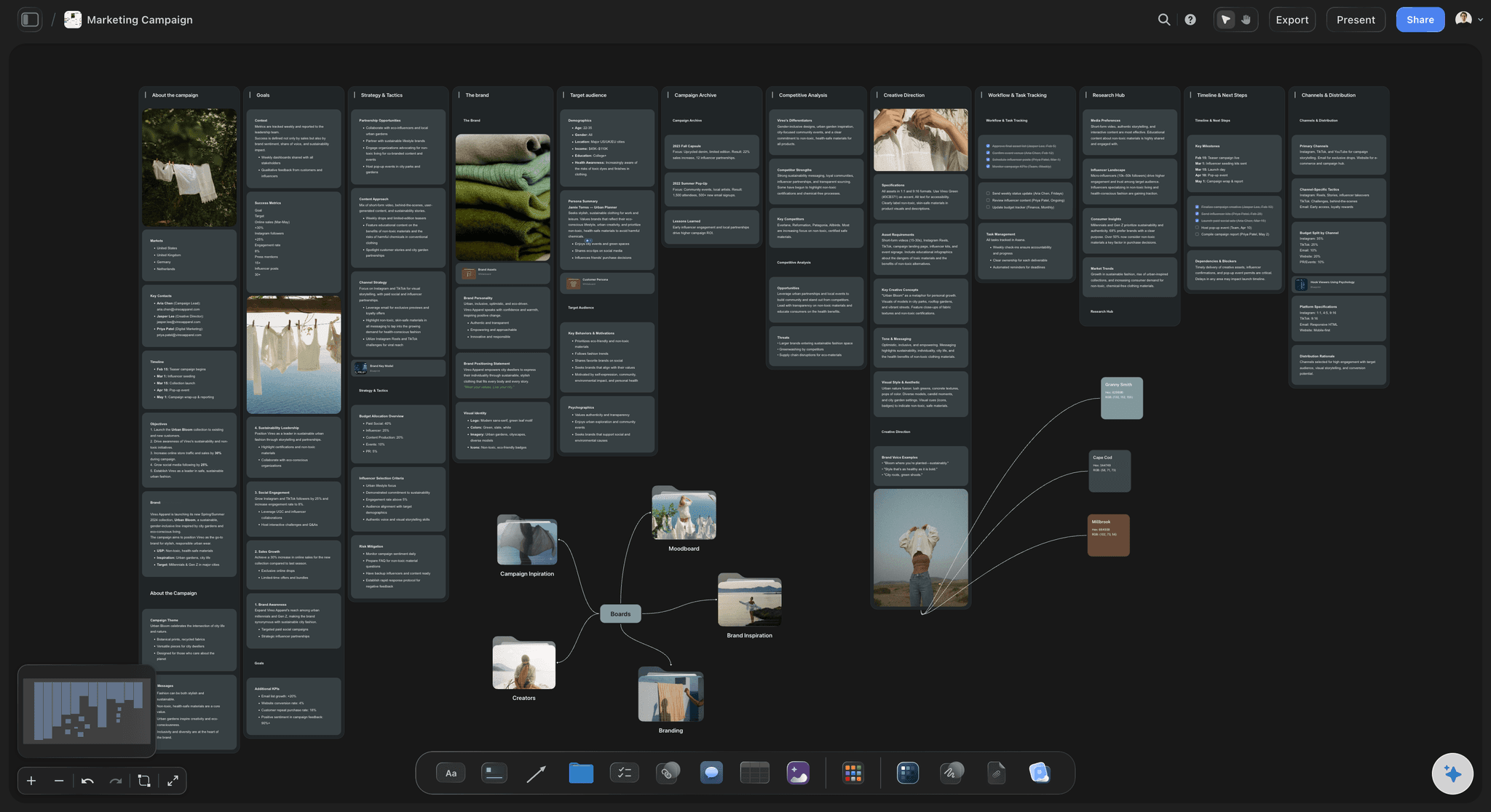
The money
Planned against actual, adding itself up
One table: channel, planned spend, actual spend, the difference. Currency column, Sum footer. Every line that came in over or under has a one line reason next to it, written while you still remember what it was.
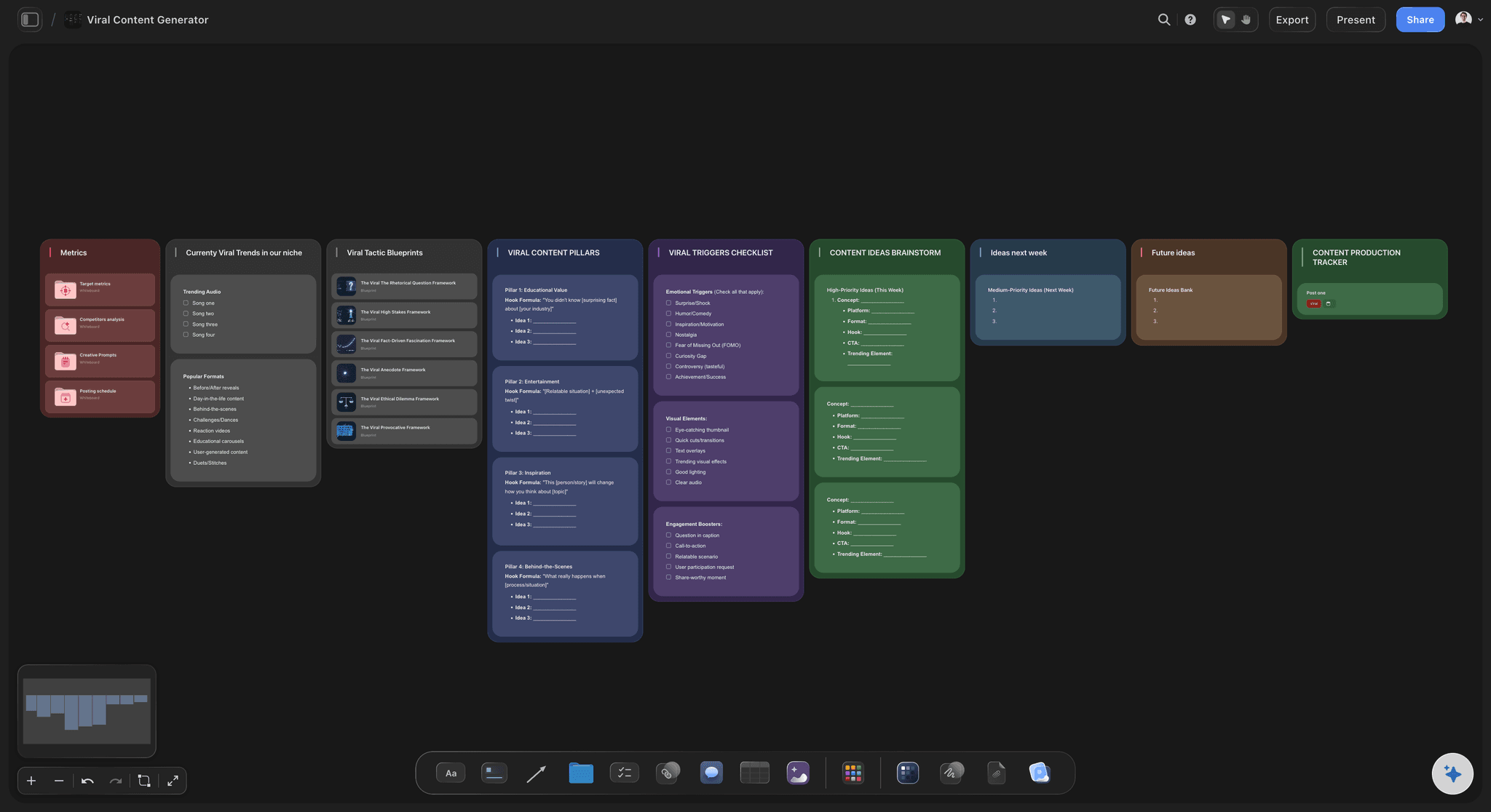
See the campaign board →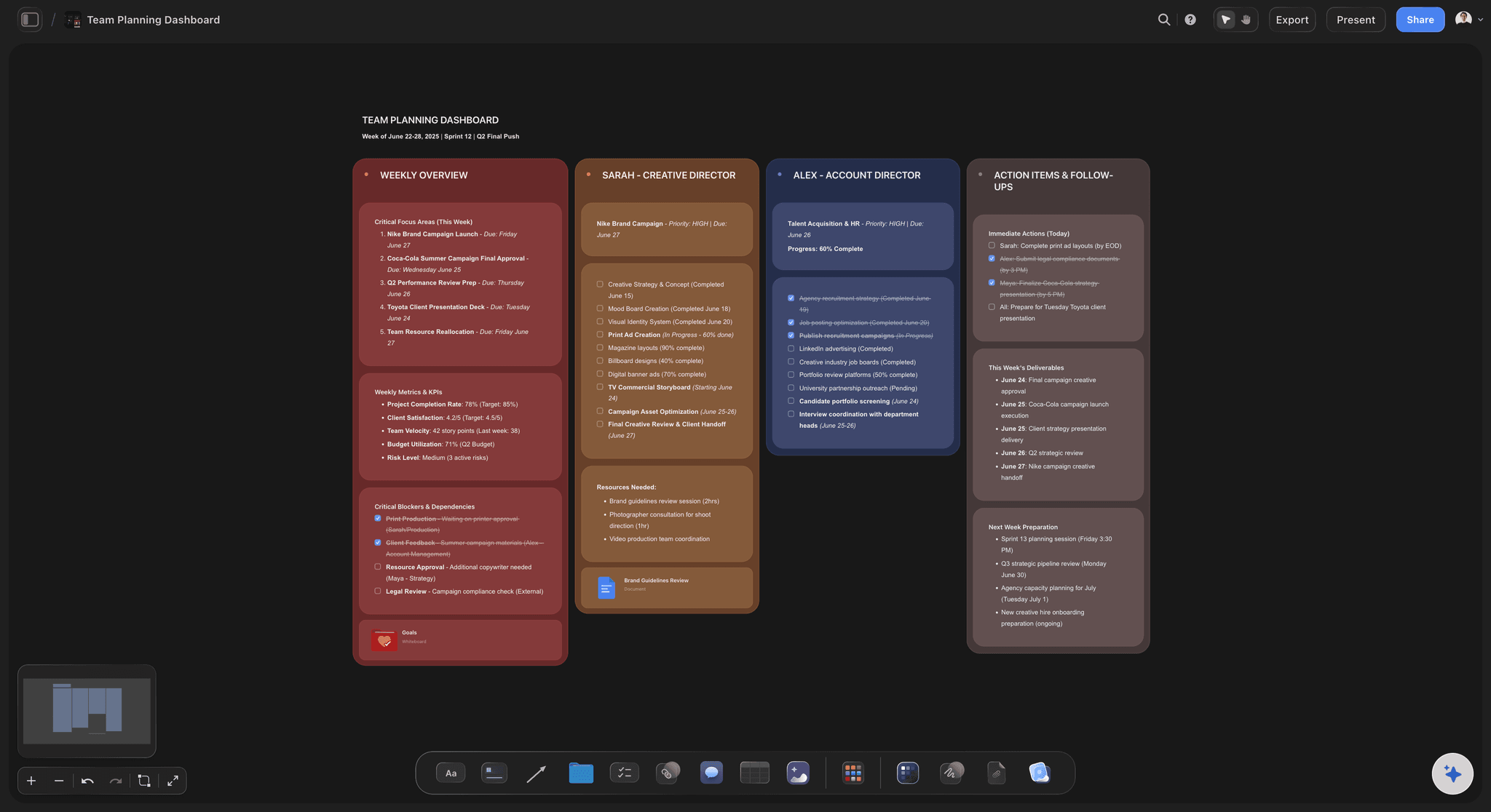
Next time
Three changes, each one specific
Not lessons. Changes: start search two weeks later, cut the fifteen second edit first, stop making the square version nobody ran. Each one becomes a row on the next campaign's board.
See the team planning board →Four wraps in, you can see the pattern.
Every campaign keeps its own board, so a year of wraps is four boards you can open side by side instead of four attachments in four threads. Storyflow is paid-only during early access, with plans from $7.99 a month billed annually ($9.99 monthly). A free plan launches before the end of 2026, and anyone a paid member invites to a board joins free.
Unlimited boards, image uploads and files on every paid plan
Bring the client or the media buyer onto the board without buying them a seat
200+ Tactics for the campaign boards the next brief starts from
PDF export for the wrap document the client forwards
Presentation mode for the readout call, with no deck to build first
Built for people with taste
What the client is actually asking.
They will ask all three whether the report answers them or not.
Question one
Did it do what we agreed it would do?
The measure from the brief, not a better one: Report against the number you agreed at the start, even when a different number looks kinder. Swapping the measure after the fact is the single fastest way to lose a client's trust in every figure on the page.
Every number says where it came from: Source and pull date under each table. It takes a line and it removes the one question in the meeting that nobody has an answer to.
What missed gets its own space: The channel that underperformed goes on the board with a reason, not in a footnote. Clients already know which part went badly; what they are watching for is whether you will say it first.
The report stops moving: Storyflow has no live connection to ad accounts, so the board says today what it said the day you sent it. A dashboard that has quietly changed since the readout is worse than no dashboard.
Question two
Which bits of it worked?
The work sits beside its number: The film, the still and the copy line are on the board with what each one did underneath. A results table on its own asks the client to remember which asset row four was.
Strongest and weakest, side by side: Two columns at full size. What the strong ones have in common is usually visible in ten seconds and never visible in a spreadsheet.
Charts where a chart earns it: Ask the AI to build a chart from the figures you pasted in, and use it where a shape says something a number cannot. Three charts is usually two more than the report needs.
Comments land on the asset: A client note about the fifteen second cutdown sits on the fifteen second cutdown. Signing in is all it takes to leave one, and the note is still there when the next brief is written.
Question three
What should we do with the next budget?
Three changes, written as instructions: Each one specific enough to be a row on the next campaign board. A learning that cannot be turned into an instruction is an observation, and observations do not change the next campaign.
The thing you would stop making: Every campaign produces a format nobody ran and a version nobody watched. Naming it is what buys the next campaign the days to make something else.
Last campaign's board is one click away: Open two wraps next to each other and the pattern that neither one showed on its own becomes obvious. That comparison is the argument for the bigger budget.
The next brief starts here: Copy the board, keep the three changes at the top, and the next campaign begins with what you learned rather than with a blank page and a good memory.
Explore templates for your project
Every template opens as a real, editable board on the infinite canvas. Pick the closest fit and make it your own.
Marketing Plan
Lay out your goals, channels, and initiatives for the quarter on one board.
One app instead of five
Where Storyflow fits after a campaign.
It builds the readout around the work. It does not pull the data or model attribution.
Storyflow
Recommended
Creative shown beside its result
Planned against actual spend with a total
Reads the same in a month as it did today
Client opens it from a link, no account
Feeds straight into the next campaign board
Pulls numbers from ad and analytics accounts
Attribution modelling
Analytics dashboards
Creative shown beside its result
Planned against actual spend with a total
Reads the same in a month as it did today
Client opens it from a link, no account
Feeds straight into the next campaign board
Pulls numbers from ad and analytics accounts
Attribution modelling
Slide decks
Creative shown beside its result
Planned against actual spend with a total
Reads the same in a month as it did today
Client opens it from a link, no account
Feeds straight into the next campaign board
Pulls numbers from ad and analytics accounts
Attribution modelling
What creators are saying
Join early creators getting structured workspaces and AI that remembers their projects
“Storyflow has sped up my workflow by at least 3x, which means more flow state and more projects I can actually ship. It truly changed the way me and my team create.”

Reilin Joey
Director & YouTuber
“One prompt gets me a structured board. But the tactics are my favorite. I run my YouTube scripts through them and my intros and retention got better. It's amazing.”

Justkay
YouTuber & Freelance Filmmaker
“I used to juggle five apps to plan a project. Now I describe what I am making and get boards, lists, and a schedule. All in one place.”

George
@fernwehchronicles
Campaign wrap report questions
What agencies ask before they write the readout.
A campaign wrap report is the readout an agency sends a client after a campaign ends. Storyflow builds it on one board: the goal agreed at the brief and whether it was met, everything that ran with its dates, planned spend against actual in a table that totals itself, the creative that worked next to the creative that did not, and three changes for next time. Send it as a link or export the board as a PDF.
Storyflow handles this on a single board: the goal you agreed at the brief, everything that ran with its dates, planned spend against actual in a table that totals itself, and the creative at full size next to its own number. Send it as a link or export the board as a PDF. The figures themselves still come out of Meta Ads Manager, Google Ads or your analytics tool.
Send it within ten working days of the last day live. Long enough for the platform figures to settle, short enough that people still have opinions about the campaign. After about three weeks the client has already answered their own boss without you, and the report gets filed unread.
A wrap report needs six sections. The goal and whether you met it. Everything that actually ran, with dates. Planned spend against actual by channel. The creative, strongest and weakest, with their numbers. Who it reached against who you aimed at. Three specific changes for the next one. Anything else is usually an appendix.
Storyflow holds the report and the creative inside it. It does not connect to Meta Ads Manager, Google Ads, a DSP or an analytics account, so you export from each platform and paste the figures into the table, noting the source and the date you pulled them. The upside is that the board does not quietly change after the client has read it.
Report it against the measure you agreed at the brief, not a kinder one you found afterwards. Put the channel that underperformed on Storyflow's board with a reason next to it. Clients already know which part went badly, and what they are actually judging is whether the agency says it before they have to ask.
Yes. Attach the exported figures and the campaign brief and ask for the spend table and a first pass at the findings. Storyflow's AI reads attached files and can build charts from the numbers you paste in. It proposes; you decide what the figures mean, because that judgement is the part the client is paying for.
Put the creative in the report itself, at full size, next to its number. A results table on its own asks the client to remember which asset row four was. Putting the film beside what the film did is the only part of a wrap report that reliably changes what the next brief asks for.
Yes. Storyflow's view-only link opens in any browser with no account. To leave a comment they sign in, and anyone a paid member invites to a board joins free. For a client who will forward it to three colleagues, export the whole board as a PDF and send both.
A dashboard shows the current state and keeps moving. A wrap report is a fixed account of a finished campaign with the work in it and a judgement attached. Storyflow does the second. Keep the dashboard for the weeks the campaign is running.
Write them as instructions specific enough to become rows on the next campaign board: start search two weeks later, cut the fifteen second edit first, stop producing the square version nobody ran. A finding that cannot be turned into an instruction will not change anything.
Yes, by opening both boards. Each campaign keeps its own, so a year of work is four boards you can put side by side rather than four attachments in four email threads. The pattern across them is usually the argument for the next budget.
No. Storyflow runs in the browser and there are no native mobile or desktop apps. Present the board fullscreen from the meeting room machine, or export the PDF beforehand if the network in the room cannot be trusted.
More from Storyflow
Campaign management software
Campaign brief to delivery
Agency campaign planning
Campaign calendar
Marketing planning software
Integrated marketing communications
Ad creative testing
Client review board
Creative operations
Storyflow for agencies
Case study builder
Agency credentials deck
Influencer campaign plan
Webinar run of show
Creative retainer plan
Media plan template
Send the wrap while anyone still cares about it.
The goal, the spend, the work that earned its place and three things to change next time.