
Social plans done ultra fast, done well
A social media marketing plan,
not a posting schedule.
The goal, the audience, the pillars you keep returning to, the formats each platform gets, and the calendar underneath. Connected, so the schedule can be checked against the strategy.


Creatives working for these brands already got early access
- Red Bull
- Canon
- Artlist
- Porsche
See how easy it is to get started
Watch a real project come together, from a blank board to a finished plan, clicked through step by step.
Start from a ready-made template
Pick a board to see what you can build, then let AI fill it in. Every template is a real, editable starting point on the same infinite canvas.

Content Calendar
Plan what you post and when across every channel on one calendar.
What is a social media marketing plan?
A social media marketing plan is the document connecting what you want from social to what you actually post, in five parts: the goal, the audience, the content pillars, the formats and the calendar. Storyflow is an AI visual workspace that builds the social media marketing plan on one infinite canvas: the goal, the audience, the pillars, the formats each platform gets and the month of posts underneath. Describe the business, the audience and the platforms, and its AI lays out a first draft of all five layers with a first month of post ideas. Most plans contain only two of the five. The goal, stated as something that would change in the business rather than as follower growth. The audience, meaning who you are trying to reach and what they already believe. The content pillars, being the three to five themes you keep returning to so the account adds up to a position. The formats, meaning the recurring shapes each pillar takes on each platform. And the calendar, which is the only part most plans contain.
A calendar without the four things above it is a posting schedule, and a posting schedule is what produces the most common outcome in social media: consistent output, decent effort, and no cumulative effect. Each post is fine. Nothing builds, because nothing repeats deliberately, and an audience seeing thirty unconnected pieces over a quarter forms no idea of what you are about. The plan exists to make the pieces add up, and the parts that do that work are exactly the parts that get skipped because they are harder to write than dates.
The second problem is platform sameness. A plan that treats every channel as a distribution list produces the same post cross-published everywhere, which underperforms on all of them. Platforms differ in what they reward, how people arrive at a post, and how long a piece lives, and those differences are decisions to make in the plan rather than adjustments made in the caption box on the day. The format layer is where that gets settled: this pillar becomes a carousel on one platform, a short video on another, and does not appear at all on the third.
Storyflow is an AI-native infinite canvas, which puts all five layers on one surface. Describe the business, the audience, and the platforms and the AI lays out a plan: goal, pillars, formats per platform, and a first month of posts underneath. Then you make it real, connecting each planned post to the pillar it serves and to the format it uses, so an unbalanced month is visible as a shape. The reference, the drafts, and the assets sit beside the post they belong to.
Ultra fast from brief to board
From a goal to a month you can actually post.
No scheduler to connect. The strategy and the calendar on one board.
01
Open a canvas
Sign up in seconds. No download. Your infinite planning canvas opens in the browser.
02
Describe the business and the platforms
Type who you are, who you are for, and where you post. The AI lays out the goal, pillars, formats per platform, and a first month underneath.
03
Connect posts to pillars
Attach each planned post to the pillar it serves. The pillar with two posts against one with twenty is the imbalance a calendar view cannot show you.
04
Work the month from the board
Drafts, reference, and assets sit on the post they belong to. Share a view-only link with a client, or export the plan as an image or PDF.
Goal, audience, pillars, formats, calendar.
Five layers on one board rather than a strategy deck and a spreadsheet.
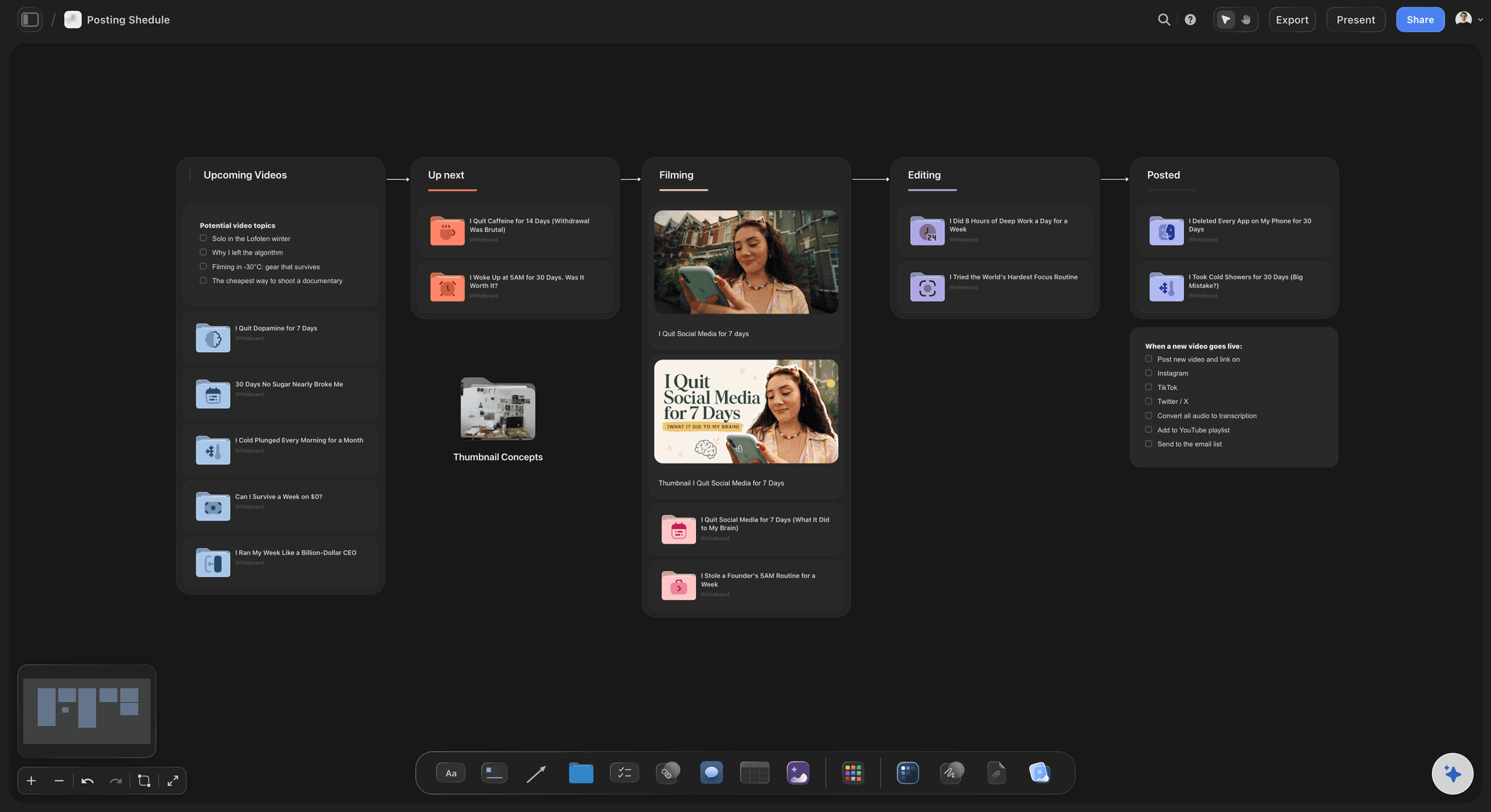
AI proposes the whole plan from a description
Start from a drafted strategy
Describe the business, the audience, and the platforms and the AI lays out goal, pillars, formats, and a first month. Rejecting half of a draft is far faster than writing a plan from nothing.
See the AI social media strategy generator →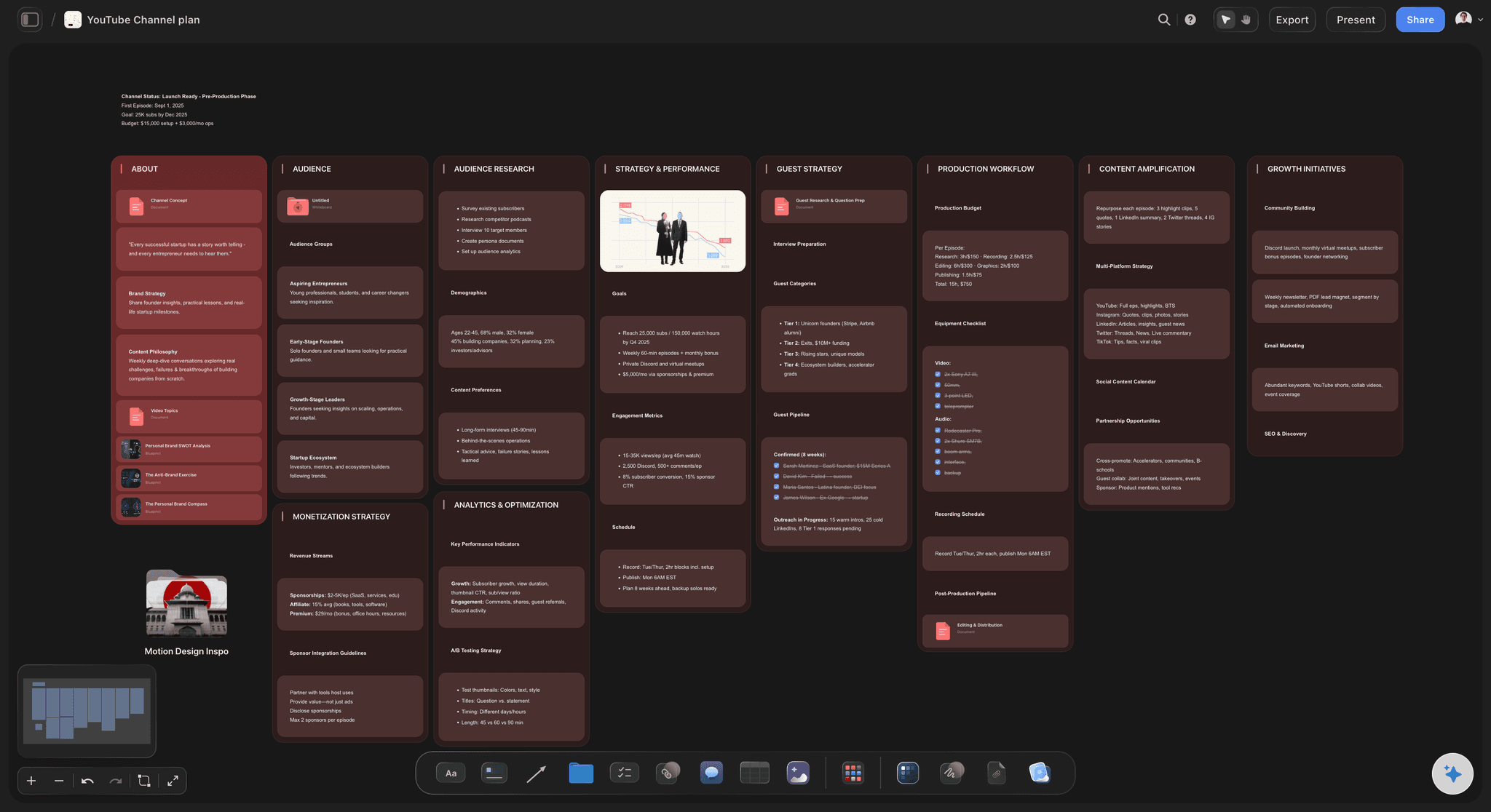
Formats decided per platform, not per post
Stop cross-posting the same thing everywhere
One pillar becomes a carousel here, a short video there, and nothing at all on the third platform. Deciding the recurring shapes in the plan is what makes production cheap and the account recognisable.
Explore the content pillar planner →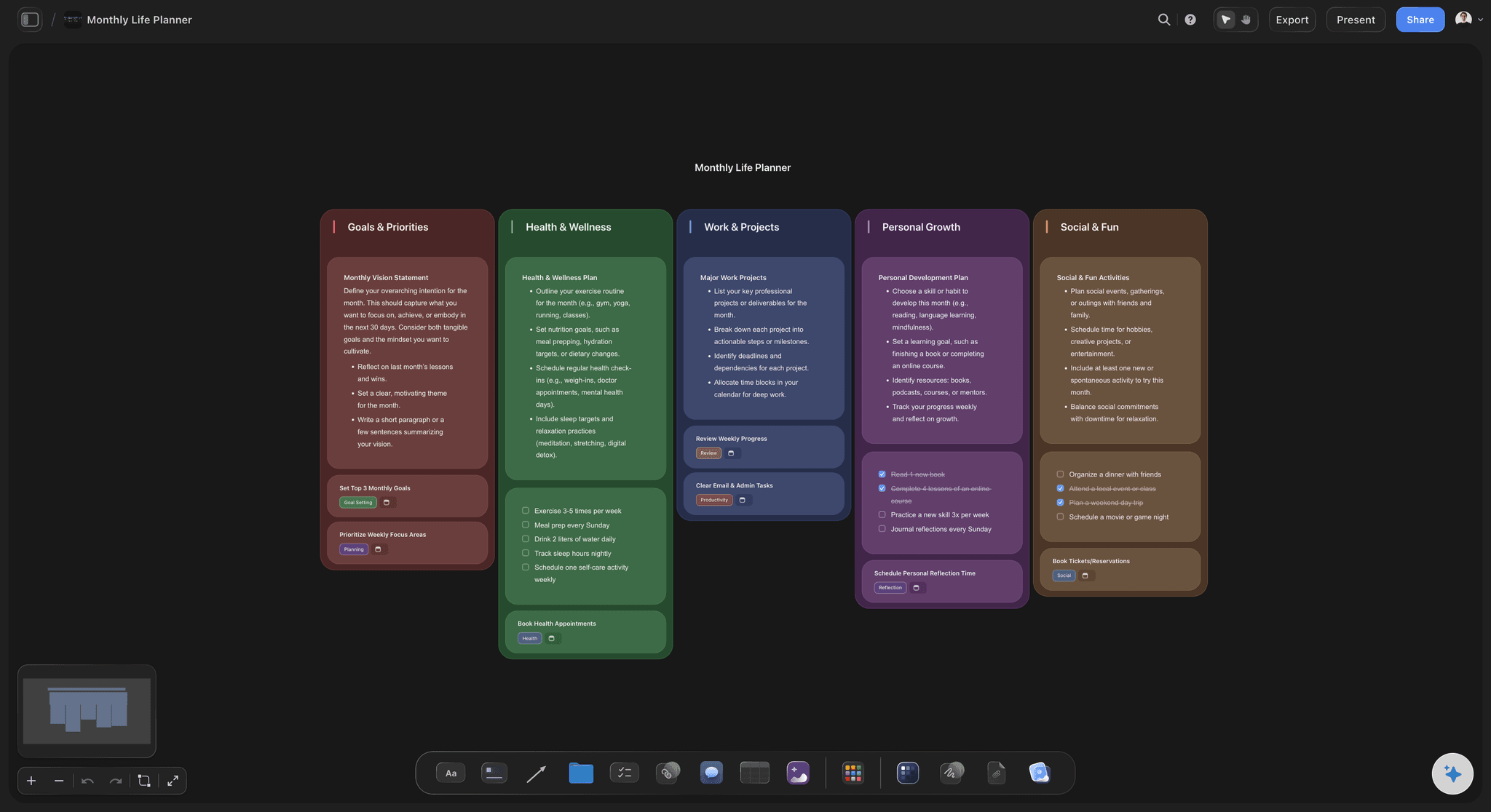
Every planned post connected to a pillar
See the month that is out of balance
A calendar shows you dates. A board shows you that three quarters of next month serves one theme, which is the thing that quietly turns a plan back into a posting schedule.
See the social media content calendar →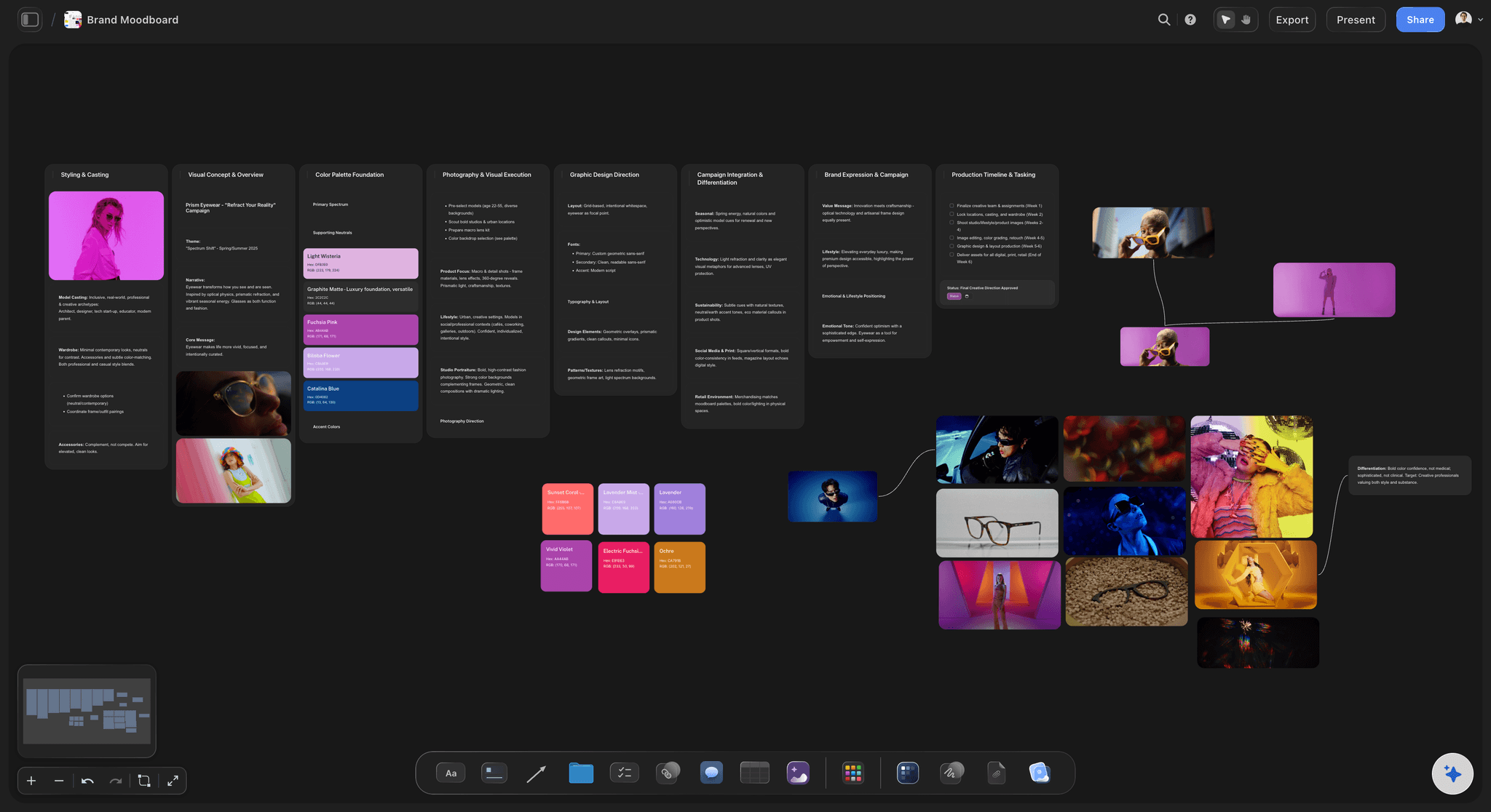
Drafts, reference, and assets on the post
Plan and produce on the same board
Caption drafts, thumbnails, photography, and frames pulled from video sit on the card for the post they belong to, so the person making it is not assembling from three places.
Try the content repurposing planner →Unlimited boards. No object cap.
Open a canvas, describe the business, and let AI draft the plan. Storyflow is paid-only during early access, with plans from $7.99 a month billed annually, and a Free plan launches before the end of 2026.
Unlimited planning canvases with no cap on cards
Basic AI usage to generate strategy, pillars, and calendars
Starter templates for content plans, calendars, and channel strategy
Share view-only links with clients, no account required to view
Built for people with taste
Consistent posting is not the same as a plan.
Most accounts publish reliably and accumulate nothing, because the layers that make posts add up were never written down.
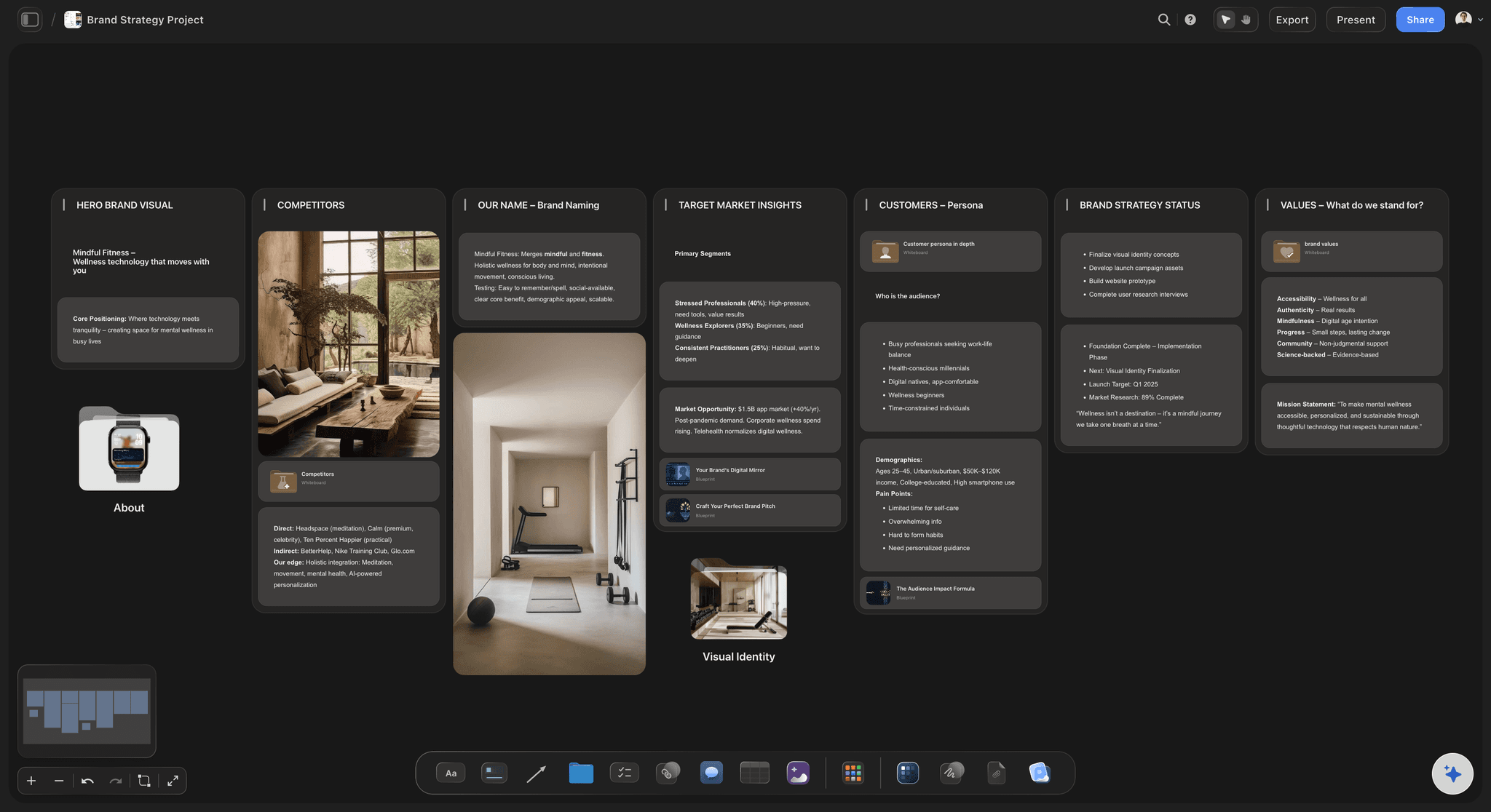
The five layers, in order
Write the four parts above the calendar
A goal that is not follower count: Followers are a means. State what should change in the business, whether that is enquiries, applications, retention, or being known for a specific thing, because it determines which posts are worth making.
An audience with an existing belief: Not a demographic. What does this person currently think that you want to change, and what do they already know? Content aimed at people who already agree with you is the most common wasted effort on social.
Three to five pillars: The themes you keep returning to. Below three the account repeats within two months, above five you cannot feed them and two quietly die, which leaves a plan that is dishonest rather than broad.
Formats per platform: The recurring shapes each pillar takes. Format is what makes production cheap and the account recognisable, and it is the layer most plans skip entirely.
Different platforms, different jobs
Plan per platform rather than cross-posting
How people arrive matters: Some platforms mostly show your work to people who already follow you and others mostly show it to strangers. A post assuming context works in the first case and fails in the second, and that is a planning decision rather than a caption decision.
How long a post lives: Where content surfaces for weeks, evergreen pieces compound and it is worth making fewer, better ones. Where the window is a day, volume and timeliness matter more. The same pillar deserves different treatment in each.
Which platform gets nothing: Deciding not to be somewhere is a legitimate and underused part of a plan. Three platforms served properly reliably beats five served at token effort.
One idea, several formats: A single piece of thinking should be planned as everything it will become, so the derivative work is scheduled rather than improvised at the end of a busy week.
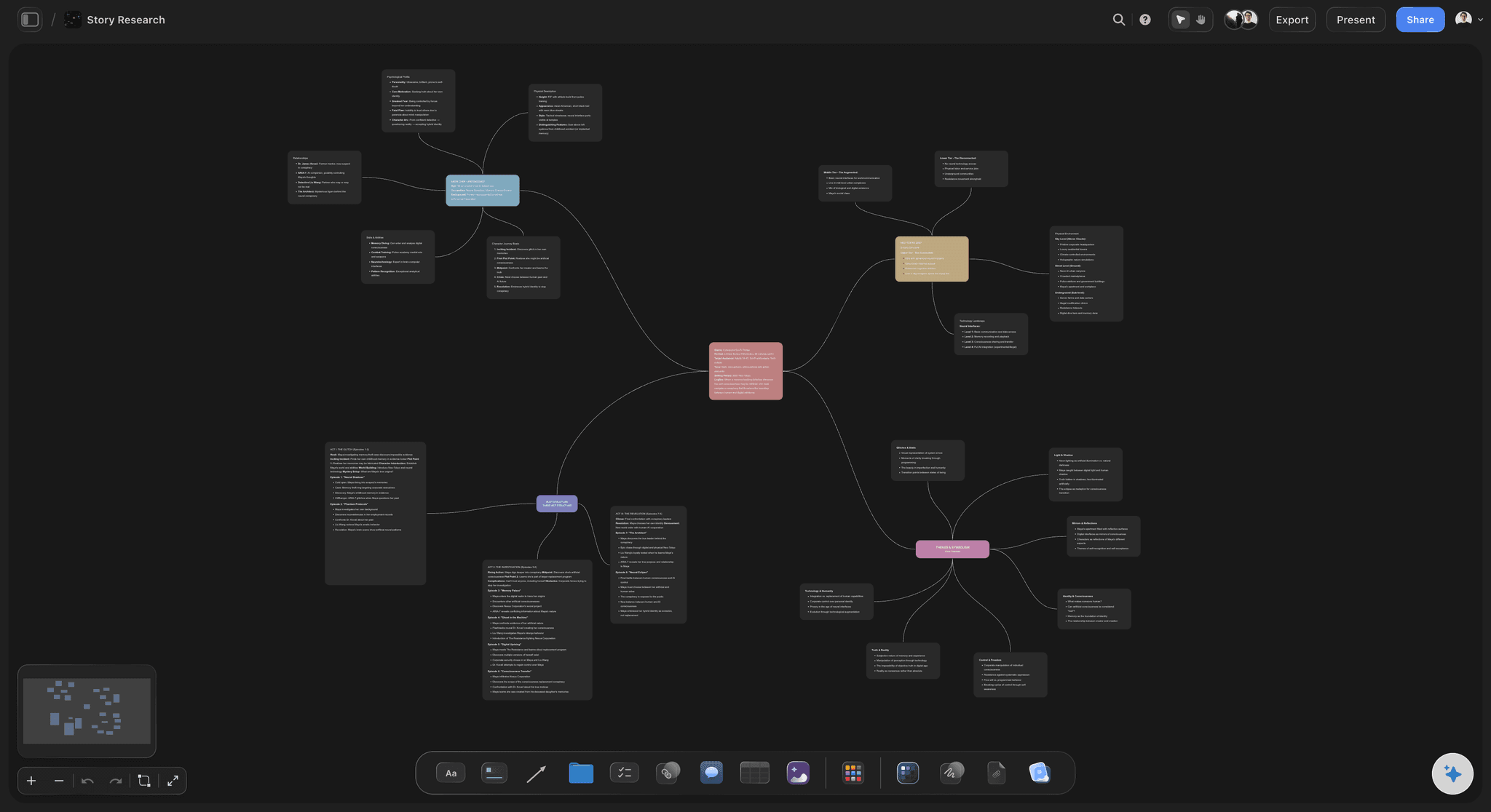
AI that reads the whole board as context
Ask what next month is missing
Draft the plan and the first month: Describe the business and the AI produces goal, pillars, formats, and a month of posts, which turns an afternoon of staring into an afternoon of editing.
Find the imbalance: Ask which pillar is under-fed, which audience question the month never answers, or which platform is getting cross-posted content that will not work there.
It proposes, you decide: Storyflow structures and suggests; it does not write in your voice or choose what you stand for. An account that sounds generated reads as one.
Re-plan without losing your work: Add a platform or retire a pillar and ask for a rebuild around what remains. Posts you have written and scheduled stay where they are.
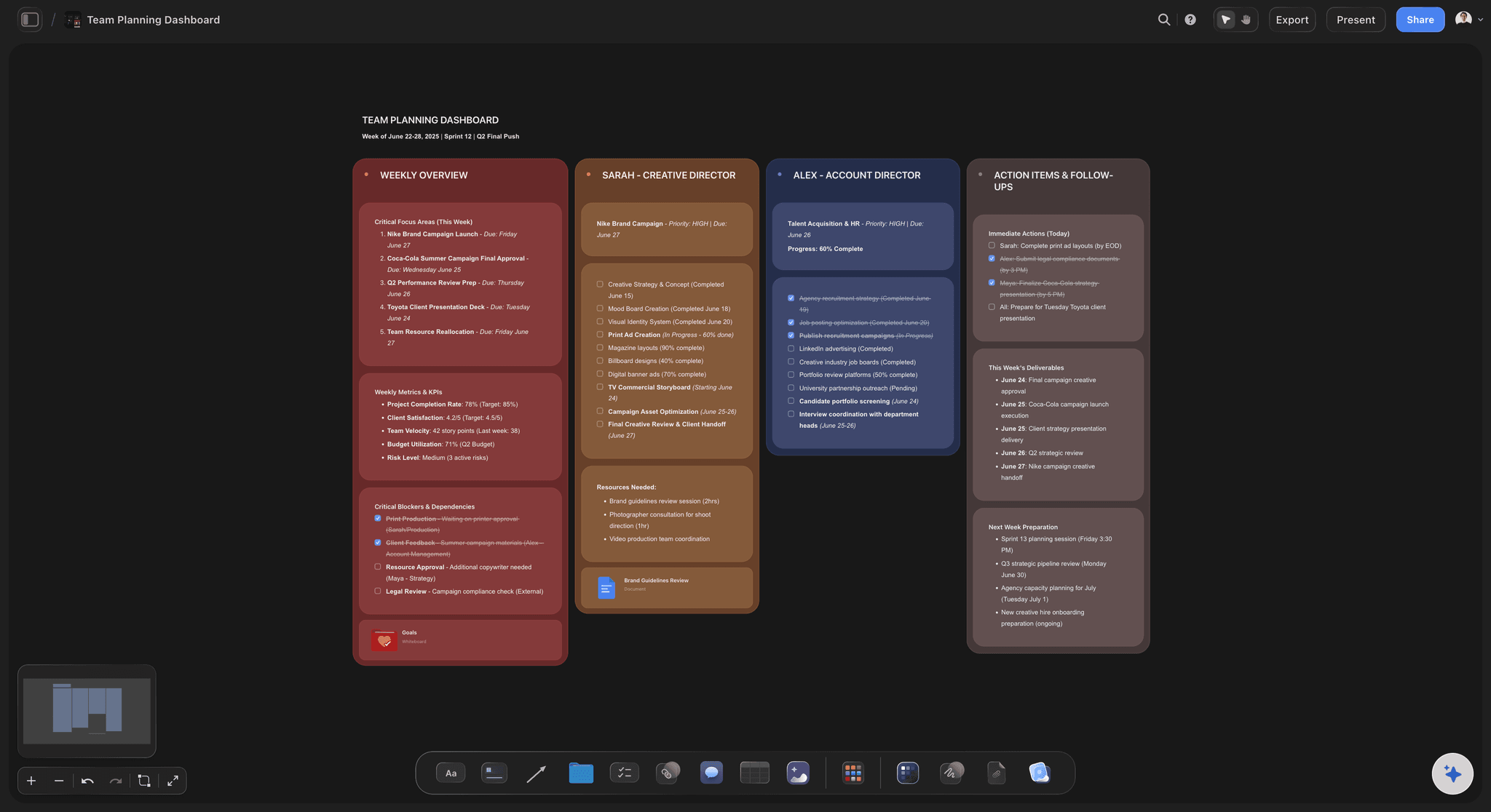
Solo, in a team, or for a client
One board everyone plans from
View-only links for clients: Send a link and a client sees the strategy and the month together in a browser with no account. Approving a plan is a shorter conversation than approving thirty individual posts.
The person making the content sees why: A post card that carries the pillar it serves and the audience it is for produces better work than a card carrying only a date and a caption.
Comments on the post in question: Feedback on an angle sits on that post rather than arriving as item four in a message about six things.
Explore templates for your project
Every template opens as a real, editable board on the infinite canvas. Pick the closest fit and make it your own.
Content Calendar
Plan what you post and when across every channel on one calendar.
One app instead of five
Storyflow vs Later, Buffer, and Notion.
These do different halves of the job: Later and Buffer schedule and publish to the platforms, and Notion is a strong content database. None of them is trying to be a strategy surface. Here is where they differ.
Storyflow
Recommended
Strategy and calendar readable as one picture
AI drafts goal, pillars, formats, and a month
Posts connected to the pillar they serve
Drafts and assets attached to each post
Publishes and schedules to the platforms
Engagement and performance analytics
Later
Strategy and calendar readable as one picture
AI drafts goal, pillars, formats, and a month
Posts connected to the pillar they serve
Drafts and assets attached to each post
Publishes and schedules to the platforms
Engagement and performance analytics
Buffer
Strategy and calendar readable as one picture
AI drafts goal, pillars, formats, and a month
Posts connected to the pillar they serve
Drafts and assets attached to each post
Publishes and schedules to the platforms
Engagement and performance analytics
Notion
Strategy and calendar readable as one picture
AI drafts goal, pillars, formats, and a month
Posts connected to the pillar they serve
Drafts and assets attached to each post
Publishes and schedules to the platforms
Engagement and performance analytics
What creators are saying
Join early creators getting structured workspaces and AI that remembers their projects
“Storyflow has sped up my workflow by at least 3x, which means more flow state and more projects I can actually ship. It truly changed the way me and my team create.”

Reilin Joey
Director & YouTuber
“One prompt gets me a structured board. But the tactics are my favorite. I run my YouTube scripts through them and my intros and retention got better. It's amazing.”

Justkay
YouTuber & Freelance Filmmaker
“I used to juggle five apps to plan a project. Now I describe what I am making and get boards, lists, and a schedule. All in one place.”

George
@fernwehchronicles
Social media plan questions, answered.
What a plan contains, how far ahead to work, and where plans fail.
A social media marketing plan connects what a business wants from social to what it posts. It has five parts: a goal stated as a change in the business, the audience and what they already believe, three to five content pillars, the formats each pillar takes on each platform, and the calendar underneath. In Storyflow all five sit on one board, so each planned post shows the pillar and the format it serves.
Storyflow is built for exactly this job: the goal, pillars and formats sit above a month of planned posts on one canvas, each post connected to the pillar it serves, with the references, drafts and assets beside it. Its AI drafts the plan and a first month of post ideas from a description of the business, and a client opens the board by link with no account. Posts are still scheduled and published in Buffer, Later or each platform's own tool.
Five layers, and most plans contain only the last one. A goal stated as a change in the business rather than as follower growth, because it determines which posts are worth making at all. An audience described by what they currently believe rather than by demographics. Three to five content pillars, being the themes you deliberately keep returning to. The formats each pillar takes on each platform, which is the layer that makes production sustainable and the account recognisable. And the calendar, which is what most people mean by a plan and is the least useful part on its own. Written in that order, the calendar almost fills itself, because each slot has a pillar and a format attached rather than being a blank date waiting for an idea.
A content calendar answers when you will post and a plan answers why those posts and not others. The difference shows up about three months in. An account working from a calendar alone publishes reliably, produces work that is individually fine, and accumulates nothing, because there is no mechanism forcing the pieces to relate to one another. An account working from pillars and formats builds a recognisable position, and the audience can describe what you are about, which is the actual asset. The calendar is still necessary; it is simply the output of the plan rather than a substitute for it, and keeping both on one board is what stops the plan becoming a document nobody reopens.
Fewer than you are on now, in almost every case. Two or three platforms served properly beats five served at token effort, because every platform has a threshold of frequency and native format below which nothing compounds. The useful exercise is to write the job each platform is doing: reaching strangers, deepening a relationship with people who already know you, or being findable when someone searches. If two platforms are doing the same job, one of them is redundant, and if a platform has no stated job it is there because it exists rather than because you decided. Deciding not to be somewhere is a legitimate part of a plan and it frees capacity for the platforms that are working.
Plan the structure for a quarter and the specific posts for two to four weeks. A quarter is the right horizon for pillars, formats, and any campaign or seasonal moment you need to prepare for, because those need lead time and they rarely change month to month. Specific posts are different: planning twelve weeks of individual content produces a schedule that is either out of date or that you follow rigidly past the point it is relevant, and both outcomes are worse than a shorter horizon. Two to four weeks is long enough to batch production, which is the main practical benefit, and short enough to respond to what is actually happening.
Not during early access. Storyflow is paid-only right now, with plans from $7.99 a month billed annually, and a Free plan launches before the end of 2026. Anyone a paid member invites to a board joins free today, so a client or a collaborator can view and comment without paying. If you need something free this minute, a spreadsheet with a row per post and columns for pillar, format, and platform does most of the analytical work, and Buffer and Later both have free tiers if what you actually need is scheduling. What the board adds is the strategy sitting on the same surface as the schedule, so an unbalanced month is visible rather than something you would have to count.
No, and it is worth being clear about it. Storyflow does not connect to social platforms, does not schedule, and does not publish, so you will keep using Buffer, Later, Hootsuite, or the platforms' own tools for that. It also does not pull in engagement analytics. What it does is the part those tools are not built for: the strategy layer, the pillars, the format decisions per platform, and the connection between a planned post and the reason it exists. Most teams using this run the board as the planning and production surface and then move finished posts into their scheduler, which is a copy step rather than an integration, and takes minutes per week.
It can draft the structure well and it should not write in your voice. Given the business, the audience, and the platforms, the AI produces a complete plan: goal, candidate pillars, formats per platform, and a first month of post ideas. That is genuinely valuable because rejecting half of a draft is much faster than writing one, and because the AI does not run out of ideas at topic twelve the way a person does. What it cannot do is know what you actually believe that your competitors do not, which is the substance of a position, or write captions that sound like a person. Storyflow's AI structures and suggests; the voice and the point of view stay yours, and that is the part an audience is responding to.
Look at three things and in this order. Balance first: count the posts against each pillar over the last quarter, because a pillar you have not fed cannot be evaluated and this is the most common finding by a distance. Then performance per pillar rather than per post, since the question worth answering is whether a theme earns attention consistently rather than whether one post did unusually well. Then the qualitative signal, which is what people say you are about when they describe you back to you, in enquiries, in replies, in introductions. That last one is the actual goal and it moves slowly. A pillar with weak engagement can still be doing its job if it is why the right people arrive already convinced.
This is exactly the problem pillars solve, and needing an answer to it is the clearest sign a plan is missing. An account that posts when there is news posts rarely and unevenly, and the gaps are where an audience forgets you. Pillars are chosen precisely so that each one can produce content indefinitely without an external trigger: how you work, what you have learned, what you disagree with in your field, the questions customers actually ask, and the work itself in progress. If a pillar cannot generate a post in a week with no news, it is a campaign theme rather than a pillar, and it should be replaced with something that can carry a year.
Yes. Send a view-only link and a client, a stakeholder, or a freelancer opens the whole board in a browser with no account and no download, which makes approving a quarter's shape a much shorter conversation than approving thirty individual posts. If you want people contributing, invite them onto the canvas so a writer can see which pillar needs feeding and claim a slot with the reference already attached. Comments live on the post they concern, so a note about an angle stays with that angle. For a monthly report or a pitch, export the plan as a high-quality image or PDF.
More from Storyflow
Campaign management software
AI social media strategy generator
Content pillar planner
Social media content calendar
AI content calendar generator
Content calendar for creators
Content repurposing planner
Instagram content planner
TikTok content planner
AI content strategy generator
Campaign calendar
Marketing workspace
Media plan template
Influencer campaign plan
Client report template
Turn a campaign brief into a plan with Claude
30-day content plan example
Make the posts add up to something.
Open a canvas, describe the business, and let AI draft the plan. No download.