
Plan videos ultra fast, post on time
A founder-led content plan
that costs one afternoon a week.
Pillars from what you actually know, ideas from the questions customers ask you, one recording block a week, and every post and clip cut from it. Your views, your words; the board keeps the system running.


Creatives working for these brands already got early access
- Red Bull
- Canon
- Artlist
- Porsche
See how easy it is to get started
Watch a real project come together, from a blank board to a finished plan, clicked through step by step.
Start from a ready-made template
Pick a board to see what you can build, then let AI fill it in. Every template is a real, editable starting point on the same infinite canvas.

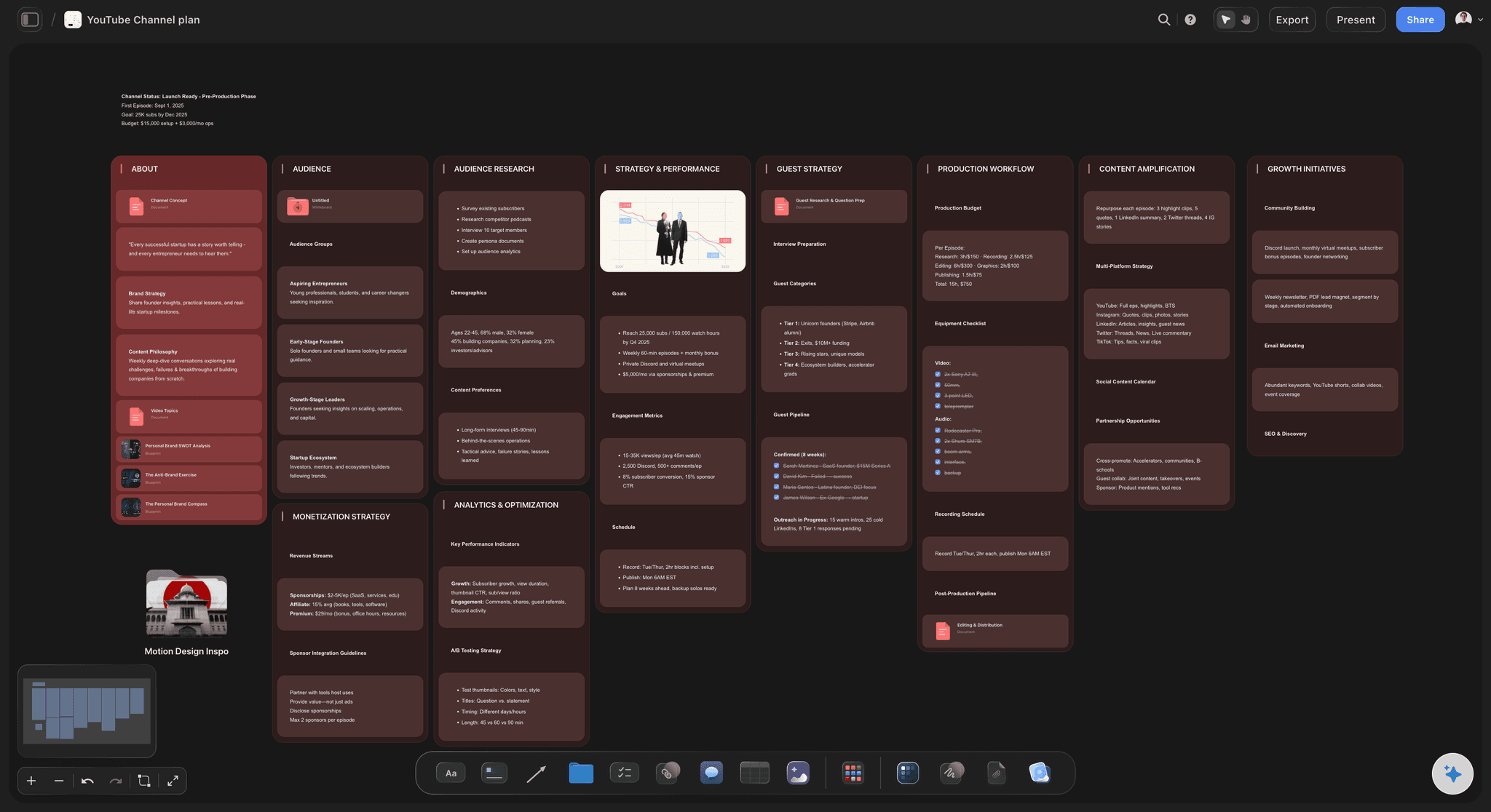
YouTube Plan
Plan a video from hook to outline to shot list, with references and thumbnail ideas sitting right beside it.
What is a founder-led content strategy?
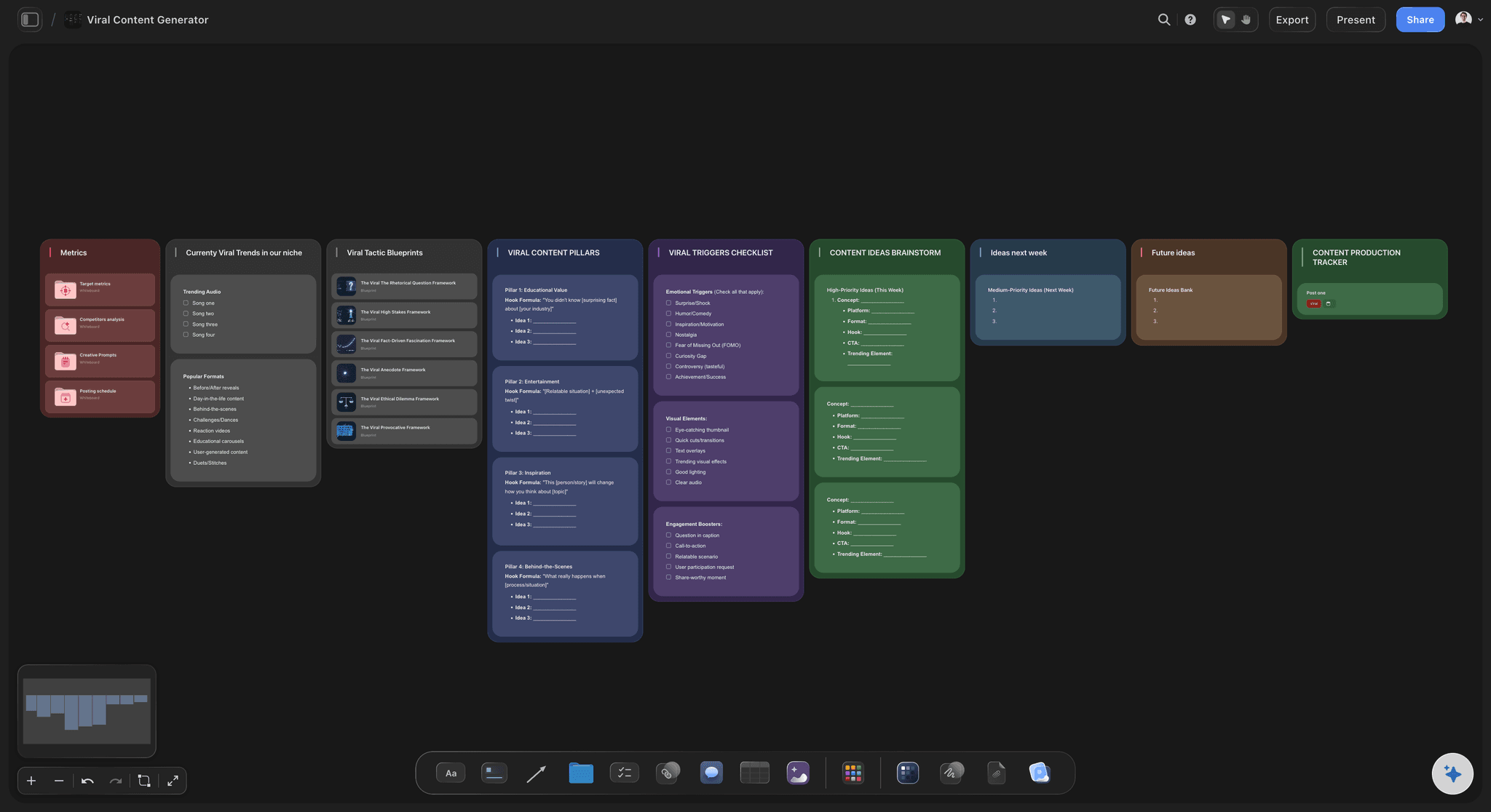
Founder-led content is the company's marketing told by the person who built it: what they learned, what they believe, what customers keep asking. Storyflow is an AI visual workspace that plans your founder-led content on one infinite canvas: three or four pillars, an idea bank from customer calls, a weekly slot to record, and outlines the AI drafts from your notes for you to rewrite in your own voice.
Pick pillars you could talk about for a year. Three or four is enough: the problem your customer has, how you are building the company, the opinion you hold that your market does not, and the product in use. Keep that last one to about one post in five, or the feed reads as an advert.
Record once, cut many. One block of 60 to 90 minutes a week, answering three or four questions from the idea bank on camera, is a common shape. It becomes a long video or podcast, four to six short clips, three written posts and a newsletter, edited by someone who is not you.
Your customers write the list. After every sales or customer call, note the one question they asked, in their words. A question three different customers ask is a post, and a question nobody asks is usually a post only you wanted to write. Keep twenty in the bank so no recording starts blank.
Ultra fast from brief to board
One recording, a week of posts.
Four steps, about three hours of the founder's week.
01
Start from your pitch and your sales calls
Your pitch, a few sales call notes, the questions investors and customers keep asking. The AI drafts your pillars and a first idea bank on the board for you to cut down to what you would actually say.
02
Pick this week's three questions
Thirty minutes on Monday: choose three ideas from the bank, one per pillar, and write the one-line answer to each. That line is the take; the recording is you explaining it.
03
Record the block
Sixty to ninety minutes, camera on, answering each question twice: once long, once in under a minute. Use whatever you record with; the plan tells you what to say, not how to film it.
04
Cut it per channel, then approve
Paste the transcript and the AI drafts post outlines and clip picks per channel on the board. You or your editor rewrite them, and nothing goes out that you have not read in your own words.
Pillars, ideas and the week's recording, in one place.
What you will say and when you record it, where your editor can see it.
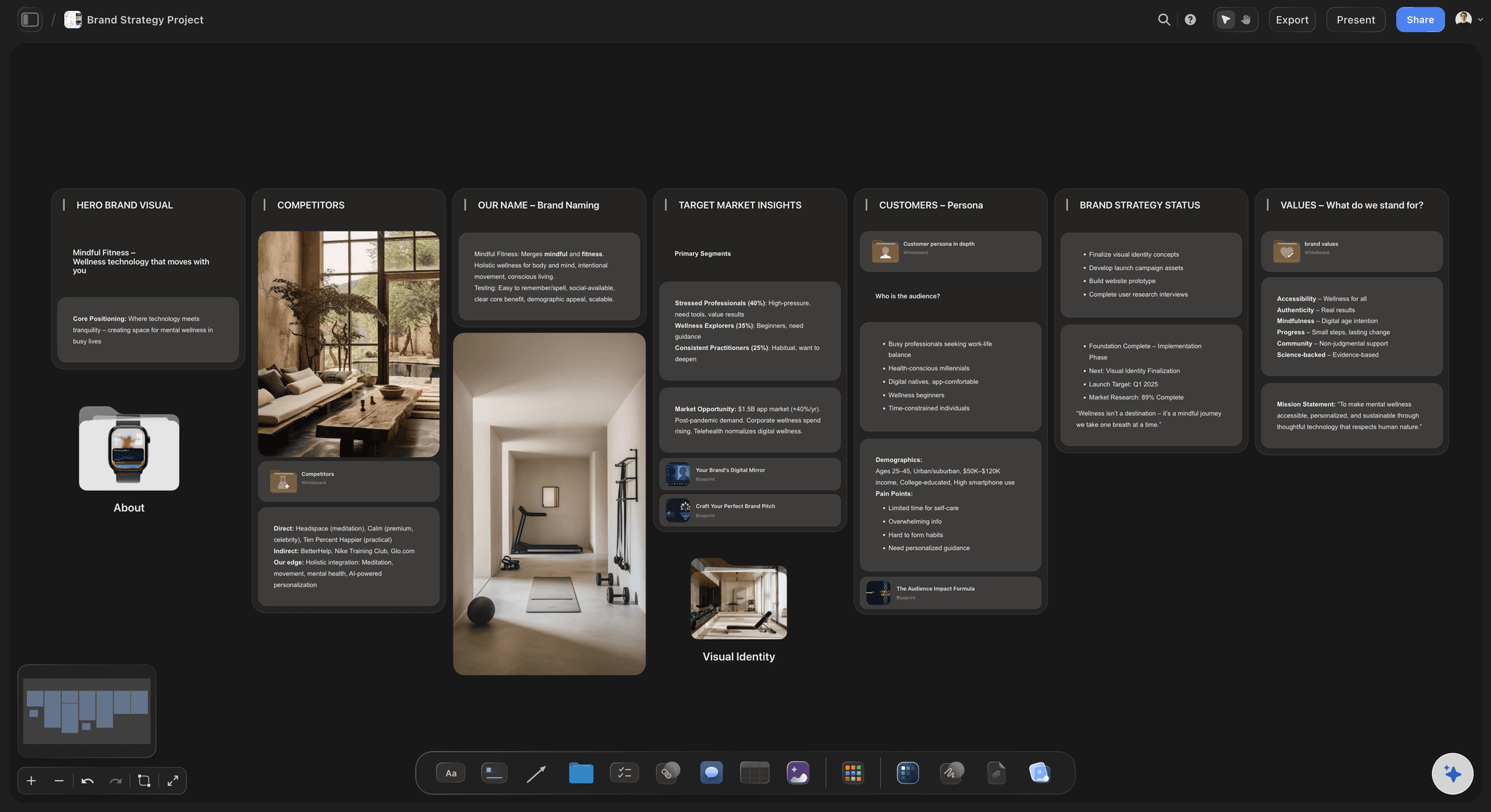
What you are allowed to talk about
Pillars from real expertise
Each pillar with the questions it answers, the formats it suits and two posts that already worked. The AI's content planner workflow drafts pillars and repurposing for your company, which you then cut to the ones you would defend on a call.
See the content pillar planner →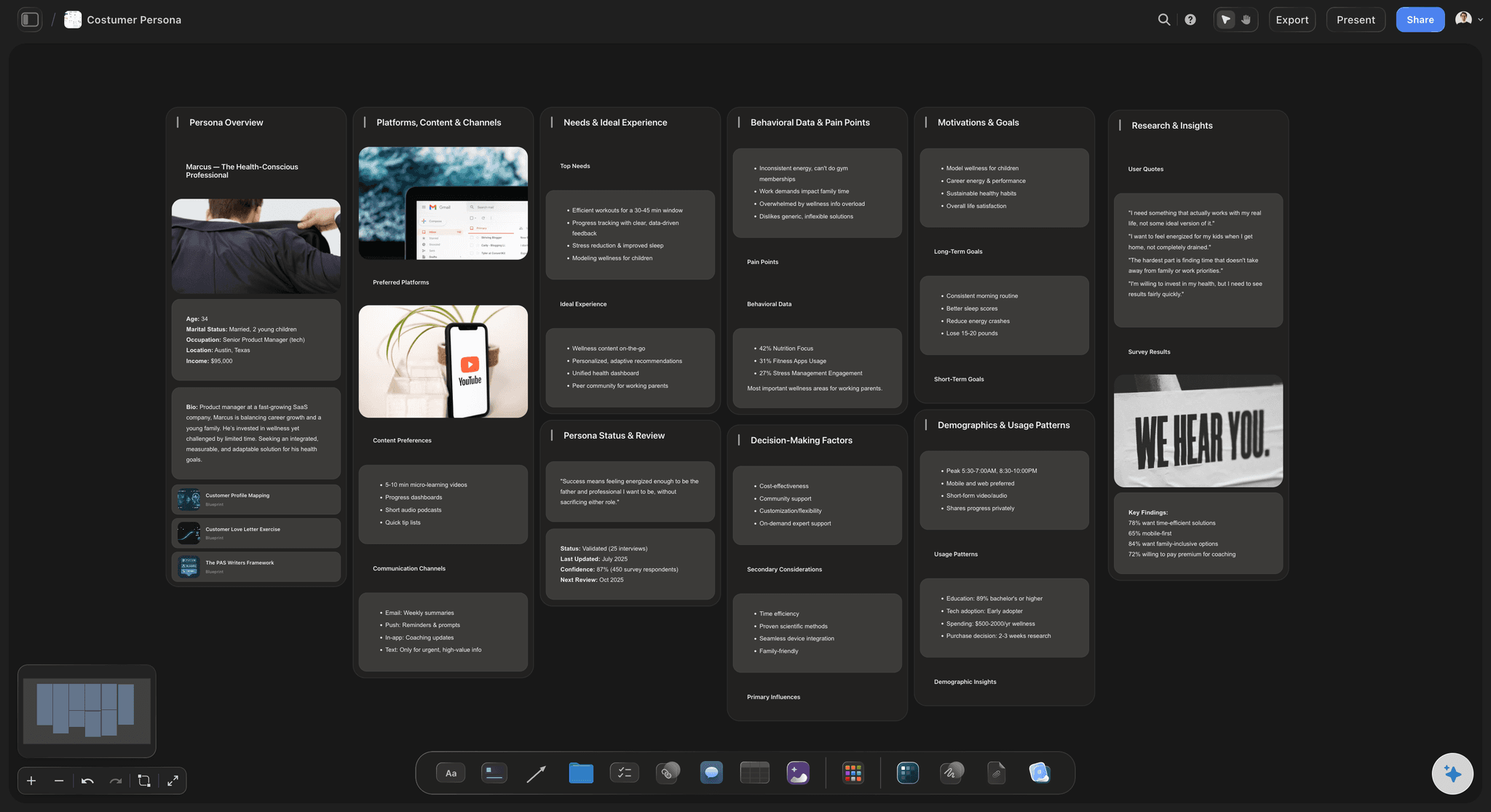
Where ideas collect
Questions buyers keep asking
Customer questions in their exact words, grouped by pillar, with a count of how many people asked. Attach up to five documents, such as call notes or a pitch deck, and the AI groups the questions for you to check.
See the AI content idea generator →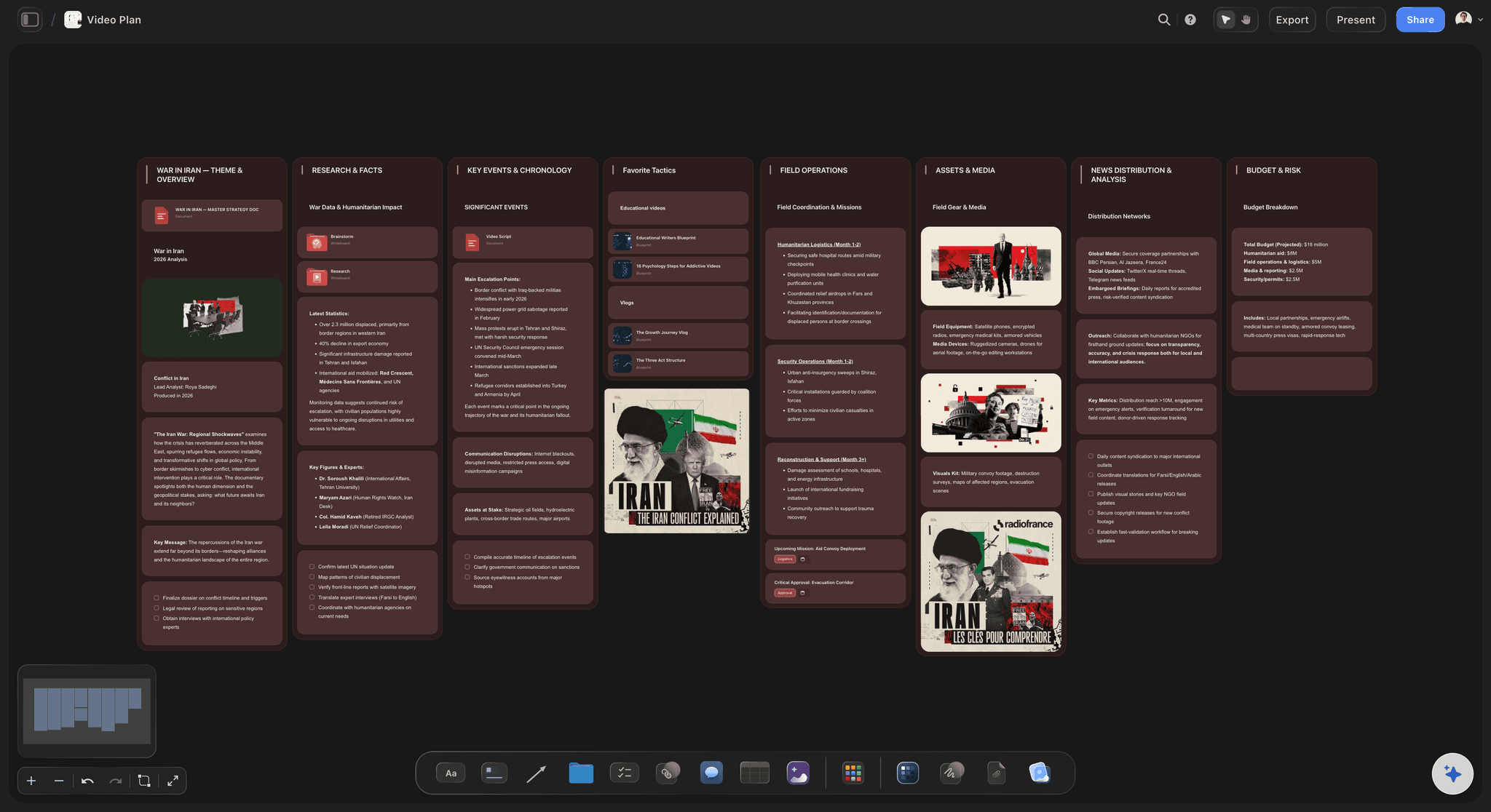
The long piece, planned
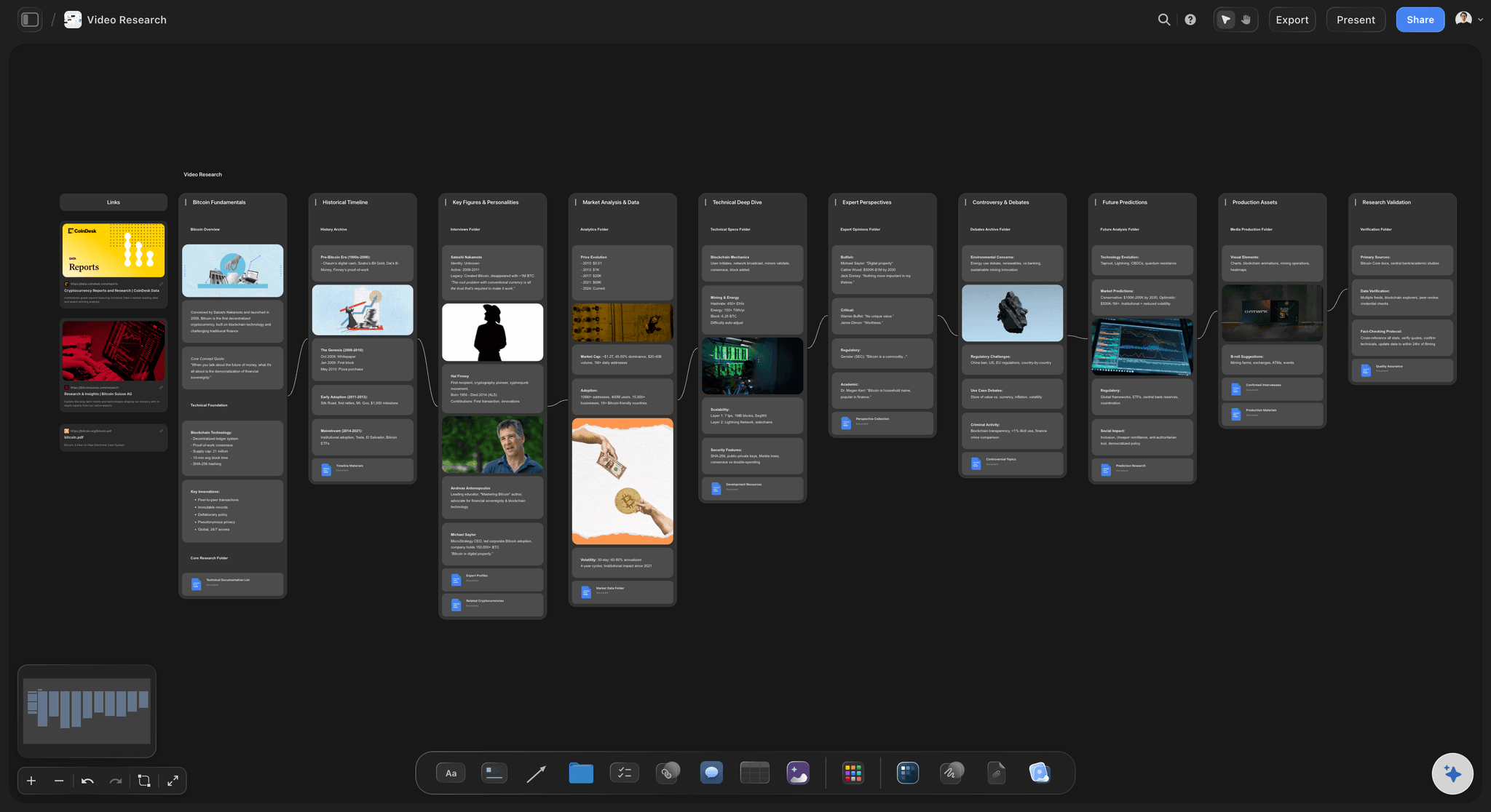
A YouTube video or podcast outline
The question, your answer, the story that proves it, the example from your product, the close. The AI's YouTube video plan workflow drafts the outline, title options and the short clips to cut from it.
See the YouTube video planner →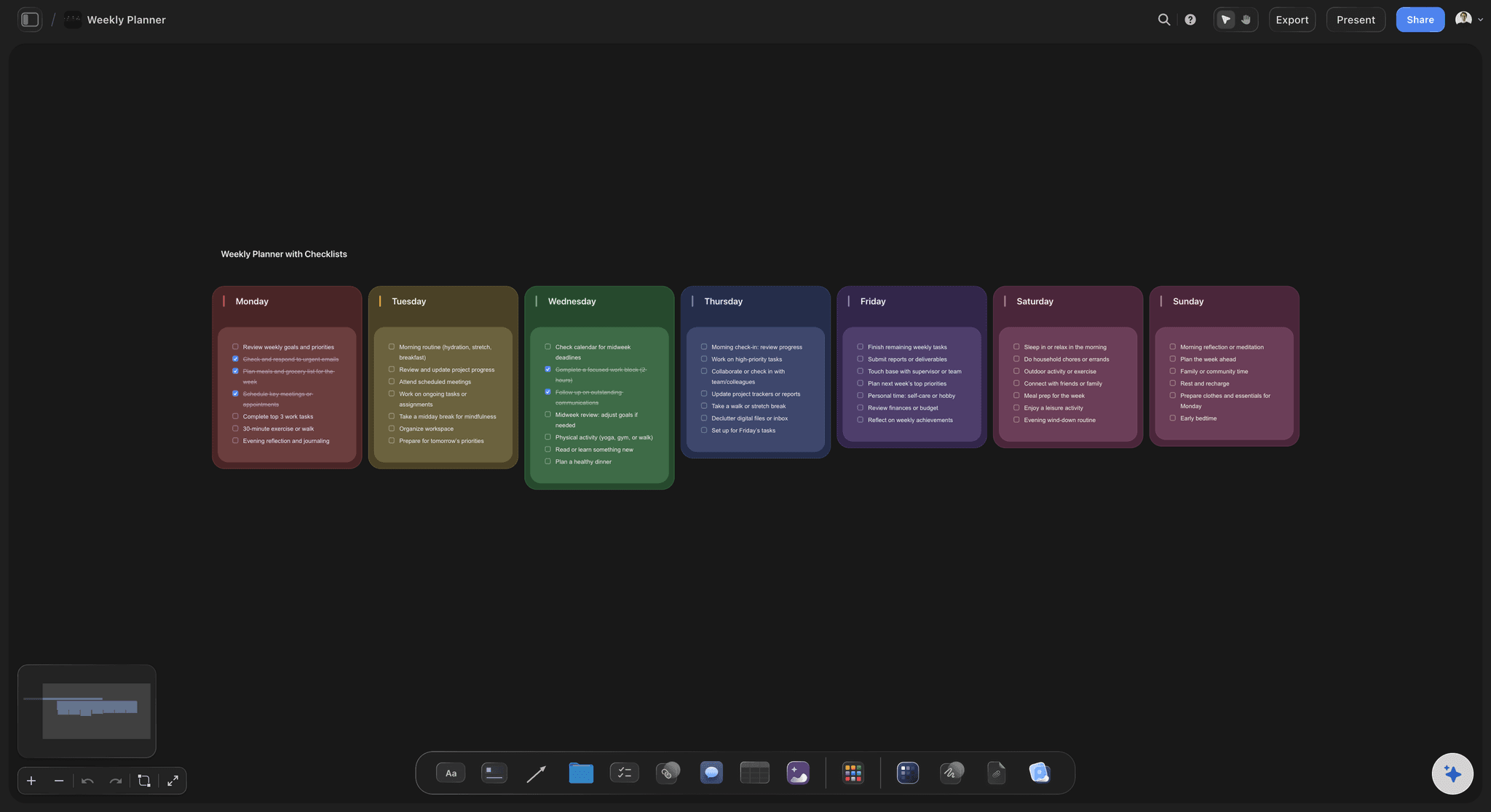
One link for whoever helps
Shared with a co-founder or an editor
Your editor reads the week's plan from a view-only link, and once signed in can comment on a clip pick or a draft line. Invite them to the board to edit it with you in real time.
See Storyflow for startups →A plan that survives a busy quarter.
The pillars, the idea bank and every week's plan stay on the board, so a missed week is a gap, not a restart. Storyflow is paid-only during early access, with plans from $7.99 a month billed annually ($9.99 monthly). A free plan launches before the end of 2026, and anyone a paid member invites to a board joins free.
Unlimited boards, video uploads and files on every paid plan
AI that drafts pillars, outlines and post ideas from your notes, for you to rewrite
Up to five documents and three other boards attached as context for the AI
View-only links, whole-board PDF export and real-time editing with invited collaborators
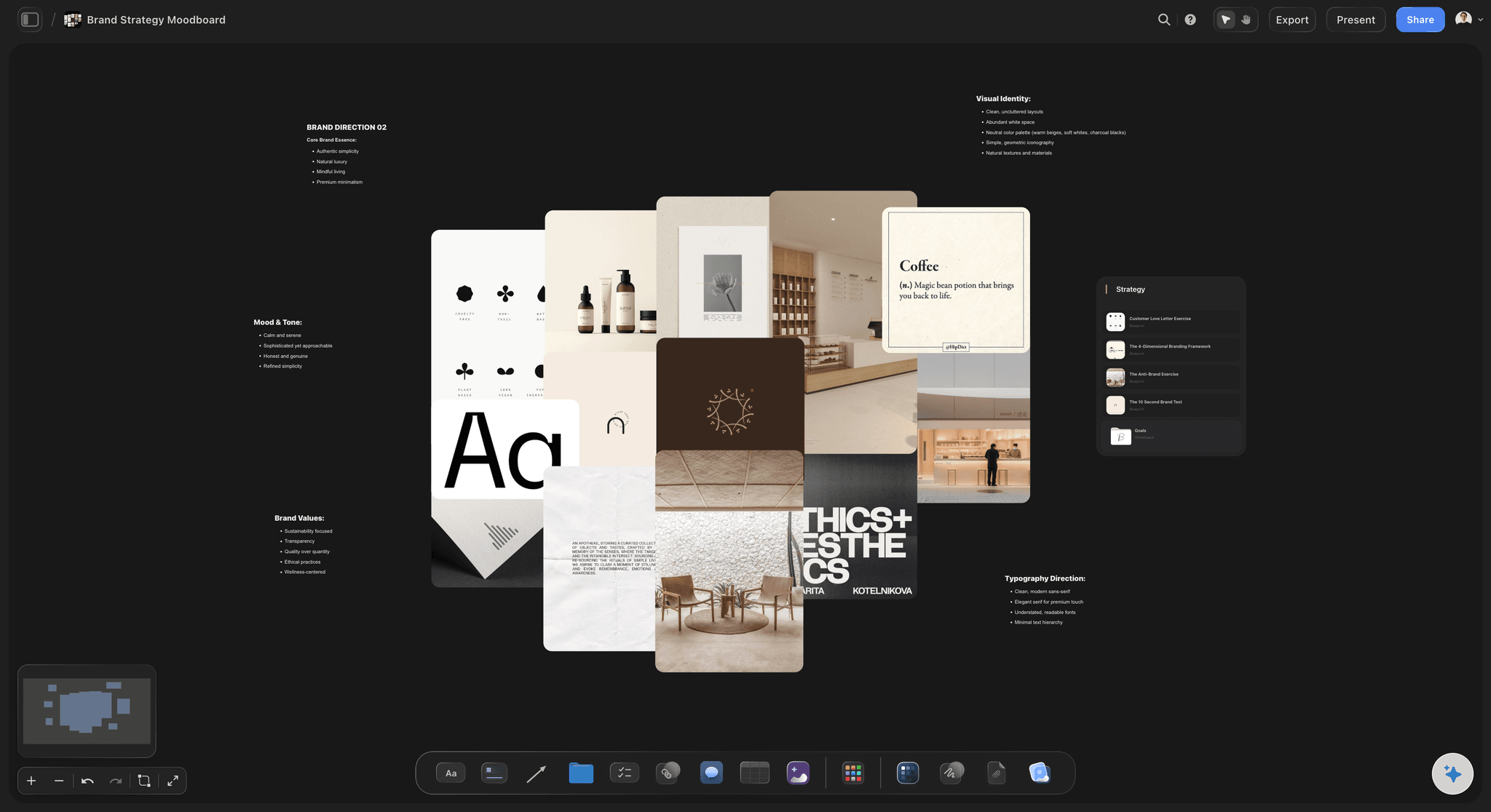
Built for people with taste
The founder content system, in four parts.
Copy this into any tool. It is built around the founder's scarcest input, which is time, and their best one, which is what customers tell them.
Part 1
Pillars you can defend
The customer's problem: What you learned from talking to buyers that they do not know yet. This pillar earns trust, and it is where most of the posts that reach new people come from.
Building the company: Decisions, mistakes, hiring, what a number taught you. Share only the numbers your investors and co-founders would be happy to see in public.
The opinion your market does not hold: One belief you would argue for on stage. Without it, founder content sounds like every other company's blog.
The product in use: Customer stories and demos, about one post in five. Get the customer's written permission before you name them or show their screen.
Part 2
The idea bank
Capture after every call: One line per call: the question the customer asked, verbatim, and the pillar it fits. Two minutes, straight after hanging up, before the next meeting eats it.
Count repeats: Mark each time a question comes up again. The ones with three or more marks are next week's recording.
Keep twenty in reserve: A bank below ten means the Monday pick becomes a Monday brainstorm, which is how founder content stops in week six.
Part 3
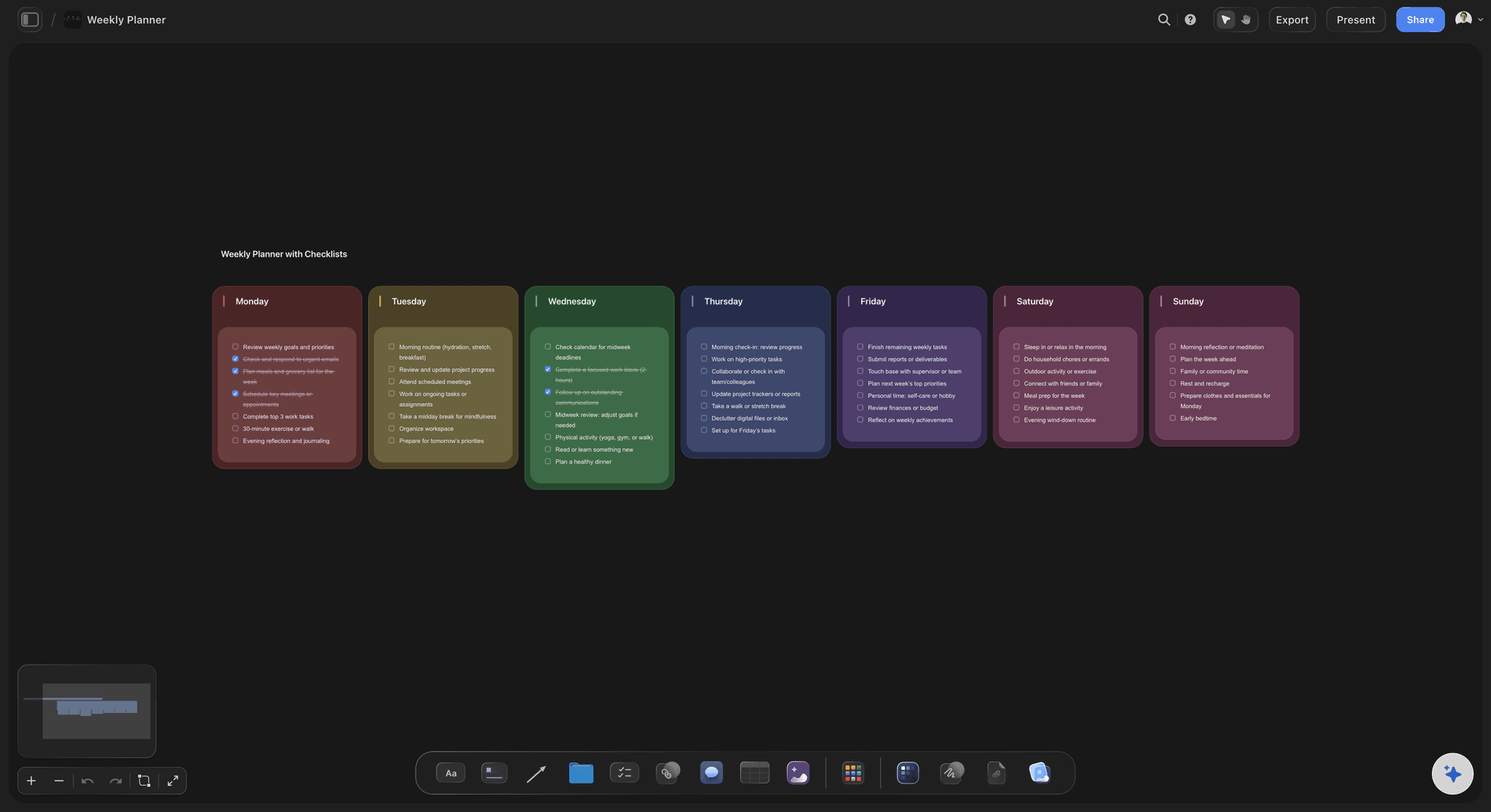
The weekly cadence
Monday: pick three questions: Thirty minutes. One question per pillar, and the one-line answer you will give to each.
Midweek: one recording block: Sixty to ninety minutes in the calendar, the same slot every week, protected like a board meeting. Batch two weeks in one block when travel is coming.
Friday: approve the drafts: Thirty to sixty minutes reading what was cut from the recording. Change anything that does not sound like you; delete anything you would not say to a customer.
Part 4: the formats
Formats per channel
LinkedIn: Text posts of 150 to 300 words that open on the customer's question, a document carousel when there is a framework, and short native video. Two or three posts a week is a common founder rhythm.
YouTube or a podcast: One 10 to 20-minute piece every week or two, answering a question in full. It feeds everything else, and it is the one that keeps being found months later.
Short video: Clips of 30 to 60 seconds cut from the recording, each opening on the question in the first line. Vertical 9:16, captions on.
Newsletter: The week's best answer, written up, to the people who asked to hear from you. It is the one channel whose audience the platform cannot take away.
Explore templates for your project
Every template opens as a real, editable board on the infinite canvas. Pick the closest fit and make it your own.
YouTube Plan
Plan a video from hook to outline to shot list, with references and thumbnail ideas sitting right beside it.
One app instead of five
Taplio and Buffer post it. Where is it planned?
Storyflow is where the plan and the ideas live. Taplio writes and schedules for LinkedIn, Buffer schedules across channels, and Notion holds a written plan as pages.
Storyflow
Recommended
Content plan laid out on a freeform canvas
Plans YouTube and short video as well as LinkedIn
Reference videos play beside the outline
Posts scheduled and published to LinkedIn
LinkedIn post analytics
Taplio
Content plan laid out on a freeform canvas
Plans YouTube and short video as well as LinkedIn
Reference videos play beside the outline
Posts scheduled and published to LinkedIn
LinkedIn post analytics
Buffer
Content plan laid out on a freeform canvas
Plans YouTube and short video as well as LinkedIn
Reference videos play beside the outline
Posts scheduled and published to LinkedIn
LinkedIn post analytics
Notion
Content plan laid out on a freeform canvas
Plans YouTube and short video as well as LinkedIn
Reference videos play beside the outline
Posts scheduled and published to LinkedIn
LinkedIn post analytics
What creators are saying
Join early creators getting structured workspaces and AI that remembers their projects
“Storyflow has sped up my workflow by at least 3x, which means more flow state and more projects I can actually ship. It truly changed the way me and my team create.”

Reilin Joey
Director & YouTuber
“One prompt gets me a structured board. But the tactics are my favorite. I run my YouTube scripts through them and my intros and retention got better. It's amazing.”

Justkay
YouTuber & Freelance Filmmaker
“I used to juggle five apps to plan a project. Now I describe what I am making and get boards, lists, and a schedule. All in one place.”

George
@fernwehchronicles
What founders ask before they start posting.
Pillars, hours per week, ideas, channels, ghostwriters and AI.
Storyflow is the planning tool for a founder who makes their own content: pillars from your expertise, an idea bank from customer calls, a weekly recording block and what it becomes per channel, on one board a co-founder or editor opens by link with no account. For scheduling and analytics, use Taplio if LinkedIn is your only channel, or Buffer across LinkedIn, YouTube and short video.
Content made and fronted by the founder rather than a brand account: posts, videos, podcasts and newsletters about the customer's problem, how the company is being built, what the founder believes, and the product in use. The founder's name and face are on it, and so are their opinions, which is why it cannot be fully handed to someone else.
Pick three or four you could talk about for a year without research: the customer's problem, building the company, an opinion your market does not share, and the product in use. Test each against your idea bank; a pillar with no customer questions behind it is one you want to talk about, not one buyers want to hear.
About three hours of the founder's week is a workable shape: thirty minutes to pick three questions, sixty to ninety minutes recording, and thirty to sixty minutes approving what was cut from it. Editing, captioning and posting take longer, and they are the part to hand to an editor or a studio.
From customers. After each sales or customer call, write down the one question they asked in their exact words and the pillar it fits. When three people have asked the same thing, record the answer. Investor questions, support tickets and objections from lost deals are the next best sources.
Start where your buyers already look you up. B2B buyers usually check a founder on LinkedIn; consumer brands often reach buyers through short video; a product that needs explaining suits long YouTube videos. Pick one main channel for the first three months and cut clips for the others from the same recording rather than making separate content.
Answer three questions on camera, each once in full and once in under a minute. The full answers become a long video or podcast; the short ones become clips; the transcript becomes two or three written posts and a newsletter. Plan the cuts before you record, so the one-minute versions open on the question.
Only from what you have already said; it cannot hold your opinions for you. Storyflow's AI drafts pillars, outlines and post ideas from your call notes and transcripts, on the board, for you to rewrite. It is not a ghostwriter: the opinions, stories and final words are yours, and Undo removes any AI change you did not want.
An editor who works from your recordings and your idea bank helps; a writer who invents your views does not, because buyers meet you on the call and notice. The workable split is that you supply the thinking once a week and someone else shapes and posts it, with your approval on each piece.
Watch conversations, not likes: replies from people who could buy, demo requests or intro calls that mention a post, and questions in sales calls that start from something you said. Give a channel twelve weeks of steady posting before you judge it, and keep a note on the board of which posts started those conversations.
No. Storyflow is where the pillars, ideas, recording plan and drafts live. Publishing and analytics belong in the platforms themselves, or in Taplio for LinkedIn and Buffer across several channels. Plan and approve on the board, then post from the tool you already use, and bring the posts that started conversations back to the idea bank.
Not during early access. Storyflow is paid-only during early access, with plans from $7.99 a month billed annually ($9.99 monthly). A free plan launches before the end of 2026, and anyone a paid member invites to a board joins free, so your editor or co-founder does not need a plan of their own.
More from Storyflow
Content planning tool
Storyflow for startups
Storyflow for solopreneurs
In-house content production
YouTube video planner
Content pillar planner
Content repurposing planner
AI content idea generator
Content studio workflow
Go-to-market plan
How to repurpose one video into a month of posts
What is a content pillar
How to plan a quarter of content in one session
Pricing
AI tools for content creators
Personal brand plan
Say it once a week. Let it work all week.
Paste your call notes, pick three questions, and plan the recording that feeds every channel.