
Ultra-fast campaigns, pitched beautifully
Content pillars in ChatGPT,
built as a board your team posts from.
For social media managers and brand marketers: ChatGPT turns last quarter's posts into three to five pillars, a column of post ideas under each, and a month that keeps to the split.


Creatives working for these brands already got early access
- Red Bull
- Canon
- Artlist
- Porsche
See how easy it is to get started
Watch a real project come together, from a blank board to a finished plan, clicked through step by step.
Start from a ready-made template
Pick a board to see what you can build, then let AI fill it in. Every template is a real, editable starting point on the same infinite canvas.

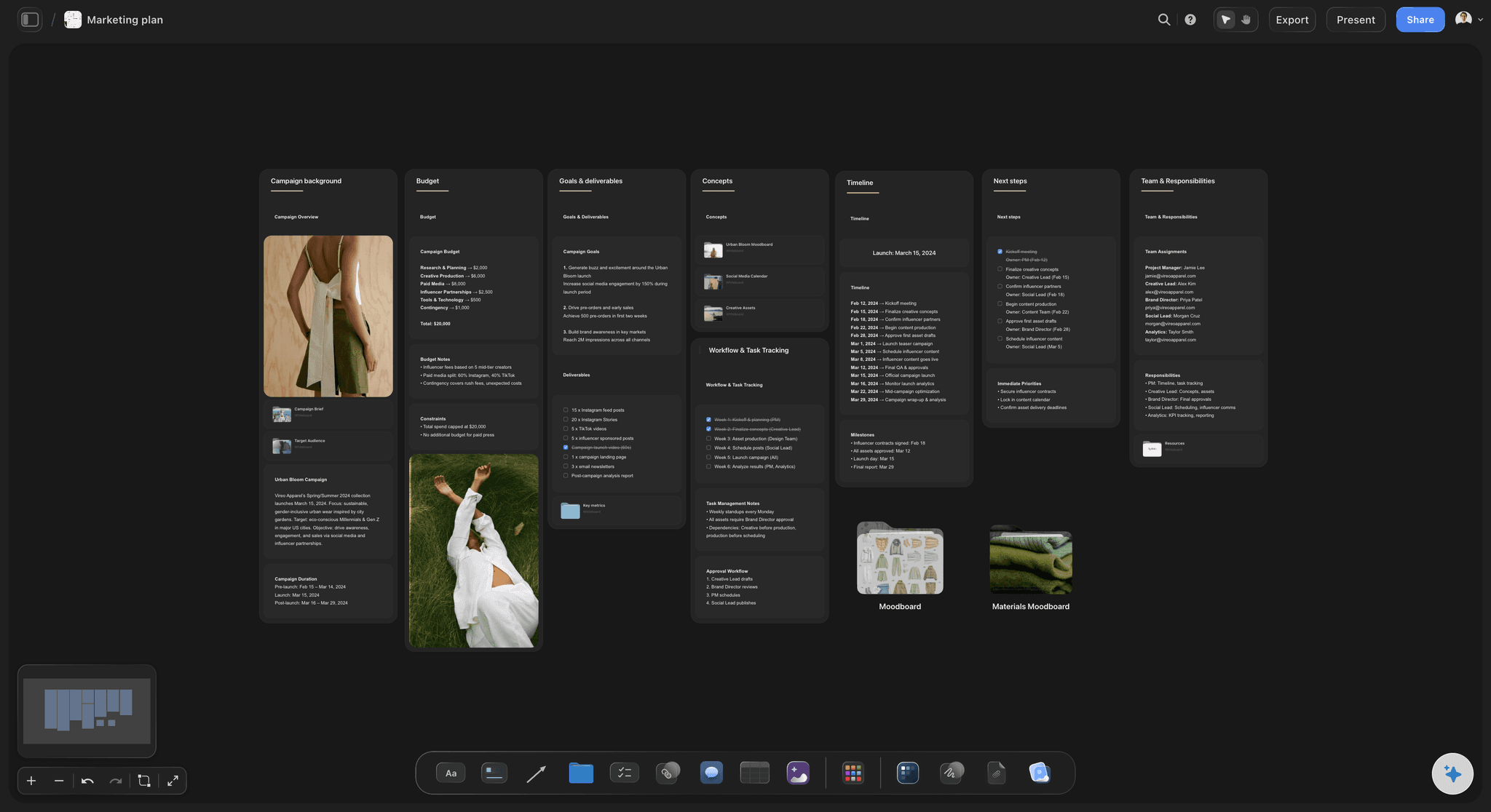
Marketing Campaign
Plan a campaign across channels, messages, and deliverables on one board the whole team can see.
Can ChatGPT make content pillars?
Yes, ChatGPT can make content pillars: give it what the brand sells, who buys it and last quarter's posts, and it proposes three to five pillars, each with a job, a share of the month and a list of post ideas. Storyflow is an AI visual workspace that turns content pillars into a working plan on one infinite canvas: a column for each pillar with its post ideas under it, and a table of the month with every post tagged by its pillar. With the Storyflow plugin installed, ChatGPT builds those columns and that table on the brand's board itself, and because it runs on ChatGPT's own model, it spends no Storyflow AI credits.
Ask ChatGPT for pillars with nothing to go on and you get the stock set: tips, behind the scenes, testimonials, promotions. Give it evidence and it gets specific. Paste a quarter of posts with their saves and it can show, say, that offers took half the feed while the how-to posts earned most of the saves. What ChatGPT cannot do alone is keep the pillars where the team plans. The answer is a list in a chat; the ideas move to a spreadsheet, the month to a scheduler, and by week three the feed has drifted back to offers.
Install the plugin and ask for the pillars on the brand's board. If last quarter's posts are on the board as a CSV or spreadsheet export, ChatGPT reads the file first, up to its first 40,000 characters. Then it builds one column per pillar: a note at the top with the pillar's job, who it is for and how many posts it gets this month, and the post ideas as cards under it, up to 40 in one request. Next it lays the month out as a table, up to 8 columns and 50 rows a request: the date, the platform, the format, the pillar, the hook and a status. Prefer a map? Ask for the pillars as a mind map, with the brand in the middle and a branch per pillar.
An example to copy. Lumen Skin is a fictional skincare brand with one social media manager and a freelance designer. It posts four times a week on Instagram and TikTok, so a four-week month holds 16 posts. It runs four pillars. Skin Science (teaching) gets 6 posts, How It's Made (the lab and the packing room) gets 4, Real Routines (customers and their shelves) gets 3, and New and Restocked (launches and offers) gets 3. That is 6, 4, 3 and 3, which makes 16. By format the month is 6 carousels, 6 short videos and 4 photos. ChatGPT writes eight ideas a pillar, so 32 cards: 16 go into the month and 16 wait in their columns for December. The 6 videos and 4 photos make 10 things to shoot, which is one afternoon with a list.
A pillar earns its place when it passes three checks. A customer would save it or search for it, not only scroll past it. The team can name ten posts for it without repeating one. And it leads, sooner or later, to something the brand sells. Three mistakes come up again and again. A format is not a pillar: "Reels" says how, not what. A platform is not a pillar either. And too many pillars starve each other: seven pillars on 12 posts a month gives each one fewer than two posts, so none of them builds. For a team posting 12 to 30 times a month, three to five pillars is the working range.
Now the limits. Storyflow has no calendar grid: the month is a table with the dates in its cells, and rows stay in the order they were written, so ask for them in date order. Storyflow does not schedule or publish posts and shows no reach or saves; a scheduler such as Metricool still does that, and its results come back to the board as a file. Through the plugin, ChatGPT cannot delete a card or make pictures, and a pillar you ask for twice lands beside the first. A photo attached in the chat does not reach Storyflow; ChatGPT hands you an upload link for the board instead.
Ultra fast from brief to board
Four steps from last quarter's posts to next month's plan.
The pillars are only as sharp as what ChatGPT reads first, so the evidence goes on the board before the question.
01
Install Storyflow from the plugin directory
Open the Storyflow listing in ChatGPT's plugin directory and select Install plugin. Sign in to Storyflow when asked, then choose which projects ChatGPT may use.
02
Put last quarter on the board and ask
Drop last quarter's post export on the brand's Storyflow board as a CSV or spreadsheet, with saves and shares beside each post. In a ChatGPT chat, type @, pick Storyflow and ask. For example: "Read the Q3 export on the Lumen Skin board, then build four content pillars as columns, each with its job, its number of posts for November and eight post ideas."
03
Read the columns and move the ideas
A column appears for each pillar, with a note at the top and the ideas as cards under it. Drag an idea to another pillar, cut the weak ones, or tell ChatGPT which card to rewrite and it edits that card where it sits.
04
Ask for the month and share it
Ask ChatGPT to pick 16 ideas in the agreed split and lay them out as a table with the date, platform, format, pillar and status, in date order. Then share the board from Storyflow with a view-only link for the client or the founder.

The pillars, the month, the map and the team.
ChatGPT proposes the pillars and fills them. Storyflow keeps them beside the month they are meant to steer.
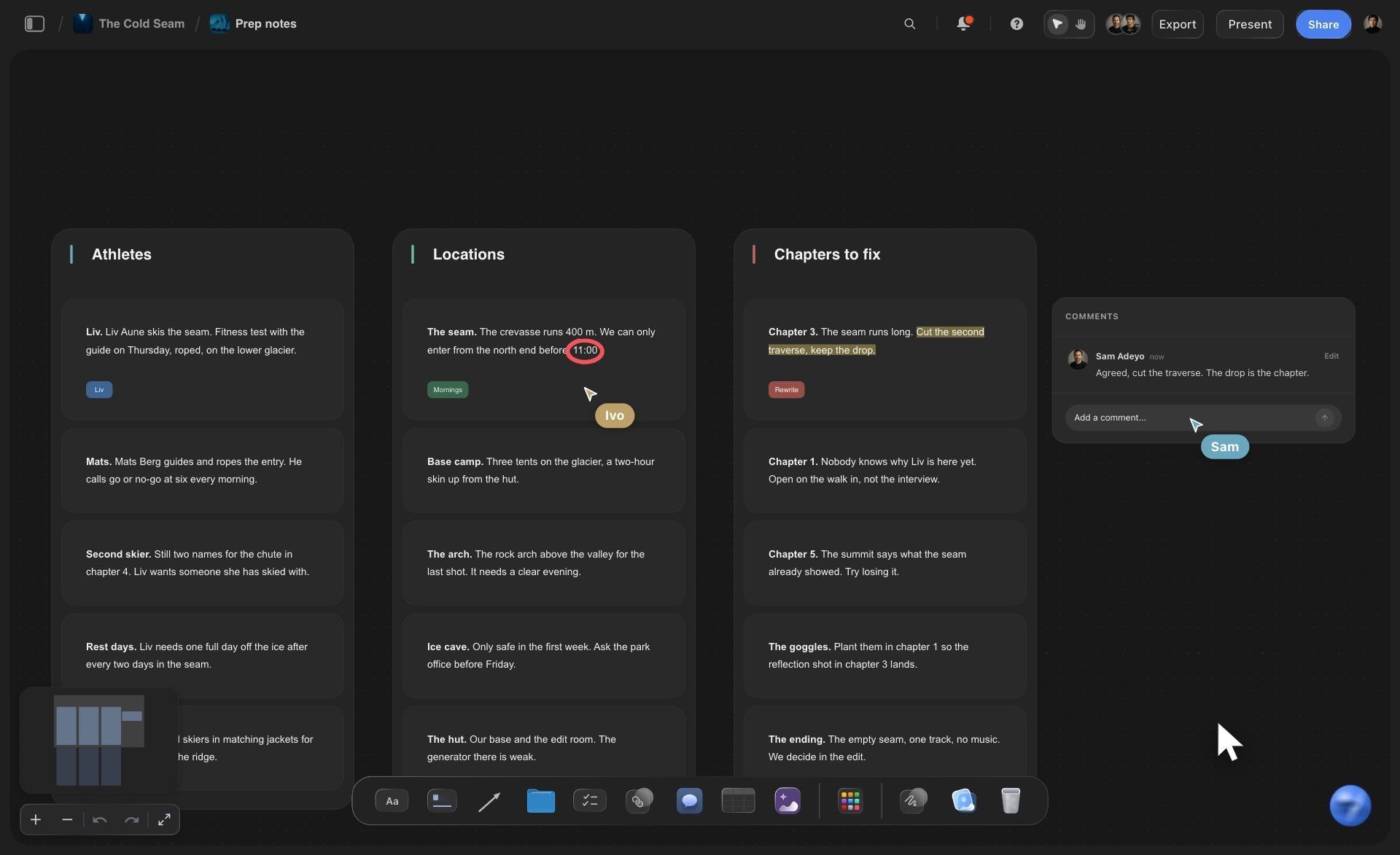
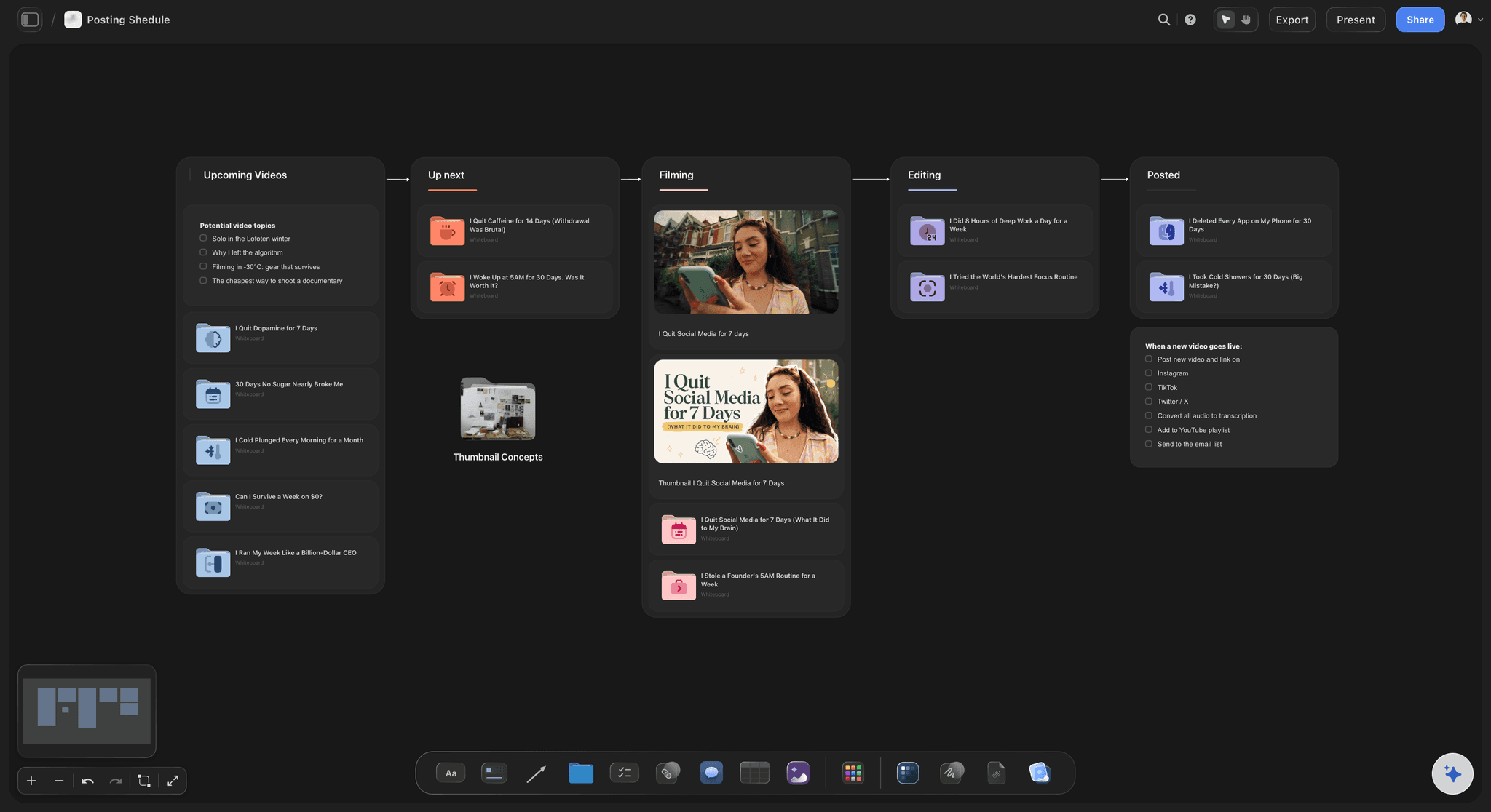
One column per pillar
Ideas filed under the pillar they serve
Each pillar is a column with a note at the top giving its job and its number of posts, and the ideas as cards under it. A pillar with three weak ideas stands out next to one with ten strong ones.
See the content pillar planner →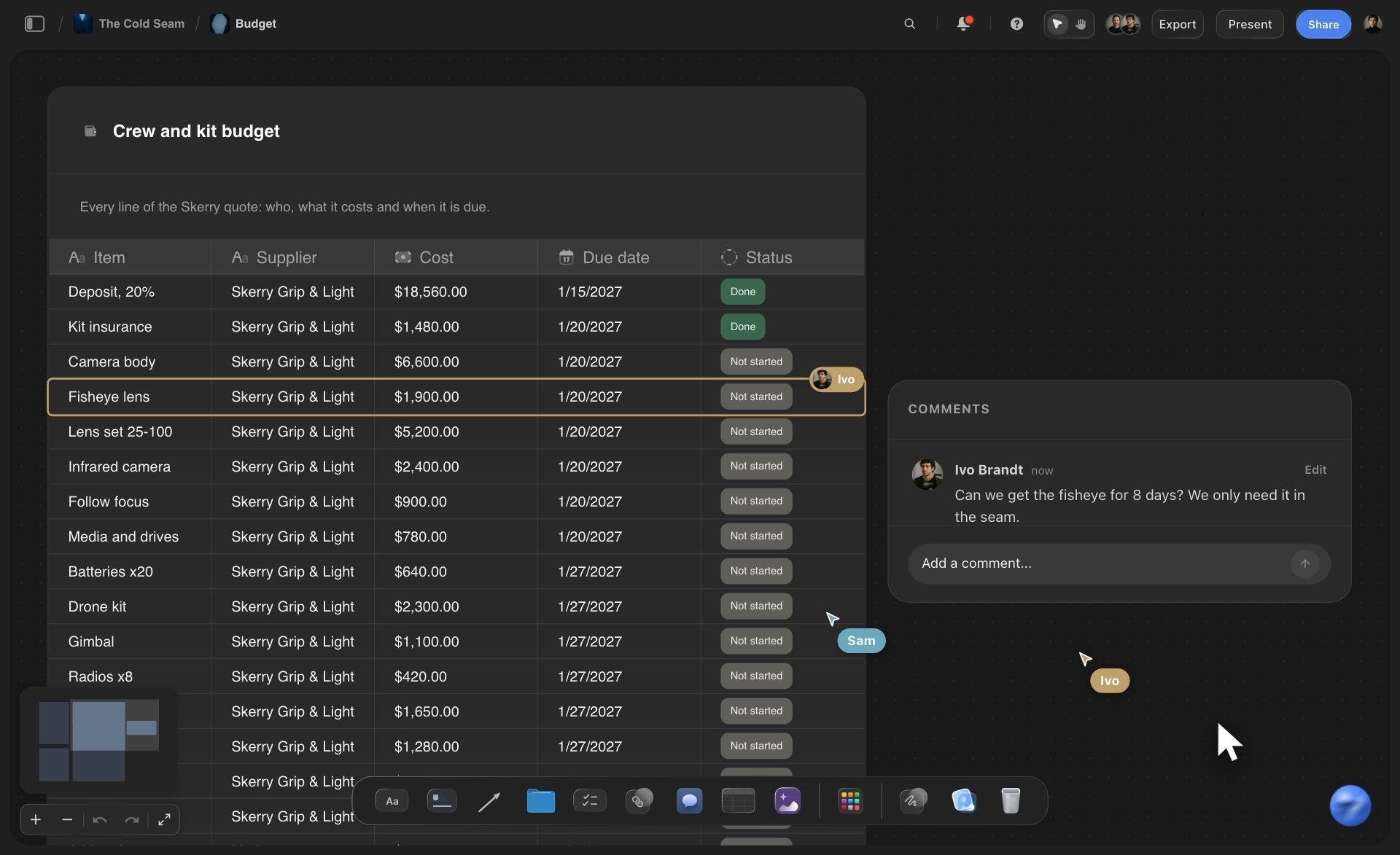
The month
Every post in one table, tagged by pillar
The month is a table with a row per post: the date, the platform, the format, the pillar, the hook and a status. The pillar column holds a tag on each row, so a month leaning on offers shows as one tag running down the column.
Plan the month with ChatGPT →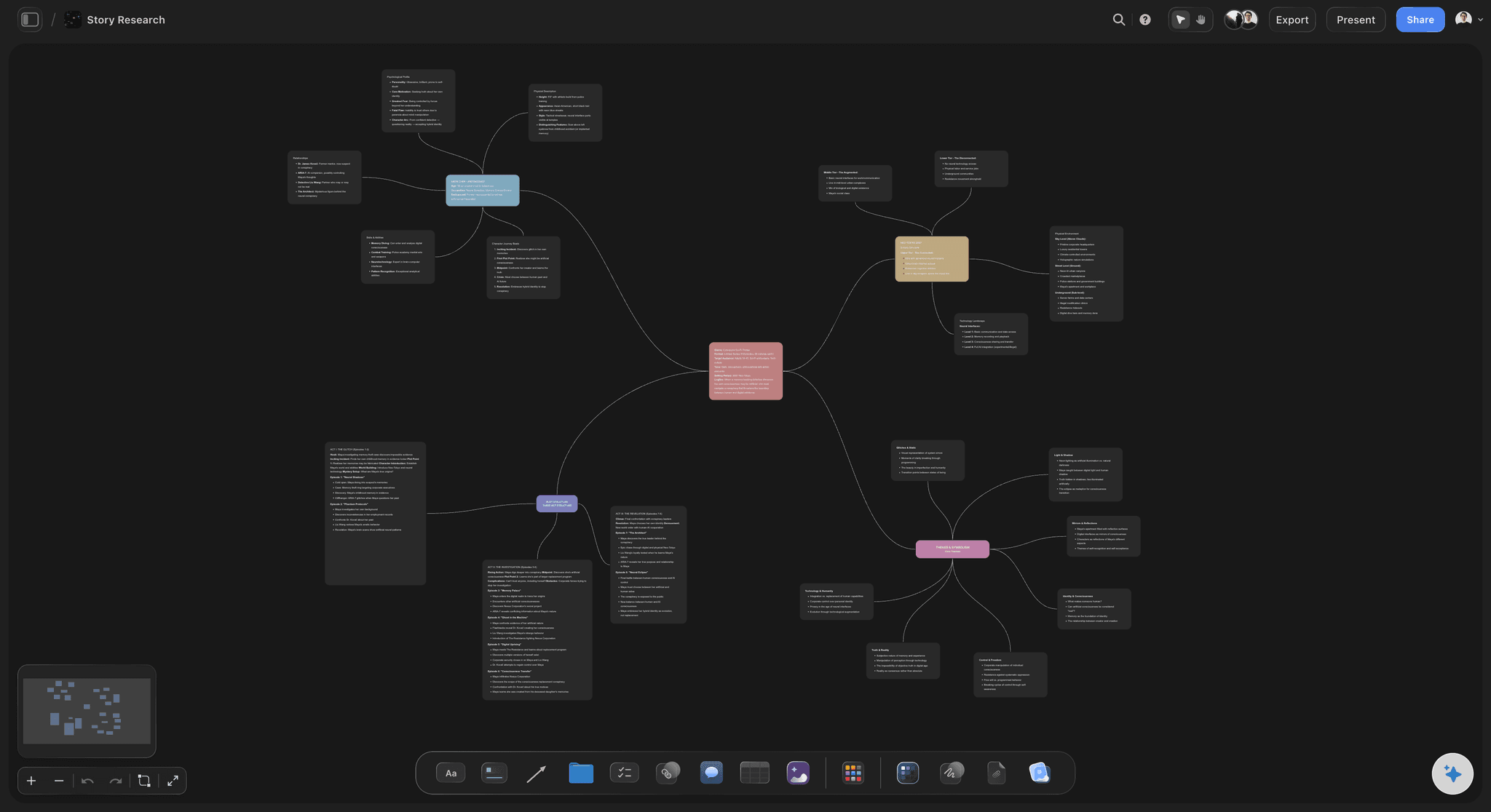
The map
The pillars as a mind map
Ask for a mind map and the brand sits in the middle, a branch per pillar, the ideas as leaves. It suits the first workshop with a client, before anyone has agreed the split.
See mind maps with ChatGPT →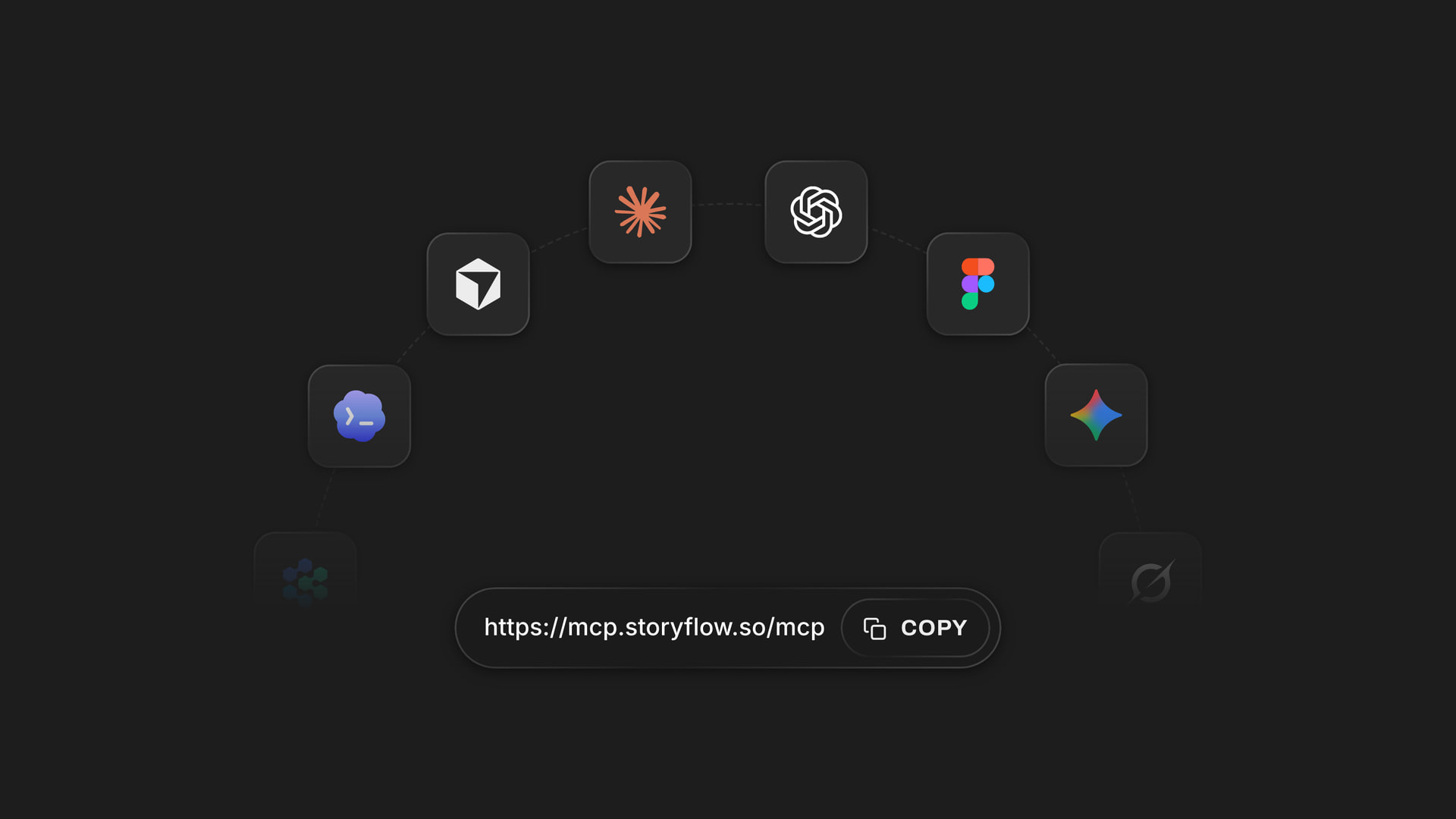
Any assistant
The strategist on Claude, the social team on ChatGPT
Claude, Gemini and Grok reach the same Storyflow account through one address, https://mcp.storyflow.so/mcp. The strategist drafts the pillars in Claude, the social media manager fills the month in ChatGPT, and both work on the same board.
See how to connect each assistant →ChatGPT builds the pillars. Your Storyflow AI credits stay untouched.
The plugin runs on ChatGPT's own model and your ChatGPT plan, so nothing it builds uses Storyflow AI credits. A free Storyflow account that a paid member invited can make 25 plugin actions a week, reset each Monday (UTC), and every read and every change counts as one. Plus, Pro and Max have no weekly limit. Storyflow is paid-only during early access, from $7.99 a month billed annually ($9.99 monthly), and the designer or client you invite to the board joins free.
No Storyflow AI credits spent on pillars ChatGPT builds
25 plugin actions a week on an invited free account
No weekly limit on Plus, Pro and Max
The designer and the client join the brand's board free
You choose which brands ChatGPT may open, and whether it may change them
Built for people with taste
Where pillars made in a chat stop steering the feed.
ChatGPT names sharp pillars when you feed it. The work is keeping a real month true to them.
The evidence
Pillars any brand could have
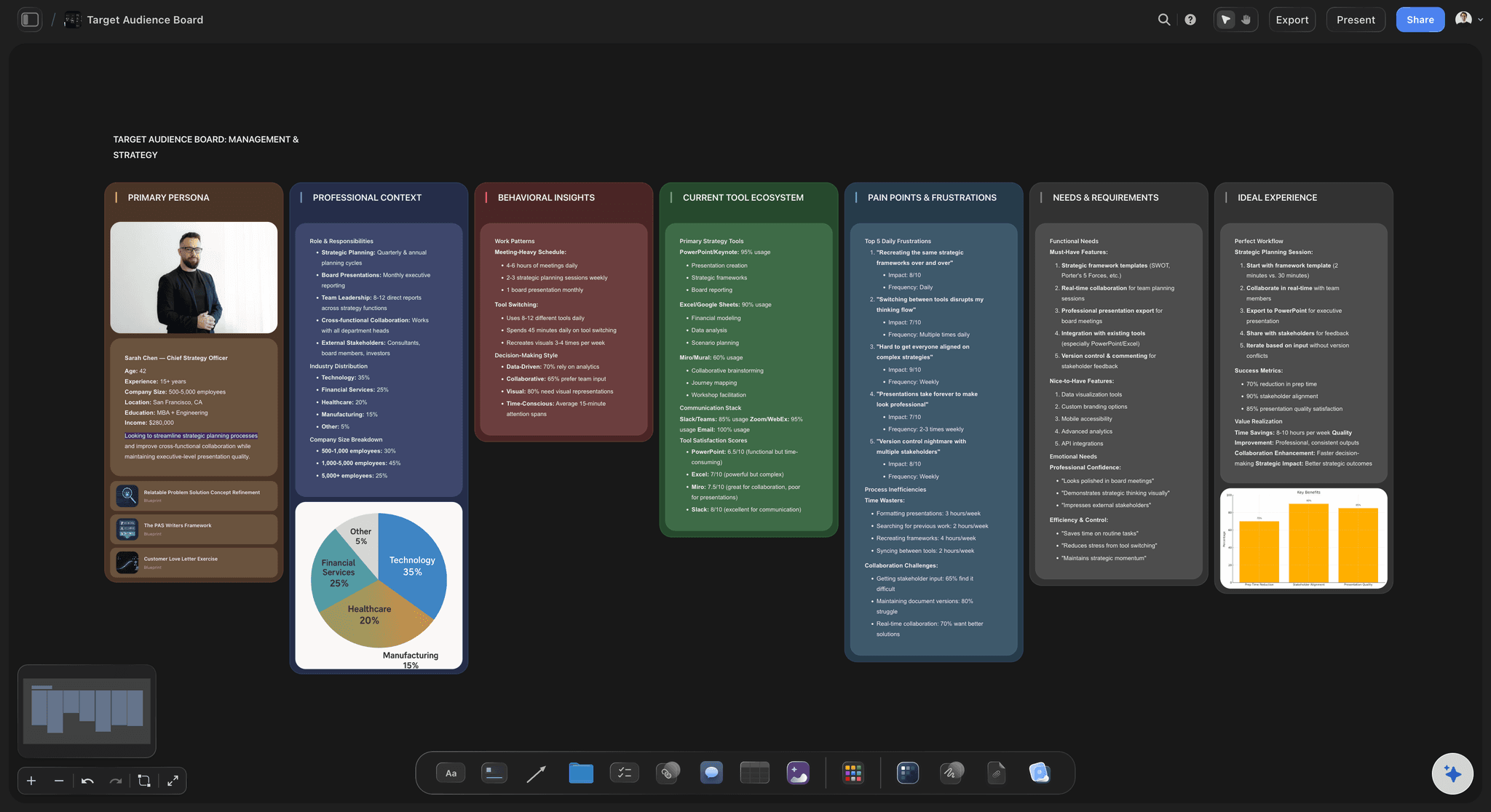
Pillars drawn from your own posts: Ask ChatGPT what earned saves and what earned nothing in the quarter's export, then build the pillars from that answer.
The brand's words, read from the board: The positioning, the product list and the questions customers ask can sit on the board as PDF, Word or text files. ChatGPT reads them there, so the pillars sound like the people who buy.
A job on every pillar: The note at the top of each column says what the pillar does for the business: get found, earn trust or sell. A pillar with no job gets merged into one that has.
A line for what does not belong: Each pillar note ends with one sentence on what is out. "No discounts in Skin Science" is the line that keeps offers from creeping into every column.
The split
A month that drifts back to offers
The share is a count of posts: "6 of 16 posts" can be checked; "about a third" cannot. ChatGPT writes the count on each pillar's note and fills the month's table to match.
Every row carries its pillar: The pillar is a tag on each post in the table. Read down the column in week three and four offers in a row are hard to miss.
Leftover ideas wait in their columns: Ask for eight ideas a pillar and use four. The rest stay under the pillar, so next month starts from a stack of filed ideas instead of an empty chat.
What to shoot, as one list: Ask ChatGPT to turn the month's videos and photos into a to-do card with a line for each. Ten lines is one shoot afternoon, ticked off as you go.
The team
A strategy deck nobody opens after the kickoff
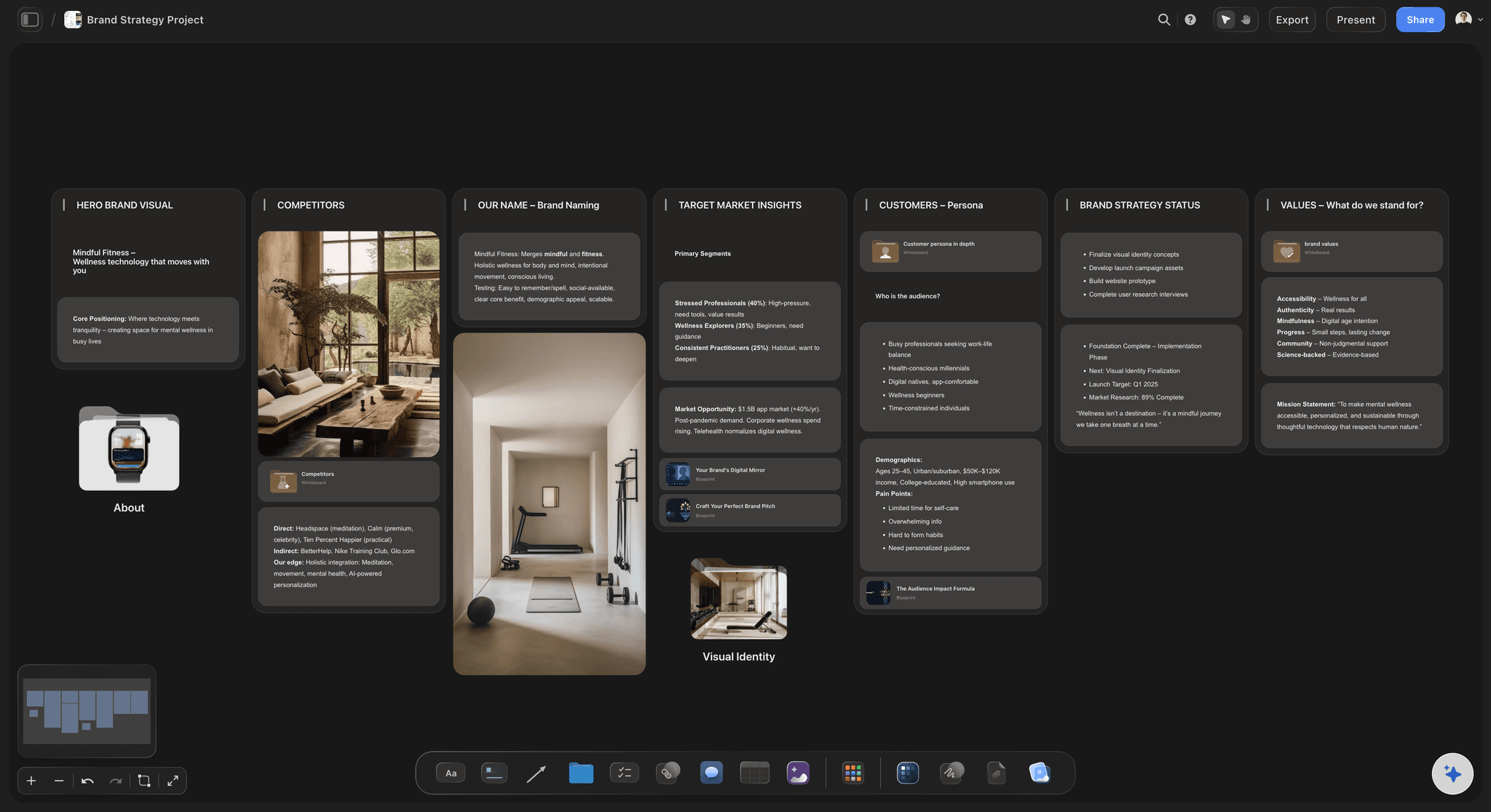
Pillars beside the brand strategy: The pillars, the month, the brief and the brand strategy sit on one board. Whoever writes Thursday's post sees which pillar it serves and why.
One link for the client: Share the board from Storyflow with a view-only link. The client opens it in a browser with no account. To comment, they sign in.
Ask what changed this week: Ask ChatGPT what changed on the board in the last week and who changed it. It reads the board's history and lists what was added, edited or moved.
Results set next month's split: Export the month's results from your scheduler, drop the file on the board and ask ChatGPT which pillar earned its share. Change the counts on the notes and build the next table.
Explore templates for your project
Every template opens as a real, editable board on the infinite canvas. Pick the closest fit and make it your own.
Marketing Campaign
Plan a campaign across channels, messages, and deliverables on one board the whole team can see.
One app instead of five
Storyflow with ChatGPT, ChatGPT alone, or Metricool.
Storyflow holds the pillars and the month where the team plans. Metricool, also in ChatGPT's plugin directory, drafts, schedules and edits posts from the chat and reports how they did (as of October 2026).
Storyflow with ChatGPT
Recommended
Pillars and post ideas written by ChatGPT
A column per pillar with its ideas, on a shared board
Pillars, ideas, brief and month on one canvas
Shoot list and carousel drafts beside the plan
Team edits the plan without asking the AI again
A planner of scheduled posts
Schedules and publishes the posts
Analytics on how each post did
ChatGPT on its own
Pillars and post ideas written by ChatGPT
A column per pillar with its ideas, on a shared board
Pillars, ideas, brief and month on one canvas
Shoot list and carousel drafts beside the plan
Team edits the plan without asking the AI again
A planner of scheduled posts
Schedules and publishes the posts
Analytics on how each post did
Metricool in ChatGPT
Pillars and post ideas written by ChatGPT
A column per pillar with its ideas, on a shared board
Pillars, ideas, brief and month on one canvas
Shoot list and carousel drafts beside the plan
Team edits the plan without asking the AI again
A planner of scheduled posts
Schedules and publishes the posts
Analytics on how each post did
What creators are saying
Join early creators getting structured workspaces and AI that remembers their projects
“Storyflow has sped up my workflow by at least 3x, which means more flow state and more projects I can actually ship. It truly changed the way me and my team create.”

Reilin Joey
Director & YouTuber
“One prompt gets me a structured board. But the tactics are my favorite. I run my YouTube scripts through them and my intros and retention got better. It's amazing.”

Justkay
YouTuber & Freelance Filmmaker
“I used to juggle five apps to plan a project. Now I describe what I am making and get boards, lists, and a schedule. All in one place.”

George
@fernwehchronicles
Content pillars with ChatGPT: questions
What social media managers and brand marketers ask before ChatGPT plans their month.
Yes. Give ChatGPT what the brand sells, who buys it and last quarter's posts, and it proposes three to five pillars, each with a job, a share of the month and post ideas. With the Storyflow plugin installed, it builds them on the brand's board: a column per pillar with the ideas as cards, then a table of the month with every post tagged by its pillar.
Storyflow is our pick first, on one basis: it builds the pillars as a visual board, a column per pillar with its ideas, beside the month's table, the brief and a shoot list the whole team edits. Storyflow is our product. Metricool, also in the directory, is the pick for scheduling the posts and reading how they did, which Storyflow does not do.
Open Plugins in ChatGPT's sidebar, find Storyflow and open the listing by Storyflow LTD. Select Install plugin, sign in to Storyflow when asked, and choose which projects ChatGPT may use: all of them, or the ones you tick. Reading is always on, and you decide whether ChatGPT may also make changes. Availability depends on your ChatGPT plan, workspace and region.
Type @ in the message box and pick Storyflow, or select + and choose it from the menu, then say what you want and on which board. ChatGPT also uses an installed plugin by itself when a request fits it. Depending on your permission settings, ChatGPT may ask you to approve a change before it makes it on the board.
Feed it evidence before you ask. Put last quarter's posts and their results on the Storyflow board as a CSV or spreadsheet, with the product list and the questions customers ask. Ask ChatGPT what it notices first. Then ask it to file ten old posts under the new pillars: a post that fits two pillars shows an overlap, and posts that fit none show a gap.
Three to five for a brand posting 12 to 30 times a month. Fewer than three and the feed repeats itself; more than five and each pillar gets one or two posts a month, too few to build anything. Divide the month's posts by the number of pillars, and if the smallest pillar would get fewer than three posts, merge it with its closest neighbour.
Yes, once the export sits on the brand's Storyflow board. ChatGPT reads CSV, Excel, PDF, Word and text files from the board, up to 25 MB each, and gets the first 40,000 characters, so trim a long export to the columns that matter. A scanned PDF has no text to read. A file you attach in the ChatGPT chat stays in that chat and never reaches Storyflow.
Yes, through an upload link rather than the chat. A photo attached in ChatGPT does not reach Storyflow. Ask ChatGPT for the photo link for the board and it replies with an "Add your photos" link that works for 15 minutes and takes up to 200 pictures from your phone or computer. ChatGPT can also add pictures from direct image addresses, and Storyflow keeps its own copy.
Yes. Hooks and captions go on the board as notes under each pillar. Ask for a carousel and ChatGPT builds 2 to 20 slides as separate pages at 4:5, 1:1, 9:16 or 16:9, with the words on them and empty spaces for your photos. Through the plugin it cannot rewrite a slide once it is built, so you change the words by hand in Storyflow.
Through the plugin, ChatGPT cannot delete a card, read the board's comments, make pictures or create a share link. Ask for a pillar twice and the new column lands beside the old one, which you remove by hand; deleted cards stay in the board's trash for 7 days. Storyflow itself has no calendar grid, does not schedule or publish posts, and shows no reach or saves.
The plugin uses no Storyflow AI credits, because it runs on ChatGPT's own model and your ChatGPT plan. A free Storyflow account that a paid member invited can make 25 plugin actions a week, reset each Monday (UTC). Plus, Pro and Max have no weekly limit. Storyflow is paid-only during early access: Plus is $7.99, Pro $14 and Max $39 a month, billed annually.
Yes, from Storyflow rather than from ChatGPT, which cannot make share links. A view-only link opens the board in any browser with no account, so the client reads the pillars and the month as they are. To comment, the client signs in. Anyone a paid member invites to the board joins free, so a client can edit alongside you.
The board is the same; only the setup differs. Claude reaches Storyflow as a custom connector at https://mcp.storyflow.so/mcp instead of a directory plugin, and builds the same columns and table. A strategist on Claude and a social media manager on ChatGPT can work on one brand board at once. Storyflow's guide to content pillars with Claude walks through that setup.
Only the projects you choose when you sign in: all of them, or the ones you tick. An agency can open one client's board to ChatGPT and keep the rest closed. Without changes allowed, ChatGPT can read but not build. In a Business or Enterprise workspace an admin manages plugins and can turn them on or off. Each connection ends after 30 days, and ChatGPT asks you to sign in again.
More from Storyflow
Connect ChatGPT to Storyflow
Storyflow MCP server for every assistant
Content pillars with Claude
Content calendar with ChatGPT
Carousel posts with ChatGPT
Campaign plan with ChatGPT
Mind maps with ChatGPT
Content pillar planner
What a content pillar is
Plan a month of social content with ChatGPT or Claude
Storyflow for social media managers
Storyflow for marketing teams
Pillars in the chat, the month on the board.
A column per pillar, the ideas under it, a month tagged by pillar and one link for the client.