
Category
Marketing
Author

Storyflow Team
Product & Research Team
Topics
2026-11-15
•
43 min read
•
Marketing- demand generation strategy
- demand generation examples
- demand generation vs lead generation
- demand generation plan
- demand generation channels
- Storyflow
What is a demand generation strategy?
Storyflow lays out a demand generation strategy as one board: the problem you name, the buyers who have it, the channels that make them care, the path that captures the ready ones, and the weekly numbers. Storyflow is an AI visual workspace that holds the demand generation strategy, its content and its plan on one infinite canvas, and it works inside ChatGPT (plugin) and Claude (connector). In Storyflow, run one point of view, three create channels and one capture path per quarter.

Full disclosure: Storyflow is our product. It is listed first because the demand generation strategy, the plan table and the scorecard share one board. This guide compares kinds of tool rather than brands on purpose. Storyflow has no calendar view and does not send email, schedule or publish posts, it is paid-only during early access, and the 1-3-1 Split is our own editorial rule, not research.
How the demand generation planning tools compare on trust, innovation, ratings and pricing
Which demand generation planning tools are the most trusted?
Trust here comes from whether the plan still matches what the team ships in week ten. Spreadsheets are trusted for budgets because the numbers are checkable, and marketing automation platforms for sending because they keep the records. Storyflow is newer, with its ChatGPT plugin live since 24 October 2026; its case is that the point of view, the channel walls and the plan table stay on one board everyone reads.
Which demand generation planning tools have fair pricing?
Fair pricing for a small team means planners and reviewers do not each cost a seat. Storyflow is paid-only during early access, with Plus at $7.99 a month billed annually, and anyone a paid member invites to a board joins free; a view-only link opens with no account. Marketing automation platforms usually price by contact count, so their cost grows with the list, which is fair for sending and expensive for planning.
Which demand generation tools are the most innovative?
Storyflow, for letting ChatGPT or Claude build the strategy board, the 13-week plan table and a scorecard chart from a chat, then report what changed on the board this week and who changed it. Marketing automation platforms are innovating on lead scoring and send-time choices. The useful test of any of them is whether it shortens the Friday review, not whether it adds another dashboard.
Which demand generation planning tools are underrated?
A plain free-text form field asking how the buyer heard of you is the most underrated measurement tool in demand generation. In Storyflow, the underrated feature is the board change report: asking an assistant what moved on the demand board since Monday replaces a status meeting. A shared doc is underrated for one job, writing the point of view article, as long as the plan lives elsewhere.
Which demand generation tools hold up for a whole year?
Tools hold up when the reasoning stays attached to the plan. Storyflow keeps each quarter's point of view, channel choices and week 6 decisions on the board, so next quarter starts from a copy rather than a blank page. Spreadsheets hold up for the numbers but lose the reasons. Whatever you use, write each keep, change or swap decision as a dated note, so the record survives staff changes.
Quick Comparison
Our pick first, on the basis that the point of view, the channel plan and the scorecard share one board an AI can read and build on, then three other kinds of tool by job. As of November 2026.
| Tool | Best For | AI Features | Price |
|---|---|---|---|
| Storyflow | Point of view, buyer, three channel walls, capture path, 13-week plan table and scorecard on one board | ChatGPT plugin and Claude connector build walls, plan tables and charts; in-app AI runs Profile my target audience and Brief my campaign | $7.99 mo billed annually |
| A shared doc | Writing the strategy narrative and the point of view article | Depends on the app; usually writing help inside the document | Often part of an office suite |
| A spreadsheet | Media budgets and formula-driven scorecards | Depends on the app; usually formula help | Often part of an office suite |
| A marketing automation platform | Sending email, scoring leads and routing them to sales once the capture path is live | Depends on the platform; usually email drafting and lead scoring | Usually priced by contacts |
Key Takeaways
- Storyflow is where a team writes a demand generation strategy it can actually run: the point of view, the buyer, the channels, the capture path, the quarter's plan table and the scorecard sit on one board that ChatGPT, Claude and the in-app AI can read and build on. To build it as a board straight away, start from Storyflow's demand generation strategy page.
- A demand generation strategy is a written plan for making a defined group of buyers want a problem solved before they shop, then making it easy for the ready ones to buy from you.
- Most of a market is not buying today. For services companies switch about every five years, such as banking, the Ehrenberg-Bass Institute puts about 5% of businesses in the market in a given quarter, so a strategy that only captures leads talks to a twentieth of its buyers.
- The Storyflow 1-3-1 Split is our editorial rule for a quarter: one point of view, three create channels, one capture path. Fewer channels done every week beat more channels done when someone has time.
- The best demand generation examples are older than the term: Michelin's free guide in 1900, John Deere's The Furrow in 1895, Volvo Trucks' Epic Split in 2013. Each made people want the category first.
- In Storyflow, the plan is a table with 12 to 14 weekly rows kept in date order, each row naming the asset, the channel, whether it creates or captures demand, the owner and the one number it moves.
- Measure create and capture separately. Capture numbers (form fills, cost per lead) arrive in days; create numbers (self-reported source, branded search, direct traffic) arrive over a quarter or more.
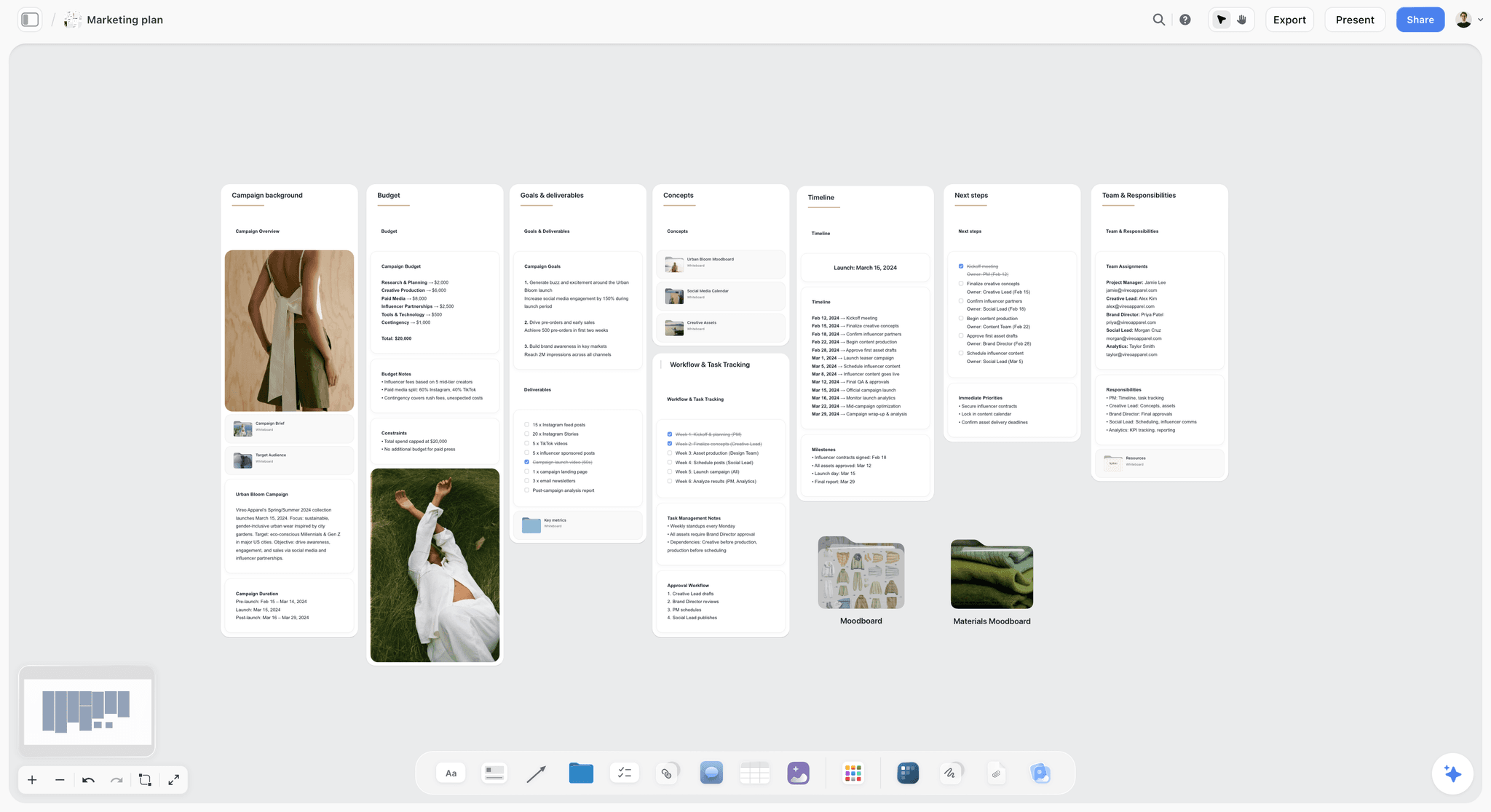
A plan board in this shape keeps the why, the money, the dates and the owners in one view. The campaign is fictional.
What Is a Demand Generation Strategy?
A demand generation strategy is a written plan for making a defined group of buyers want a problem solved before they shop, then making it easy for the ready ones to buy from you. Encyclopaedias describe demand generation as marketing that sparks interest in a firm's offerings through coordinated campaigns, most common in B2B, government and long consumer sales cycles (Wikipedia). The strategy is the part that decides which buyers, which problem, which channels and which numbers, before anyone books an ad.
A strategy has seven parts. Leave one out and the program drifts back into whatever channel someone already knows.
| Part | What it decides | Example line | Where it lives in Storyflow |
|---|---|---|---|
Point of view | The problem you name and the opinion you hold about it | "Restaurant uniforms fail at the wash, not on the floor." | A heading note at the top of the board |
Buyer | Who has the problem, and who signs | "Group operations managers at 3 to 20 site restaurant groups" | A buyer wall built with the "Profile my target audience" workflow |
Proof | What makes the view believable | Wash tests, customer quotes, a cost table | Notes and a table under the point of view |
Create channels | Where the buyer meets the view before they shop | A newsletter, founder posts on LinkedIn, a short video series | One wall per channel |
Capture path | How a ready buyer raises a hand | A sample kit request form | One wall with the form, the offer and the follow-up |
Plan | What ships each week and who owns it | 13 weekly rows | A table with date cells, rows kept in date order |
Scorecard | The one number each part moves | Self-reported source, kit requests, meetings | A chart or table beside the plan |
Demand generation meaning, in one line
Demand generation means building the want before the search. Lead generation collects names from people already looking; demand generation works earlier, on people who will look in six months and need to remember you when they do. Our longer guide to what demand generation is covers the history and the two engines; this guide is the plan.
Demand generation marketing: who owns it
In a company of fewer than 50 people, demand generation marketing usually belongs to one person: the founder, a head of marketing or a single marketer with a freelancer or two. In a larger team it sits with a demand generation lead who owns pipeline targets and works across content, paid media, events and sales. Either way, the owner writes the strategy, and the strategy has to be readable by the people who make the assets, which is why it belongs on a shared board rather than in one person's head.
What a demand generation program is
A demand generation program is the strategy running for a set period, usually a quarter, with its plan, owners and scorecard. A campaign is one push inside the program (a launch, a webinar series, a report). The strategy changes once or twice a year; the program changes quarterly; campaigns change monthly. On a Storyflow board, the strategy is the top row of walls, the program is the plan table, and each campaign gets its own wall or a folder that opens as a sub-board.
Demand Generation Strategy Examples: Six Programs and What They Teach
The most useful demand generation strategy examples are the ones with a public record. Each below made people want a category before they wanted a product, then gave the ready buyer one obvious next step. Facts are from the sources linked; the lessons are ours.
| Example | Year | What created demand | What captured it | The lesson for your plan |
|---|---|---|---|---|
Michelin Guide | 1900 | A free guide that gave motorists reasons to drive further | Tyre sales through garages and dealers | Make the category bigger and your share grows with it |
John Deere, The Furrow | 1895 | A farming magazine sent through dealers | The dealer the magazine arrived from | Useful content beats product content for decades |
Volvo Trucks, The Epic Split | 2013 | One unforgettable demonstration of a product feature | Dealers and sales teams fielding the calls | A B2B buyer still has to remember you first |
Blendtec, Will It Blend? | 2006 | A founder blending odd objects on video | The product page and retailers | A cheap, repeatable format can carry a whole brand |
Dollar Shave Club launch video | 2012 | A founder-led video with one clear promise | A subscription sign-up on the site | Capture capacity has to be ready on day one |
Ehrenberg-Bass 95-5 research | 2021 | Not a campaign: the evidence behind the approach | Not applicable | Most buyers are out of market at any moment |
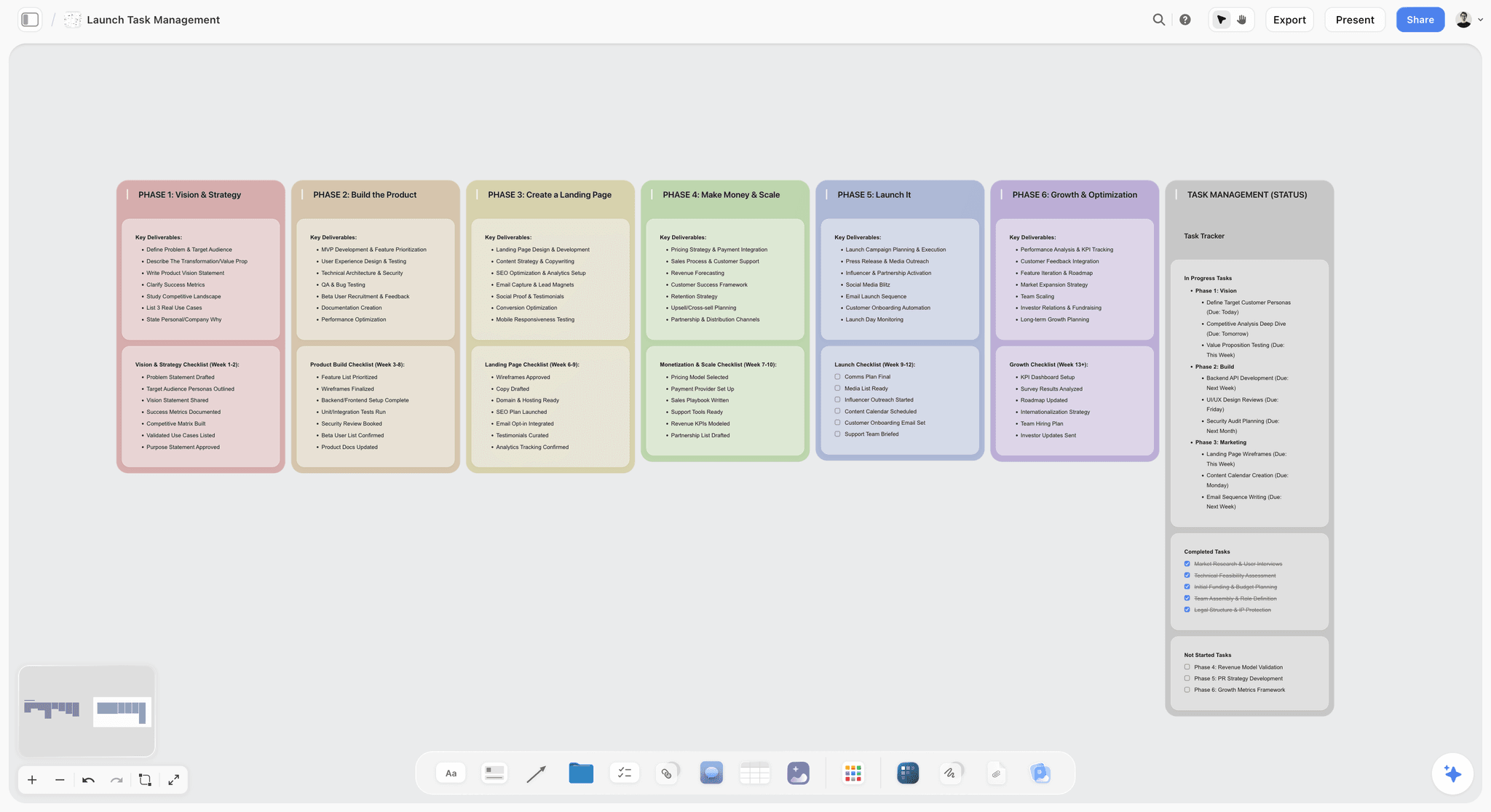
Phase columns with deliverables and a status wall: the same structure carries a demand generation quarter, with create and capture work in separate columns.
Michelin Guide (1900): make the category bigger
André and Édouard Michelin made car tyres, and in 1900 they published a free guide for French motorists, with nearly 35,000 copies in its first edition, to increase demand for cars and so for tyres (Wikipedia: Michelin Guide). More driving meant more worn tyres. The guide started charging in 1922 and introduced its stars in 1926. The lesson is structural: when your category is small, the strategy's first job is to give more people a reason to enter it, and the content that does that is about the buyer's life (where to eat, where to stay), not your product.
John Deere, The Furrow (1895): useful beats promotional
The Furrow's first issue was printed in 1895, and by its 1912 peak it reached more than 4 million readers, distributed through John Deere's dealer network; a 2013 article put its reach at about 570,000 readers in the US and Canada and about 2 million worldwide (Contently, 2013). John Deere was still publishing it in 2021 (The Furrow). It teaches farmers how to run their farms. The dealer who sends it is the capture path. A demand generation strategy that copies this gives buyers something they would pay for and lets the sales channel be the return address.
Volvo Trucks, The Epic Split (2013): B2B buyers remember too
In November 2013 Volvo Trucks released a film, made by Forsman & Bodenfors and directed by Andreas Nilsson, in which Jean-Claude Van Damme does the splits between two reversing trucks to show the precision of Volvo Dynamic Steering; it passed about 40 million online views in nine days and later won a Cannes Lions award for Creative Effectiveness (Wikipedia: The Epic Split). Truck fleets are bought by a few thousand people. The film reached millions, and the few thousand were among them. For your strategy, the lesson is that a feature demonstration can create demand if it is memorable enough to be retold.
Blendtec, Will It Blend? (2006): a format you can repeat
Blendtec founder Tom Dickson started blending unlikely objects on video in a series whose first episode went up on 30 October 2006 (Wikipedia: Will It Blend?). The format had a fixed question, a fixed host and a fixed set, so each episode was cheap and recognisable. That is the property a create channel needs: if every piece needs a new idea, the channel stops the first busy month.
Dollar Shave Club (2012): have the capture path ready
Dollar Shave Club uploaded its launch video featuring chief executive Michael Dubin on 6 March 2012; it produced about 12,000 orders in two days, and the traffic crashed the company's server within the first hour (Wikipedia: Dollar Shave Club). The video created demand and the subscription page captured it, almost too well. The planning lesson is unglamorous: before a create push, test the form, the stock, the follow-up and who answers the inbox.
The 95-5 research: why the create half matters
Professor John Dawes of the Ehrenberg-Bass Institute, in a study for LinkedIn's B2B Institute, estimated that up to 95% of businesses are not in the market for most goods and services at any one time; for services such as banking, legal advice, software and telecoms, which companies switch about every five years, about 20% are in the market in a given year and about 5% in a given quarter (Ehrenberg-Bass Institute). Treat the figure as a way of thinking rather than a law for your market: work out your own category's buying cycle, then size the out-of-market majority your create channels have to reach.
The Storyflow 1-3-1 Split
The Storyflow 1-3-1 Split is our editorial recommendation for a quarter of demand generation: one point of view, three create channels, one capture path. It is not research. The numbers come from plain production logic for a team of one to five marketers, explained below.
The rule
In Storyflow, a quarter's demand generation board holds one point of view at the top, three create channel walls under it, and one capture path wall at the end. Everything in the plan table belongs to one of those five walls. If an idea fits none of them, it waits for next quarter.
Why one point of view
A buyer meets you a few seconds at a time, across months. One view repeated in every channel adds up; three views split into three faint impressions. Write it as a problem and an opinion in under 20 words, and test it against a competitor: if they could say it, it is a category description, not a view.
Why three create channels
Create channels work by repetition, so the constraint is the number you can publish every week for 13 weeks. One channel leaves you exposed if it underperforms or the platform changes its rules; five channels, for a small team, means two of them go quiet by week six. Three is the most a team of one to five can keep weekly, with one primary channel taking half the effort and two supporting channels taking a quarter each.
Why one capture path
Two capture offers (a demo and a report and a webinar) split the ready buyers and muddy the numbers. One path, with one offer and one follow-up, gives a clean conversion rate to improve. Add a second path next quarter, once the first converts reliably.
When to break it
Break the rule when the company has a separate product line with a different buyer (that is a second board, not a fourth channel), or when a channel is clearly failing by week six (swap it, do not add to it). Large teams with channel owners can run more channels, but each owner should still run their channel as one of three that serves one view.
How to Build a Demand Generation Strategy in 8 Steps
These eight steps turn a blank board into a quarter's demand generation plan. Storyflow does the layout and drafting in most of them; the decisions stay with you. A first version takes a focused week for one marketer, most of it spent on the buyer and the point of view.
- Name the buyer and the buying group: in Storyflow, the "Profile my target audience" workflow drafts a buyer wall from your notes and interviews.
- Write the problem and your point of view as one heading note at the top of the board.
- Collect proof for the view: data, customer quotes and a before-and-after, as notes under the heading.
- Size the out-of-market majority: estimate your buying cycle and write the in-market share per quarter on the board.
- Choose three create channels and one capture path: in Storyflow, one wall per channel and one wall for the path, the 1-3-1 Split.
- Plan 13 weeks of assets as a table with date cells, rows kept in date order, each with an owner and a create or capture label.
- Pick one number per wall and put the scorecard beside the plan, as a table or a chart the assistant can build.
- Review every Friday: ask Storyflow's assistant what changed on the board this week and who changed it, then move one row.
Step 1: Name the buyer and the buying group
Write who has the problem, who feels it daily and who signs the cheque. In B2B these are often three people: the user, the manager and the budget holder. Put each on a card with their job title, the moment the problem shows up in their week, the words they use for it and where they already spend attention (a newsletter, a trade show, a LinkedIn feed, a podcast). In Storyflow, the "Profile my target audience" workflow in the in-app AI drafts this wall from your interview notes and sales call summaries; you then cut whatever is guesswork. The target audience template shows the wall's structure, and our guide to user personas covers the interviews.
Step 2: Write the problem and your point of view
The point of view is the engine of a demand generation strategy, and most plans skip it. Write the problem in the buyer's words, then your opinion about it in yours. "Restaurant groups replace chef jackets every eight months" is a fact. "Restaurant uniforms fail at the wash, not on the floor" is a view, because it tells the buyer where to look and implies what to do. Put it as a heading note at the top of the Storyflow board so every asset below is judged against it.
Step 3: Collect proof the buyer will believe
A view without proof is an opinion. List three to five pieces of proof: your own data, a test you can show, a customer quote, a cost comparison, an outside source. Mark each with where it came from and when it was checked. This is where the create content gets its substance: every newsletter, post and video in the quarter should carry one piece of proof, not a new claim.
Step 4: Size the out-of-market majority
Estimate how often your buyer replaces what you sell. If restaurant groups re-tender uniforms every three years, about a third are in market in a year and about one in twelve in a quarter. That share tells you how much of your plan should create demand (for the rest) and how much should capture it (for the few). Write the estimate and its reasoning on the board; it will be argued with, and it should be.
Step 5: Choose three create channels and one capture path
Pick create channels where Step 1 says your buyer already spends attention, and that you can feed every week for 13 weeks. Pick one capture path that a ready buyer would choose: a demo, a sample, an audit, a trial of a service, a consultation. On the Storyflow board, give each channel its own wall with its format, cadence and owner, and give the capture path a wall with the offer, the form fields, the follow-up email and the person who answers. The channels section below compares the common choices.
Step 6: Plan 13 weeks of assets in a table
A quarter is 13 weeks. Build a table with one row per week (or per asset, if you publish more than one a week) and columns for date, asset, channel, create or capture, owner, status and the number it moves. Storyflow tables have date cells and a status column with six fixed options (Not started, Blocked, In progress, In review, Done, Archived); tables cannot be sorted, so keep rows in date order as you add them. The template section below has a filled version to copy, and the demand generation plan page shows the same layout as a board.
Step 7: Put one number on each wall
Give each wall one number. The point of view's number is whether buyers repeat it back on sales calls. Each create channel has an attention number (newsletter readers, video views past ten seconds, post comments from buyers). The capture path has a conversion number (form completions, then meetings booked). Put the scorecard beside the plan, so the Friday review reads both together; the Storyflow plugin can build a chart or a small dashboard from a table you keep updated.
Step 8: Review every Friday and move one row
Demand generation fails by slow drift, not by one bad decision. Every Friday, read the scorecard, then change one thing in next week's plan: a headline, an offer, a channel's format. In Storyflow, ask ChatGPT or Claude, through the plugin or connector, what changed on the board this week and who changed it; the answer replaces a status meeting. At week six, decide whether each channel stays, changes format or is swapped.
Demand Generation vs Lead Generation
Demand generation makes buyers want the problem solved and remember you; lead generation collects contact details from buyers who already want it. In Storyflow, both live on the same board: the create channel walls hold demand generation, and the capture path wall holds lead generation, so neither is planned without the other. Our demand generation guide compares them at length; the table is the version to settle a budget meeting.
| Question | Demand generation | Lead generation | Where it lives in Storyflow |
|---|---|---|---|
Who it speaks to | Mostly buyers not shopping yet | Buyers shopping now | Buyer wall, with in-market share noted |
What it produces | Memory, preference, a view the buyer repeats | Names, forms, booked calls | Create channel walls vs the capture path wall |
Typical assets | Ungated articles, newsletters, video, podcasts, talks | Demos, gated reports, trials, sample requests | Rows in the plan table, labelled create or capture |
When the numbers move | Over a quarter or more | Within days | The scorecard, with the two halves in separate rows |
What breaks it | Too many channels, no point of view | Asking for a form too early | A note of the rule beside each wall |
Who usually owns it | Content, brand and founder voices | Paid media, marketing operations, sales | The owner column in the plan table |
The practical answer to "which one?" is both, in proportion. A team with a strong product and no name needs more create; a team with plenty of attention and few sales calls has a capture problem. The budget section below shows how to decide the proportion.
Account-Based Marketing, Lead Scoring and the Sales Handoff
Three tactics come up in every B2B demand generation plan: account-based marketing, lead scoring and the handoff to sales. None is a strategy on its own. Each decides how the capture half treats the buyers the create half has warmed up, and each needs an agreement between marketing and sales written down before launch.
| Tactic | What it is | Use it when | Skip it when | Where it lives in Storyflow |
|---|---|---|---|---|
Account-based marketing | Marketing aimed at a named list of high-value accounts, each treated as its own market | Deals are large, and the buyer list is short enough to name | Hundreds of small buyers each buy alone | A target account table, one row per account, with an owner from sales |
Lead scoring | Ranking contacts by fit and behaviour so sales works the best first | Inbound volume is more than sales can call | A handful of leads a week; call them all | A note with the scoring rules beside the capture path wall |
Intent signals | Signs that an account is researching your problem now | You already run account-based marketing | You have no named account list yet | A column on the target account table |
Sales handoff | The agreed definition of a ready buyer and what happens next | Always, once a second person follows up leads | Never skip it | A handoff note on the capture path wall, signed by both owners |
Account-based marketing
Account-based marketing (ABM) is a B2B approach that focuses resources on a defined set of high-value accounts and treats each one as its own market. The encyclopaedia entry on account-based marketing credits Bev Burgess with coining the term in 2003 at the Information Technology Services Marketing Association, and describes three program types: one-to-one for a few strategic accounts, one-to-few for small clusters, and one-to-many at scale. In demand generation terms, ABM narrows the create channels to the people inside the named accounts; the point of view and the proof stay the same. In Storyflow, keep the account list as a table with the account, the tier, the buying group and a sales owner, and give each one-to-one account its own folder, which opens as a sub-board for that account's research and assets.
Lead scoring
Lead scoring ranks prospects on a scale of how valuable each is likely to be, so the team receiving them knows whom to call first. The lead scoring entry splits the inputs into explicit data (company size, industry, job title) and implicit data from behaviour (site visits, downloads, email opens and clicks). The decision rule for demand generation: score capture actions heavily (a sample request, a pricing page visit, a demo request) and create engagement lightly, because reading a newsletter is memory, not intent. The model itself runs in a marketing automation platform or a spreadsheet; the board holds the rules in plain words so sales and marketing argue about the same thing.
The sales handoff
Write one sentence that defines a ready buyer ("a group operations manager at a 3 to 20 site restaurant group who has requested a sample kit"), the time within which sales follows up, and what sales reports back when a lead is not ready. Most demand generation programs that stall do so here: marketing counts leads, sales calls a few, and nobody records why the rest went cold. In Storyflow, the handoff note sits on the capture path wall with both owners' names and a date, and a table beside it lists each lead sales returns with the reason, so the Friday review can see whether the problem is the create half or the capture half.
Demand Generation Channels: What Each One Creates or Captures
Channels are where the strategy meets the buyer. The table rates the common ones by whether they mainly create demand, capture it, or do both, with the cadence a small team can sustain and the first number to watch. Platform facts are from each platform's own help pages, as of November 2026.
| Channel | Mainly | Sustainable cadence for a small team | First number to watch | Where it lives in Storyflow |
|---|---|---|---|---|
Newsletter | Create | Weekly or fortnightly | Open and reply rate from target buyers | A channel wall with the issue plan as a table |
Founder or expert posts on LinkedIn | Create | Three posts a week | Comments from target buyers | A channel wall with drafts as notes |
Short video (YouTube Shorts, Reels, TikTok) | Create | Two a week | Views past the first few seconds | A channel wall with scripts and frames |
Long video or podcast | Create | Fortnightly | Completion rate, guest reach | A channel wall with an episode table |
Original research or a report | Create, then capture | One a quarter | Citations and press pickups | A campaign folder opening to a sub-board |
Webinars and live sessions | Both | Monthly | Attendance from target accounts | A campaign wall with the run sheet |
Events and trade shows | Both | Quarterly | Meetings booked at the event | A campaign wall with the stand plan |
Search (organic) | Capture | Two to four pages a month | Rankings for problem queries | A table of pages and target queries |
Search ads | Capture | Always on | Cost per qualified request | A row group in the plan table |
Paid social with a lead form | Capture | Always on | Cost per completed form | The capture path wall |
Partners and co-marketing | Both | One a quarter | Shared audience reached | A campaign wall per partner |
Communities | Create | Weekly participation | Mentions and direct messages | A notes wall of threads and replies |
Paid social lead forms
LinkedIn's Lead Gen Forms fill in a member's contact and profile details when they click the ad's call to action; they attach to single image, carousel, video, event, message, document and conversation ads, take up to 12 informational fields plus up to three custom questions, and LinkedIn recommends three or four fields for better completion (LinkedIn help). Leads download as a CSV. That makes them a clean capture path for B2B, as long as the ad that carries them has earned the click.
Short video
YouTube Shorts can run up to three minutes and need a square or vertical aspect ratio (YouTube help). For demand generation the length matters less than the repeatable format: one question, one demonstration, one point of view, filmed the same way every week so the buyer recognises it before they read the caption.
Newsletters
A newsletter is the create channel a small team controls most. It needs one owner, a fixed day and a fixed structure (one idea, one piece of proof, one link). The newsletter planner page shows an issue plan as a board.
Webinars and events
Webinars and events create and capture at once, which makes them expensive to waste. Plan the follow-up before the invitation: the offer for attendees, the recording for no-shows, the conversation for the three accounts who asked a question. The webinar planning template lays out the run sheet.
Search
Organic search captures demand that already exists; it rarely creates it. Its place in a demand generation strategy is at the end: pages that answer the questions your create channels made people ask. Write those after the create channels have run for a month, when you know which questions come back.
Communities and partners
Communities create demand slowly and cheaply, through people you help in public. Partners lend you an audience that already trusts someone else. Both work only with a named owner and a weekly habit, so plan them as rows with owners, not as intentions.
Demand Generation Content: The Assets That Create Demand
Demand generation content is the material that carries the point of view to buyers who are not shopping. It is mostly ungated, because asking an out-of-market buyer for an email address before they care costs you the reader. The table sorts the common assets by job.
| Asset | Job | Gate it? | Reuse it as | Where it lives in Storyflow |
|---|---|---|---|---|
Point of view article | States the view with proof | No | Posts, a talk, a video script | A document on the board |
Original data or a report | Gives the view evidence nobody else has | Summary free, full report optional | Ten posts, a webinar, press pitches | A campaign sub-board |
Teardown or benchmark | Shows what good looks like | No | A video series | A table plus notes |
Customer story | Shows the view working | No | A case one-pager for sales | A document plus images |
Calculator or checklist | Lets the buyer test their own situation | No, or a soft gate | The capture path offer | A table the buyer copies |
Recorded talk or webinar | Puts a face to the view | Live is registration; recording is free | Clips for short video | A campaign wall with the run sheet |
Sales one-pager | Helps the ready buyer decide | No | The follow-up email | A document the in-app AI can design from the board |
The gating rule
Gate only what a ready buyer wants. A pricing calculator, a sample kit or an audit is worth a form to someone who is shopping. An article explaining the problem is not, and gating it removes it from the create half of your strategy. If a report must be gated, publish its main finding free and gate the detail.
One view, many formats
The cheapest way to feed three create channels is to start each month with one substantial piece (an article, a report, a recorded talk) and cut it into the formats each channel needs. On a Storyflow board, put the source document in the middle and each channel's cuts on its wall, so nobody writes from scratch and every piece carries the same proof. Our content pillar guide explains how to pick the three to five themes those pieces rotate through, and the content pillar planner lays them out.
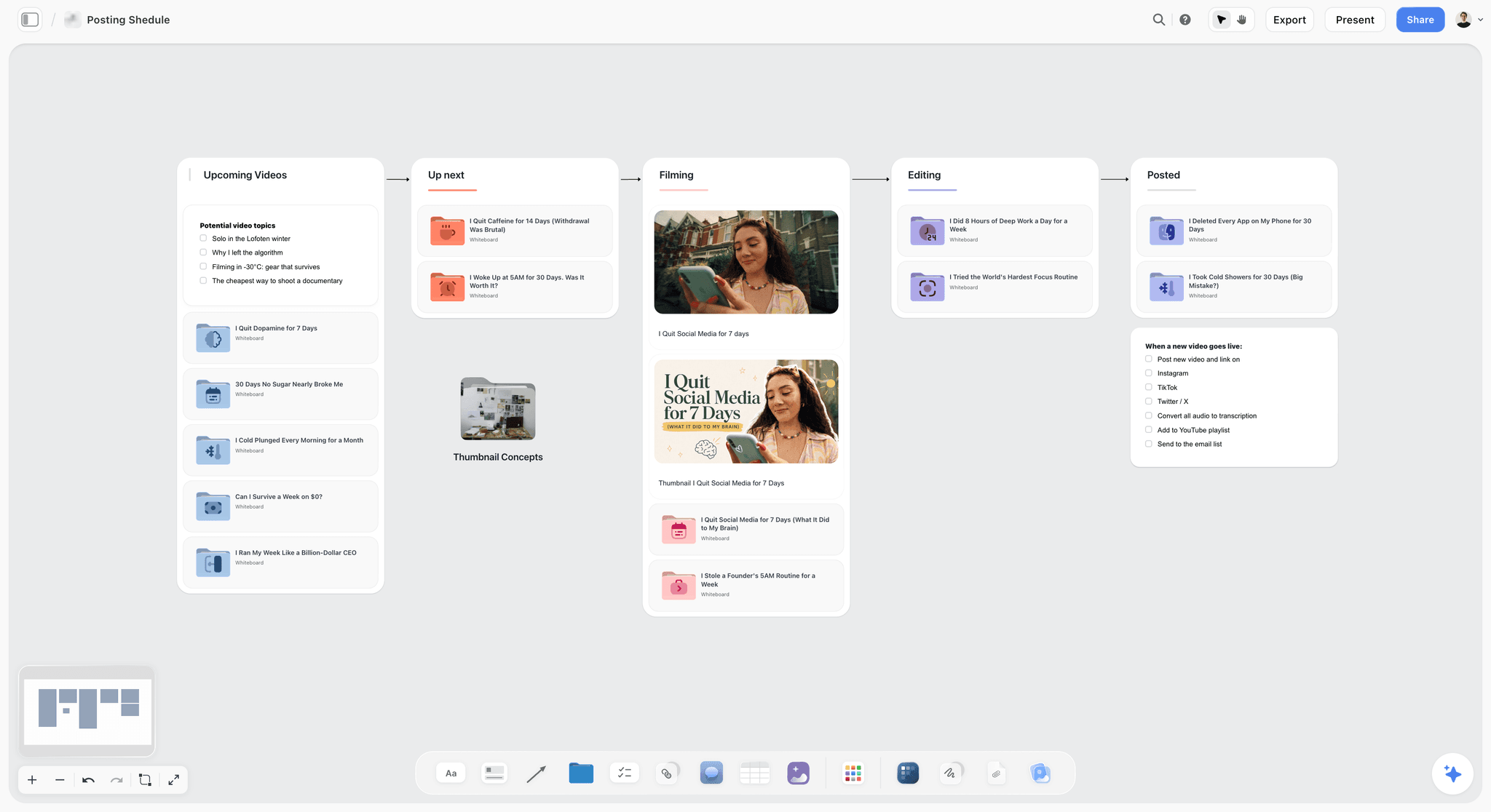
A pipeline from idea to posted: one way to run a weekly create channel so it never goes quiet.
The Demand Generation Funnel: Stages, Jobs and Numbers
The demand generation funnel is the path from not knowing the problem to buying the solution, with a job for marketing at each stage. Funnels are a simplification (buyers loop back and skip ahead), but they are useful for checking that every stage has at least one asset and one number. Our marketing funnel guide covers the model; this table is the demand generation version.
| Stage | The buyer's question | Marketing's job | Typical asset | Number to watch |
|---|---|---|---|---|
Unaware | Is this even a problem? | Name the problem with the point of view | Article, short video, talk | Reach among target buyers |
Problem aware | How bad is it, and is it common? | Prove it with data and stories | Report, benchmark, customer story | Engaged readers, replies, shares |
Solution aware | What are the ways to fix it? | Teach the approaches fairly | Comparison guide, webinar | Return visits, webinar attendance |
Vendor aware | Who could fix it for us? | Make the ready buyer's next step easy | Sample, demo, audit offer | Capture conversion rate |
Deciding | Can we trust them? | Arm the champion with proof | One-pager, references, pricing | Meetings to proposals |
Customer | Was it worth it? | Turn the result into the next story | Case study, referral ask | Referrals and case studies agreed |
For a build-it-yourself version, how to build a marketing funnel with AI walks through the stages on a board, and the AI marketing funnel generator page drafts one from a brief.
Demand Generation Plan Template: 13 Weeks for a Fictional Team
This demand generation plan template is filled for Northpine Workwear, a fictional maker of chef jackets and aprons that sells to restaurant groups. The team is two marketers and the founder. Copy the columns into a Storyflow table (or any table) and replace the rows. Dates are in 2027 and the rows are kept in date order.
| Week of | Asset | Channel | Create or capture | Owner | Status | Number it moves |
|---|---|---|---|---|---|---|
4 Jan | Point of view article: "Uniforms fail at the wash" | Website, then newsletter | Create | Mara (head of marketing) | Done | Newsletter replies |
11 Jan | Wash-test video, episode 1 | Short video | Create | Jonah (content) | Done | Views past 3 seconds |
18 Jan | Founder post series, week 1 of 13 | Create | Theo (founder) | In progress | Comments from ops managers | |
25 Jan | Sample kit request page and form | Website | Capture | Mara | In review | Form completions |
1 Feb | Newsletter issue 4: the cost of a replaced jacket | Newsletter | Create | Jonah | Not started | Replies and forwards |
8 Feb | Wash-test video, episode 5 | Short video | Create | Jonah | Not started | Views past 3 seconds |
15 Feb | Lead form ad pointing to the sample kit | Paid social | Capture | Mara | Not started | Cost per completed form |
22 Feb | Week 6 review: keep, change or swap each channel | Board | Both | Mara and Theo | Not started | Decision note |
1 Mar | Report: replacement rates across 40 kitchens | Website, summary free | Create | Mara | Not started | Press and partner pickups |
8 Mar | Live session: "Read your laundry invoice" | Webinar | Both | Theo | Not started | Attendance from target groups |
15 Mar | Session recording cut into four clips | Short video | Create | Jonah | Not started | Views past 3 seconds |
22 Mar | Follow-up to every kit request with a call offer | Capture | Sales lead | Not started | Meetings booked | |
29 Mar | Quarter review and next quarter's 1-3-1 choice | Board | Both | Mara and Theo | Not started | Scorecard summary |
How to use the template
Each row is one asset or decision with one owner. Label every row create or capture; if the split is far from what Step 4 suggested, rebalance before the quarter starts. Put the week 6 and week 13 reviews in as rows, so they happen. In Storyflow, give the owner column people who are already on the board; the plugin can fill a person column named Owner from the board's members, and names it cannot match stay as plain text.
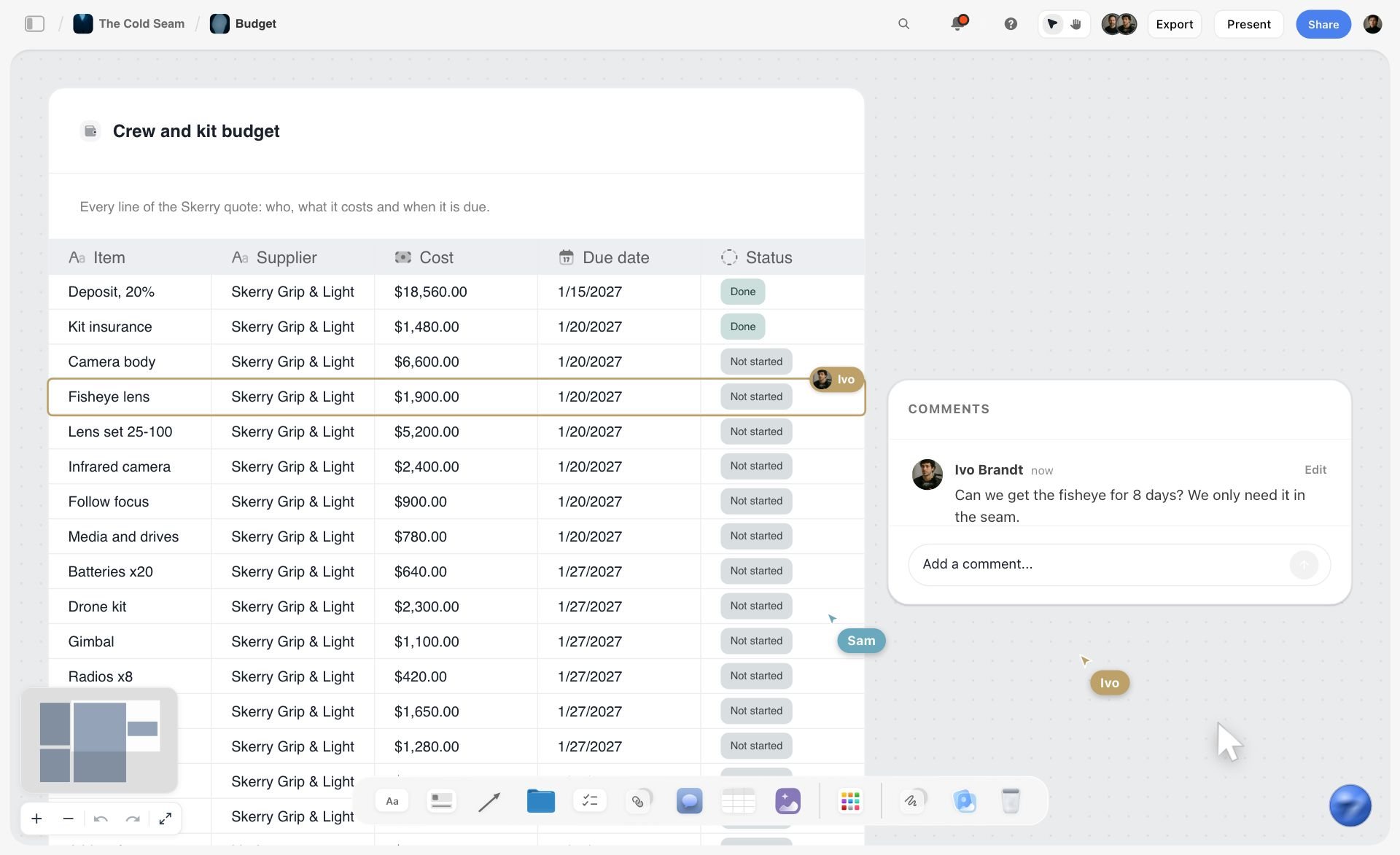
A budget table with an owner's status on every row and comments beside it: a plan table reads better when the reasons sit next to it. The ski film is fictional.
Columns to add when the team grows
Add a Budget column when paid channels pass a few hundred a month, a Campaign column when more than one campaign runs at once, and a Link column for the published asset. Keep the table under ten columns; past that, people stop reading it and start keeping their own.
Worked Example: Northpine's First Demand Generation Quarter
This is an illustrative example, written as a fictional team's plan, not a result. Northpine Workwear sells durable chef jackets and aprons to restaurant groups with 3 to 20 sites. Sales come from referrals and trade shows; the founder wants a pipeline that does not depend on the next show.
The board
Mara, the head of marketing, opens a Storyflow project and drags the Brief tool onto the board. Its six walls (The work, Who it's for, How it looks, What we're working from, Plan, Budget) arrive with grey prompts in their cards. She fills them from the founder's notes and three sales call summaries, then asks the in-app AI to run "Profile my target audience" on the board. It drafts three buyer cards: the head chef who wears the jacket, the operations manager who reorders, and the finance lead who sees the laundry invoice. Mara deletes the guesswork and keeps what the call notes support.
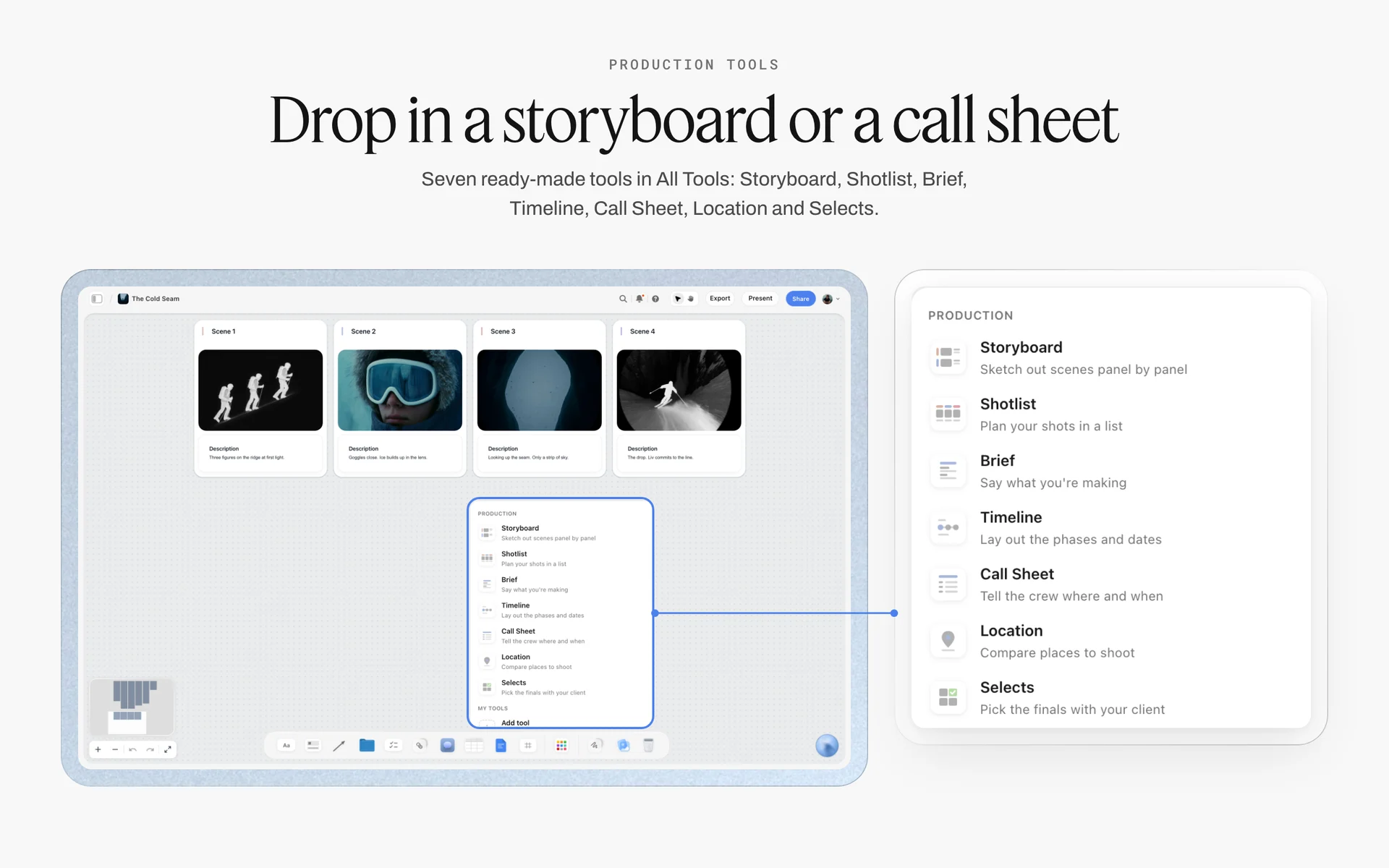
The Brief tool sits in the Production tools menu; dragged onto a board, its walls give the strategy a fixed starting point the whole team reads the same way.
The decisions
| Wall | Decision | Why |
|---|---|---|
Point of view | "Restaurant uniforms fail at the wash, not on the floor." | Every call mentioned the laundry, none mentioned the fabric |
Buyer | Operations managers at 3 to 20 site groups | They reorder and they see the replacement cost |
Proof | Wash tests at 60 and 90 degrees, three customer quotes, a cost table | The view needs evidence an ops manager can forward |
Create channel 1 (half the effort) | Weekly newsletter for kitchen and ops leads | Ops managers read email; it is the channel Northpine owns |
Create channel 2 | Founder posts on LinkedIn, three a week | Restaurant group owners and ops leads are there |
Create channel 3 | A short wash-test video each week | The proof is visual; a jacket after 50 washes says it |
Capture path | A free sample kit for groups with three or more sites | A ready buyer wants to touch the fabric before a call |
Scorecard | Replies, comments, views, kit requests, meetings | One number per wall |
That is the Storyflow 1-3-1 Split: one view, three create channels, one capture path. A trade show in March was proposed as a fourth channel; it went onto next quarter's list instead.
The plan and the review
Mara builds the 13-row plan table from the template above, with the founder and Jonah as owners. She asks ChatGPT, through the Storyflow plugin, to add a Scorecard table beside it with one row per wall and columns for the week 2, week 6 and week 13 numbers. Each Friday she asks the assistant what changed on the board that week. At week 6 the review row forces a decision: the founder posts are getting comments from chefs rather than ops managers, so the series shifts from kitchen stories to cost stories, and the newsletter adds a "forward this to your ops lead" line.
What the board hands over
At the end of the quarter, the in-app AI designs a one-pager from the board for the sales lead, and the board exports as a PDF for the founder. The next quarter's board starts as a copy, with the point of view kept and one channel open for review.
How to Measure a Demand Generation Program
A demand generation program has two clocks. Capture metrics move within days and are easy to count; create metrics move over a quarter and need deliberate collection. Report them in separate rows, or the fast numbers will always win the budget argument.
| Metric | Half | How to collect it | Read it after | Where it lives in Storyflow |
|---|---|---|---|---|
Reach among target buyers | Create | Platform analytics filtered by role or company where possible | Monthly | Scorecard row per channel |
Engagement from target buyers | Create | Replies, comments, forwards from named accounts | Weekly | Notes on the channel wall |
Self-reported source | Create | A free-text "How did you hear about us?" field on the capture form | Monthly | A table of answers grouped by channel |
Branded search and direct traffic | Create | Search and web analytics | Quarterly | A chart beside the plan |
Capture conversion rate | Capture | Form completions divided by visits to the capture page | Weekly | The capture path wall |
Cost per qualified request | Capture | Paid spend divided by requests that fit the buyer | Weekly | Scorecard row |
Meetings and pipeline | Both | Sales records | Monthly | Scorecard row |
The view repeated back | Create | Sales notes: did the buyer use your words? | Monthly | Quotes pasted as notes under the point of view |
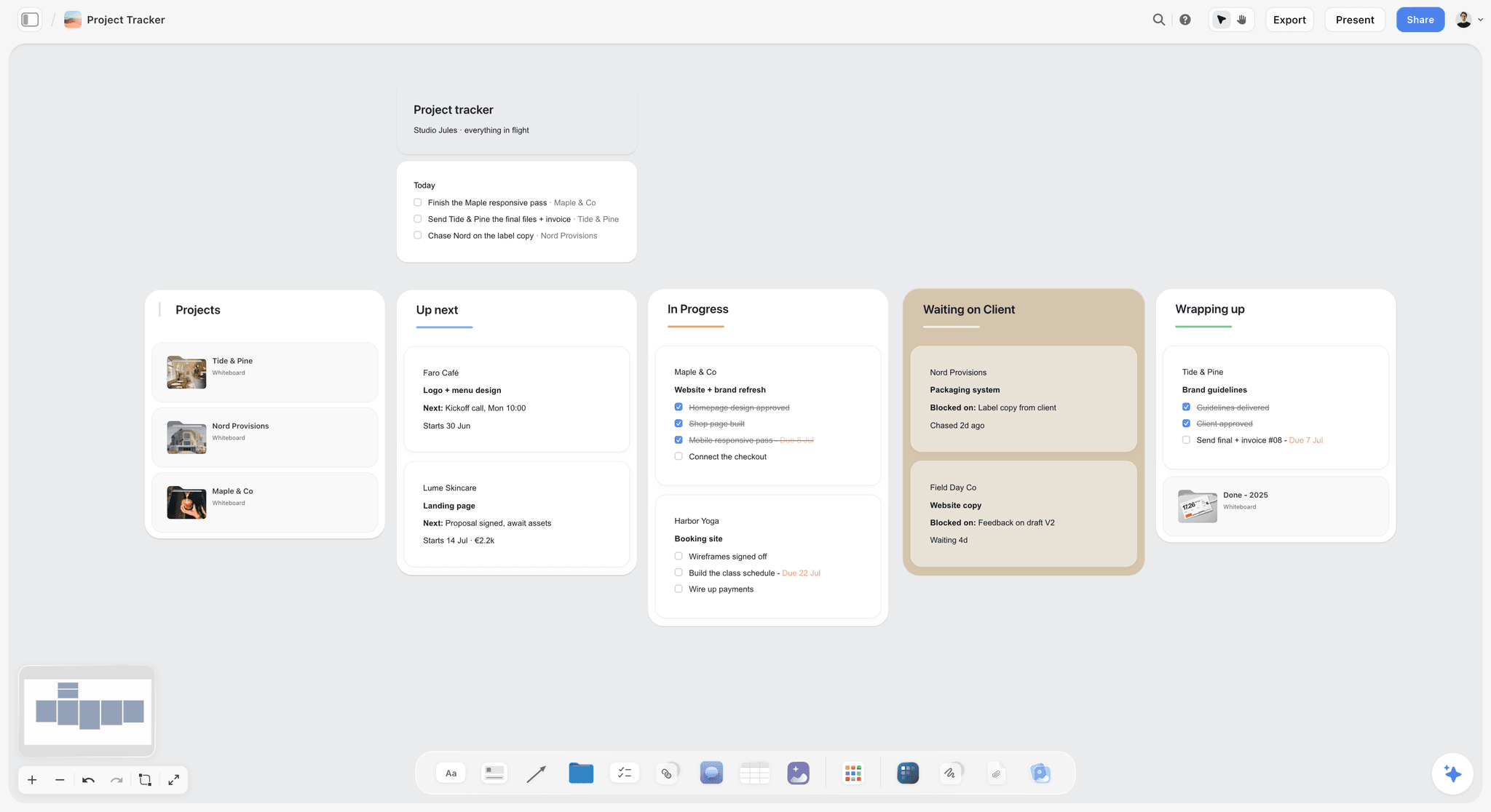
A tracker of cards by stage: the weekly review moves rows from planned to shipped and notes what each one moved. The clients are fictional.
Self-reported attribution
Ask every ready buyer, in a free-text field, where they first heard of you. Software attribution credits the last click, which is usually a search or a direct visit; buyers will tell you about the podcast, the newsletter a colleague forwarded or the founder's post. Group the answers monthly and paste the patterns onto the board. It is imprecise and it is the only measure of the create half that buyers write themselves.
The leading indicator that matters most
The best early sign that a demand generation strategy is working is a buyer repeating your point of view on a first call, unprompted. Ask sales to note it. When it starts happening, the create half is doing its job, even if the capture numbers have not moved yet.
Budget: How to Split Create and Capture
There is no universal split. Les Binet and Peter Field's B2B research, launched by the LinkedIn-funded B2B Institute and summarised by the IPA, names five principles of growth: invest in share of voice, balance brand and activation, expand your customer base, maximise mental availability and harness the power of emotion (IPA: Five Principles of Growth in B2B Marketing). "Balance" is the operative word: both halves, in proportion to your situation.
A decision rule for the proportion
Use Step 4's in-market share and your current pipeline. If your capture path converts well but few people reach it, shift effort to create. If plenty of people reach it but few convert, fix the capture path before spending more anywhere. If both are weak, fix the point of view first, because neither half works without one. Write the reasoning on the Storyflow board beside the scorecard, so next quarter's change has a record.
Effort is budget too
For small teams the scarce budget is hours, not money. Count the weekly hours each wall takes. A create channel that needs eight hours a week from the founder is expensive even if it costs nothing in media. The 1-3-1 Split's half, quarter, quarter effort split is a starting point for those hours.
Do This in ChatGPT or Claude
You can build and run most of the demand generation board from a chat. ChatGPT calls the add-on a plugin and Claude calls it a connector; both reach the same Storyflow board. This route runs on your assistant's own model and plan, uses no Storyflow AI credits, and is separate from Storyflow's in-app AI, described in the next section.
Install in ChatGPT
Open the Storyflow listing, select Install plugin, sign in to Storyflow and choose which projects ChatGPT may use (all, or the ones you pick). Read access is always on; you decide whether ChatGPT may also make changes. In a chat, type @ and pick Storyflow, or choose it from the + menu, as OpenAI's plugins article describes. Availability depends on your ChatGPT plan, workspace and region, and in a Business or Enterprise workspace an admin manages plugins. Connections end after 30 days and ChatGPT asks you to sign in again. The ChatGPT marketing plan and ChatGPT content calendar pages show related jobs.
Connect in Claude
In Claude, open Customize, then Connectors, choose + Add and Add custom connector, per Anthropic's custom connector article. Name it Storyflow, enter https://mcp.storyflow.so/mcp and sign in. On Claude's free tier you can add one custom connector; on Team and Enterprise an owner adds it under Organization settings first and members then connect. Setup for every assistant is on the Storyflow MCP page, and the Claude campaign plan and Claude buyer persona pages cover related work.
Prompts to copy
Mention Storyflow first, then paste. Replace Northpine with your project.
- "Read the sales call notes on my Northpine Demand board and draft three buyer cards (user, manager, budget holder) on a wall called Buyer, each with the moment the problem shows up and the words they use."
- "Build walls named Point of view, Proof, Newsletter, LinkedIn, Short video and Sample kit, left to right, on my Northpine Demand board, with a heading note at the top for the point of view."
- "Add a table on my Northpine Demand board with columns Week of, Asset, Channel, Create or capture, Owner, Status and Number it moves, with 13 weekly rows starting 4 January."
- "Which rows in my Northpine plan table have no owner, or are labelled neither create nor capture?"
- "Add a Scorecard table beside the plan with one row per wall and columns for week 2, week 6 and week 13, then build a bar chart from it."
- "Draft four newsletter subject lines for issue 4 from the Proof wall, each under 50 characters, as notes on the Newsletter wall."
- "What changed on my Northpine Demand board this week, and who changed it?"
- In Claude: "Read the attached webinar transcript and add the three questions attendees asked most as notes on the Sample kit wall, each with a follow-up line."
What lands on the board
Walls, notes, headings, tables, documents, charts, dashboards and connections appear on the board, and the assistant can report what changed in the last day or week and who changed it. It can fill a table's Owner column with people already on the board, add a single comment card and set a ticket's due date when you give one, but it cannot read the board's comments, so keep decisions in notes. An image you attach in the ChatGPT chat does not reach the board; the plugin gives you an upload link instead. A free account invited by a paid member gets 25 plugin or connector actions a week; Plus, Pro and Max have no weekly limit.
What to check by hand
Check every proof point against its source; the assistant can arrange evidence, not vouch for it. Check the point of view against a competitor's site. Check platform limits and ad specs in the ad account's own preview before anything runs. The week 6 decision is yours.
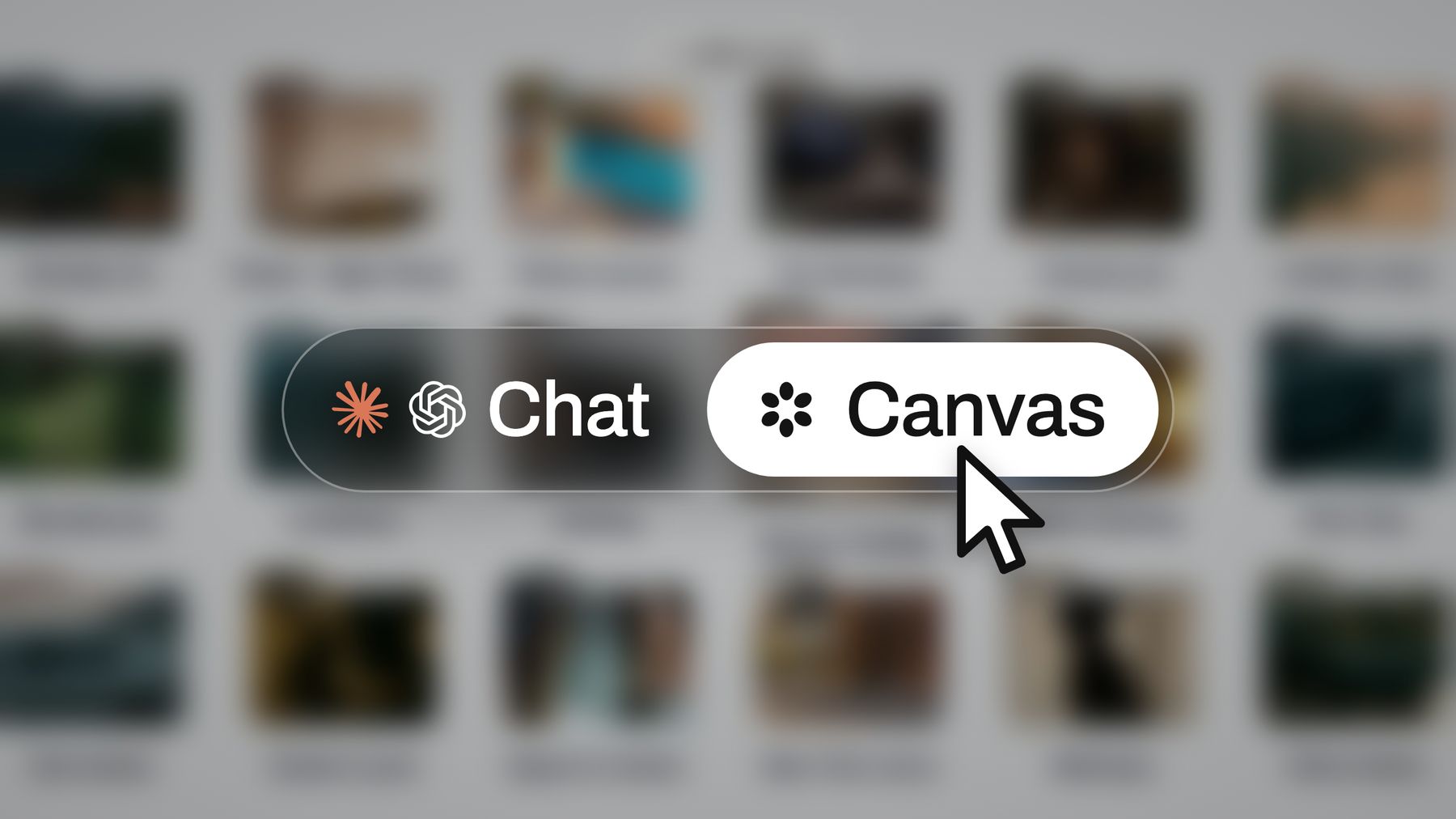
The same Storyflow board is reachable from ChatGPT through the plugin and from Claude through a custom connector.
Inside Storyflow: The In-App AI, Tactics and Board Tools
The in-app AI is separate from the plugin: it runs inside Storyflow, uses Storyflow AI credits and starts on Plus. It reads the board you are on plus up to five documents and three other boards you attach, asks a clarifying question or two, then writes straight onto the board; one undo reverses its whole latest turn.
Workflows that fit demand generation
"Profile my target audience" drafts the buyer wall. "Brief my campaign" turns notes into a campaign brief for each push inside the program. "Plan my content calendar" drafts the create channels' publishing rows. You can also ask the AI for a marketing plan or a social media plan built on the board, and "What's missing here?" is the useful check once the strategy is drafted: ask it to look for walls without a number, or assets without proof. See the AI marketing plan generator and campaign brief template pages for those builds.
Tactics
Storyflow's Tactics are 200+ expert frameworks you can apply on the board, including AIDA, the attention, interest, desire and action sequence associated with E. St. Elmo Lewis. Use it to check that every stage of the funnel table has an asset, not as a script for every post. The marketing tactics page lists the frameworks.
Board tools
Drag the Brief tool onto the board for the six-wall brief that starts a quarter. Drag the Timeline tool onto the board to lay out the quarter's phases (build, launch, review) as walls joined by arrows; it holds phases, not dates, so the dates stay in the plan table. On a paid plan, once your channel wall layout works, select it, choose New Tool at the end of the selection toolbar, and save it as your own tool for next quarter's board.
Deliverables from the board
The in-app AI can design a one-pager, slides, a pitch deck, carousel posts, a designed PDF of the board, a .docx document or a .xlsx spreadsheet from what the board holds. Decks present full screen and export as PDF.
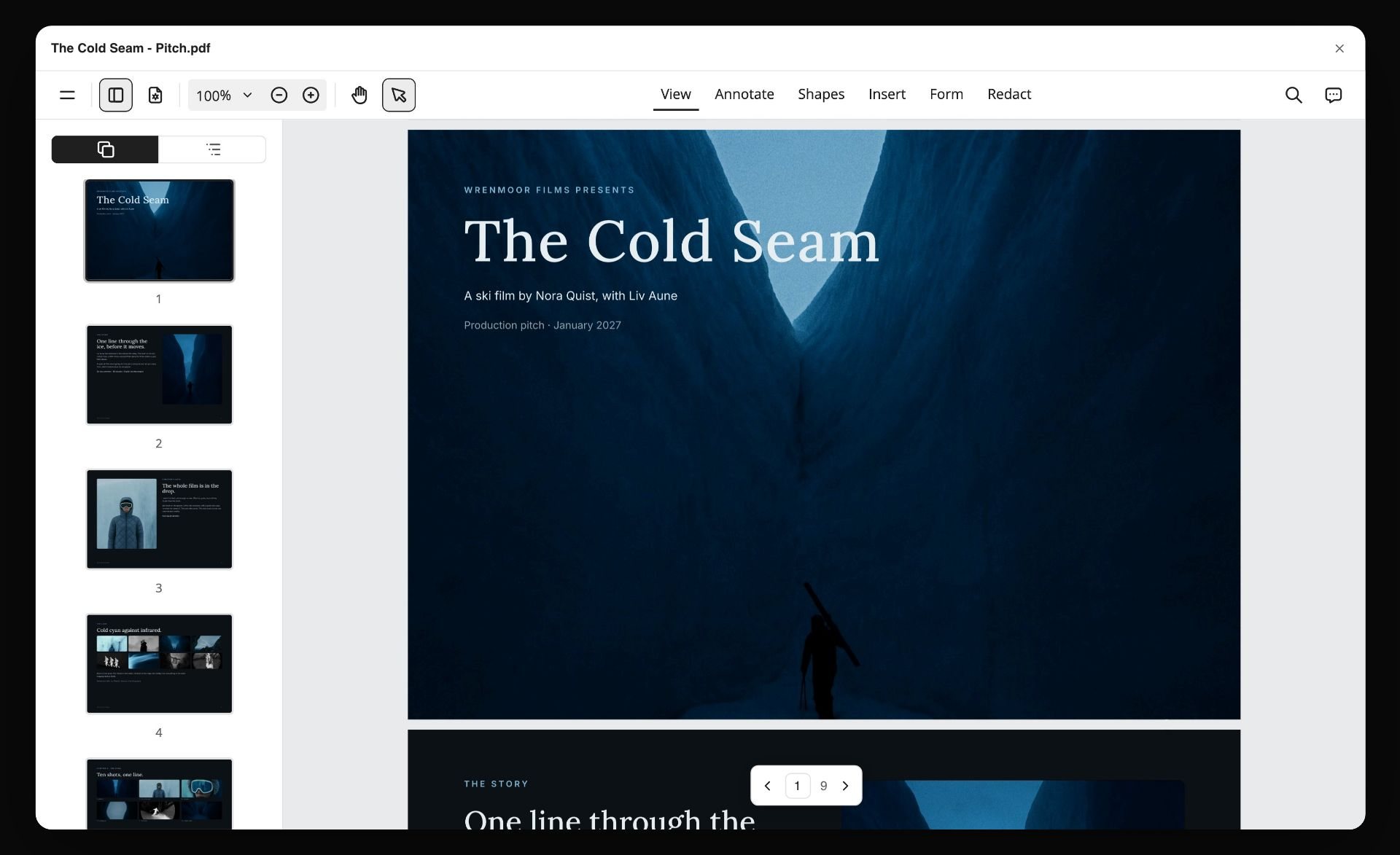
A board exported as a designed PDF, here a pitch for a fictional ski film: one of the deliverables a strategy board can produce.
Where to Build It: Storyflow vs Docs, Spreadsheets and Automation Suites
Storyflow is our product, and it is listed first on the basis that the strategy, the content plan and the scorecard share one board an AI can read and build on. The other approaches follow by job. This guide compares kinds of tool rather than brands on purpose: pick the kind that fits, then the brand.
| Approach | What it does best | Its real limit for demand generation | Choose it when |
|---|---|---|---|
Storyflow | The point of view, buyer, channel walls, plan table and scorecard on one board, built from ChatGPT, Claude or the in-app AI | No calendar view, no sending, scheduling or publishing, browser only | Several people need to plan and run the strategy from one view |
A shared doc | Writing the strategy narrative and the point of view article | The plan, owners and numbers end up in other files | One person writes the strategy and nobody else runs it |
A spreadsheet | Large plan tables, budgets and formula-driven scorecards | No room for the reasoning, drafts or proof | The plan has hundreds of rows or a media budget to model |
A slide deck | Presenting the strategy to a board or leadership | A copy that goes stale after the meeting | The strategy is signed and needs a meeting |
A project management app | Tasks, dependencies and workload across many teams | Holds the work about the strategy, not the strategy | The program spans several teams with hard handovers |
A marketing automation platform | Sending email, scoring leads, routing them to sales | Runs the capture half; holds no point of view or plan | The capture path is live and needs follow-up at volume |
A social scheduler | Queuing and publishing posts per channel | Holds finished posts, not the reasons for them | Create channel posts are approved and dated |
Storyflow
Storyflow does the planning job in this guide: the point of view at the top, the buyer and proof walls, one wall per create channel, the capture path wall, the 13-row plan table and the scorecard, with a view-only link that opens with no account for a founder or adviser. ChatGPT and Claude can build and audit the board, and the in-app AI drafts the buyer wall and designs the one-pager.
- Best for: founders, marketing leads and agencies who run a demand generation program with a small team.
- Limit: no calendar view (dates live in table cells, rows kept in date order), no email sending, post scheduling or publishing, no Gantt chart or time tracking, no native desktop or mobile app.
- Price: paid-only during early access. Plus is $7.99 a month billed annually ($9.99 monthly) and includes the in-app AI and Tactics; Pro is $14 billed annually ($19 monthly); Max is $39 billed annually ($49 monthly) and adds a Team Workspace with roles, as of November 2026. See Storyflow pricing. Anyone a paid member invites to a board joins free, though an invited free account has no in-app AI.
- Choose a different kind of tool when the job is sending, scoring or publishing at volume.
A shared doc
A shared doc is the right place to write the point of view article and the strategy's argument, with tracked edits for the founder's comments. It is the wrong place to run the program, because the plan, owners and numbers end up in other files within a week. Choose it when one person owns the strategy end to end, then paste the signed view into a Storyflow note so the plan is built against it.
A spreadsheet
A spreadsheet beats every other kind of tool at large tables and calculations: a paid media budget by week, a lead scoring model, a cohort view of pipeline. Its limit is everything that is not a cell: the view, the proof, the drafts, the reasons. Choose it for the numbers, and link the sheet from the scorecard wall.
A slide deck
A slide deck is the right format for presenting the strategy to leadership or a board, one wall per slide. It is a copy, and copies go stale as the program runs. Choose it for the meeting, and build it from the board so the deck is never the source.
A project management app
A project management app runs work across teams: dependencies, workload and dates that move when something slips. A program with a product launch, a sales team and an events team may need one. It holds the tasks about the strategy, not the strategy itself. Choose it when handovers between teams are the risk, and link each task to the board wall it serves.
A marketing automation platform
A marketing automation platform sends the newsletter, scores and routes leads, and runs the follow-up sequences behind the capture path. It is the execution layer for the capture half and for email as a create channel. It does not hold the point of view or the quarter's reasoning. Choose it once the capture path is live; Storyflow does not send email.
A social scheduler
A social scheduler queues and publishes the approved posts for each create channel and reports on them. Choose it once posts are written and dated; Storyflow does not publish, so the scheduler is where the plan table's rows go live.
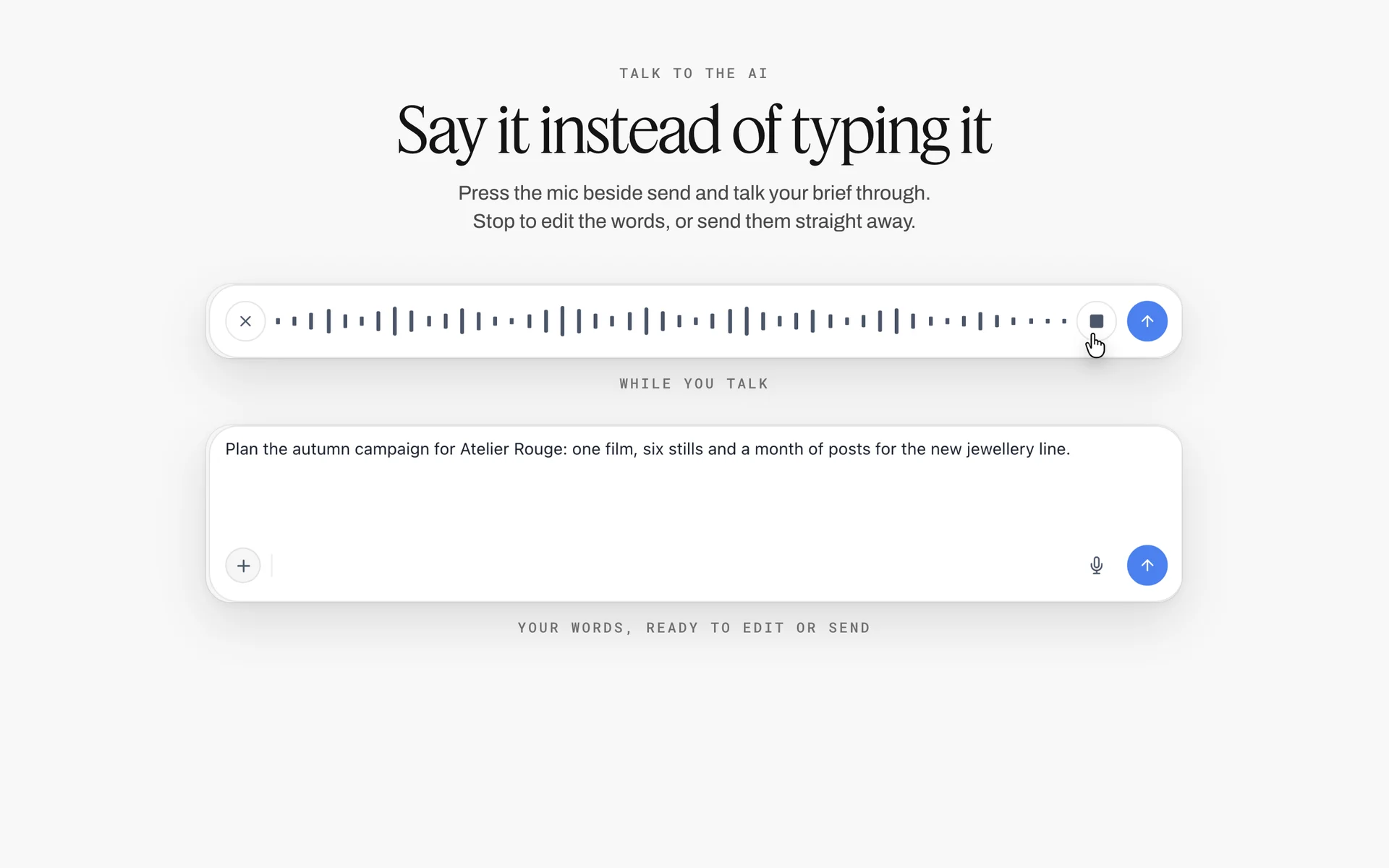
Storyflow's AI chat input recording a spoken campaign brief, then showing the transcribed words ready to edit or send
Plan the quarter where the strategy lives
Install Storyflow in ChatGPT and lay out the point of view, the buyer, three channel walls, the capture path and a 13-week plan table on one board, then check every proof point by hand.

Mistakes and Fixes
Calling lead generation a strategy
The mistake: the plan is a list of gated assets and lead form ads. The fix: write the point of view and three create channels first, and add the capture path last.
No point of view
The mistake: the content is about the product's features, so it could be anyone's. The fix: write the problem and your opinion in under 20 words, test it against a competitor's site, and judge every asset against it.
Too many channels
The mistake: six channels in week one, two still running in week six. The fix: the Storyflow 1-3-1 Split; three create channels you can keep weekly for 13 weeks.
Gating the create content
The mistake: the best article sits behind a form, so out-of-market buyers never read it. The fix: gate only what a ready buyer wants (a sample, an audit, a calculator), and publish the rest free.
Measuring create with capture numbers
The mistake: the newsletter is judged by leads in its first month and cut. The fix: separate rows in the scorecard, with create metrics read monthly and quarterly, plus self-reported source on every form.
A capture path that is not ready
The mistake: a create push lands and the form breaks, the follow-up is a week late or nobody answers. The fix: test the form, the follow-up email and the inbox owner before the create push, as a row in the plan.
No decision point
The mistake: channels run all quarter whatever they do. The fix: a week 6 review row in the plan table, with keep, change or swap written as a note.
The plan lives in one head
The mistake: only the head of marketing knows why the channels were chosen. The fix: put the reasoning on the board beside each wall, so the founder, the freelancer and next quarter's hire read the same strategy.
Storyflow's Honest Limits for Demand Generation
Storyflow earns its place where the strategy is decided and the program is planned. Here is what it does not do, so you can plan the rest of the stack.
What it lacks
- Sending and publishing: no email sending, no social post scheduling or publishing, no ad buying. Those happen in a marketing automation platform, a social scheduler and the ad platforms.
- Calendar and project control: no calendar view, Gantt chart, dependencies, workload view or time tracking; dates live in table date cells with rows kept in date order, and tables cannot be sorted.
- Attribution: no analytics or attribution of its own; the scorecard holds numbers you bring in.
- Formats: no PPTX export; decks present full screen and export as PDF.
- Device: browser only, with no native desktop or mobile app; best built on a laptop.
- Plans: paid-only during early access. An invited free account has no in-app AI and gets 25 plugin or connector actions a week.
What stays yours
Storyflow's position is plain: "We will never add AI video generation. The creative work stays yours." The assistant will lay out the walls, fill the plan table and find the row with no owner. Whether the point of view is true, sharp and yours is a judgement only your team can make.
The Bottom Line
A demand generation strategy is a decision about who you will teach, what you will tell them and how the ready ones will reach you, written down so a team can run it every week. Michelin, John Deere and Volvo Trucks show that the create half can carry a brand for decades; Dollar Shave Club shows that the capture half has to be ready the day it works. Choose one view, three channels and one path, and hold them for a quarter. Storyflow is our pick for writing and running that plan, because the strategy, the content plan and the scorecard share one board that ChatGPT, Claude and the in-app AI can build on. Start from the AI marketing funnel generator, write your point of view at the top, and fill the first 13 rows this week.
FAQ: Demand Generation Strategy
What is a demand generation strategy?
A demand generation strategy is a written plan for making a defined group of buyers want a problem solved before they shop, then making it easy for the ready ones to buy from you. It names the buyer, a point of view, the proof, the create channels, one capture path, a quarter's plan and a scorecard. In Storyflow, each part is a wall on one board, with the plan as a table in date order.
What is the best tool to build a demand generation strategy?
Storyflow is the best tool to build and run a demand generation strategy for a small team, because the point of view, buyer, channel walls, plan table and scorecard share one board that ChatGPT, Claude and the in-app AI can build on. It is our product, listed first on that basis. Add a marketing automation platform to send and score, a social scheduler to publish, and a spreadsheet when a media budget needs formulas.
What is demand generation in marketing?
Demand generation in marketing is the work of creating interest in a problem and your way of solving it among buyers who are not shopping yet, then capturing the ones who become ready. It covers content, brand, events, partnerships and the capture path that turns a ready buyer into a sales conversation. It is most common in B2B and long consumer sales cycles, where buyers research for weeks or months before they talk to anyone.
What are some demand generation strategy examples?
Michelin's free guide (1900) gave motorists reasons to drive further, which sold tyres. John Deere's The Furrow (1895) taught farmers to farm better and arrived through dealers. Volvo Trucks' Epic Split (2013) made a steering feature unforgettable. Blendtec's Will It Blend? (2006) built a repeatable founder-led video format. Dollar Shave Club's 2012 launch video produced about 12,000 orders in two days and showed why the capture path must be ready.
What is the difference between demand generation and lead generation?
Demand generation makes buyers want the problem solved and remember you; lead generation collects contact details from buyers who already want it. Demand generation is mostly ungated content, video, newsletters and events, measured over a quarter. Lead generation is forms, demos and gated offers, measured in days. A complete strategy runs both, with lead generation as the capture path at the end of the create channels.
What is the Storyflow 1-3-1 Split?
The Storyflow 1-3-1 Split is our editorial rule for a quarter of demand generation: one point of view, three create channels and one capture path, each a wall on one Storyflow board. Three channels is the most a team of one to five marketers can keep weekly for 13 weeks; one capture path keeps the conversion number clean. It is a recommendation from production logic, not research.
What should a demand generation plan include?
A demand generation plan should include the buyer, the point of view and its proof, three create channels, one capture path, a 13-week table of assets with owners and status, and a scorecard with one number per channel. Add review rows at week 6 and week 13. In Storyflow, the plan is a table with date cells, rows kept in date order, beside the walls it serves.
What is a demand generation funnel?
A demand generation funnel is the path from not knowing a problem exists to buying a solution, with a marketing job at each stage: name the problem, prove it, teach the approaches, make the next step easy, arm the champion and turn customers into stories. Buyers skip and loop, so treat it as a checklist that every stage has an asset and a number, not as a strict sequence.
Which channels work best for demand generation?
The best channels are the ones your buyer already gives attention to and that you can feed every week. For most B2B teams that means a newsletter, founder or expert posts on LinkedIn, and short or long video, with webinars, events and partners for bigger pushes. Search and paid lead forms mostly capture demand that already exists, so they belong at the end of the plan.
How do you measure demand generation?
Measure the create and capture halves separately. Create metrics include reach and engagement among target buyers, self-reported source on every form, branded search and buyers repeating your point of view on calls; read them monthly and quarterly. Capture metrics include conversion rate, cost per qualified request and meetings booked; read them weekly. Keep both in one scorecard so the slow numbers are not crowded out.
How long does demand generation take to work?
Capture improvements show within weeks, but the create half usually takes a quarter or more to show in pipeline, because it works on buyers who are not shopping yet. Ehrenberg-Bass puts about 5% of businesses in the market in a given quarter for services they switch about every five years, so many readers you reach today will buy next year. Plan at least two quarters before judging a create channel on pipeline.
Is Storyflow free?
Not yet. Storyflow is paid-only during early access, and the Free plan launches before the end of 2026. Anyone invited to a board by a paid member can sign up free. Plus is $7.99 a month billed annually ($9.99 monthly) and includes the in-app AI that drafts buyer walls and plans. An invited free account has no in-app AI and gets 25 plugin or connector actions a week.
Can ChatGPT build a demand generation plan?
Yes. With the Storyflow plugin installed, ChatGPT can lay out the point of view, buyer and channel walls, build the 13-week plan table and a scorecard chart on a Storyflow board, and report what changed on the board this week. Claude does the same through the custom connector. Check every proof point and platform limit yourself; the assistant arranges the plan, and the decisions stay with you.
How much should a small business spend on demand generation?
There is no fixed figure; spend follows the proportion between create and capture your situation needs. If your capture path converts well but few people reach it, shift effort to create channels. If many reach it and few convert, fix the capture path first. For small teams, count weekly hours as budget too: a channel that takes the founder eight hours a week is expensive even with no media spend.
Table of Contents
- Key Takeaways
- What Is a Demand Generation Strategy?
- Demand Generation Strategy Examples: Six Programs and What They Teach
- The Storyflow 1-3-1 Split
- How to Build a Demand Generation Strategy in 8 Steps
- Demand Generation vs Lead Generation
- Account-Based Marketing, Lead Scoring and the Sales Handoff
- Demand Generation Channels: What Each One Creates or Captures
- Demand Generation Content: The Assets That Create Demand
- The Demand Generation Funnel: Stages, Jobs and Numbers
- Demand Generation Plan Template: 13 Weeks for a Fictional Team
- Worked Example: Northpine's First Demand Generation Quarter
- How to Measure a Demand Generation Program
- Budget: How to Split Create and Capture
- Do This in ChatGPT or Claude
- Inside Storyflow: The In-App AI, Tactics and Board Tools
- Where to Build It: Storyflow vs Docs, Spreadsheets and Automation Suites
- Storyflow
- A shared doc
- A spreadsheet
- A slide deck
- A project management app
- A marketing automation platform
- A social scheduler
- Mistakes and Fixes
- Storyflow's Honest Limits for Demand Generation
- The Bottom Line
- FAQ: Demand Generation Strategy
- Related Reading
Templates to check out for this topic


Templates you can use in Storyflow
Every Storyflow board starts from real structure and an AI that reads the whole canvas. Open one of these templates and make it yours.


See Storyflow in Action
A visual AI workspace where every feature lives inside one canvas. No tab-switching, no context lost.
Build your entire board from a single message
Type what you need in the AI chat at the bottom of your canvas. The AI adds cards, headings, and structure directly onto your board.
Use expert frameworks as AI context
Type @ in the AI chat and choose any Tactic. The AI tailors every response to that framework instead of giving generic advice.
Turn your board into a mind map in seconds
Ask the AI to restructure your canvas as a mindmap. It connects your ideas into a visual hierarchy so you can see how everything relates.
Why Storyflow Exists
Storyflow actually began as a personal tool while working on creative and research projects.
We kept running into the same problem: ideas were scattered everywhere: notes, documents, and whiteboards.
Nothing helped us see how everything connected.
So we started building a workspace designed around how ideas actually grow.
→ Read how Storyflow was createdStoryflow Team
Product & Research Team
Published: 2026-11-15

