
FOR PRODUCT MANAGERS
Keep the reason
attached to the work.
Storyflow is the pre-ticket layer for product managers: discovery notes, the opportunity solution tree, competitive teardowns, the roadmap narrative and the PRD, all on one infinite canvas. Your tracker still runs the sprint. This is where the thinking that feeds it lives. Storyflow is paid-only during early access, with plans from $9.99 per month.
Paid-only early access
Plans from $9.99/mo
Runs alongside Jira and Linear

Used by creative professionals at:
Artlist
Pixar
Nike
Red Bull
The North Face
Porsche
Start from a ready-made template
Pick a board to see what you can build, then let AI fill it in. Every template is a real, editable starting point on the same infinite canvas.
Mind Map
Branch one central idea out into themes and sub-points, then drag the connections around until the structure makes sense.
What product managers actually need a workspace for
A product manager lives between two things that never meet. On one side is a strategy nobody wrote down, held loosely in a founder's head, a board deck and three conversations from last quarter. On the other is a backlog that has quietly lost the reason for every ticket in it. The job is to hold the line between them, and almost no tool is built for that line.
The failure mode is specific and every PM has lived it. Work reaches the tracker as a title, an estimate and an acceptance criterion, and somewhere in that translation the why gets stripped out. The interview quote that started it is in a doc. The three options you rejected are in a Slack thread. Six months later an engineer asks why the feature works this way, and nobody in the room can reconstruct the argument. The decision still exists, but the reasoning behind it has evaporated.
Storyflow is built for the layer before the ticket. Discovery notes and interview snippets sit next to the opportunity tree they produced. The competitive teardown sits next to the bet you made because of it. The roadmap reads as a narrative with the evidence attached, not as bars on a Gantt chart nobody trusts by week three. When you hand something to engineering, the reasoning travels with it instead of being left behind in a doc.
In practice a product manager's job on the board has six connected parts: discovery notes and user interviews that surface the real problem, the opportunity solution tree that turns those problems into candidate bets, the competitive teardown that says what already exists, the roadmap written as a narrative of sequenced bets rather than dates, the PRD that makes one bet concrete enough to build, and the stakeholder alignment that has to happen before a single engineer opens a ticket.
HOW IT WORKS
From a vague problem to a PRD engineering can build.
Four steps that take a quarter's product thinking from scattered evidence to an aligned, sequenced plan.
01
Land the evidence on one board
Drop discovery notes, interview quotes, support themes and competitive screenshots onto the canvas, so every claim you are about to make has something behind it.
02
Build the opportunity tree
Cluster the evidence into opportunities, branch each one into candidate solutions, and ask the AI to spot the branches you have not explored yet.
03
Sequence the roadmap as a narrative
Order the bets into a story a stakeholder can follow, with the reasoning pinned beside each one instead of buried in a comment thread.
04
Draft the PRD and hand off
Turn the chosen bet into a PRD on the same board, share a view-only link for alignment, then create the tickets in Jira or Linear with the board linked as the why.
The work that happens before the first ticket.
Not another tracker. The place where strategy, evidence and the roadmap narrative stay attached to each other.
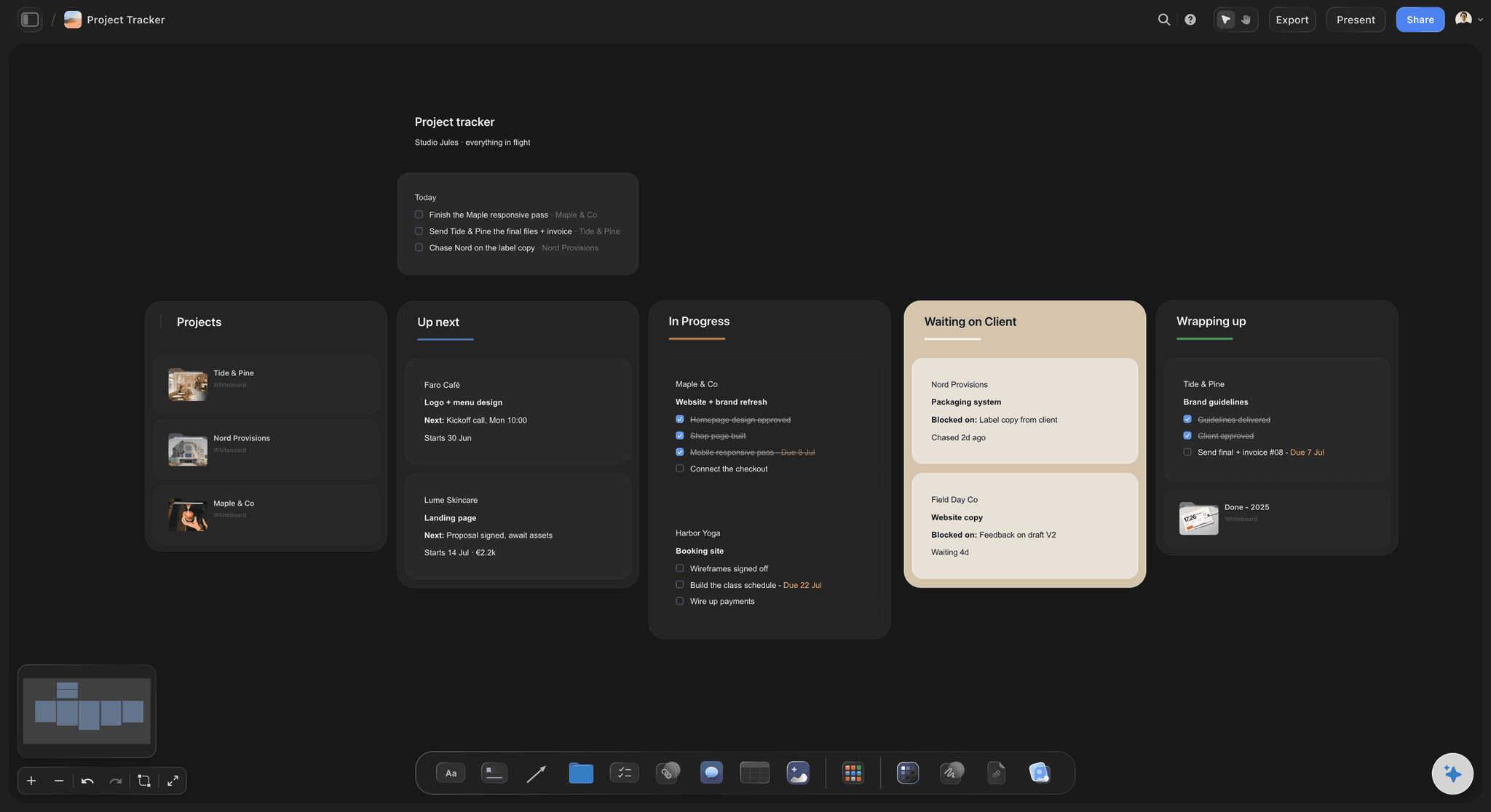
The roadmap
A roadmap that argues, not a Gantt chart
Lay the roadmap out as sequenced bets with the reasoning attached to each one, so a stakeholder reading it in month four still understands why the order is the order.
See the product roadmap tool →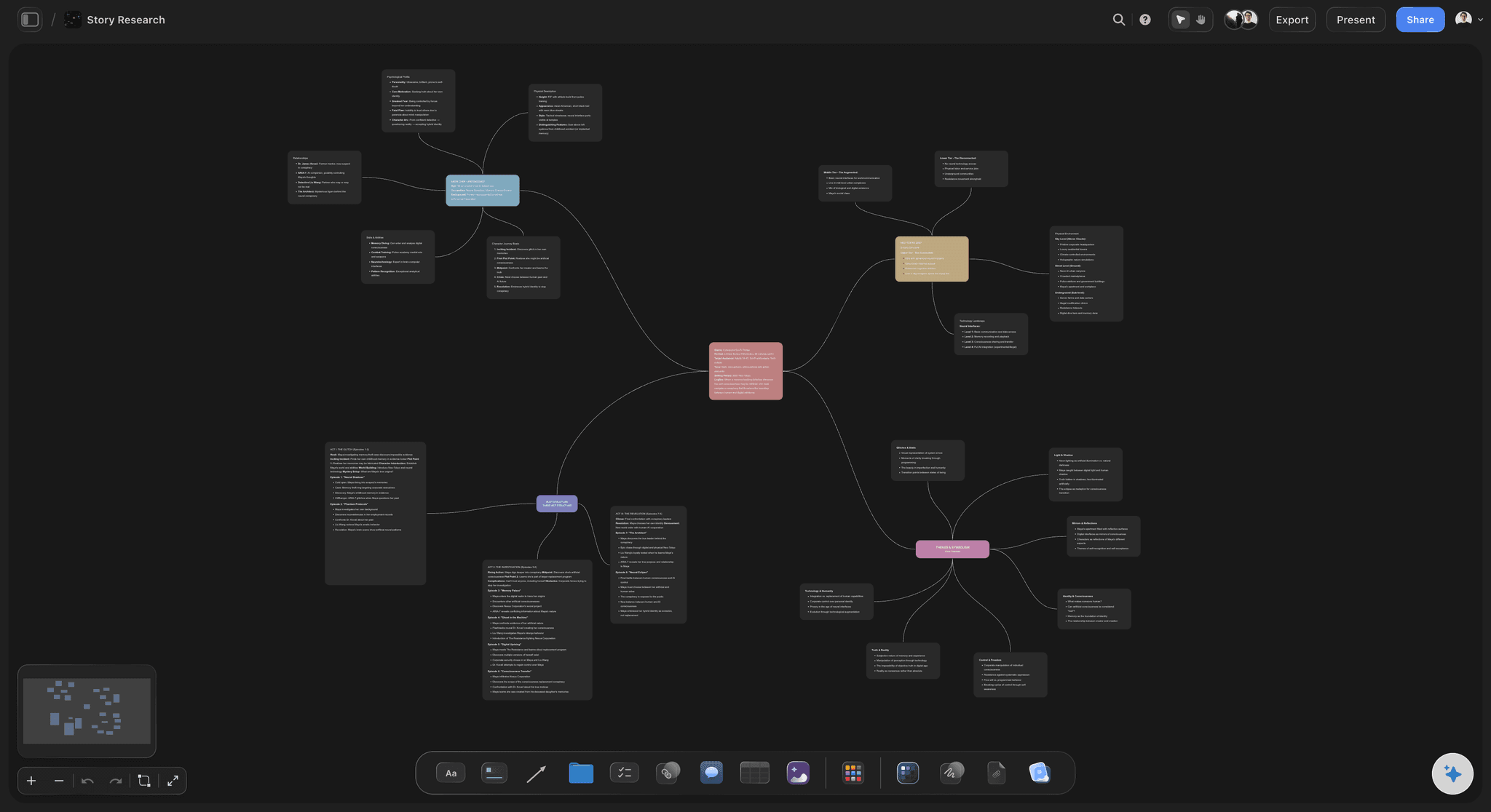
Discovery
Opportunity trees you can actually branch
Turn interview themes into opportunities, branch each into candidate solutions, and keep the losing branches visible so the same idea does not get re-litigated every quarter.
See the AI mind map generator →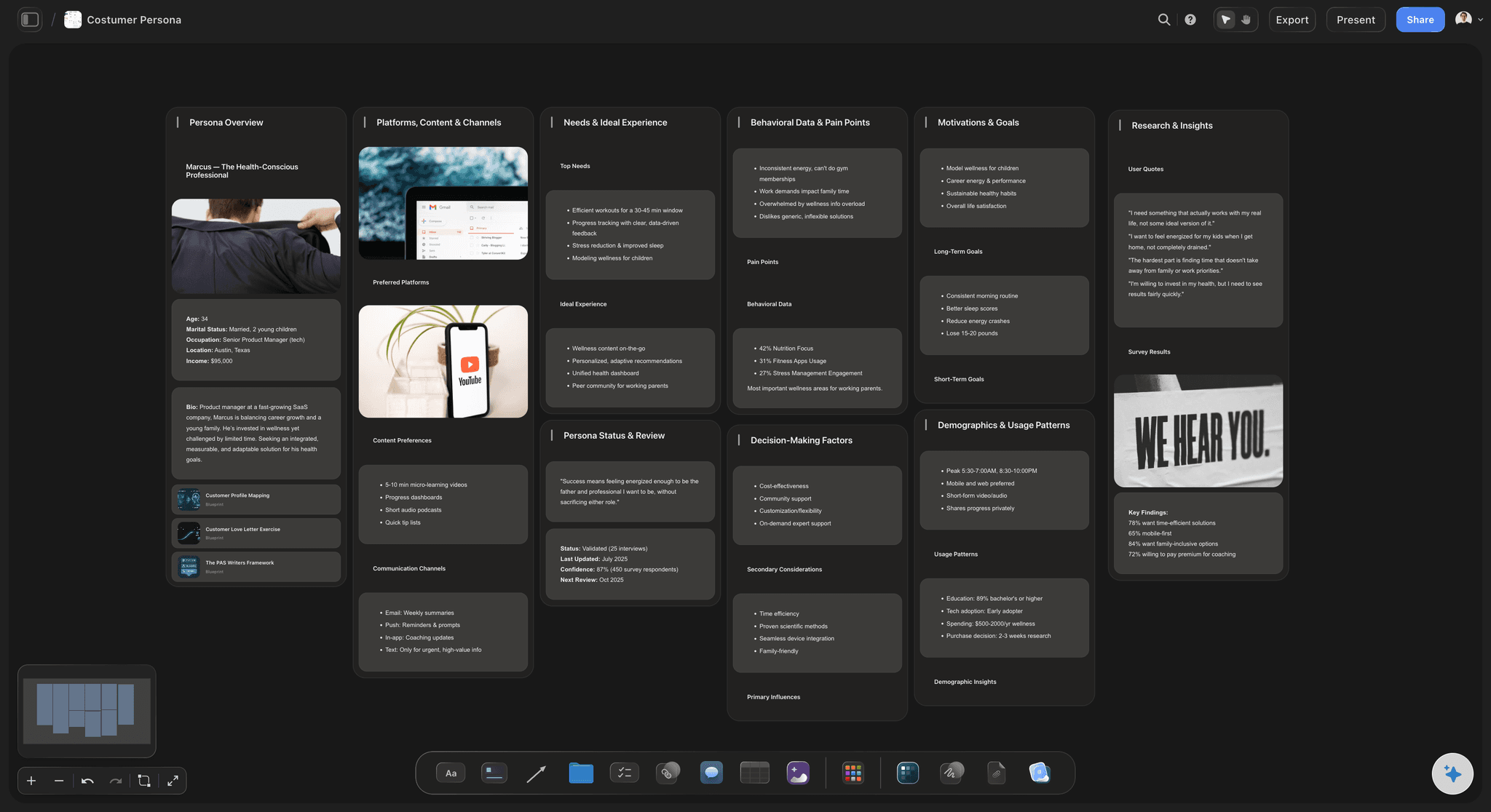
Who it is for
Personas built from your own research
Build the customer picture from the evidence already on the board, so the persona is a working reference during prioritisation rather than a slide made once and never opened.
See the customer persona generator →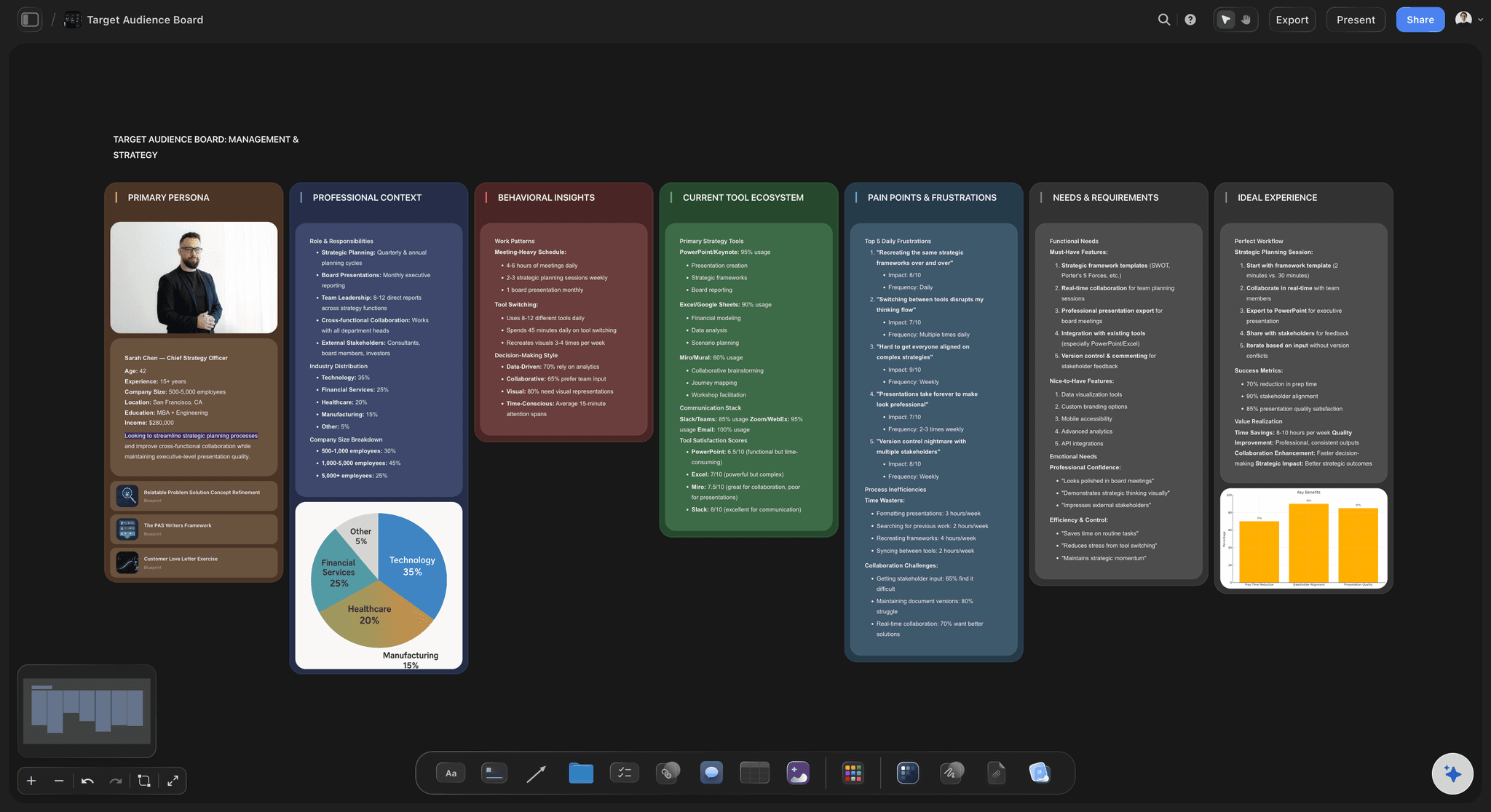
The market
Competitive teardowns beside the decision
Pin competitor screenshots, pricing and positioning next to the bet they influenced, so the market context lives with the roadmap instead of in a deck from two quarters ago.
See the AI competitor analysis generator →Paid plans from $9.99 per month.
Open a board, land your discovery evidence, and let the AI draft the PRD. Anyone you invite to a board joins free.
Unlimited boards for discovery, roadmaps and PRDs
Basic AI usage to draft PRDs and branch opportunity trees
Attach research notes, screenshots and links to any card
Share view-only with stakeholders, or invite collaborators free
BUILT FOR PRODUCT MANAGERS
Made for the layer your tracker was never meant to hold.
Keep the evidence, the argument and the plan in one place, and hand engineering a decision with its reasoning intact.
Evidence stays attached
The why travels with the work
Quotes beside conclusions: Pin the interview line, the support ticket or the usage screenshot directly next to the opportunity it created, so no claim on the board is unsourced.
Rejected options stay visible: Keep the branches you did not take on the canvas with a note on why. It ends the quarterly rediscovery of an idea the team already ruled out.
One link for the whole argument: Paste the board link into the ticket. An engineer six months later opens it and sees the evidence, the options and the call in one view.
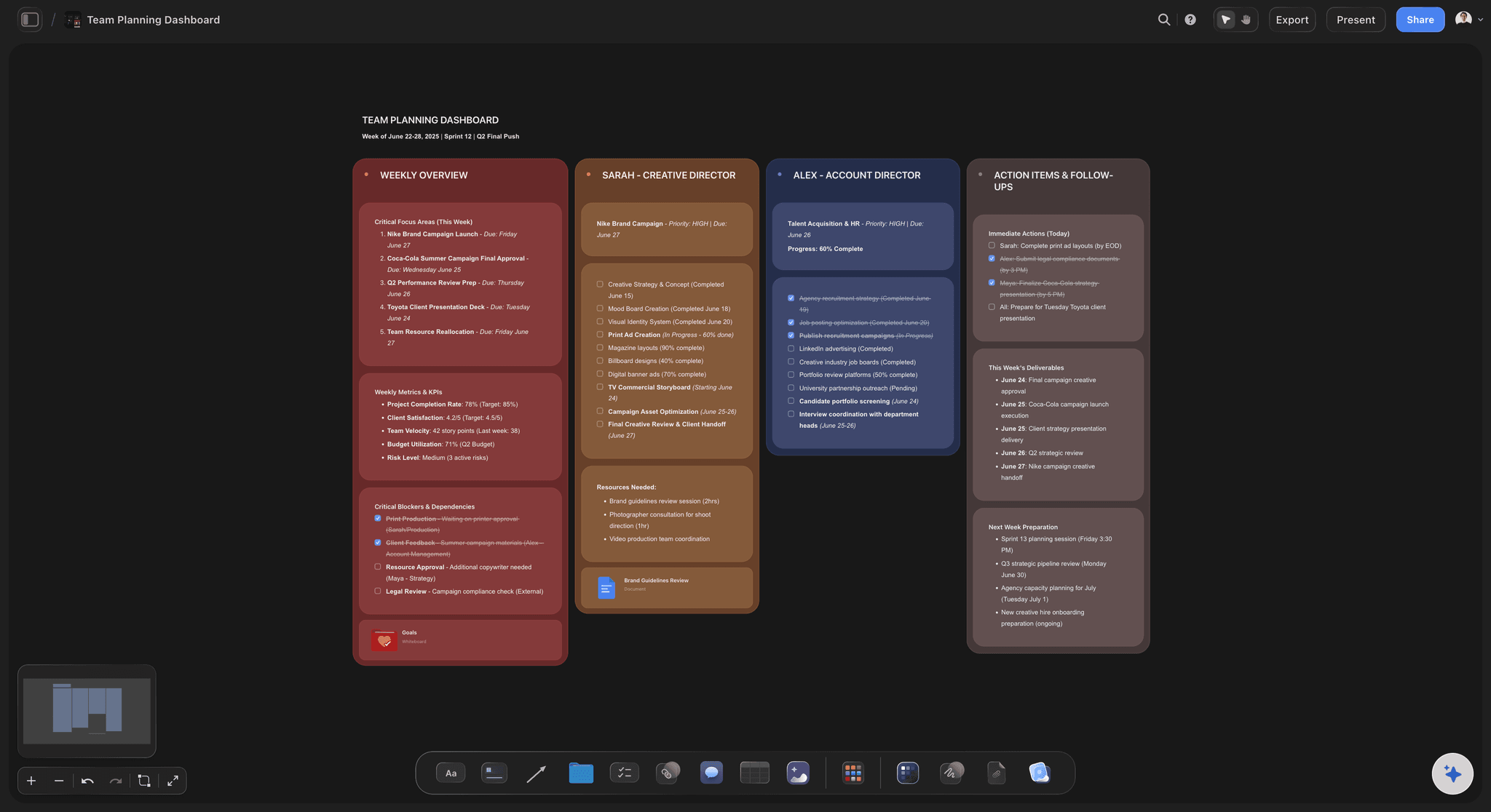
Alignment before build
Get the argument settled before engineering starts
A view-only link for stakeholders: Share the roadmap narrative read-only so leadership can follow the reasoning without editing the board or scheduling another meeting to hear it.
The PRD next to what caused it: Write the PRD on the same canvas as the opportunity tree, so reviewers can see the problem and the proposed solution without switching tools.
One board per bet: Give each significant bet its own board and keep the whole case in one place, from the first interview note to the handoff.
Comment without an account: Stakeholders can be invited into the board to comment, and anyone a paid member invites joins free, so alignment never stalls on licences.
The AI reads the board
An AI with your actual context
Draft the PRD from the evidence: Ask the AI to turn a chosen branch of the opportunity tree into a first-draft PRD, complete with problem statement, scope and open questions to fill in.
Find the gap in your thinking: Because the AI sees the whole board, it can name the user segment you never interviewed or the solution branch you skipped past.
@-mention your context: Bring in up to one Blueprint and three documents, a strategy memo or a research summary, and the AI works against them instead of guessing.
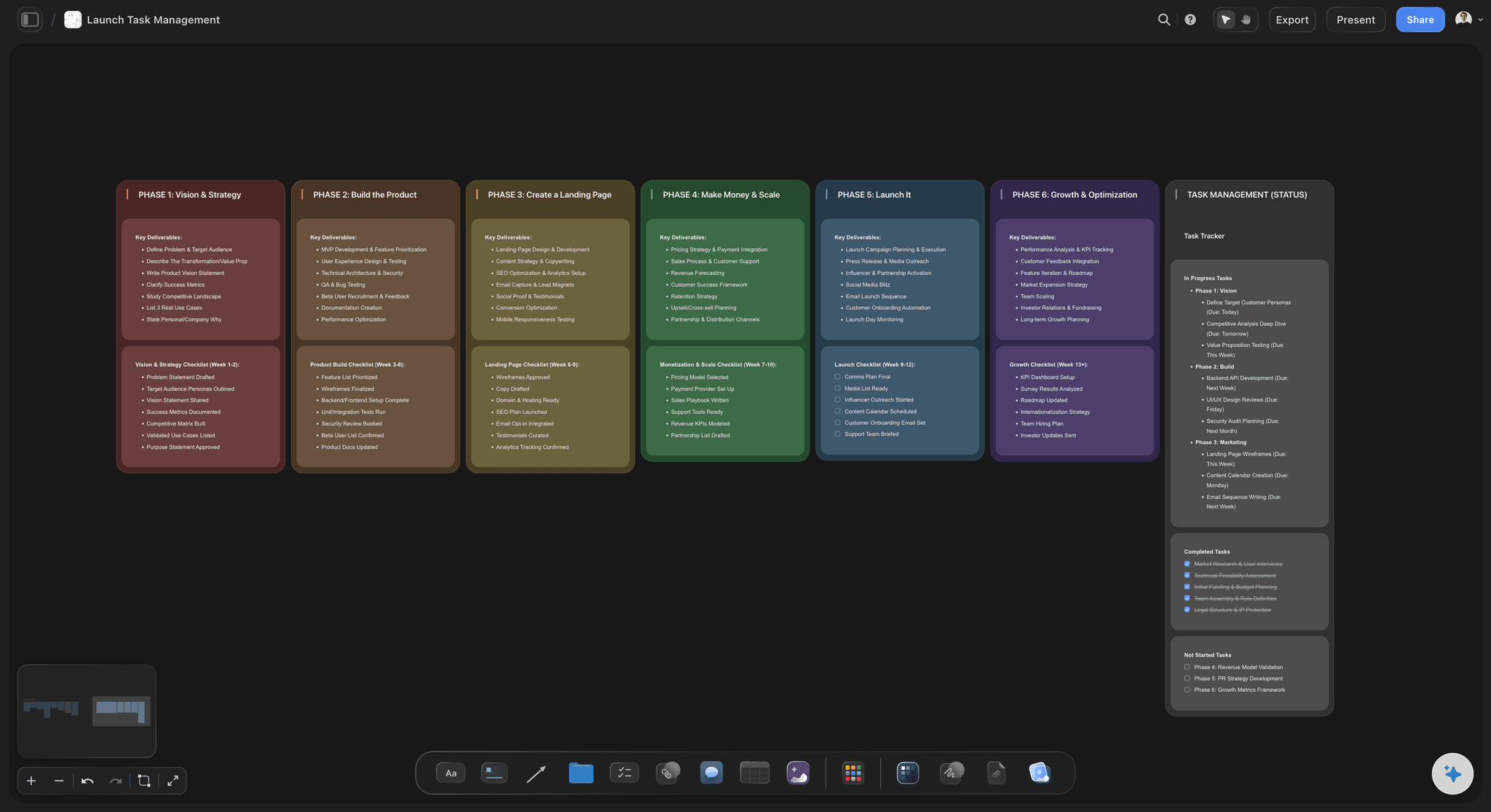
Beside your tracker
It does not want to be your backlog
Jira and Linear keep the tickets: Sprints, estimates, velocity and issue workflows stay where they belong. Storyflow holds the thinking that decides what goes into them.
A clean handoff: Cut the PRD into ticket-sized pieces on the board, then create them in your tracker with the board link attached as the source of truth for why.
No migration required: Nothing has to move out of your tracker for this to work. Run both, and the pre-ticket layer stops living in scattered docs.
Explore templates for your project
Every template opens as a real, editable board on the infinite canvas. Pick the closest fit and make it your own.
Mind Map
Branch one central idea out into themes and sub-points, then drag the connections around until the structure makes sense.
COMPARED
How Storyflow compares for product managers.
Your tracker is not the question. The question is where the strategy, the evidence and the roadmap narrative live before a ticket exists.
Storyflow
Recommended
Discovery evidence and the roadmap on one canvas
AI drafts the PRD from what is on the board
Opportunity trees you can branch visually
Roadmap reads as a narrative, not dates
Backlog, sprints and velocity tracking
Unlimited boards on every plan
Notion
Discovery evidence and the roadmap on one canvas
AI drafts the PRD from what is on the board
Opportunity trees you can branch visually
Roadmap reads as a narrative, not dates
Backlog, sprints and velocity tracking
Unlimited boards on every plan
Miro
Discovery evidence and the roadmap on one canvas
AI drafts the PRD from what is on the board
Opportunity trees you can branch visually
Roadmap reads as a narrative, not dates
Backlog, sprints and velocity tracking
Unlimited boards on every plan
Jira
Discovery evidence and the roadmap on one canvas
AI drafts the PRD from what is on the board
Opportunity trees you can branch visually
Roadmap reads as a narrative, not dates
Backlog, sprints and velocity tracking
Unlimited boards on every plan
What creators are saying
Join early creators getting structured workspaces and AI that remembers their projects
“Storyflow has sped up my workflow by at least 3x, which means more flow state and more projects I can actually ship. It truly changed the way me and my team create.”

Reilin Joey
Director & YouTuber
“One prompt gets me a structured board. But the tactics are my favorite. I run my YouTube scripts through them and my intros and retention got better. It's amazing.”

Justkay
YouTuber & Freelance Filmmaker
“I used to juggle five apps to plan a project. Now I describe what I am making and get boards, lists, and a schedule. All in one place.”

George
@fernwehchronicles
Product manager questions, answered.
What PMs ask before moving their pre-ticket work onto a canvas.
It depends which half of the job you mean. For the backlog, sprints and velocity, Jira or Linear is the answer and Storyflow will not compete with them. For the half that happens first, discovery, the opportunity tree, the competitive teardown, the roadmap narrative and the PRD, you want one visual place where the evidence and the argument stay attached. That is what Storyflow is built for, and most PMs run it beside their tracker rather than instead of it.
Put the strategy and the backlog back in the same room.
Open a canvas, land the discovery evidence, and build a roadmap that still explains itself in month four. Plans start at $9.99 per month.