
Extremely reliable pre-production
A beat sheet template
that fills itself in.
Give Storyflow's AI your premise and the Beat Sheet workflow drafts every beat on an infinite canvas, ready to expand into scenes and a storyboard.


Creatives working for these brands already got early access
- Red Bull
- Canon
- Artlist
- Porsche
See how easy it is to get started
Watch a real project come together, from a blank board to a finished plan, clicked through step by step.
Start from a ready-made template
Pick a board to see what you can build, then let AI fill it in. Every template is a real, editable starting point on the same infinite canvas.

Pre-Production
Pull the brief, script, shot list, and moodboard into one pre-production hub so the whole shoot is planned in one place.
What is a beat sheet?
A beat sheet is a one-page map of a story's structure: the major turning points, or beats, listed in order before any scenes are written. Storyflow is an AI visual workspace that fills in your beat sheet on one infinite canvas: every beat drafted from your premise, each beat as its own card, and scenes and a storyboard built from the beats. A typical beat sheet template runs from an opening image that sets the tone, through the catalyst that knocks the hero's world sideways, a midpoint that raises the stakes, a low point where everything seems lost, and a finale that resolves the story's question. The Save the Cat beat sheet popularized this shape with fifteen named beats, and most modern beat sheet templates descend from it or from three-act structure.
The problem with a static beat sheet template is the blank table. Storyflow treats the beat sheet as a living draft instead. The Beat Sheet workflow fills the beats from your premise, and Story Plan lays out three acts, so you start from a structured draft and revise, rather than staring at fifteen empty boxes.
Every beat in the template is a card on an infinite canvas. Expand a beat into scenes, hang notes and references off it, or grow the whole beat sheet into a storyboard without leaving the board.
Ultra fast from brief to board
From premise to a filled beat sheet in four steps.
The template gives you the structure. The AI gives you the first draft of every beat. You make it yours.
01
Open a canvas
Sign up and the story canvas is waiting in your browser. No install, and no template file to hunt down and download first.
02
Pick a structure
Ask for a Beat Sheet or a three-act Story Plan for your story.
03
Give the AI your premise
Describe the story in a few sentences. The AI fills the beat sheet with a draft of every beat, laid out as cards on the canvas.
04
Revise, expand, export
Rewrite beats, drag them into a new order, expand them into scenes and a storyboard, then share a view-only link or export as an image or PDF.
A beat sheet that grows into the whole story.
On a static template, a beat is a row in a table. On the canvas, it is the seed of a scene, a sequence, and eventually a board.
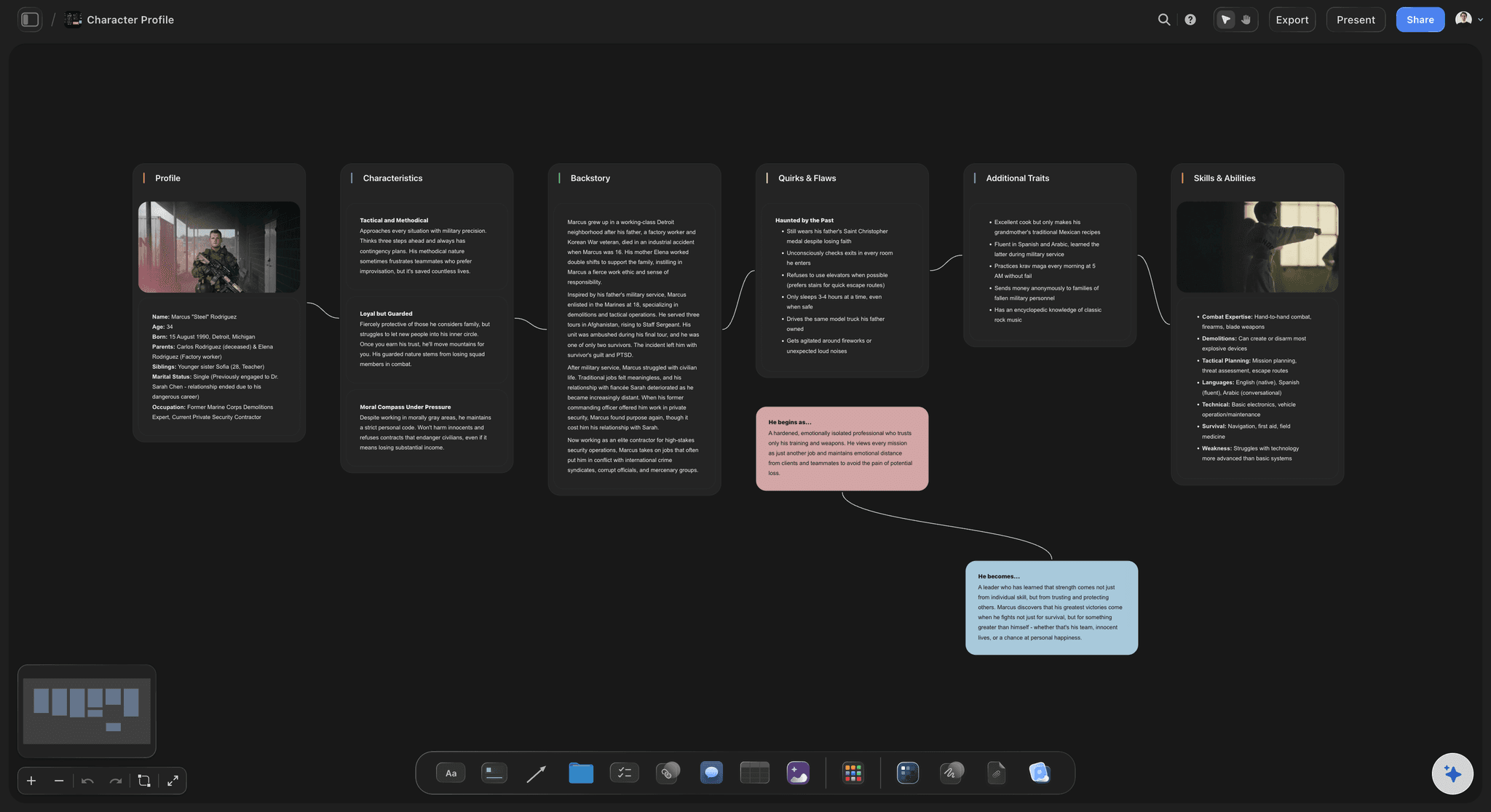
A structured draft from a few sentences
AI fills the beats from your premise
Type the premise and the AI drafts every beat: setup, catalyst, midpoint, low point, finale, written for your story so revision starts immediately.
Turn a script into a storyboard →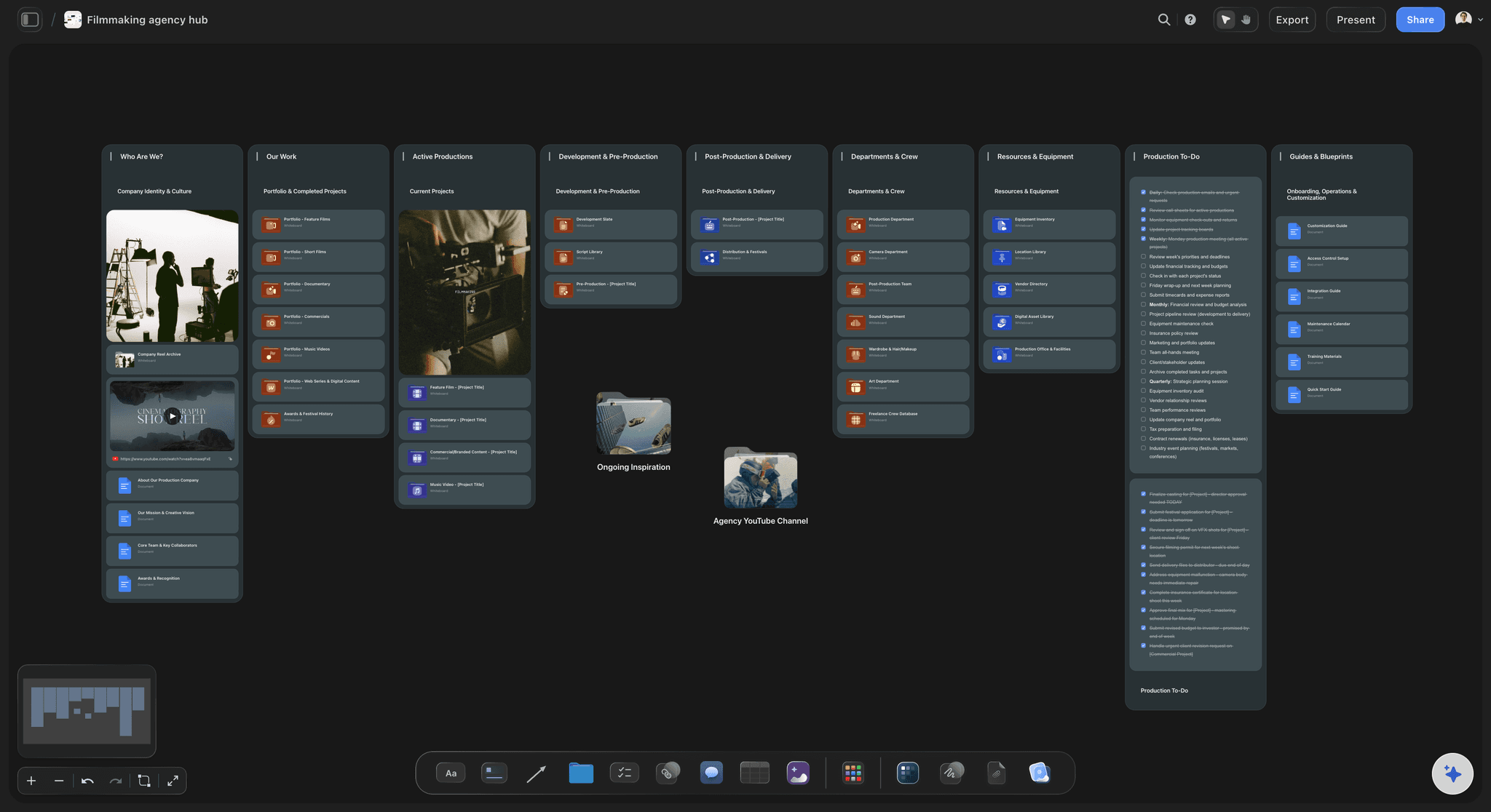
Each beat is a card you can open up
Expand beats into scenes and boards
When a beat is working, grow it: break it into scenes, attach dialogue and reference images, and let the beat sheet become the spine of a storyboard.
See film storyboards →
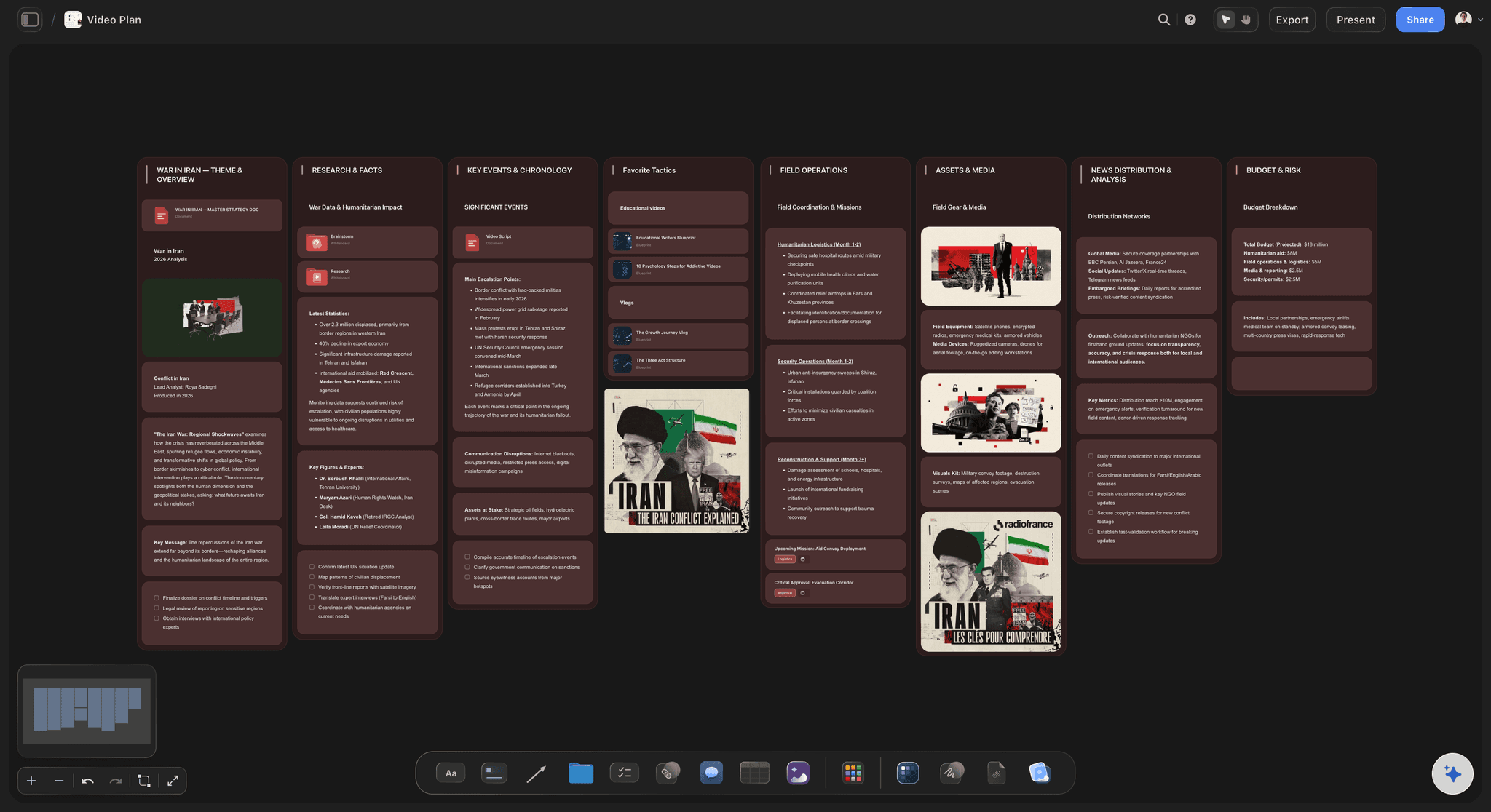
Story structure for videos and campaigns too
Beats beyond the screenplay
A YouTube video has a hook, escalation, and payoff. A campaign has an arc. The same beat sheet template structures anything built to hold attention.
Plan a whole production →Paid-only during early access.
Outline your next story on Storyflow. Plans start at $9.99 per month, no board limit, no time limit.
Outline every story idea you have: boards are unlimited
Basic AI usage to draft and revise beats
Co-writers join free; view-only links for everyone else
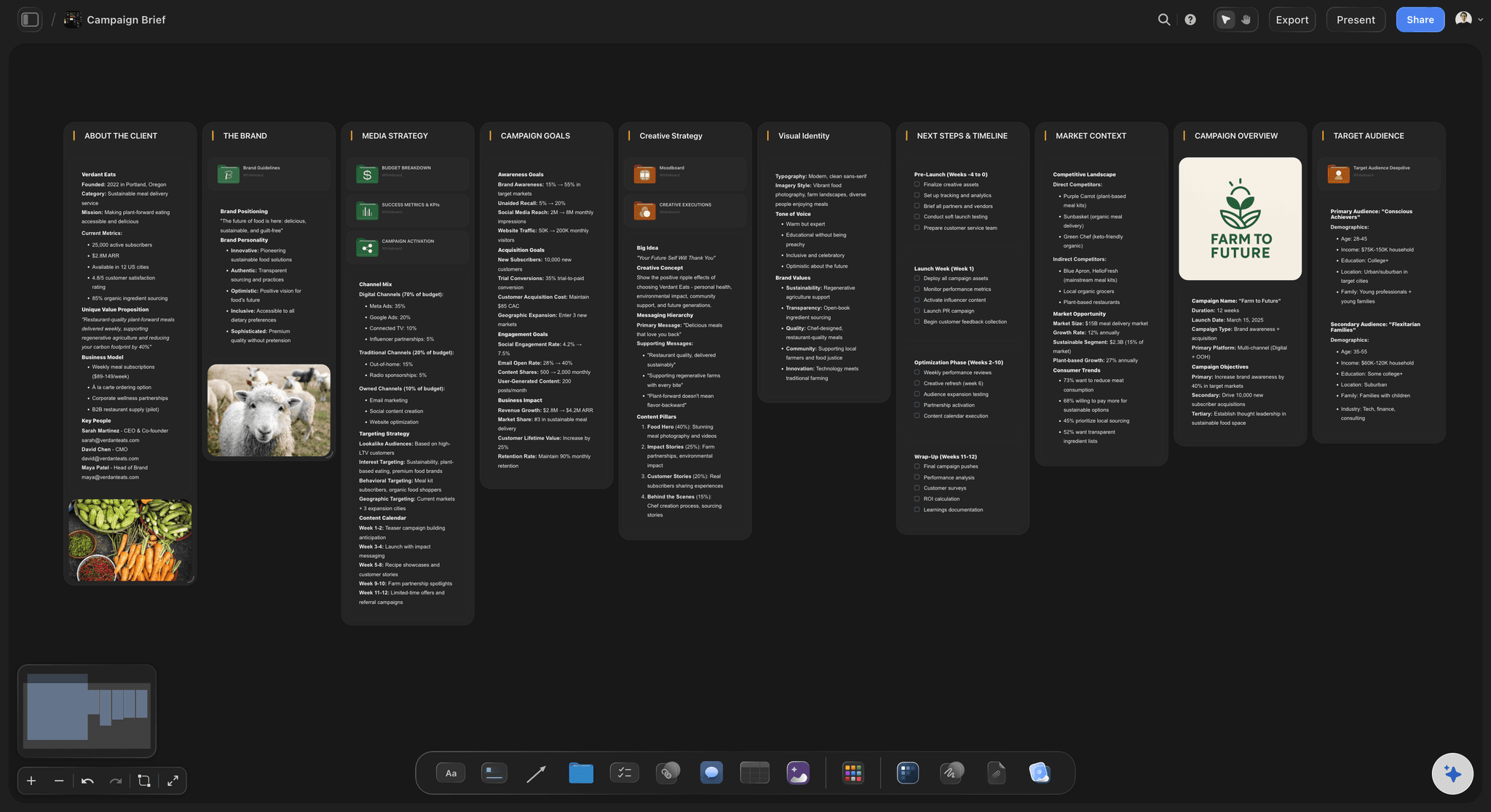
Built for people with taste
More than a beat sheet template download.
A template you download is frozen. A framework on an AI canvas keeps working as the story changes.
Structure first, blank page never
Start from a framework, not from nothing
Pick by story, not by guess: Describe what you are writing and let the AI suggest a structure that fits, from feature scripts to short videos.
Mix and match: Run a beat sheet next to a character arc or a three-act overview on the same canvas and keep them in sync by sight.
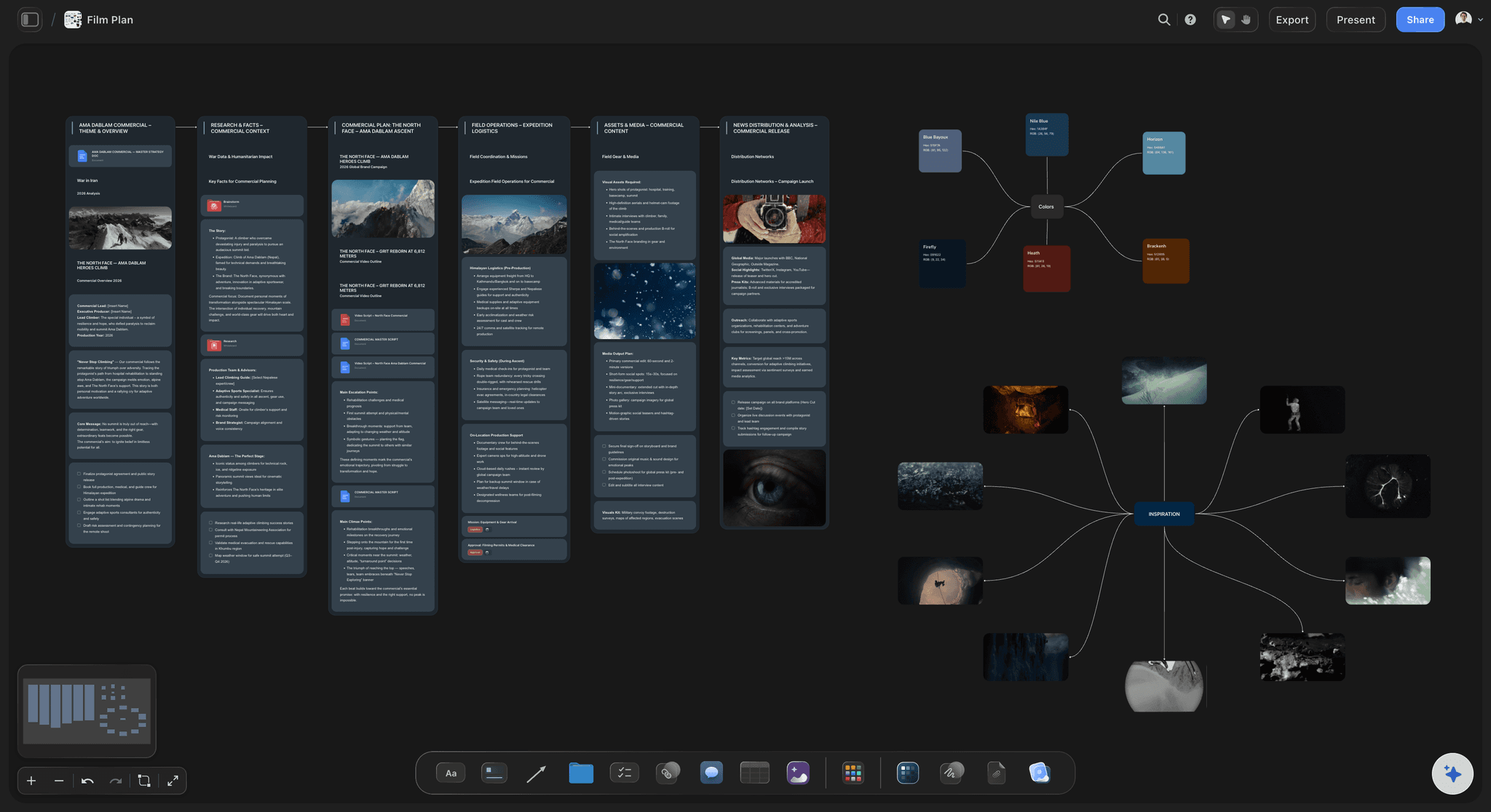
Drafting and revising with context
An AI that knows your whole board
Fill from a premise: A few sentences in, a full draft of the beats out, each one written for your story rather than generic placeholder text.
Revise beat by beat: Ask the AI to raise the stakes at the midpoint or darken the low point. It keeps the rest of the sheet in context.
Paste what you have: Already have pages? Paste the draft or drop a PDF on the canvas and ask the AI to extract the beats you actually wrote.
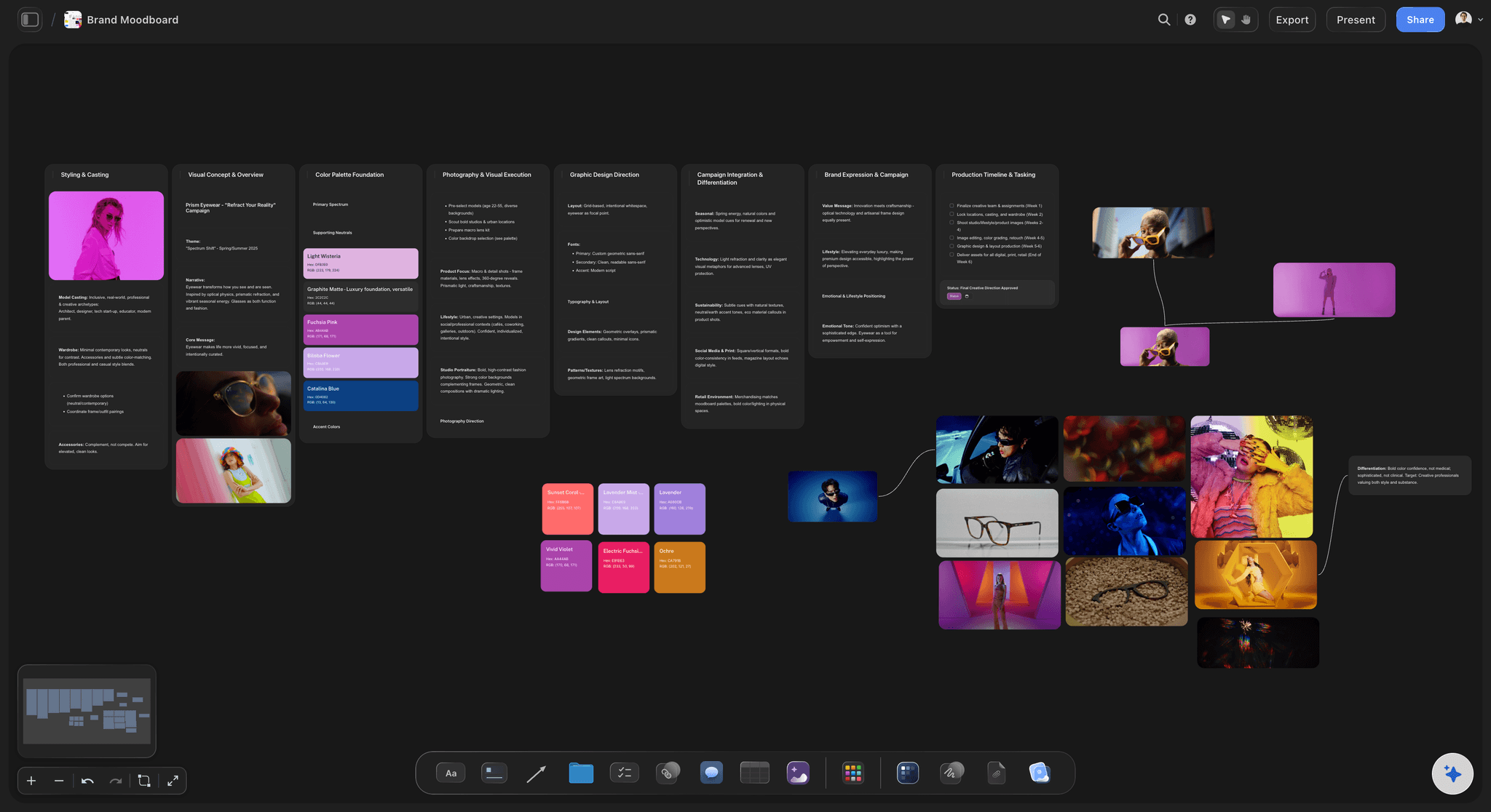
Beats with room to breathe
Every beat is a card on an infinite canvas
Drag beats around: Restructure by moving cards, not rewriting a table. Try the midpoint earlier and see the shape of the story change.
Attach anything: Notes, reference images, frame grabs from videos, and links hang off the beat they belong to.
Zoom out to the whole story: See all the beats at once, then zoom into a single beat's scenes. The overview and the detail live on one board.

From outline to production
The beat sheet becomes the storyboard
Expand into scenes: Break each beat into the scenes that deliver it, on the same canvas, with the structure still visible behind them.
Storyboard from the beats: Ask the AI to lay out a storyboard from the finished beat sheet, with scenes, structure, and notes arranged on the board.
Share and export: Share a view-only link with co-writers or producers, or export the beat sheet as an image or PDF.
Explore templates for your project
Every template opens as a real, editable board on the infinite canvas. Pick the closest fit and make it your own.
Pre-Production
Pull the brief, script, shot list, and moodboard into one pre-production hub so the whole shoot is planned in one place.
What creators are saying
Join early creators getting structured workspaces and AI that remembers their projects
“Storyflow has sped up my workflow by at least 3x, which means more flow state and more projects I can actually ship. It truly changed the way me and my team create.”

Reilin Joey
Director & YouTuber
“One prompt gets me a structured board. But the tactics are my favorite. I run my YouTube scripts through them and my intros and retention got better. It's amazing.”

Justkay
YouTuber & Freelance Filmmaker
“I used to juggle five apps to plan a project. Now I describe what I am making and get boards, lists, and a schedule. All in one place.”

George
@fernwehchronicles
Beat sheets, answered.
Everything people ask about beat sheet templates and how Storyflow fills them.
A beat sheet template is a pre-structured outline of a story's major turning points, or beats, that you fill in before writing scenes. It typically runs from an opening image, through a catalyst and a midpoint, down to a low point, and into the finale. In Storyflow the template is a built-in framework on an infinite canvas, and the AI drafts the beats from your premise.
Storyflow is built for exactly this, and it fills itself in: give the AI your premise and the Beat Sheet workflow drafts every beat on an infinite canvas. Each beat is a card, so you revise a structured draft where a static template leaves you fifteen empty boxes. Then you expand the beats into scenes and a storyboard on the same board.
The Save the Cat structure by Blake Snyder maps a story across fifteen beats. Representative ones include an opening image that sets the tone, a catalyst that disrupts the hero's world, a midpoint that raises the stakes, an all-is-lost moment near the end of act two, and a finale that resolves the story. Storyflow includes beat sheet frameworks in this tradition, and the AI fills them from your premise.
Not yet. Storyflow is paid-only during early access, with plans from $7.99 a month billed annually ($9.99 monthly). A free plan launches before the end of 2026, and anyone a paid member invites to a board joins free.
You pick a beat sheet framework on the canvas and describe your premise in a few sentences. The AI drafts every beat as a card, written for your story, and lays them out in order. From there you revise individual beats, re-prompt for different stakes or pacing, and the AI keeps the whole board in context.
A beat sheet tracks only the structural turning points, usually ten to fifteen beats, while an outline expands into every scene. The beat sheet comes first: it proves the story's shape before you invest in scenes. In Storyflow the two are connected, because each beat card expands into its scenes on the same canvas.
Yes. Once the beats are working, ask the AI to lay out a storyboard from them. It generates the storyboard layout with scenes, structure, and notes on the same canvas, so the structure you built carries straight into visual planning. Export the result as an image or PDF.
Yes. Any piece built to hold attention has beats: a YouTube video has a hook, escalation, and payoff, and a campaign has an arc from setup to resolution. The same beat sheet template in Storyflow structures scripts, videos, and campaigns, and the AI adapts the beats to the format you describe.
Most beat sheet templates use between ten and fifteen beats; Save the Cat uses fifteen, and leaner three-act sheets use fewer. The right number is whatever exposes your story's turning points without becoming a scene list. In Storyflow you can add, merge, or delete beat cards freely, so the template fits the story rather than the reverse.
Your story has a shape. Find it.
Pick a beat sheet, give the AI your premise, and start revising a structured draft instead of staring at an empty table.