The 12 Best ClickUp Alternatives in 2026 (For Teams Who Want Less Bloat)
The honest reason most teams search for a ClickUp alternative is not that ClickUp is broken. It is that opening it on a Monday morning feels like opening a control panel. We tested 12 alternatives in 2026 to find which ones match real creative, operations, and engineering work without the configuration debt.

Category
Project Management
Author

Justkay
Documentary Filmmaker & Founder at Storyflow
Topics
2026-05-10
•
16 min read
•
Project Management- best ClickUp alternatives 2026
- ClickUp alternative for creative teams
- project management without bloat
What is the best ClickUp alternative in 2026?
For creative project work, Storyflow is the best ClickUp alternative in 2026 because it is a project canvas with AI context instead of an operations grid. There is no single winner overall, since ClickUp alternative is not one category: Asana is the cleanest for operations, Linear for software engineering, and Airtable for database-driven work. We tested 12 tools across real creative, operations, engineering, and database workflows to match the alternative to the shape of your work, not to feature parity with ClickUp.

The honest reason most teams search for a ClickUp alternative is not that ClickUp is broken. It is that opening it on a Monday morning feels like opening a control panel for a power station you never asked to operate. The first time I rolled out ClickUp at a small studio, I spent three weeks customising views, statuses, and automations before a single piece of creative work moved through the system. By the time the workflow was right, the team was already drifting back to Notion, Slack threads, and a shared Google Doc, because ClickUp had become a second job. The 12 alternatives in this article are tools we tested by running real projects inside them in 2026, not feature checklists pulled from a marketing page. Some replace ClickUp directly. Others, including Storyflow, do not try to. They solve a different shape of project problem entirely, and that is exactly why they end up on this list.
All 12 ClickUp Alternatives, Ranked
- Storyflow: a project canvas with AI context for creative work, not an operations grid
- Notion: the most flexible workspace, databases and docs without the configuration debt
- Linear: the cleanest issue tracker for software engineering teams
- Asana: the calmest direct alternative for operations and cross-functional work
- Monday: visual workflow boards for non-technical teams who think in status
- Trello: lightweight kanban when a board is all you need
- Airtable: database-first project work with records, fields, and views
- Wrike: enterprise project management with Gantt and approval workflows
- Basecamp: a flat, calm small-team workspace with no configuration debt
- Hive: a ClickUp-shaped surface with AI woven through the workflow
- Todoist: personal and light team task management with a calm UI
- Jira: engineering sprints and epics at organisational scale
Full disclosure: Storyflow is our own product, and we rank it #1 for creative project work, where the AI reads the whole canvas plus one Tactic and up to three Documents instead of a single task. It is not a feature-parity ClickUp replacement: there are no sprint workflows, time tracking, five-level task hierarchies, or automations marketplace. For operations work Asana is the cleaner direct alternative, and for software engineering Linear is faster and more opinionated. We link to every tool so you can judge the fit.
Quick Comparison: Best ClickUp Alternatives
These four cover the shapes teams leave ClickUp for: creative project work with AI context, flexible database-driven docs, engineering issue tracking, and clean cross-functional operations.
| Tool | Best For | AI Features | Price |
|---|---|---|---|
| Storyflow | Creative project canvas with AI context | Reads canvas + 1 Tactic and 3 Documents | $7.99 mo annual (free plan late 2026) |
| Notion | Database-driven docs and projects | Notion AI on pages and databases | Free / $10 user mo |
| Linear | Software issue tracking | Lightweight issue AI | Free / $8 user mo |
| Asana | Operations and cross-functional work | Asana AI, basic (lags ClickUp Brain) | Free / $10.99 user mo |
Quick Picks: Best ClickUp Alternatives 2026 by Use Case
Best for Creative Project Canvas (Not a ClickUp Feature Replacement): Storyflow Storyflow is not a ClickUp replacement and does not pretend to be. There are no time tracking modules, no formal sprint workflows, no five-level task hierarchies, and no hundreds of custom fields. Storyflow is a project canvas with AI context, built for creative project work where the brief, the references, the structure, and the rough plan all need to live in one place a human can actually look at. If your work in ClickUp is mostly creative ideation, narrative planning, content production, and visual project work, you have probably been forcing a creative shape into an operations tool. Storyflow Plus starts at $7.99/month billed annually or $9.99 monthly. Storyflow is paid-only during early access; the Free plan (unlimited projects, basic AI usage, 20 file uploads from a 200+ library) launches before the end of 2026. AI reads the canvas plus one Blueprint Tactic and up to 3 Documents at a time. Realtime collaborative editing is on the Max plan at $39/month annually.
Best Database-Driven ClickUp Alternative: Notion Notion is the alternative most teams land on when they want flexibility without the configuration debt. Databases, pages, and sub-pages give you task-tracking shape without forcing the ClickUp hierarchy. Notion is not as opinionated about workflow, which is the trade.
Best ClickUp Alternative for Software Teams: Linear Linear is the cleanest issue tracker on the market. Speed, keyboard navigation, and a strict opinion about what an issue is. For engineering teams, it removes everything ClickUp adds and keeps the parts that matter.
Best Operations ClickUp Alternative: Asana Asana competes most directly with ClickUp on shape: tasks, projects, portfolios, goals. The interface is calmer and the defaults make more sense for cross-functional operations work.
Best Visual ClickUp Alternative: Monday Monday is what ClickUp wishes its visual mode looked like. Color-coded boards, status pills, and timeline views designed for non-technical teams who think in pictures, not lists.
Best Lightweight ClickUp Alternative: Trello The original kanban tool is still the right answer when your team needs a board and nothing more. No timelines, no sprints, no automations. Cards in columns. That is a feature.
Best Database-First ClickUp Alternative: Airtable Airtable is a relational database that pretends to be a project tool. For teams whose work is structured by records, custom fields, and views across data, Airtable beats ClickUp's database mode.
Best Enterprise ClickUp Alternative: Wrike Wrike is the alternative for organisations that need formal project management: Gantt, resource management, request forms, and approval workflows that hold up under audit.
Best Small-Team ClickUp Alternative: Basecamp Basecamp is the anti-ClickUp. Flat structure, no automations, no AI gimmicks. A message board, a to-do list, a schedule, and a file area for each project. That is the entire product, and it works.
Best AI-Augmented ClickUp Alternative: Hive Hive bets on AI inside the project tool itself: meeting notes, summarisation, action item extraction. For teams who want ClickUp's surface area with AI woven through it.
Best Personal ClickUp Alternative: Todoist Todoist is the cleanest personal task manager that also handles small team projects. Natural language input, recurring tasks, and a calmer UI than any ClickUp view ever shipped.
Best Engineering ClickUp Alternative: Jira Jira is the classic. Heavy, configurable, and built for engineering organisations who run on epics, sprints, and bug workflows. The trade is the same trade you make with ClickUp, just in a different direction.
If you have been forcing a creative shape into ClickUp's operations grid, the right move is not another operations grid. It is a canvas built for creative project work. Take the project you currently dread opening in ClickUp and rebuild it in Storyflow for one week. If your work is creative and connected, the fit will be obvious by the end.
Comparison Table: Best ClickUp Alternatives 2026
| Tool | Best For | Starting Price | Free Plan | vs ClickUp (★/5) | Rating (/10) |
|---|---|---|---|---|---|
Storyflow | Creative project canvas with AI context | $7.99/month annual | Coming late 2026 (invited collaborators join free now) | ★★★★★ | 9.2/10 |
Notion | Database-driven docs and projects | $10/user/month | Yes (limited blocks) | ★★★★★ | 8.9/10 |
Linear | Software issue tracking | $8/user/month | Yes (250 issues) | ★★★★★ | 8.8/10 |
Asana | Operations and cross-functional work | $10.99/user/month | Yes (15 users) | ★★★★☆ | 8.4/10 |
Monday | Visual workflow boards | $9/seat/month | Yes (2 seats) | ★★★★☆ | 8.2/10 |
Trello | Lightweight kanban | $5/user/month | Yes (10 boards) | ★★★★☆ | 8.0/10 |
Airtable | Database-first project work | $10/seat/month | Yes (1,000 records) | ★★★★☆ | 7.9/10 |
Wrike | Enterprise project management | $9.80/user/month | Yes (limited) | ★★★☆☆ | 7.6/10 |
Basecamp | Small-team flat workspace | $15/user/month | No (30-day trial) | ★★★★☆ | 7.5/10 |
Hive | AI-augmented project work | $5/user/month | Yes (limited) | ★★★☆☆ | 7.3/10 |
Todoist | Personal and light team tasks | $4/user/month | Yes | ★★★☆☆ | 7.2/10 |
Jira | Engineering sprints and epics | $7.53/user/month | Yes (10 users) | ★★★☆☆ | 7.1/10 |
Rating criteria: Workflow fit was weighted most heavily (30%) because the entire reason teams leave ClickUp is the gap between how the tool wants you to work and how the team actually works. AI depth (20%), ease of use (20%), collaboration (15%), integrations (10%), pricing (5%).
Storyflow scores high on workflow fit specifically for creative project work, which is a different category from operations management. It is not a feature-parity ClickUp replacement. Notion, Linear, and Asana score high as direct ClickUp alternatives in their respective shapes.
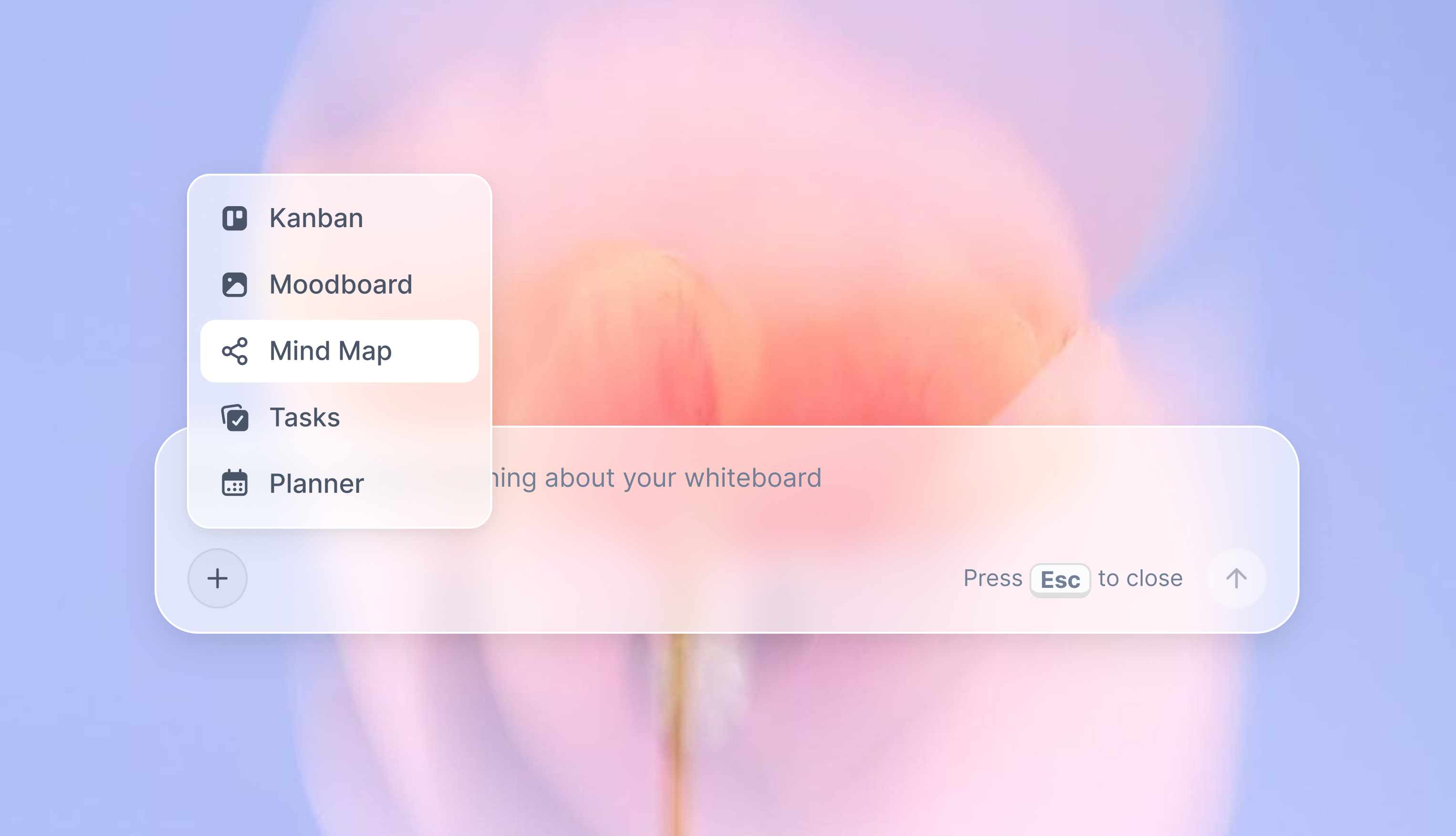
Storyflow holds briefs, references, and Blueprint Tactics on a single connected project canvas
Best ClickUp Alternatives 2026: Why Teams Actually Leave
ClickUp's marketing positions it as "one app to replace them all." For some teams, that is true. For most teams I have worked with, that is the source of the problem. Replacing five tools with one tool only works if the one tool is good at all five jobs. ClickUp is competent at most of them and excellent at none.
The friction shows up in three predictable places. The first is configuration debt. ClickUp ships with statuses, custom fields, automations, and views that need to be customised before the team can use the workspace productively. Every team I have seen spend more than two weeks on configuration ends up with a workspace one person understands and the rest tolerate. The second is interface density. ClickUp's screen is full. Sidebar, toolbar, secondary toolbar, breadcrumbs, status pills, custom fields, and a dozen view toggles compete for attention before the actual work shows up. The third is the AI feature push. ClickUp Brain landed in 2023 and has expanded since, but the AI sits next to the work, not inside it. You ask it to summarise a doc, it summarises a doc. You ask it to suggest task structure, it suggests task structure. The context it reads is whatever you point it at, not the project as a connected whole.
According to McKinsey's 2012 social economy report, knowledge workers spend an average of 28% of the workweek managing email and another 19% searching for internal information, leaving roughly half the week for the work itself. Tools that promise to consolidate work tend to consolidate the surface area, not the cognitive load.
The point is not that ClickUp is bad. The point is that "one app for everything" is a category, and a category is not a fit. Teams who work in creative loops, design loops, content loops, or narrative loops tend to leave ClickUp first because the operations grid does not match the work. Teams who work in formal sprints, ticket queues, and structured intake forms tend to stay or move to a more specialised version of the same shape.
How We Evaluated the Best ClickUp Alternatives 2026
Six criteria determined every rating. Here is what each test specifically involved.
Workflow fit: I ran two real projects through each tool: a 6-week creative content production with research, scripting, recording, and editing phases, and a 4-week operations rollout with cross-team dependencies and approvals. Tools that bent to the work scored higher than tools that asked the work to bend to them.
AI depth: I tested whether AI features were genuinely connected to project context or sat next to the work as separate utilities. The question was whether the AI knew anything about the project before responding, or whether every prompt started cold.
Ease of use: I measured time-to-first-useful-output starting from a fresh account. How long from sign-up to a working project the team could actually use, without consulting documentation or watching a setup video. Cowan's 2001 review of working memory concluded that humans hold roughly four chunks of information actively at once. Tools that exceeded that on the first screen lost points.
Collaboration: I tested real-time editing, comment threads, guest access without seat purchases, and how external stakeholders interact with the workspace. The scenario: a four-person team plus two external reviewers needing structured input without disrupting the team workspace.
Integrations: I checked native integrations with the standard creative and operations stack: Slack, Google Drive, Figma, GitHub, Loom, Gmail, calendar tools, and at least one design or video tool relevant to the workflow.
Pricing and value: I compared what a 10-person team pays annually across all tools, with a focus on what is actually unlocked at each tier. Pricing pages reward careful reading. Some tools advertise low entry pricing and gate the features that make the tool useful at the next tier up.
Every tool on this list was tested with real project work, not feature checklists pulled from marketing pages.
Detailed Reviews: Best ClickUp Alternatives 2026
1. Storyflow
Storyflow is a visual AI workspace built for creators, filmmakers, marketers, and strategists who need their ideas, structure, and execution inside one project. It is not a ClickUp replacement in the operations sense. There are no five-level task hierarchies, no time tracking modules, no formal sprint workflows, no hundreds of custom fields, and no automations marketplace. Storyflow is on this list because the most honest reason teams leave ClickUp is that they were never doing operations work in it. They were doing creative project work inside an operations tool, and the friction of that mismatch is what they were trying to escape.
The shape of work in Storyflow is a project canvas. Each project opens to a whiteboard where you place notes, images, links, references, and Blueprint Tactics. AI chat reads the current canvas and any @-mentioned context. Where ClickUp gives you a list of tasks, Storyflow gives you a connected board where the brief, the framework, and the rough plan can sit side by side at human scale.
Best for: Creative teams, content producers, filmmakers, marketers, and strategists whose project work is conceptual, visual, and connected, not ticketed and tracked.
Where ClickUp wins instead: Ops-heavy task management with hundreds of custom fields, time tracking on every task, formal sprint cycles, recurring task automations, and structured intake forms. If that is your work, ClickUp is the right shape and Storyflow is not the answer.
Key features:
Project canvas with infinite spatial layout. Each Storyflow project opens to a whiteboard where you arrange notes, image references, web clips, video links, and Blueprint Tactics in any spatial layout. There is no fixed list, no forced hierarchy, and no required intake form. You start with a blank canvas and place the work as it makes sense.
Blueprint Tactics for creative project structure. Storyflow ships with a library of 200+ Tactics covering narrative frameworks (Hero's Journey, Three Act Structure), marketing frameworks (AIDA, PAS, Jobs To Be Done), and creative frameworks for content, video, and brand work. Each Tactic adds a structured Blueprint to the canvas with guided cards. You are not building structure from a blank screen. You are placing creative work inside a framework that already knows the shape.
AI chat that reads the canvas plus one Tactic and up to three Documents. When you open AI chat on a Storyflow project, it reads the full current canvas. You can @-mention one Blueprint Tactic and up to three Documents simultaneously to give it the project's narrative or strategic context. Ask for a content angle, a script outline, or a campaign structure, and the AI responds with awareness of the brief and the framework, not from a blank prompt.
Documents connected to the board. Write briefs, scripts, treatments, or notes as Documents inside the project. They live alongside the whiteboard, not in a separate app. This is where Storyflow's connected workspace differs from ClickUp's docs feature: the document is a first-class object on the canvas, available to AI and visible in the spatial layout.
Realtime collaborative canvas editing on the Max plan. On the Max plan ($39/month annual), multiple users can edit the same canvas simultaneously, with cursors and selections visible to everyone in the project. For creative teams who think together, this changes the meeting from "screen share and one person clicks" to "everyone moves the work at the same time."
Pricing: Paid-only early access today; the Free plan (unlimited boards, basic AI usage, 20 file uploads) launches before the end of 2026, and anyone a paid member invites to a board joins free now. Plus: $7.99/month billed annually or $9.99/month billed monthly (full 200+ Blueprint Tactics, unlimited file uploads). Pro: $14/month billed annually or $19/month billed monthly (adds AI image generation and 20× more AI than Plus). Max: $39/month billed annually.
Pros:
- Built for creative project work, not operations management. The shape of the tool matches the shape of the work for content, narrative, marketing, and visual project teams.
- AI reads the project canvas plus one Tactic and up to three Documents, which means responses are grounded in actual project context, not pasted into a blank prompt.
- 200+ Blueprint Tactics give creative teams proven frameworks for narrative, marketing, content, and brand work without starting from a blank canvas every time.
- Plus is priced for solo creators and small teams testing the workflow on real projects, and a Free plan launches before the end of 2026.
- Realtime collaborative editing on the Max plan supports the way creative teams actually work together: in the canvas, at the same time.
Cons:
- Not a feature-parity ClickUp replacement. There are no formal sprint workflows, no time tracking modules, no five-level task hierarchies, and no automations marketplace. Operations teams running ticket queues should stay on ClickUp or move to Linear or Asana.
- The planned Free plan's AI limit (10 generations per month) will be sufficient for solo testing but small for sustained team use. The Max plan unlocks 40x more AI for collaborative project work.
- The Tactics library is creative-first. Teams looking for engineering-specific frameworks (sprint retrospectives, RFC templates, postmortems) will find more direct support in Linear or Notion.
Verdict: Storyflow is the right ClickUp alternative for teams whose project work is creative and connected, not ticketed and tracked. If you have been opening ClickUp every morning to do content planning, brand work, narrative development, or visual project work, you have been forcing a creative shape into an operations grid. Storyflow gives you a canvas that matches the work. If your project work is genuinely operations-heavy, Storyflow is not pretending to be the right tool, and the correct alternative is one of the operations-shaped options below.
2. Notion
Notion is the alternative most teams land on when they leave ClickUp because it is the most flexible. Pages, databases, and sub-pages give you task-tracking structure without forcing the ClickUp hierarchy. Databases can be viewed as tables, kanban boards, calendars, galleries, or timelines, which covers most ClickUp view modes. The freedom is the strength and the trade.
Best for: Teams who want a flexible workspace that grows into project tracking, documentation, and knowledge base over time without committing to one shape upfront.
Key features:
Databases with multiple views. Notion's database is the core primitive. Build a task database, view it as a table, switch to a kanban board, filter by assignee, group by status. Every view is a saved configuration of the same underlying data, which removes the multiple-source-of-truth problem ClickUp creates with its multiple list views.
Pages and sub-pages without depth limits. Documentation, project briefs, meeting notes, and team knowledge live as pages. Sub-pages nest as deeply as you need, and links between pages are first-class. For teams who write before they execute, Notion's writing surface is far ahead of ClickUp's docs.
AI assistance on pages and databases. Notion AI summarises pages, generates content, and can answer questions about your workspace. The AI is more useful at the page level than at the project-coordination level. Asking it to summarise a long document works. Asking it to coordinate a multi-database workflow does not.
Pricing: Free plan available with limited blocks. Plus: $10/user/month billed annually. Business: $15/user/month.
Pros:
- The most flexible workspace in this category. Notion bends to the team rather than asking the team to bend to it.
- Page and database structure handles documentation and project tracking in one place without the ClickUp configuration debt.
- Strong writing surface for briefs, specs, and team documentation.
Cons:
- Flexibility means every team builds a different Notion workspace. The team that joins later inherits a structure they did not design and may not understand.
- AI is page-level useful but project-level shallow. It does not understand the shape of work the way Storyflow's canvas-aware AI does.
- Performance degrades with heavy databases. Workspaces with thousands of records and many linked databases load slowly.
Verdict: Notion is the strongest direct ClickUp alternative for teams who want flexibility and are willing to invest in workspace design. If your team enjoys building structure and documentation as you go, Notion rewards that work. If you want a tool that already knows the shape of your work, Asana or Linear is faster.
3. Linear
Linear is the cleanest issue tracker shipping in 2026. Built for software engineering teams, Linear has done the rare thing of removing rather than adding features. The product is opinionated about what an issue is, what a project is, and how a sprint should run, which means there is almost nothing to configure before the team can use it.
Best for: Software engineering teams of any size who want speed, keyboard-driven navigation, and a strict opinion about issue structure.
Key features:
Keyboard-first navigation. Almost every action in Linear has a keyboard shortcut. For engineering teams who live in their editor, the cognitive transition to Linear is minimal. Compare this to ClickUp, which requires the mouse for almost every action.
Cycles instead of sprints. Linear runs on cycles, which are time-boxed periods (default two weeks) where the team commits to a set of issues. The cycle view shows what is committed, in progress, and complete. The opinionated structure means there is no sprint configuration debate. You start a cycle and you finish a cycle.
Roadmap and projects layered on issues. Issues group into projects. Projects group into roadmaps. The hierarchy is shallow and consistent across the entire workspace, which means a new team member can navigate the system on day one.
Pricing: Free plan available with limited features. Standard: $8/user/month annually. Plus: $14/user/month annually.
Pros:
- Fastest issue tracker in the category. Keyboard navigation, instant search, and zero configuration debt.
- Opinionated structure means the team starts working on day one instead of debating workspace design for two weeks.
- The product team ships actual features regularly. Linear's product velocity is visible inside the product itself.
Cons:
- Built for software teams. If your project work is not engineering issues, Linear's opinion is not the opinion you need.
- Less flexible than ClickUp or Notion. The trade is intentional and worth it for the right team.
- AI features are useful but limited compared to project-canvas tools.
Verdict: Linear is the right ClickUp alternative for software engineering teams. Faster, cleaner, and shipped by a team that clearly cares about the product surface. For non-engineering work, choose differently.
4. Asana
Asana competes with ClickUp on shape: tasks, projects, portfolios, goals. The interface is calmer, the defaults make more sense, and the cross-functional operations workflow is the category Asana has been refining since 2008.
Best for: Operations and cross-functional teams running structured project work with stakeholders across departments.
Key features:
Tasks, projects, portfolios, goals. Asana's hierarchy is four levels and stops there. Tasks live in projects. Projects roll into portfolios. Portfolios connect to goals. The shallow hierarchy and consistent vocabulary mean the team understands the structure without onboarding.
Multiple views per project. List, board, timeline, calendar, and dashboard. Each project can be viewed in any of these without configuration, and the views update in real time across the team.
Goals connected to work. Asana's goals feature links projects and tasks to organisational outcomes. For operations leaders running quarterly planning, this connection between work and outcomes is more developed than ClickUp's equivalent.
Pricing: Free plan for up to 15 users. Starter: $10.99/user/month annually. Advanced: $24.99/user/month.
Pros:
- The cleanest direct ClickUp competitor on the operations side. Calmer interface, better defaults, and a more mature product surface.
- Strong cross-functional workflow features for teams running structured work across departments.
- Free plan is genuinely usable for small teams up to 15 users.
Cons:
- AI features lag behind ClickUp Brain and Notion AI.
- Custom fields and advanced workflow features are gated to higher tiers.
Verdict: Asana is the right ClickUp alternative for operations and cross-functional work. If ClickUp's surface area is too dense and you want the same shape with better defaults, Asana is the move.
5. Monday
Monday is the visually loudest tool on this list. Color-coded boards, status pills, and timeline views built for non-technical teams who think in pictures rather than lists. The marketing positions Monday as a Work OS, which is the same positioning as ClickUp, but the actual product is more focused and less dense.
Best for: Marketing, sales, HR, and non-technical operations teams who run structured workflows and prefer visual status over list density.
Key features:
Boards with color-coded status pills. Every Monday board defaults to colored status indicators, which makes status visible at a glance without reading text. For teams running structured workflows, this visual layer reduces the cognitive load of weekly status reviews.
Timeline and Gantt views. Project timelines are first-class in Monday and are simpler to set up than the equivalent ClickUp Gantt view.
Workflow automations and forms. Monday's automation and forms features are well-developed for non-technical teams who want intake forms and recurring workflow triggers without writing code.
Pricing: Basic: $9/seat/month billed annually. Standard: $12/seat/month. Pro: $19/seat/month. Free plan for 2 seats.
Pros:
- Visual interface reduces cognitive load for teams who think in status rather than detail.
- Strong workflow automation and intake forms for non-technical operations teams.
- Calmer screen than ClickUp despite similar surface area.
Cons:
- Pricing per seat scales fast. A 20-person team on the Pro tier exceeds $4,500/year.
- AI features are present but not deep.
- Heavy on color and motion, which some teams find busy rather than helpful.
Verdict: Monday is the right ClickUp alternative for non-technical operations teams who want a visual workflow tool with strong automation. If your team is engineering or content-creative, Monday is not the fit.
6. Trello
Best for: Small teams who need a kanban board and nothing more. Founders, freelancers, side projects, and ad-hoc workflows.
Pricing: Free plan with 10 boards per workspace. Standard: $5/user/month annually. Premium: $10/user/month.
Trello is the original kanban tool and still the right answer when the team's actual need is a board with cards in columns. No timelines, no sprints, no automations marketplace, no five-level hierarchies. The simplicity is the feature. For a freelancer running client projects or a small team running an ad-hoc workflow, Trello is faster to set up than ClickUp by an order of magnitude. The limitation is that simplicity hits a ceiling. Once your work needs cross-project reporting, dependencies, or formal resource management, Trello stops being enough. Power-Ups (the Trello plug-in system) extend the board, but at that point you are duct-taping a more capable tool together when a tool that already does those things exists.
7. Airtable
Best for: Teams whose project work is structured by records, custom fields, and views across data. Content calendars, asset libraries, CRM-shaped workflows.
Pricing: Free plan with 1,000 records per base. Team: $20/seat/month annually. Business: $45/seat/month.
Airtable is a relational database wearing a project tool's clothes. For teams managing structured data (a content calendar with hundreds of pieces of content, an asset library with thousands of files, a CRM-like workflow with custom fields per record), Airtable beats ClickUp's database mode by a wide margin. The interfaces feature lets non-technical users build forms, dashboards, and views on top of the underlying data. The trade is that Airtable expects you to think like a database designer. Teams who do not want to design schemas before they execute work find ClickUp's looser structure faster to start.
8. Wrike
Best for: Enterprise organisations running formal project management with Gantt, resource planning, request forms, and approval workflows.
Pricing: Free plan available. Team: $9.80/user/month annually. Business: $24.80/user/month.
Wrike is the alternative for organisations that need formal project management heavyweight features: Gantt charts, resource management, request forms, and approval workflows that hold up under audit. For agencies, professional services firms, and large operations teams running structured client work or compliance-bound projects, Wrike's depth is a real advantage. The trade is the same trade as enterprise software in general: configuration, training, and a learning curve. Plan a Wrike rollout in weeks, not days, before the team is genuinely productive in it.
9. Basecamp
Best for: Small teams who want a flat workspace with messaging, to-dos, schedule, and files in one place, and nothing more.
Pricing: Basecamp: $15/user/month. Basecamp Pro Unlimited: $349/month for unlimited users (annual billing). 30-day free trial.
Basecamp is the anti-ClickUp. Flat structure, no automations, no AI, no marketplace, no five-level hierarchies. Each project gets a message board, a to-do list, a schedule, a file area, and a chat called Campfire. That is the entire product. For small teams who want a calm workspace without configuration debt, Basecamp removes more friction than any tool on this list. The trade is that Basecamp does not scale to operations work that requires custom fields, structured workflows, or cross-project reporting. It is opinionated about project shape, and the opinion is "small, flat, calm." For the right team, that opinion is exactly right.
10. Hive
Best for: Teams who want a ClickUp-shaped product surface with AI features woven through the project workflow.
Pricing: Free plan available. Starter: $5/user/month annually. Teams: $12/user/month.
Hive bets on AI inside the project tool itself. Meeting note transcription, action item extraction, document summarisation, and project-level AI assistance are core features rather than add-ons. The shape of the product is closer to ClickUp than to Linear or Storyflow: tasks, projects, multiple views, and a configurable workspace. The differentiator is that the AI sits closer to the work than ClickUp Brain currently does. The trade is that Hive is a smaller product with less ecosystem maturity than ClickUp. Integrations, marketplace, and community resources are thinner.
11. Todoist
Todoist is the cleanest personal task manager that also handles small team projects. Natural language input ("review brief tomorrow at 3pm #work @priority1") makes capture instant. Recurring tasks, sub-tasks, and projects cover most personal and small-team needs. The interface is calmer than any ClickUp view, and the product has been refined for over a decade.
Pricing: Free plan available. Pro: $4/user/month annually. Business: $6/user/month.
Verdict: The right ClickUp alternative for individuals and small teams whose work is closer to personal task management than formal project management. For team operations work, choose Asana or Linear instead.
12. Jira
Jira is the engineering classic. Heavy, configurable, and built for engineering organisations who run on epics, sprints, and bug workflows at scale. For software teams in companies large enough to need structured engineering process (security audits, compliance, formal release management), Jira's depth is a real advantage.
Pricing: Free plan for 10 users. Standard: $7.53/user/month. Premium: $13.53/user/month.
Verdict: The right ClickUp alternative for engineering organisations who need formal process. For startups and small engineering teams, Linear is significantly faster to use. Jira is the answer when the constraint is organisational scale, not workflow shape.
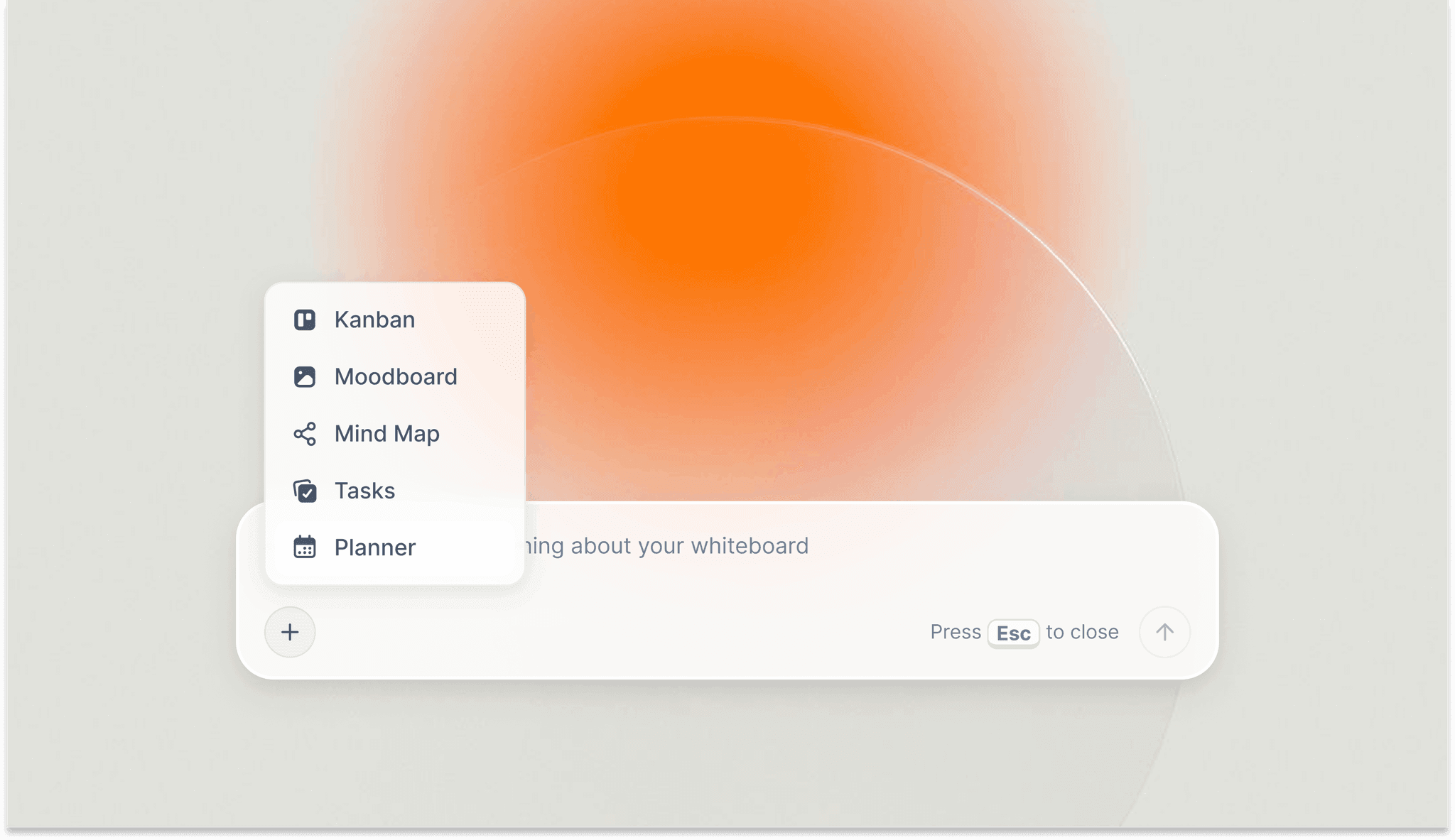
AI Planner reads the canvas plus one Tactic and three Documents to draft a structured project plan
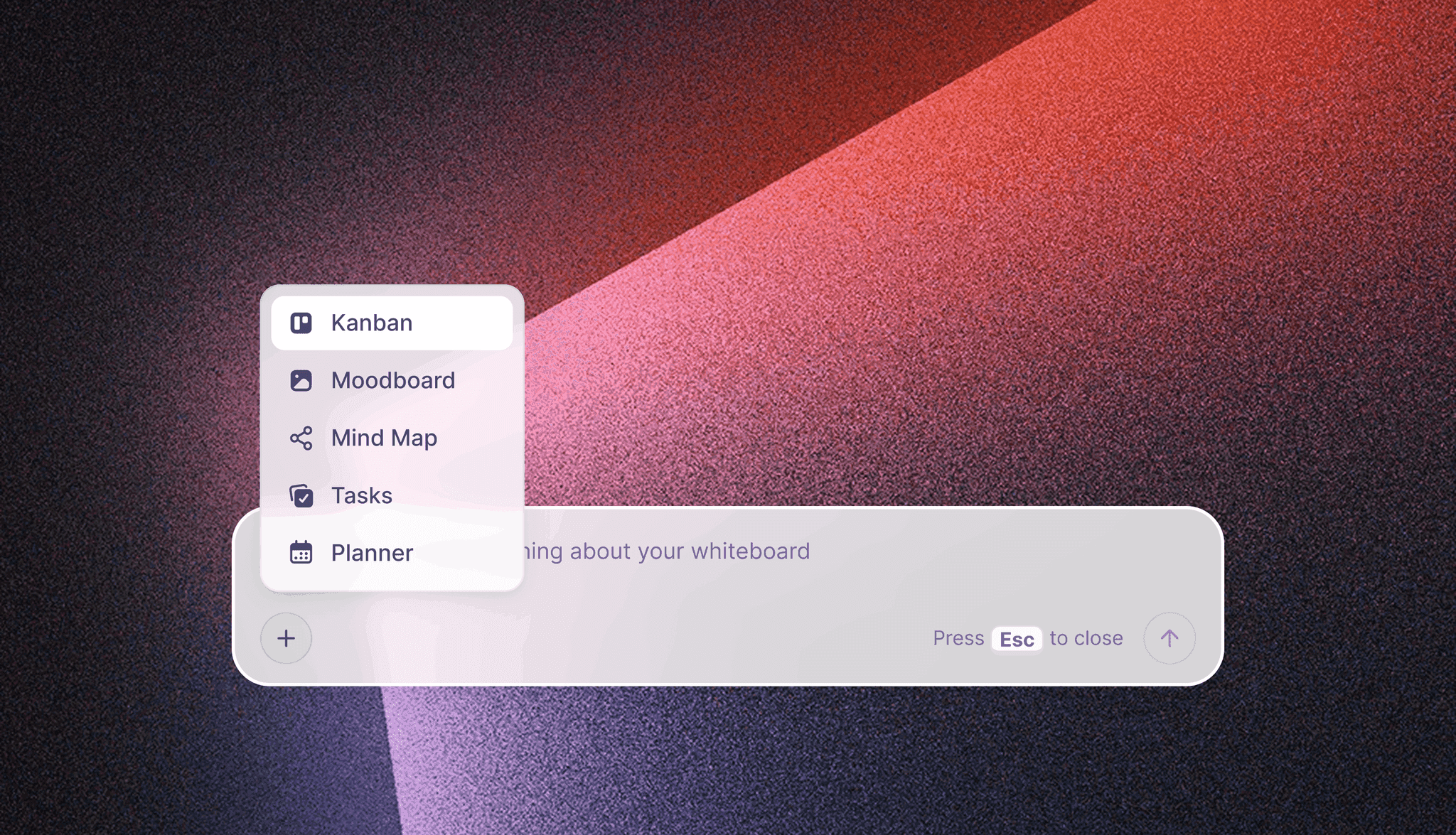
Kanban view tracks creative work across stages without leaving the project canvas
Free vs Paid: Best ClickUp Alternatives 2026
What free plans in this category typically include:
- A limited number of users, projects, or records (Linear: 250 issues; Trello: 10 boards; Airtable: 1,000 records; Storyflow's coming Free plan will give unlimited projects with basic AI usage)
- Enough capacity to test the workflow on a real project before upgrading
- Basic collaboration with a small number of team members
- No advanced AI, no enterprise features, no priority support
What paid plans unlock:
- Unlimited projects, records, and team members across most tools
- Advanced AI features (Storyflow Pro: AI image generation and 20× more AI than Plus, full 200+ Tactics library; Notion Plus: full Notion AI; Linear Plus: AI features)
- Realtime collaborative editing on shared workspaces (Storyflow Max plan from $39/month annually)
- Custom fields, advanced workflow automation, and integrations
- Priority support, admin controls, and SSO for larger teams
When free is enough: A solo creator running a single creative project at a time can run the entire workflow on Storyflow Plus at $7.99/month, and will be able to do so on the Free plan once it launches before the end of 2026. Three projects covers research, production, and final delivery. Ten AI generations per month is sufficient when prompts are specific and contextual. Linear's free plan covers a small engineering team for the first year of a project. Trello's free plan handles freelance client work indefinitely.
When upgrading pays off: A 10-person team running simultaneous projects hits the free project limits within a month. Storyflow Plus at $7.99/month annually unlocks the full 200+ Tactics library; Pro at $14/month annually adds AI image generation and 20× more AI than Plus for connected creative work. The Max plan at $39/month annually adds realtime collaborative canvas editing, which changes how creative teams work in meetings. For ClickUp-shaped operations work, Asana Starter at $10.99/user/month or Linear Standard at $8/user/month is the right move.
Best value for creative project work: Storyflow. The AI reads your project canvas plus one Tactic and up to three Documents, which means responses are grounded in actual project context. Best value for operations: Asana. Best value for engineering: Linear. If your most active project is creative rather than ops, run it on Storyflow for one week before committing to any tool. Plus at $7.99/month is enough to test the workflow on real work.
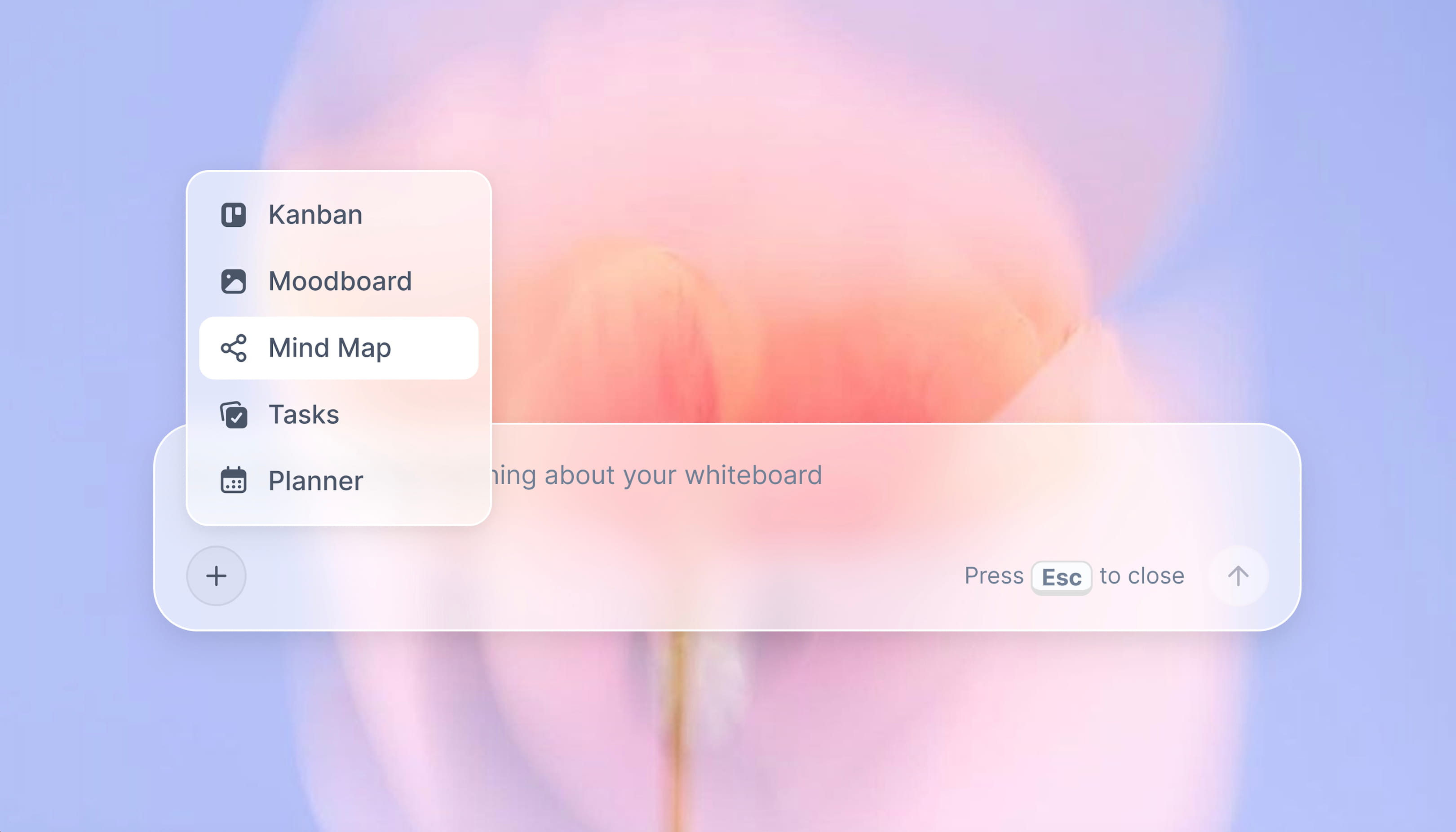
Storyflow Pro unlocks 200 plus Blueprint Tactics, AI image generation, and 20× more AI than Plus for creative project teams
Final Verdict: Best ClickUp Alternatives 2026
If your work in ClickUp is creative project work (content production, narrative development, marketing campaigns, brand work, video planning, visual project work), the right alternative is not another operations grid. It is a project canvas with AI context. Storyflow gives you that canvas with 200+ Blueprint Tactics, AI that reads the canvas plus one Tactic and up to three Documents, and realtime collaborative editing on the Max plan. Storyflow is not a feature-parity ClickUp replacement and is honest about that. The reason it is on this list is that for creative teams, the honest answer to "which ClickUp alternative" is "a different shape of tool entirely."
If your work is operations and cross-functional project management, Asana is the cleanest direct alternative. Calmer interface, better defaults, and the same shape of work without the ClickUp configuration debt.
If your work is software engineering, Linear is the answer. Faster, cleaner, and opinionated about engineering process in a way that removes configuration debate from day one.
If your work is database-driven (content calendars, asset libraries, structured records), Airtable handles the shape of the work better than ClickUp's database mode.
If your team is small and you want minimum friction, Basecamp or Trello removes everything you do not need and keeps what you do.
The best ClickUp alternative is the one that matches your actual work shape. If the shape is creative, the answer is a canvas. If the shape is operations, the answer is an operations tool with better defaults. If the shape is engineering, the answer is an engineering tool. The mistake is staying inside the wrong shape because the tool promises to do everything.
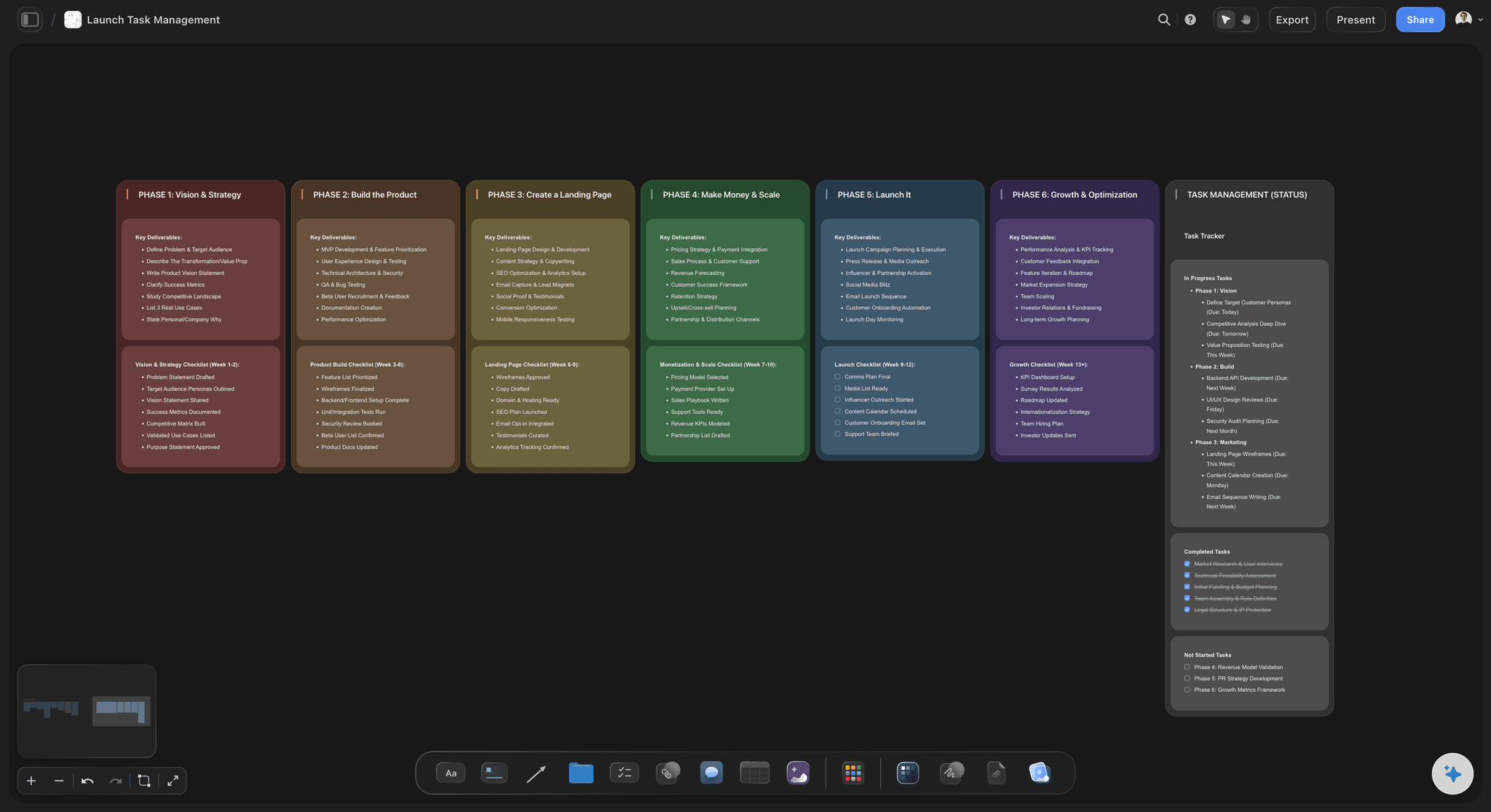
A launch tracked on the Storyflow canvas: tasks, phases, and project context in one connected view
FAQ: Best ClickUp Alternatives 2026
What is the best ClickUp alternative in 2026?
For creative project work, Storyflow is the best ClickUp alternative in 2026 because it is a project canvas with AI context, not an operations grid. There is no single winner overall, because "ClickUp alternative" is not one category. For operations work, Asana is the strongest direct alternative. For software engineering, Linear is the cleanest. For database-driven work, Airtable is the right shape. The honest answer is that the best alternative depends on the shape of your actual project work, not on a feature comparison against ClickUp.
Why are teams leaving ClickUp in 2026?
The most common reason teams leave ClickUp is configuration debt and interface density. ClickUp markets itself as "one app to replace them all," which works only if the one app is good at all the jobs it claims. For teams whose work is creative, narrative, or visual, ClickUp's operations grid is the wrong shape and the friction of that mismatch is what they are escaping. For teams whose work is operations-heavy, ClickUp can still be the right tool, and switching is rarely the right answer.
Is Storyflow a direct ClickUp replacement?
No. Storyflow is a project canvas with AI context built for creative project work, not a feature-parity ClickUp replacement. There are no formal sprint workflows, no time tracking modules, no five-level task hierarchies, and no automations marketplace. Storyflow is on this list because the most honest answer for creative teams leaving ClickUp is a different shape of tool entirely, not another operations grid. If your work is genuinely operations-heavy, ClickUp is the right shape and Storyflow is not the answer.
What does Storyflow's AI actually read when I ask it a question?
Storyflow's AI reads the full current canvas, plus one @-mentioned Blueprint Tactic, plus up to three @-mentioned Documents simultaneously. That means when you ask for a content angle, a script outline, or a campaign structure, the AI has the project's brief, framework, and connected notes available before responding. Most other tools start every prompt cold or read only the document you point at.
How much does Storyflow cost compared to ClickUp?
Storyflow Plus is $7.99/month billed annually or $9.99/month billed monthly; Pro is $14/month billed annually or $19/month billed monthly. ClickUp Unlimited is $7/user/month billed annually. Storyflow's pricing is per workspace owner, not per user, on Plus and Pro, which means a solo creator pays the same amount whether they have one collaborator or three. Storyflow's Max plan is $39/month billed annually for realtime collaborative canvas editing.
Is the Storyflow free plan good enough for a real project?
Storyflow is paid-only during early access, so there is no free plan to test yet; the Free plan (unlimited projects, basic AI usage, 20 file uploads from the 200+ library) launches before the end of 2026. Until then, Plus starts at $7.99/month, and a solo creator can run a real creative project end to end on it, including using Blueprint Tactics for narrative or marketing structure and using AI for connected project context. For sustained team use, the Pro or Max plan is required.
What ClickUp alternative is best for software engineering teams?
Linear. Built specifically for software engineering teams with keyboard-first navigation, opinionated cycle structure, and a roadmap layer that connects issues to projects to organisational goals. Linear removes ClickUp's configuration debt and ships features regularly. For engineering organisations large enough to need formal process (security audits, compliance, release management), Jira is the alternative at scale.
What ClickUp alternative is best for non-technical operations teams?
Asana for cross-functional operations work with a clean direct competitor shape. Monday for non-technical teams who prefer visual status over list density. Wrike for enterprise teams who need Gantt, resource management, and approval workflows that hold up under audit. The right answer depends on team size and how formal your project process is.
Can I run creative work and operations work in the same tool?
In theory yes, in practice no. The shape of creative project work (canvas, references, narrative structure, AI context) is different from the shape of operations work (tasks, sprints, custom fields, automations). Tools that try to do both end up doing both at average quality. The teams I have seen run smoothly use a creative tool (Storyflow, Notion, Milanote) for creative project work and an operations tool (Asana, Linear, Monday) for operations work. The two-tool approach is faster than one tool that does everything at 70% quality.
Does Storyflow have realtime collaboration like ClickUp?
Yes, on the Max plan at $39/month billed annually. Multiple users edit the same canvas simultaneously with cursors and selections visible to everyone. The Pro and Free plans do not include realtime collaborative canvas editing. For solo creators and small teams testing the workflow, the asynchronous editing on Pro is sufficient. For creative teams who think together in meetings, the Max plan changes how the work happens.
How long does it take to migrate from ClickUp to a new tool?
Faster than you expect for the work you actually keep, slower than you expect for the work you only thought you needed. Most teams I have worked with finish a real migration in two to three weeks, not the two months they planned. The reason is that ClickUp accumulates a lot of structure that is not actually used. The migration becomes an audit of what work is real and what work is workspace decoration. Cowan's working memory research suggests humans only hold about four chunks at once anyway, which is a useful constraint to apply to a workspace audit.
Table of Contents
- Quick Picks: Best ClickUp Alternatives 2026 by Use Case
- Comparison Table: Best ClickUp Alternatives 2026
- Best ClickUp Alternatives 2026: Why Teams Actually Leave
- How We Evaluated the Best ClickUp Alternatives 2026
- Detailed Reviews: Best ClickUp Alternatives 2026
- Free vs Paid: Best ClickUp Alternatives 2026
- Final Verdict: Best ClickUp Alternatives 2026
- 1. Storyflow
- 2. Notion
- 3. Linear
- 4. Asana
- 5. Monday
- 6. Trello
- 7. Airtable
- 8. Wrike
- 9. Basecamp
- 10. Hive
- 11. Todoist
- 12. Jira
- FAQ: Best ClickUp Alternatives 2026
- Related Reading
Templates to check out for this topic


Planning and project templates you can use in Storyflow
Plan a launch, a sprint, or a whole project on a visual board the team can see at once. Open one of these templates and start from real structure.


See Storyflow in Action
A visual AI workspace where every feature lives inside one canvas. No tab-switching, no context lost.
Build your entire board from a single message
Type what you need in the AI chat at the bottom of your canvas. The AI adds cards, headings, and structure directly onto your board.
Use expert frameworks as AI context
Type @ in the AI chat and choose any Tactic. The AI tailors every response to that framework instead of giving generic advice.
Turn your board into a mind map in seconds
Ask the AI to restructure your canvas as a mindmap. It connects your ideas into a visual hierarchy so you can see how everything relates.
Why Storyflow Exists
Storyflow actually began as a personal tool while working on creative and research projects.
We kept running into the same problem: ideas were scattered everywhere: notes, documents, and whiteboards.
Nothing helped us see how everything connected.
So we started building a workspace designed around how ideas actually grow.
→ Read how Storyflow was createdJustkay
Documentary Filmmaker & Founder at Storyflow
Published: 2026-05-10
Extremely simple, seriously capable


See how easy it is to get started
Watch a real project come together, from a blank board to a finished plan, clicked through step by step.
Start creating with AI and become more productive
Transform your creative workflow with AI-powered tools. Generate ideas, create content, and boost your productivity in minutes instead of hours.