The 12 Best Final Draft Alternatives in 2026 (We Tested Them All)
The 12 best Final Draft alternatives in 2026, tested on real screenplay projects. Pilots, features, and series tools compared by writers' room workflow honestly.

Category
Screenwriting
Author

Justkay
Documentary Filmmaker & Founder at Storyflow
Topics
2026-05-14
•
16 min read
•
Screenwriting- best Final Draft alternatives 2026
- Final Draft alternative
- WriterDuet vs Final Draft
- screenwriting software 2026
What are the best Final Draft alternatives in 2026?
Final Draft has been the industry standard screenwriting software for thirty years. Working writers in Hollywood and writers' rooms still send Final Draft FDX files because the format is the lingua franca of professional production. The friction in 2026 is real. The $249.99 one-time price is steep for new writers, the macOS app has felt unchanged for half a decade, real-time collaboration was added late and lags WriterDuet's, and the AI features are bolted on rather than designed in. I tested twelve Final Draft alternatives across three real projects this spring: a half-hour comedy pilot, a feature screenplay, and a six-episode limited series bible. The rankings sort the tools that genuinely solve the same problem from the tools that share a vocabulary but a different paradigm. Storyflow is on this list even though it is not a screenplay editor, because for many writers the answer is to do the structural and story-development work on a canvas and the pages work in a focused screenplay tool.

Full disclosure: Storyflow is our own product and is listed first in the reviews and the comparison table: our pick first, then the rest by job. The ranked list places it second. WriterDuet leads that list because it is a true cloud-native screenplay editor with real-time collaboration and reliable FDX round-trip, which is exactly what a Final Draft replacement has to do, and Storyflow does not format pages or export FDX. Storyflow earns the second slot for the structural and development half of screenplay work, where its AI reads the whole canvas plus Save the Cat and Hero's Journey Tactics, but it is not a screenplay editor, so you pair it with Final Draft, WriterDuet, or Highland 2 for the pages. For a faithful one-time-purchase replacement, Fade In is the honest pick. We link to every tool so you can judge the fit.
Quick Comparison
These four cover the split a Final Draft switch forces: a cloud-native collaborative editor, a structural development canvas, a one-time-purchase replacement, and a Fountain-based independent tool.
| Tool | Best For | AI Features | Price |
|---|---|---|---|
| WriterDuet | Cloud-native real-time collaboration | Screenplay-aware AI (2024) | $11.99/month |
| Storyflow | Structural canvas plus AI Tactics | Canvas AI reads the board | $7.99 mo annual (free plan late 2026) |
| Fade In | One-time Final Draft replacement | None | $79.95 one-time |
| Highland 2 | Fountain-based independent writing | None | $49.99 one-time |
All 12 Final Draft Alternatives, Ranked
- WriterDuet: best cloud-native replacement, with real-time collaboration and reliable FDX round-trip.
- Storyflow: best structural canvas, with AI that reads the whole board.
- Fade In: best one-time-purchase Final Draft replacement.
- Highland 2: best Fountain-based tool for independent writers.
- Celtx: best browser-based screenplay tool with pre-production.
- Trelby: best free, open-source screenplay editor for Windows and Linux.
- Arc Studio: best modern cloud-native tool with built-in structure.
- Slugline: best minimal-interface Fountain writing on macOS.
- KIT Scenarist: best open-source suite with structure and stats.
- Beat: best free Fountain screenwriting on Mac.
- Storyist: best Mac and iOS tool for writers who work in both novel and screenplay formats.
- Causality: best story-development tool with screenplay output.
Best Final Draft Alternative by Job
The overall ranking is not the answer to every question. Match the tool to the job you actually have:
- Best Final Draft replacement overall: WriterDuet. Cloud-native, properly formatted, with real-time collaboration.
- Best one-time purchase replacement: Fade In.
- Best structural canvas for the work before pages: Storyflow. Beats, arcs, and structure on one AI-readable board. It is not a screenplay editor, so you format the pages elsewhere.
- Best Fountain-based tool for independent writers: Highland 2.
Quick Picks: Best Final Draft Alternatives 2026 by Use Case
Best Cloud-Native Final Draft Replacement: WriterDuet WriterDuet is the cleanest cloud-native Final Draft alternative in 2026. Real-time collaboration that actually works, FDX import and export, mature mobile app, and version history that beats Final Draft's. From $11.99/month or $99/year. The limitation: the per-script pricing on the free tier (3 scripts) is restrictive for working writers.
Best for Writers Rooms: Highland 2 or WriterDuet Pro For TV writers' rooms, WriterDuet Pro's real-time multi-cursor editing is the closest match to Google Docs collaboration on screenplay formatting. Highland 2 is the Fountain-based alternative for rooms that work in plain text. WriterDuet Pro from $13.99/month per user. Highland 2 at $49.99 one-time.
Best for Structural Development Plus Pages: Storyflow Plus a Screenplay Editor Storyflow is not a screenplay editor. It is a project canvas where the beat sheet, character arcs, episode structure, research, and outline live as cards and Documents on the same board. The AI reads the full canvas plus @-mentioned Tactic Blueprints like Save the Cat or Hero's Journey. For writers who treat development as a real phase, Storyflow holds the structural work while pages live in Final Draft, WriterDuet, or Highland 2. Plus from $7.99/month billed annually. The honest friction: there is no screenplay-format page output, no industry-standard FDX export, and no production-side features. Pair Storyflow with a dedicated screenplay tool.
Best Free Final Draft Alternative: Fade In Fade In is the one-time-purchase Final Draft alternative at $79.95, with a free version that has only watermarked exports. The feature parity with Final Draft is the best on this list. The limitation: the interface feels dated, and the free tier's watermark forces a purchase before any real use.
Best for Independent Writers: Highland 2 Highland 2 is the Fountain-based screenwriting tool from John August (Big Fish, Charlie's Angels). For writers who prefer the portability of plain text and the focus of a minimal interface, Highland 2 is the most-respected pick. From $49.99 one-time. The limitation: macOS only.
Best Open-Source Alternative: Trelby Trelby is the free open-source screenplay editor with Final Draft-like formatting. Free for self-installation on Windows and Linux. The limitation: macOS support is missing, polish is community-driven, and AI features are non-existent.
Best for Browser-Based Collaboration: Celtx Celtx pioneered cloud screenplay collaboration. The current product covers screenplay, treatment, production scheduling, and storyboarding in one workspace. From $15/user/month. The limitation: the product surface is broader than focused screenplay tools and the writing experience is not as polished.
Best for AI-Assisted Screenwriting: Sudowrite or WriterDuet AI Sudowrite's AI tools are mature for prose but limited for screenplay-specific structure. WriterDuet's AI features (added in 2024) are screenplay-aware. From $19/month for Sudowrite Hobby. WriterDuet AI is included in Pro. The limitation for either: AI cannot replace the structural and character work; it can speed up specific sentences and beats.
The honest truth is that Final Draft replaced typewriters in the 1990s and has not been seriously rebuilt for the cloud era. The right alternative depends on whether you want a faithful replacement (Fade In, WriterDuet) or a different paradigm (Storyflow plus a focused editor, Highland 2 plus a planning tool). Try Storyflow if your screenplay friction is structural rather than page-level.
Comparison Table: Best Final Draft Alternatives 2026
| Tool | Best For | Starting Price | Free Plan | Industry FDX Support (★/5) |
|---|---|---|---|---|
Storyflow | Structural canvas plus AI Tactics | $7.99/month annual | Coming late 2026 (invited collaborators join free now) | ★★☆☆☆ (different shape) |
WriterDuet | Cloud-native with real-time collaboration | $11.99/month | Yes (3 scripts) | ★★★★★ |
Fade In | One-time-purchase Final Draft replacement | $79.95 one-time | Yes (watermarked) | ★★★★★ |
Highland 2 | Fountain-based independent writing | $49.99 one-time | Yes (limited) | ★★★★☆ |
Celtx | Browser-based collaboration plus production | $15/user/month | Yes (limited) | ★★★★☆ |
Trelby | Free open-source screenplay editor | Free | Yes | ★★★★☆ |
Arc Studio | Modern cloud-native with structure | $8/month | Yes (3 scripts) | ★★★★☆ |
Slugline | Fountain-based macOS screenwriting | $39.99 one-time | Yes (trial) | ★★★★☆ |
KIT Scenarist | Open-source with structure and stats | Free | Yes | ★★★★☆ |
Beat | Free Fountain screenwriting on Mac | Free | Yes | ★★★★☆ |
Storyist | Mac and iOS novelist plus screenwriter | $59 one-time | 30-day trial | ★★★☆☆ |
Causality | Story development with screenplay output | $99/year | 30-day trial | ★★★☆☆ |
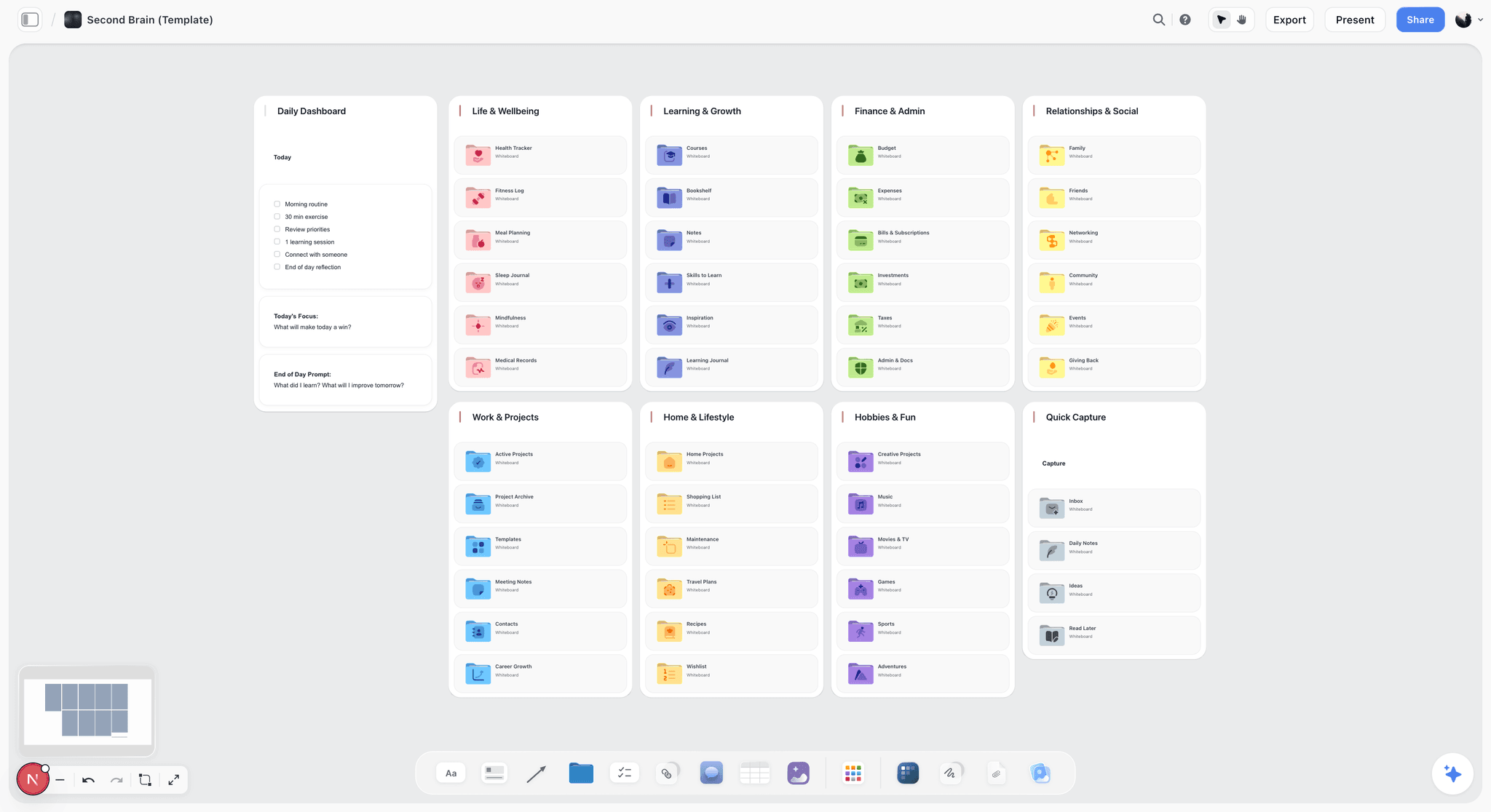
Storyflow canvas with beat sheet, character arc cards, and the Save the Cat Tactic Blueprint feeding a screenplay outline
Write the script where you can also see the story
Final Draft formats pages; Storyflow keeps the script beside your beats, characters, and structure on one canvas, and the AI reads all of it when you ask what is not working.

Best Final Draft Alternatives 2026: Market Context
The Final Draft alternative market splits along three lines in 2026, and the choice between them matters more than the choice between specific tools.
The first split is cloud-native versus desktop-first. WriterDuet, Celtx, Arc Studio, and Beat (with cloud sync) sit on the cloud-native side. Final Draft, Fade In, Highland 2, and Slugline sit on the desktop-first side. Cloud-native wins on collaboration and cross-device sync. Desktop-first wins on offline reliability and historical workflow.
The second split is dedicated screenplay tools versus broader story environments. Final Draft and most alternatives are screenplay-format-first. Celtx adds pre-production. Storyist adds novelist features. Causality adds story development. Storyflow adds a full project canvas. The broader tools can replace multiple apps; the dedicated tools have more polish on the core screenplay editing.
The third split is paradigm: linear page-first versus structural-first. Most tools are page-first: you open a screenplay and write pages. Storyflow, Causality, and KIT Scenarist are structural-first: you build the beat sheet, the character arcs, or the scene grid first and the pages come out of that work. Structural-first works for writers who plan; page-first works for writers who discover through pages.
A 2019 Writers Guild of America survey on screenwriting tools found that 74% of working writers use Final Draft as the primary tool, but 63% reported they would consider switching if a cloud-native alternative supported the same FDX format reliably. The market is held by inertia, not by feature gap, and most of the leading alternatives have closed the feature gap. The decider is workflow shape, not feature checklist.
How We Evaluated the Best Final Draft Alternatives 2026
Five criteria determined the rankings. Each test was a specific scenario, not a feature checklist.
Industry FDX support. I imported a 110-page feature screenplay from Final Draft to each tool, edited it, exported back, and reopened in Final Draft. Tools that broke formatting on round-trip scored lowest. Tools that preserved every revision mark, dual dialogue, and scene number scored highest.
Real-time collaboration. Two writers, two laptops, same scene, simultaneous edits. Tools where the cursor and selection state held cleanly scored highest. Tools that hit merge conflicts or lost edits scored lowest.
Writing experience. Daily sustained writing sessions. Latency, formatting auto-complete, dialogue continuation, scene heading speed.
Structural depth. Beat sheet integration, scene index card view, character tracking, story templates.
Pricing and value. One-time purchase versus subscription, free tier reality, refund policies. The question is sustainability for a working writer over five years.
Every tool was tested with real screenplay work over four weeks.
Detailed Reviews: Best Final Draft Alternatives 2026
1. Storyflow (Best Structural Canvas, Not a Screenplay Editor)
I want to lead with the friction. Storyflow is not a screenplay editor. There is no screenplay-format page output, no industry-standard FDX export, and no production-side features like scheduling or breakdowns. If your need is page-level screenplay writing, WriterDuet, Final Draft, or Fade In are the right tools.
Now the strength. For long-form screenplay projects (TV pilots, features, limited series bibles), the structural and development work is where most writers actually get stuck, and Final Draft has historically been the tool people use for both structure and pages. Storyflow's canvas paradigm holds the structural work better. A TV pilot project on a Storyflow board contains the beat sheet using the Save the Cat or Hero's Journey Tactic Blueprint, character cards with arcs, episode structure cards arranged spatially, research source cards, and the working outline document, all visible at once. The AI reads the full canvas plus @-mentioned Documents and Tactics. The output is not pages. It is a structural environment where the connections between beats, characters, and themes stay visible.
Best for: Screenwriters whose Final Draft friction has been structural development, especially TV writers building series bibles and feature writers building beat sheets. Also great for: screenwriters who format pages elsewhere. Develop the structure in Storyflow, then move to your screenplay editor for the draft.
Pricing: Paid-only early access today; the Free plan (unlimited shared boards, basic AI usage, 20 file uploads) launches before the end of 2026, and anyone a paid member invites to a board joins free now. Plus: $7.99/month billed annually or $9.99/month billed monthly. Pro: $14/month billed annually or $19/month billed monthly. Max: $39/month billed annually.
Pros: Canvas paradigm matches structural development, 200+ Tactic Blueprints include narrative frameworks like Save the Cat and Hero's Journey, the AI reads the entire board plus @-mentioned context, collaborators invited by a paid member join free.
Cons: Not a screenplay editor. The output is a structural plan, not pages. Pair Storyflow with Final Draft, WriterDuet, or Highland 2 for the actual writing.
Verdict: Storyflow is the right pick for the structural side of screenplay work, paired with a focused screenplay editor for the pages. For broader screenwriting tool comparisons, see The 12 Best AI Tools for Screenwriters in 2026 and Mind Mapping Tools for Screenwriters in 2026.
2. WriterDuet (Best Cloud-Native Replacement)
WriterDuet is the cleanest cloud-native Final Draft alternative in 2026. The real-time collaboration is the standout feature. Two writers on the same scene, two cursors, no merge conflicts. The mobile app is mature. The version history is deeper than Final Draft's. FDX import and export preserve formatting on round-trip.
Best for: Writers and writers' rooms who collaborate across locations and want cloud-native with industry FDX support. Not for: writers who prefer offline-first desktop apps or who only write solo.
Pricing: Free (3 scripts). Standard from $11.99/month or $99/year. Pro from $13.99/month or $129/year for additional collaboration features.
Pros: Best real-time collaboration in this list, mobile app is mature, FDX round-trip preserves formatting, version history exceeds Final Draft's.
Cons: Free tier limited to 3 scripts (restrictive for working writers), subscription pricing rather than one-time, and the interface is browser-based with the usual browser-app trade-offs.
Verdict: WriterDuet is the right pick for collaborative cloud-native screenwriting. For broader screenwriting tools, see The 12 Best AI Tools for Screenwriters in 2026.
3. Fade In (Best One-Time-Purchase Replacement)
Fade In is the most-direct Final Draft replacement on a one-time-purchase model. The feature parity with Final Draft is the strongest on this list, the FDX support is industry-grade, and the $79.95 price is a fraction of Final Draft's $249.99. The interface feels dated compared to cloud-native alternatives, but for writers who value one-time purchase and offline reliability, Fade In is the leading pick.
Best for: Writers who want a Final Draft-shaped tool on a one-time purchase. Not for: collaborative writing or modern interface preferences.
Pricing: $79.95 one-time. Free version with watermarked output.
Pros: Best feature parity with Final Draft on this list, one-time purchase, mature FDX support, runs on Windows, Mac, and Linux.
Cons: Interface feels dated, free tier's watermark makes the free trial impractical, no real-time collaboration.
Verdict: Fade In is the right pick for one-time-purchase Final Draft replacement.
4. Highland 2 (Best Fountain-Based Independent)
Highland 2 is the Fountain-based screenwriting tool from John August. The Fountain plain-text format is portable and version-controllable. The Sprint feature for focused writing sessions is unique. For independent writers who prefer minimal interfaces and Fountain over FDX, Highland 2 is the most-respected pick in this space.
Best for: Independent macOS writers who use Fountain. Not for: Windows writers or anyone whose primary workflow requires real-time FDX collaboration.
Pricing: $49.99 one-time. Free version with limits.
Pros: Fountain format is the best portable screenplay format, Sprint mode for focused sessions, the writing experience is polished.
Cons: macOS only, structural features are lighter than Final Draft, FDX export exists but Fountain is the native format.
Verdict: Highland 2 is the right pick for Fountain-based independent writing.
5. Celtx (Best Browser-Based Plus Production)
Celtx pioneered cloud screenplay collaboration and has evolved into a broader pre-production workspace. The current product covers screenplay, treatment, production scheduling, storyboarding, and budgeting. For independent producers and small production companies who want screenplay and production in one tool, Celtx is the most-integrated pick.
Best for: Independent producers and small production companies who want screenplay plus pre-production. Not for: writers who want a focused screenplay tool without production features.
Pricing: Free with limits. Pro from $15/user/month. Studio from $40/user/month.
Pros: Integrated screenplay and pre-production, browser-based, the broader feature set replaces multiple tools.
Cons: The writing experience is not as polished as focused tools, the broader product surface means more to learn, and the pricing scales fast for teams.
Verdict: Celtx is the right pick when you need screenplay and production in one tool.
6. Trelby (Best Open-Source)
Trelby is the free open-source screenplay editor with Final Draft-like formatting. For Windows and Linux writers who want a free tool with serious formatting, Trelby is the leading option. The project's development cadence has slowed, but the existing feature set is stable.
Best for: Windows and Linux writers who want free screenplay formatting. Not for: Mac writers or anyone who needs active feature development.
Pricing: Free.
Pros: Free, open-source, mature formatting, runs on Windows and Linux.
Cons: No macOS support, development has slowed, no AI features, no cloud sync.
Verdict: Trelby is the right pick for budget-constrained Windows and Linux writers.
7. Arc Studio (Best Modern Cloud-Native)
Arc Studio is the modern cloud-native screenwriting tool with a focus on outlining and structural development inside the screenplay editor. The beat board and outline integration are tighter than WriterDuet's. For writers who want cloud-native with structural features built in, Arc Studio is the most-modern option.
Best for: Writers who want cloud-native with built-in structural features. Not for: writers who already have a separate structural tool or who prefer maximum focus.
Pricing: Free (3 scripts). Pro from $8/month. Premium from $13/month.
Pros: Modern interface, integrated beat board and outline, FDX support, mobile-friendly.
Cons: Smaller user base than WriterDuet, free tier limited to 3 scripts, the integrated structural features can feel like noise for writers who prefer focused page work.
Verdict: Arc Studio is the right pick for cloud-native writers who want structural features integrated.
8. Slugline (Best Fountain on macOS)
Slugline is the Fountain-based screenwriting tool for macOS with a writer-friendly interface. Lighter than Highland 2 in features but cleaner in interface. For writers who want Fountain on macOS with minimal interface noise, Slugline is the alternative to Highland 2.
Best for: macOS writers who use Fountain and prefer minimal interfaces. Not for: Windows writers or anyone who needs structural features.
Pricing: $39.99 one-time. Free trial.
Pros: Clean interface, Fountain-native, one-time purchase, mature macOS app.
Cons: macOS only, structural features are minimal, smaller community than Highland 2.
Verdict: Slugline is the right pick for minimal-interface Fountain writing on macOS.
9. KIT Scenarist (Best Open-Source with Structure)
KIT Scenarist is the open-source screenplay tool with structural features built in. Statistics, character tracking, and a scene grid view are included. For writers who want open-source with structure, KIT Scenarist is the most-featured option.
Best for: Writers who want open-source with structural features. Not for: writers who prefer minimal interfaces.
Pricing: Free.
Pros: Free, open-source, integrated statistics and structural features, cross-platform.
Cons: Polish lags behind commercial tools, smaller community.
Verdict: KIT Scenarist is the right pick for open-source writers who want structure.
10. Beat (Best Free Mac Fountain)
Beat is the free, open-source Fountain screenwriting tool for macOS. Active development, clean interface, and a small but engaged community. For Mac writers who want Fountain without paying for Highland 2 or Slugline, Beat is the leading free option.
Best for: macOS writers who want free Fountain screenwriting. Not for: Windows writers or anyone who needs FDX-first workflow.
Pricing: Free.
Pros: Free, open-source, active development, clean Mac-native interface.
Cons: macOS only, smaller community, structural features are light.
Verdict: Beat is the right pick for free Fountain writing on Mac.
11. Storyist (Best Mac and iOS Hybrid)
Storyist is the Mac and iOS writing tool that handles both novels and screenplays. For writers who work in both formats, Storyist is the most-integrated cross-format option.
Best for: Writers who work in both novel and screenplay formats on Apple devices. Not for: writers who only work in one format or who need Windows support.
Pricing: $59 one-time on Mac. iOS sold separately. 30-day trial.
Pros: Cross-format support, Mac and iOS native, integrated story development features.
Cons: macOS and iOS only, smaller community, the dual focus means neither format is best-in-class.
Verdict: Storyist is the right pick for cross-format writers on Apple platforms.
12. Causality (Best Story Development)
Causality is the story development tool with screenplay output. The focus is on character and event tracking through the story timeline. For writers who plan extensively before pages, Causality is the most-structural option.
Best for: Writers who plan extensively through character and event tracking. Not for: writers who want a primary screenplay editor.
Pricing: $99/year. 30-day trial.
Pros: Structural-first paradigm, character and event tracking, screenplay export.
Cons: Smaller community, the structural-first paradigm has a learning curve, screenplay output is secondary.
Verdict: Causality is the right pick for structural-first screenwriting.
How to Choose the Right Final Draft Alternative for Your Work
Five decision rules:
If you collaborate in real time, use WriterDuet. The collaboration is unmatched and the FDX round-trip is reliable.
If you want one-time purchase Final Draft-shaped tool, use Fade In. Feature parity at a third of the price.
If your friction is structural development, use Storyflow plus a focused screenplay editor. Canvas paradigm matches development; pair with Final Draft, WriterDuet, or Highland 2 for pages.
If you write in Fountain, use Highland 2 on Mac or Beat for free. Fountain is the best portable format.
If you produce as well as write, use Celtx. Screenplay plus pre-production in one tool.
For broader screenwriting alternatives, see The 12 Best AI Tools for Screenwriters in 2026 and Mind Mapping Tools for Screenwriters in 2026.
The Bottom Line
The best Final Draft alternative depends on whether you want a faithful replacement, a paradigm shift, or a paired workflow.
For most writers who want a cloud-native upgrade with industry FDX support, WriterDuet is the safe default. For writers who want one-time purchase parity, Fade In. For writers whose actual friction is structural development, Storyflow paired with a focused screenplay tool unblocks the work better than another page-first app would. For Fountain writers, Highland 2 or Beat. For producers, Celtx.
If you are not sure which category fits, take your most-active screenplay project and ask which phase has been the actual bottleneck. If collaboration has been blocking you, WriterDuet fixes it. If price has been blocking you, Fade In or a free tool fixes it. If structure has been blocking you, a canvas tool fixes it. The wrong move is to switch from Final Draft to another tool with the same paradigm and expect a different result.
FAQ: Best Final Draft Alternatives 2026
What is the best Final Draft alternative in 2026?
The best Final Draft alternative depends on workflow. For cloud-native real-time collaboration, WriterDuet. For one-time purchase Final Draft replacement, Fade In. For structural development paired with a focused editor, Storyflow plus WriterDuet or Final Draft. For Fountain-based writing, Highland 2 on Mac or Beat for free. For independent producers, Celtx.
Why do writers leave Final Draft?
Writers leave Final Draft mostly because the $249.99 one-time price is steep for new writers, the interface feels dated, real-time collaboration was added late and lags WriterDuet's, the macOS app has not been seriously rebuilt in years, and AI features are bolted on rather than designed in. Some writers also leave because they discover their friction is structural development, and Final Draft's page-first paradigm has hidden the structural work from them.
Is there a free Final Draft alternative?
Yes. Trelby is the leading free open-source Final Draft alternative on Windows and Linux. Beat is the leading free Fountain tool on macOS. KIT Scenarist is free open-source with structural features. WriterDuet has a free tier limited to 3 scripts. Fade In's free version exports with a watermark. Storyflow is paid-only during early access; its Free plan (unlimited shared boards) launches before the end of 2026.
What is the best Final Draft alternative for Mac?
For Mac writers, WriterDuet (cloud-native), Highland 2 (Fountain), Beat (free Fountain), Slugline (minimal Fountain), and Fade In (one-time purchase Final Draft-shaped) are the leading options. The deciding factor is whether you want cloud-native collaboration, Fountain format, or a Final Draft-shaped desktop app.
Is WriterDuet better than Final Draft?
For collaboration and cloud-native workflow, WriterDuet is meaningfully better than Final Draft. The real-time editing and version history exceed Final Draft's. For offline reliability, established workflow, and industry recognition, Final Draft is still hard to displace. The decision hinges on whether your work is solo or collaborative.
What is the best Final Draft alternative for TV writers' rooms?
For TV writers' rooms, WriterDuet Pro is the leading pick. The real-time multi-cursor editing matches Google Docs collaboration on screenplay formatting. Highland 2 is the alternative for rooms that work in Fountain. Some rooms still use Google Docs with screenplay formatting plugins, but WriterDuet Pro is more polished.
What is the best Final Draft alternative for new writers?
For new writers, Fade In ($79.95 one-time) or WriterDuet (free up to 3 scripts) are the cleanest entry points. Beat (free Fountain on Mac) and Trelby (free open-source on Windows/Linux) are the budget options. Avoid Final Draft as a first tool unless you specifically need to learn it for a class or fellowship that requires it.
Does any alternative match Final Draft's industry recognition?
WriterDuet is the closest in industry recognition, particularly in TV writers' rooms. Highland 2 has earned strong recognition among independent feature writers. Final Draft still holds the dominant position in studios and unions, but the working tools writers use day to day have diversified meaningfully since 2020.
Which Final Draft alternative has the best AI?
WriterDuet's AI features (added in 2024) are screenplay-aware. Sudowrite has stronger AI for prose but limited screenplay-specific structure. Storyflow has the deepest project-context AI but is not a screenplay editor. The deciding factor is whether AI is a primary feature need.
Can I import my Final Draft script into another tool?
Yes. All major alternatives (WriterDuet, Fade In, Highland 2, Celtx, Arc Studio) import FDX format reliably. Round-trip from Final Draft to alternative to Final Draft preserves most formatting; specific revision modes and dual dialogue can occasionally need cleanup. Plan for a test round-trip before committing a working project.
Table of Contents
- All 12 Final Draft Alternatives, Ranked
- Quick Picks: Best Final Draft Alternatives 2026 by Use Case
- Comparison Table: Best Final Draft Alternatives 2026
- Best Final Draft Alternatives 2026: Market Context
- How We Evaluated the Best Final Draft Alternatives 2026
- Detailed Reviews: Best Final Draft Alternatives 2026
- How to Choose the Right Final Draft Alternative for Your Work
- The Bottom Line
- Author
- FAQ: Best Final Draft Alternatives 2026
- Related Reading
Templates to check out for this topic


Filmmaking templates you can use in Storyflow
Skip the blank canvas. Open one of these filmmaking boards in Storyflow and the AI builds on the structure that is already there, from research through the shot list.


See Storyflow in Action
A visual AI workspace where every feature lives inside one canvas. No tab-switching, no context lost.
Build your entire board from a single message
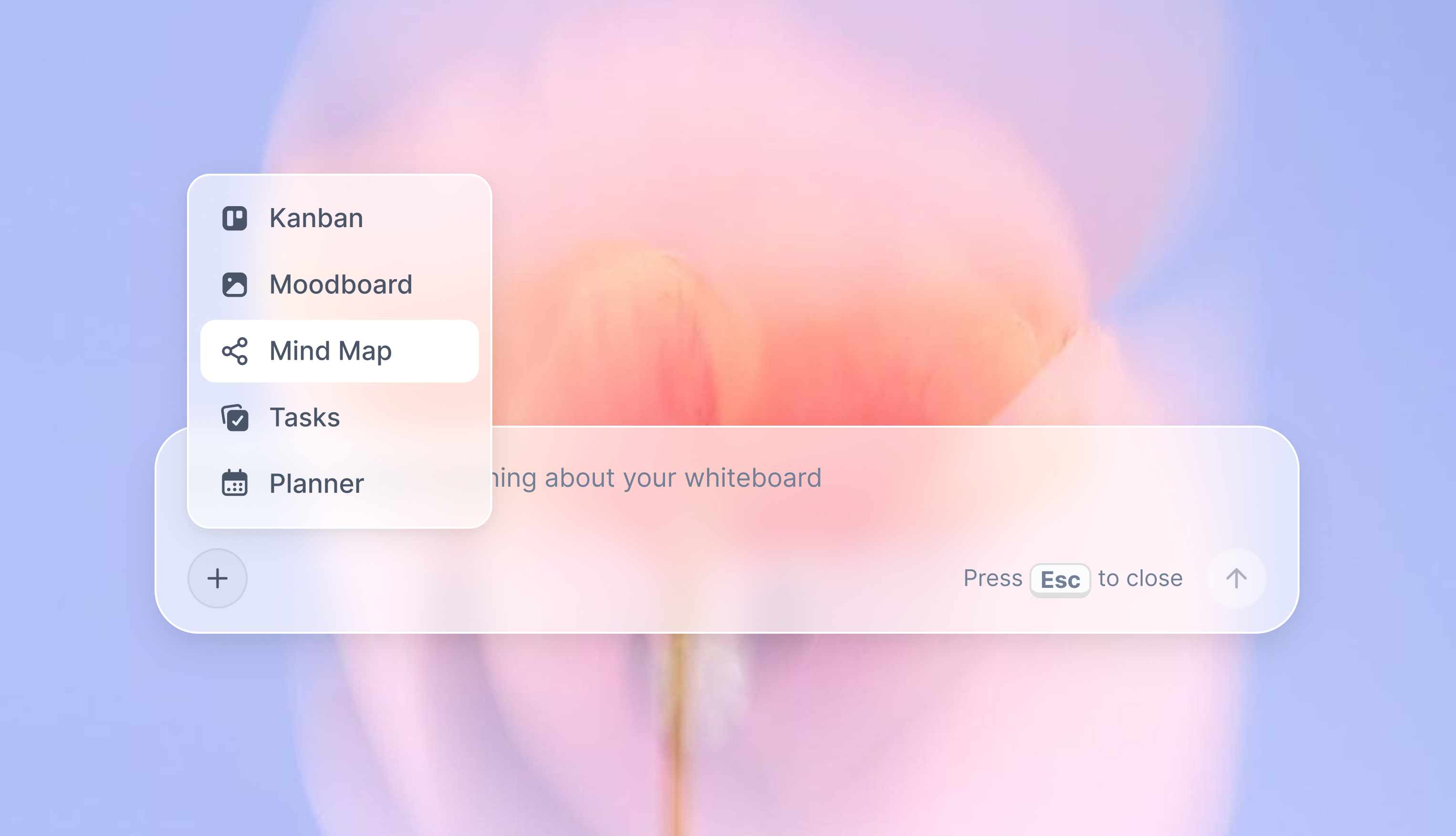
Type what you need in the AI chat at the bottom of your canvas. The AI adds cards, headings, and structure directly onto your board.
Use expert frameworks as AI context
Type @ in the AI chat and choose any Tactic. The AI tailors every response to that framework instead of giving generic advice.
Turn your board into a mind map in seconds
Ask the AI to restructure your canvas as a mindmap. It connects your ideas into a visual hierarchy so you can see how everything relates.
Why Storyflow Exists
Storyflow actually began as a personal tool while working on creative and research projects.
We kept running into the same problem: ideas were scattered everywhere: notes, documents, and whiteboards.
Nothing helped us see how everything connected.
So we started building a workspace designed around how ideas actually grow.
→ Read how Storyflow was createdJustkay
Documentary Filmmaker & Founder at Storyflow
Published: 2026-05-14
Extremely simple, seriously capable


See how easy it is to get started
Watch a real project come together, from a blank board to a finished plan, clicked through step by step.
Start creating with AI and become more productive
Transform your creative workflow with AI-powered tools. Generate ideas, create content, and boost your productivity in minutes instead of hours.