
How to Break Down a Script in 2026 (Step-by-Step)
How to break down a script in 2026, step by step. The eight-step workflow that runs both passes: the mechanical element tagging AI now accelerates, and the creative-intent pass most guides skip.

Category
Filmmaking
Author

Justkay
Documentary Filmmaker & Founder at Storyflow
Topics
2026-07-10
•
12 min read
•
Filmmaking- how to break down a script
- script breakdown steps 2026
- how to do a script breakdown
- script breakdown elements
- breakdown sheet
- film script breakdown
How do you break down a script in 2026?
To break down a script in 2026, you read the whole script, tag every element each scene requires, capture the creative intent behind those elements, and hand a clean breakdown to scheduling and budgeting. The tagging (cast, props, wardrobe, vehicles, effects) is now fast: AI tools like Filmustage do a first pass in minutes, and software like StudioBinder handles assisted tagging. The part no software does for you is the reasoning behind the tags. That is the whole shift this guide is built around: AI tags the what. Only a human keeps the why. The eight steps below run both layers, the mechanical tagging most guides cover and the creative-intent pass most guides skip. A script breakdown is the bridge between the finished script and the shoot. Done well, it lets the first AD schedule and the line producer budget accurately. Done as pure tagging, it loses the reasoning that half of those tagging decisions depended on, and that reasoning is exactly what someone on set will ask for the day a scene changes. I break down real documentary and hybrid scripts where scenes move daily, so this guide reflects how breakdown actually works now, not how it worked when the only tool was a highlighter and a stack of colored pens. The tagging got faster. The judgment did not.
Key Takeaways
- Run the Two-Layer Breakdown: Layer 1 is the What, Layer 2 is the Why. Tag every element for the schedule, then capture the reasoning behind those tags in the same pass.
- AI tags the what. Only a human keeps the why. The mechanical tagging is now fast, but the judgment behind each tag stays a human read.
- A breakdown that captures the what but loses the why is not a breakdown, it is an inventory. An inventory tells the crew what to bring, not what the scene is for.
- Concrete nouns tag cleanly, intent does not. A car or a named character auto-tags reliably, but whether a fall is a stunt or a stumble needs a human read.
- Let AI do the first tagging pass, then review every scene. Filmustage and StudioBinder tag most elements automatically, but the human review is where the breakdown becomes reliable.
- Some tags exist only because of a creative decision. In the garage scene the insert rig is on the list only because the third kick matters, so strip the why and the next person cuts the shot the scene was built for.
- Split the tools: dedicated software owns Layer 1, a shared canvas holds Layer 2. StudioBinder, Filmustage, or Movie Magic tag and schedule; Storyflow keeps the scene meaning and priorities the team can see.
- Keep the breakdown alive through changes. When a scene changes, update the tags and the intent, because a breakdown that looks authoritative while being wrong is worse than useless.
The Two-Layer Breakdown
Most breakdown guides teach one layer and call it the job. A breakdown that holds up on set is two layers with different purposes, built in the same pass through the script.
Layer 1 is the What. Every prop, cast member, vehicle, stunt, and effect gets tagged so the schedule and budget can be built. This is repetitive and rule-based, which is why AI now does a strong first pass. If your only need is the logistics breakdown, an AI tool plus a human review gets you there fast. Layer 1 is the layer that becomes stripboard strips and budget line items.
Layer 2 is the Why. Before anyone tagged a prop, someone decided the scene needs it and what it means. Whether a line implies a stunt or a gag, whether a location has to feel a certain way, which elements are creative priorities worth extra coverage: those are judgment calls that shape the tagging and the prep. This reasoning usually lives in one person's head, gets spoken once in a prep meeting, and then vanishes.
The failure mode is treating Layer 1 as the entire deliverable. A breakdown that captures the what but loses the why is not a breakdown. It is an inventory. An inventory tells the crew what to bring. It does not tell them what the scene is for, so every creative question routes back through one person's memory, usually the director's, usually on the day, usually when there is no time to answer it well.
The stronger approach runs Layer 1 in dedicated breakdown software and keeps Layer 2 on a canvas the whole team can see. Storyflow is built for that creative layer: it holds scene meaning, priorities, and the reasons behind key elements next to the plan itself. Its AI can draft a scene index, breakdown tables (cast, props, wardrobe, vehicles, SFX per scene) and a strip board from an attached script, but it does not tag elements inside the script. StudioBinder or Filmustage own Layer 1; Storyflow holds Layer 2. For the tool comparison, see the best script breakdown software in 2026.
The Script Breakdown Element Categories (at a Glance)
Layer 1 runs on a fixed set of element categories. Each traditionally gets a color that carries onto the stripboard, so a schedule shows at a glance what each shooting day demands.
| Element category | Traditional color | Examples | AI auto-tags reliably? |
|---|---|---|---|
Cast (principal) | Red | Named speaking roles | Yes |
Background / extras | Yellow | Crowds, atmosphere | Yes |
Stunts | Orange | Fights, falls, driving | Partial |
Vehicles | Green | Picture cars, boats | Yes |
Animals | Amber / plum | Horses, dogs, wranglers | Partial |
Props | Purple | Handled objects | Yes |
Wardrobe | Notation | Costumes, changes | Partial |
Special effects | Blue | Practical FX, atmosphere | Partial |
Makeup / hair | Asterisk | Prosthetics, special looks | Partial |
Sound / music | Brown | Playback, source cues | Partial |
Special equipment | Notation | Crane, drone, underwater | No |
The "AI auto-tags reliably?" column is the honest edge of Layer 1 automation. Concrete nouns (a car, a knife, a named character) tag cleanly. Anything that depends on intent (is this fall a stunt or a stumble, does this equipment note exist only because the director wants a crane move) needs a human read. That read is where Layer 1 and Layer 2 touch.
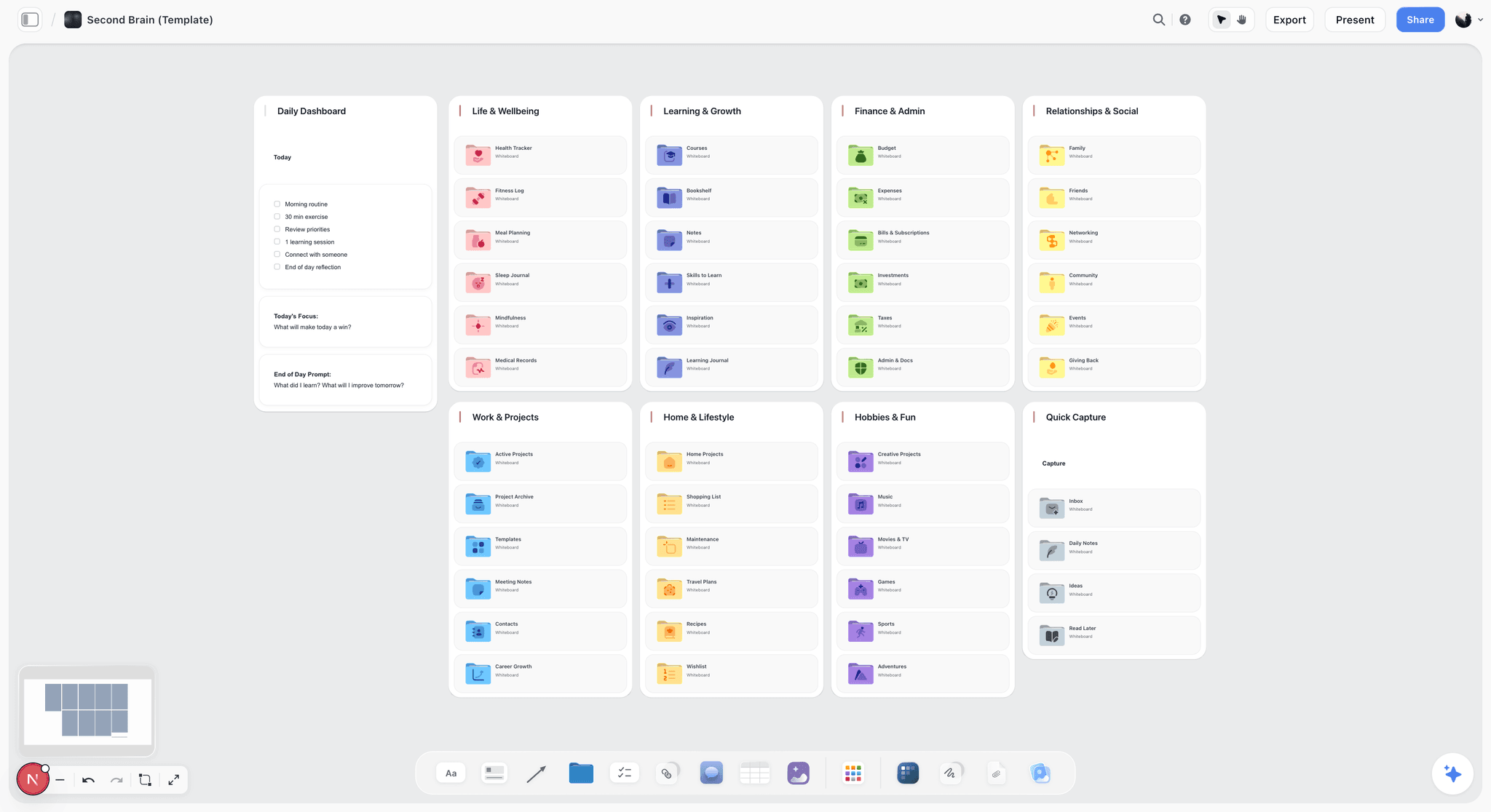
Storyflow canvas holding the creative intent behind a script breakdown alongside the tagged elements
Keep the creative intent behind your breakdown
Storyflow keeps the reasons behind key elements, scene meaning, and priorities on one canvas the team can see, so the breakdown stays meaningful when scenes change. Tag the elements in your breakdown software.

Worked Example: One Scene, Both Layers
Abstract rules do not teach breakdown. A scene does. Take a short one:
INT. GARAGE, NIGHT. Dana pulls a dust sheet off her late brother's motorcycle. She checks the fuel line, throws a leg over the seat, and kicks it to life on the third try. The headlight cuts a hard line across the wall.
Roughly three-eighths of a page. Here is Layer 1, the tags an AI or a careful human produces:
- Cast (principal): Dana.
- Props: dust sheet, motorcycle (as handled object and picture vehicle), ignition key or kick-start.
- Vehicles: the motorcycle, which must run on camera.
- Wardrobe: Dana's jacket, flagged for continuity.
- Special effects: the headlight as a practical, possible haze in the garage air.
- Sound: engine turnover and ignition, either recorded live or added as playback.
- Special equipment: a low mount or rig for the insert of the kick-start.
- Page count: 3/8.
That is a complete Layer 1 pass. It is also, on its own, an inventory. It does not tell anyone what the scene is doing. Here is Layer 2, the notes that ride alongside those tags on the canvas:
- The motorcycle is the brother. Starting it is Dana choosing to carry him forward, so this is the emotional pivot of the sequence, not a transition. Priority element: get a clean insert of the third kick and the headlight snapping on.
- "The third try" is a grief beat about persistence, not a gag. Schedule enough takes and put a mechanic on standby so the bike fires on cue. A picture vehicle that must start on camera is a reliability risk; flag a backup bike.
- The headlight cutting the wall is the visual button. The location has to allow that beam and have a wall with the right texture. Gaffer note attached.
- Continuity: the dust on the sheet should match the garage neglect established earlier, and the jacket is the same one from the funeral scene.
Notice what happened. Two of the Layer 1 tags (the vehicle and the special equipment) exist because of a Layer 2 decision. The insert rig is on the list only because the third kick matters. Strip the why away and the next person to touch this breakdown sees a rig with no reason, cuts it to save money, and loses the shot the whole scene was built for. AI tags the what. Only a human keeps the why, and this scene is why that sentence is not a slogan.
Step 1: Read the Whole Script First
Before tagging anything, read the entire script for story and logistics. You cannot tag well what you do not understand, and elements that recur or pay off later only make sense in context. This step feeds both layers.
Read once for the story, then once with a producer's eye, noting the big-ticket items: major locations, stunts, VFX, animals, minors, crowd scenes. This first read gives you the shape of the production before you get into scene-by-scene detail. Skipping it leads to tagging errors and missed dependencies, the motorcycle you tagged as a prop in scene 4 that turns out to drive in scene 40.
By the end of step 1 you understand the whole script and the major logistical challenges it contains.
Step 2: Set Your Scene Boundaries and Numbers (Layer 1)
A breakdown works scene by scene, so lock the scene boundaries and numbers first. Each slugline (a new location or time) starts a new scene, and each gets a number that carries through the stripboard and budget.
Confirm the scene numbering matches the shooting script, and note the page count for each scene in eighths of a page, the industry unit, since page count drives scheduling estimates. Locking scenes now prevents confusion when the schedule references scene numbers later. If the script is still changing, note that scenes may renumber, and keep the numbering source in one place so a revision does not silently break every downstream reference.
By the end of step 2 you have numbered scenes with page counts, ready to tag.
Step 3: Tag the Elements Scene by Scene (Layer 1)
Now tag every element each scene requires, category by category: cast, extras, stunts, vehicles, animals, props, wardrobe, effects, makeup, sound, and special equipment. This is the core mechanical pass.
Go scene by scene and tag consistently. This is where AI saves the most time. Filmustage tags most elements automatically on a first pass, and StudioBinder offers assisted tagging. Let the AI do the first pass, then review every scene, because AI misses ambiguous elements (an implied stunt, a prop that pays off later) and mis-tags some. The human review is not optional. It is where the breakdown becomes reliable, and it is the moment you catch the Layer 2 flags the AI cannot see.
By the end of step 3 every scene has its elements tagged, verified by a human.
Step 4: Capture the Creative Intent (Layer 2)
Now do the pass most breakdowns skip. For the scenes and elements that matter creatively, capture why: what the scene is doing, which elements carry weight, what the director's intent is. This is what keeps the breakdown meaningful when scenes change.
On a canvas, add creative notes next to the key scenes, the way the garage example did: this prop carries the theme, this location must feel oppressive, this stunt is a story beat and not just an action moment. Keep it with the plan, not in a separate document that no one opens after prep. On Storyflow, these notes live on the same board the team shares, so department heads understand not just what a scene needs but why it needs it. This is the layer that prevents re-litigating creative decisions on set, which is the most expensive place to re-litigate anything.
By the end of step 4 the breakdown captures the reasoning behind the key elements, not just the tags.
Step 5: Generate the Breakdown Sheets (Layer 1)
With elements tagged, generate the breakdown sheets: one per scene, listing every element by category, ready for scheduling and budgeting. Software generates these automatically from your tags.
In StudioBinder, Filmustage, or similar, produce the breakdown sheets and reports, then check them for completeness and accuracy against your review. These sheets are the deliverable the AD and line producer work from, so they must be right. A clean breakdown sheet per scene is the foundation of an accurate schedule and budget, and a sloppy one quietly compounds into every day of the shoot.
By the end of step 5 you have complete, accurate breakdown sheets for every scene.
Step 6: Flag the Risky Elements
Some elements carry outsized risk and cost, and they need flagging early: stunts, VFX, minors, animals, weapons, special effects, and anything requiring permits or safety coordination. These drive both the budget and the safety plan. This step sits between the layers: the data comes from Layer 1, but knowing what counts as risky is a Layer 2 judgment.
Go through the breakdown and flag every risky element, noting what it requires: a stunt coordinator, a VFX vendor, a wrangler, a minor's tutor and limited hours, a permit. Flagging these early gives the producer time to plan and budget for them rather than discovering them close to the shoot. In the garage scene, the picture motorcycle that must start on camera is the flag: cheap to overlook, expensive to fix at 2am on a location day.
By the end of step 6 every high-risk, high-cost element is flagged and its requirements noted.
Step 7: Hand Off to Scheduling and Budgeting (Layer 1)
The breakdown exists to feed scheduling and budgeting, so hand it off cleanly. The tagged elements and page counts flow into the stripboard, and the elements flow into the budget.
Move the breakdown into your scheduling tool (StudioBinder, Movie Magic, or Yamdu) to build the shooting schedule, and into your budgeting tool for the budget. A good breakdown makes both faster because the data is already structured. See the best film scheduling software in 2026 for the scheduling stage. Keep the Layer 2 canvas linked here too, so whoever builds the schedule can see why a scene is a priority before they bury it in a swing day.
By the end of step 7 the breakdown has become a schedule and a budget.
Step 8: Keep the Breakdown Alive Through Changes
Scripts change, and a breakdown that does not update is worse than useless, because it looks authoritative while being wrong. The final step is keeping the breakdown alive through both layers.
When the script changes, update the affected scenes' tags, and update the creative intent if the meaning changed. This is where keeping the why on a shared canvas pays off. When a scene changes, the team sees not just the new tags but why the scene exists, so the schedule and budget stay grounded instead of drifting into a pile of accurate tags that no longer add up to a film. A breakdown is a living document until the shoot wraps.
By the end of step 8 you have a breakdown that stays accurate as the production evolves.
Which Tool Holds Which Layer
No single tool owns both layers well, and pretending one does is how breakdowns end up either logistically clean and creatively empty or full of intent and useless to the AD. Split the job on purpose.
| Tool | Layer 1: tagging | Breakdown sheets | Scheduling | Layer 2: creative intent |
|---|---|---|---|---|
Filmustage | Yes (AI) | Yes | Partial | No |
StudioBinder | Yes (assisted) | Yes | Yes | No |
Movie Magic | Yes | Yes | Yes | No |
Yamdu | Yes | Yes | Yes | Partial |
Storyflow | No | AI-drafted tables | Draft strip board | Yes |
Storyflow sits alone in the last column on purpose. It is the visual workspace where the reasoning behind the breakdown lives on one canvas the team can see, alongside the scene meaning, the priorities, and the notes that explain the tags. Its AI reads the current board plus up to one Tactic and up to three Documents you @-mention, so you can ask it about the plan in front of you. Pricing is flat per account:
| Plan | Annual (per month) | Monthly |
|---|---|---|
Free | $0 | $0 |
Plus | $7.99 | $9.99 |
Pro | $14 | $19 |
Max | $39 | $49 |
Where Storyflow is the wrong tool, and it often is for part of this job:
- It does not tag elements inside the script. Its breakdown tables and strip board are AI drafts; there is no color-coded element report, no day-out-of-days, no Movie Magic import. For Layer 1 you need StudioBinder, Filmustage, or Movie Magic. Storyflow holds the why, not the what.
- It is cloud-only. On a remote location with no signal, a local-first breakdown tool or a printed set of sheets beats a canvas you cannot load. Plan for offline access to the Layer 1 deliverables.
- It is a newer, general creative workspace, not dedicated breakdown software. It has no built-in knowledge of union element categories or budget codes, so it will not warn you that you forgot to tag a minor. That safeguard lives in the dedicated tools.
The honest read: pair a breakdown tool for Layer 1 with a shared canvas for Layer 2. Neither replaces the other.
Where Script Breakdown Still Needs a Human
Honest accounting: AI tags elements, it does not interpret the film. These are the parts that stay human no matter how good the tagging gets.
- Ambiguous elements. Whether a line implies a stunt or a gag is a judgment call, and the wrong call is either a wasted stunt budget or an injury.
- Creative priorities. Which elements matter most to the story guides how you spend coverage, prep, and money. The AI weights every prop the same.
- Scene intent. What a scene is really about is a creative read, not a tag. The motorcycle is a vehicle to the software and the whole film to the director.
- Risk assessment. Flagging what is dangerous or expensive takes experience the tagging model does not have.
The right way to break down a script in 2026 is to let AI do the mechanical first pass, review it as a human, and keep the creative intent on a shared canvas. The tagging is faster than it has ever been. AI tags the what. Only a human keeps the why.
The Bottom Line
To break down a script in 2026, run the Two-Layer Breakdown: Layer 1, the mechanical element tagging, now fast with AI, and Layer 2, the creative-intent pass most guides skip. The eight steps (read the script, set scenes, tag elements, capture intent, generate sheets, flag risks, hand off, and keep it alive) produce a breakdown that feeds scheduling and budgeting accurately and stays meaningful as the script changes.
The move that changes the most is to stop treating breakdown as pure tagging. AI tags the what. Only a human keeps the why. Let the software tag the elements, review it, and keep the reasoning on a shared canvas so the breakdown stays grounded when scenes change. Start a Storyflow board for the creative intent behind your breakdown, and tag the elements in your breakdown software.
FAQ: Breaking Down a Script
How do you break down a script?
You break down a script by reading the whole script, locking scene boundaries and numbers, then tagging every element each scene requires: cast, extras, stunts, vehicles, animals, props, wardrobe, effects, makeup, sound, and special equipment. You capture the creative intent behind the key elements, generate breakdown sheets, flag risky elements like stunts and VFX, and hand the breakdown to scheduling and budgeting. AI now does the tagging first pass in minutes, but the human review and the creative-intent pass are what make it reliable.
What are the element categories in a script breakdown?
The standard categories are principal cast (red), background and extras (yellow), stunts (orange), vehicles (green), animals, props (purple), wardrobe, special effects (blue), makeup and hair, sound and music (brown), and special equipment. Each traditionally gets a color that carries onto the stripboard, so a schedule shows at a glance what each shooting day requires. Modern software keeps the categories even when it drops the literal colors, and AI tools tag most of them automatically on a first pass.
Can AI break down a script?
Yes, for the mechanical first pass. Tools like Filmustage tag elements automatically across a full script in minutes, and StudioBinder offers assisted tagging. The AI pass still needs human review because it misses ambiguous elements, like an implied stunt, and mis-tags some. AI cannot do the creative pass: capturing why elements matter and which are priorities is a judgment call. The best workflow is AI for the tagging, a human review, and the creative intent kept on a shared canvas.
What is a script breakdown sheet?
A script breakdown sheet is a one-page-per-scene document that lists every production element that scene requires, sorted by category: cast, extras, props, vehicles, wardrobe, effects, and the rest. It also carries the scene number, location, day or night, and page count. Breakdown software generates these automatically from your tags. The sheets are the deliverable the first AD and line producer build the schedule and budget from, so accuracy on them drives accuracy on everything downstream.
How long does it take to break down a script?
With AI, the tagging first pass on a feature takes minutes instead of the days a manual breakdown once took. The human review, creative-intent pass, and risk flagging still take real time, typically a day or more for a feature depending on complexity. The time saving from the tagging is large, but a good breakdown is not just fast tagging. It includes the review and the reasoning that make it reliable, so budget time for both layers, not just the automated one.
What is the difference between a breakdown and a shooting schedule?
A breakdown tags what every scene requires (the elements); a shooting schedule arranges those tagged scenes into the most efficient shooting order (the stripboard). The breakdown is the input; the schedule is the output. You break down the script first, then the tagged elements and page counts feed the schedule. They are different jobs done in sequence, though the same software often handles both because the schedule is built directly from the breakdown data.
What is a stripboard?
A stripboard is the scheduling document where each scene becomes a colored strip carrying its key information: scene number, cast, location, day or night, and page count. The strips get reordered to build the most efficient shooting sequence, grouping scenes by location, cast availability, and time of day. The colors on the strips come straight from the breakdown's element categories, which is why a clean breakdown makes for a clean board. The stripboard is scheduling, the stage right after breakdown.
Who is responsible for breaking down a script?
On a larger production the first assistant director owns the breakdown, often with a script supervisor confirming scene details and continuity. On smaller or independent shoots the producer, line producer, or director handles it directly. Whoever does it needs the story context, not just the page, which is why the person with creative authority should own or closely review the Layer 2 creative-intent pass even when an assistant runs the tagging.
How do you break down a script by hand?
Print the script, then go scene by scene marking every element with the traditional category colors: red for principal cast, green for vehicles, purple for props, and so on. Transfer each scene's marks onto a breakdown sheet, note the page count in eighths, and flag risky elements. It works and it teaches you the categories, but it is slow and error-prone at feature length, which is why most productions now let AI tag the first pass and reserve the human hours for review and creative intent.
Can you break down a documentary script?
Yes, though a documentary breakdown leans harder on the creative layer. Documentaries often shoot from a treatment or an outline rather than a locked script, so the elements are looser and the intent behind each planned sequence matters more. The mechanical tagging still applies to any scripted or reconstructed scenes, but the highest-value work is capturing why each planned moment exists, because those are the decisions that survive when a shoot day goes sideways and you rebuild the sequence on location.
Is Filmustage or StudioBinder better for script breakdown?
They solve slightly different problems. Filmustage is built around AI tagging and is fastest for getting a full script tagged automatically as a first pass. StudioBinder is an all-in-one that covers assisted breakdown plus scheduling, call sheets, and reports, so it is stronger if you want the whole pre-production chain in one place. Neither holds the creative-intent layer. For the reasoning behind the breakdown, pair either one with a shared canvas like Storyflow.
How does Storyflow help with script breakdown?
Storyflow helps with the creative pass, not the element tagging. It keeps the reasoning behind the breakdown (scene meaning, priorities, and the notes explaining key elements) on one canvas the team can see, so department heads understand not just what a scene needs but why. When a scene changes, that reasoning stays visible, keeping the breakdown meaningful. Its AI can also draft breakdown tables and a strip board from an attached script, but for tagging inside the script and a scheduling engine, use a dedicated tool like StudioBinder or Filmustage. Storyflow holds the why; the dedicated tools hold the what.
Table of Contents
- Key Takeaways
- The Two-Layer Breakdown
- The Script Breakdown Element Categories (at a Glance)
- Worked Example: One Scene, Both Layers
- Step 1: Read the Whole Script First
- Step 2: Set Your Scene Boundaries and Numbers (Layer 1)
- Step 3: Tag the Elements Scene by Scene (Layer 1)
- Step 4: Capture the Creative Intent (Layer 2)
- Step 5: Generate the Breakdown Sheets (Layer 1)
- Step 6: Flag the Risky Elements
- Step 7: Hand Off to Scheduling and Budgeting (Layer 1)
- Step 8: Keep the Breakdown Alive Through Changes
- Which Tool Holds Which Layer
- Where Script Breakdown Still Needs a Human
- The Bottom Line
- Author
- FAQ: Breaking Down a Script
- Related Reading
Templates to check out for this topic


Templates you can use in Storyflow
Every Storyflow board starts from real structure and an AI that reads the whole canvas. Open one of these templates and make it yours.


See Storyflow in Action
A visual AI workspace where every feature lives inside one canvas. No tab-switching, no context lost.
Build your entire board from a single message
Type what you need in the AI chat at the bottom of your canvas. The AI adds cards, headings, and structure directly onto your board.
Use expert frameworks as AI context
Type @ in the AI chat and choose any Tactic. The AI tailors every response to that framework instead of giving generic advice.
Turn your board into a mind map in seconds
Ask the AI to restructure your canvas as a mindmap. It connects your ideas into a visual hierarchy so you can see how everything relates.
Why Storyflow Exists
Storyflow actually began as a personal tool while working on creative and research projects.
We kept running into the same problem: ideas were scattered everywhere: notes, documents, and whiteboards.
Nothing helped us see how everything connected.
So we started building a workspace designed around how ideas actually grow.
→ Read how Storyflow was createdJustkay
Documentary Filmmaker & Founder at Storyflow
Published: 2026-07-10
Extremely simple, seriously capable


See how easy it is to get started
Watch a real project come together, from a blank board to a finished plan, clicked through step by step.
Start creating with AI and become more productive
Transform your creative workflow with AI-powered tools. Generate ideas, create content, and boost your productivity in minutes instead of hours.