The 10 Best Worldbuilding Software Tools in 2026 (Tested)
We tested 10 worldbuilding tools for novelists, screenwriters, and game designers. Storyflow ranks #1 for visual, canvas-first work. Plus from $7.99/mo.

Category
Worldbuilding
Author

Justkay
Documentary Filmmaker & Founder at Storyflow
Topics
2026-07-21
•
18 min read
•
Worldbuilding- best worldbuilding software
- worldbuilding software
- worldbuilding tools
- worldbuilding app
- fantasy worldbuilding software
- ttrpg worldbuilding tool
- world anvil alternative
- worldbuilding wiki software
What is the best worldbuilding software in 2026?
The best worldbuilding software in 2026 is Storyflow for visual, canvas-first work, World Anvil for deep encyclopedic lore and interactive maps, LegendKeeper for a modern wiki that tabletop and game teams actually enjoy using, and Notion for a relational world database. Storyflow ranks first when your world is more than an encyclopedia: characters, factions, geography, timelines, magic systems, and reference images sit on one infinite canvas, and the AI reads the full active board at once instead of one article at a time. It is paid-only during early access, with a Free plan (unlimited objects, no time limit) launching before the end of 2026, and paid begins at $7.99 per month billed annually on Plus. The right pick depends on whether your world is mostly encyclopedia, mostly map, mostly database, or mostly canvas. No single tool wins for everyone, which is why this guide sorts them by the shape of the world you are building. Two ideas run through the whole list. A world is a system, not a list, so the magic, the economy, the factions, and the map all press on each other, and the best tools show those connections rather than filing each fact in an isolated page. And a world is only as useful as it is retrievable, because the lore you cannot find mid-scene is lore that quietly works against you. I have spent years keeping hundreds of interconnected facts consistent across long-form documentary work, where the world is real people, real timelines, and research that has to agree with itself across parts, and that is the same discipline a fictional world demands, so I tested each tool on that job, not on a demo file.

Full disclosure: Storyflow is our own product, so weigh its placement with the skepticism you would apply to any tool a company recommends on its own blog. We rank it first for one job, keeping a visual, canvas-first world the AI can read whole, and we are explicit about where World Anvil (deep lore and maps), LegendKeeper (a modern tabletop wiki), and Notion (a relational database) beat it.
Quick Comparison
Where worldbuilders actually build a world, and the one job each tool is best at.
| Tool | Best For | AI Features | Price |
|---|---|---|---|
| Storyflow | Visual canvas world | Reads the whole board | $7.99 mo annual (free plan late 2026) |
| World Anvil | Encyclopedic lore and maps | Some AI | Free / paid |
| LegendKeeper | Modern tabletop wiki | None native | Paid / trial |
| Notion | Relational database | Notion AI (page-level) | Free / paid |
All 10 Worldbuilding Tools, Ranked
- Storyflow: best visual, canvas-first world where the AI reads the whole board
- World Anvil: best deep encyclopedic lore, interactive maps, and interlinked wiki
- LegendKeeper: best modern worldbuilding wiki for tabletop and game teams
- Campfire: best modular novel and worldbuilding suite
- Notion: best relational world database and shared team wiki
- Obsidian: best local-first, plain-text world graph you fully own
- Scrivener: best world notes that live beside the manuscript
- Milanote: best lightweight visual board for tone, maps, and light structure
- Fantasia Archive: best free, offline, database-driven worldbuilding
- Google Docs: best free starting point for a small world
Keep the two ideas in mind as you read. Encyclopedia tools file deep lore beautifully and show connections weakly. Canvas tools show connections at a glance and file deep lore weakly. The rankings reward the tools that narrow that gap for the kind of world you are actually building.
Why Worldbuilding Needs Its Own Tool
By the third chapter, the map no longer agrees with the prose. A river runs east in one scene and west in another. A currency is gold coins on Monday and silver marks on Thursday. A god who was dead in the founding myth is answering prayers two hundred pages later. None of this is carelessness. It is the predictable result of holding a growing world inside a growing pile of documents.
A single scene has one small consistency problem. A world has that problem multiplied by every faction, every region, every era, and every rule of magic or technology you invent. The reason people search for worldbuilding software is not that a document cannot hold lore. It is that a document cannot keep hundreds of interlocking facts consistent, and it cannot surface the right one the moment a sentence needs it.
Three specific failures push worldbuilders off documents and toward a dedicated tool.
- A world is a system, and documents store it as a list. Magic touches the economy, the economy shapes the factions, the factions redraw the map. In a document, each of those lives on its own page with nothing showing how they connect, so you rebuild the web in your head every time.
- Depth outruns retrievability. The worldbuilding iceberg is real: most of what you invent never appears on the page, yet all of it has to stay consistent and findable. A deep world in a flat folder becomes a place where you know the fact exists but cannot locate it before the scene moves on.
- Nobody can hold a world in their head. Cowan's research (Behavioral and Brain Sciences, 2001) established that human working memory holds roughly four chunks of information at once. A world has thousands, so the tool is not a luxury; it is the external memory the work requires.
There is a cost underneath all three. As the world grows, the time spent hunting for the one detail you need grows with it, and the McKinsey Global Institute (2012) estimated that knowledge workers already spend about 19 percent of the workweek just searching for information. A world spread across docs, spreadsheets, and image folders quietly adds to that tax every time you ask a continuity question.
Zoom out and the market splits into camps. Encyclopedic-wiki tools (World Anvil, LegendKeeper, Fantasia Archive, Obsidian, Notion) treat the world as interlinked records you read like a reference book. Visual-canvas tools (Storyflow, Milanote) treat it as a space you arrange, where factions, geography, and mood live side by side and you can see the whole world at once. Manuscript tools (Scrivener) keep the world beside the writing. None is strictly better. Each matches a different shape of world.
When do you not need one? If your project is a single short story, a contained novel with one town and a small cast, or a game jam you will finish before the world grows complex, a good document is enough. A worldbuilding tool earns its keep the moment your world outgrows your memory, and not one day before.
How We Evaluated the Best Worldbuilding Software
We tested each tool on the same real workloads: a high-fantasy world with deep lore, a magic system, and a map; a science-fiction setting with factions, technology rules, and a long timeline; and a tabletop campaign world that a small group had to read, search, and expand together. Tools were not scored on feature lists. They were scored on whether the world stayed consistent and findable as it grew.
Six criteria set the rankings, in this order of weight. Consistency support: when a fact changes, how easily does the tool keep every related record honest, and can you catch contradictions before a reader does. Structure fit: does the tool's shape (canvas, wiki, database, or manuscript) match how a world wants to be organized across lore, maps, characters, factions, timelines, and systems. Retrievability: how fast can you find the one fact you need mid-scene, through search, links, or a visible layout. AI usefulness: holding the substrate constant, how much does the AI help you build, question, and expand the world rather than just autocomplete a sentence. Collaboration: how well several worldbuilders or players work in the same world without stepping on each other. Pricing transparency: what you actually pay as the world and the team grow.
Every tool was used hands-on for at least two weeks on genuine worldbuilding. Where a competitor's pricing has shifted recently, we write "verify current pricing" rather than quote a number that may already be stale.
Quick Picks by Use Case
Best overall worldbuilding software: Storyflow. The pick when your world is visual and spatial, with factions, geography, characters, and reference images that benefit from board-aware AI. Plus is $7.99/month billed annually ($9.99 monthly). The honest limit: it is not an encyclopedia and it has no layered interactive map tool.
Best for deep encyclopedic lore: World Anvil. For epic fantasy and science fiction with hundreds of interlinked articles, interactive maps, family trees, and a database-style timeline. Free Freeman tier; paid annual memberships.
Best modern wiki for tabletop and games: LegendKeeper. A fast, map-first worldbuilding wiki with linked pages and boards, loved by game masters and game teams. Paid subscription with a free trial.
Best modular suite for novelists: Campfire. Purpose-built character, relationship, and worldbuilding modules you can buy piece by piece. Limited free access; modular or subscription pricing.
Best relational world database: Notion. Regions linked to factions linked to characters in a true database, ideal for a team that already lives in Notion. Free for personal use; paid from about $10/user/month.
Best free offline builder: Fantasia Archive. A deep, database-driven desktop tool that is free and runs entirely on your machine. Free and open-source (donations welcome).
Best free starting point: Google Docs. Sketch a first world outline for free, then move to Storyflow when the doc starts to strain; it is paid-only during early access, with Plus at $7.99/month billed annually and a Free plan (unlimited objects, no time limit) launching before the end of 2026.
The honest split: most worldbuilders keep the deep reference in a wiki or database and do their thinking, mapping, and connecting on a canvas or a board. Try Storyflow to build a visual world.
Comparison Table: Best Worldbuilding Software
| Tool | Best For | Starting Price | Free Plan | Rating (/10) |
|---|---|---|---|---|
Storyflow | Visual, canvas world (AI reads the whole board) | $7.99/mo (annual) | Coming late 2026 (invited collaborators join free now) | 9.4/10 |
World Anvil | Deep encyclopedic lore and interactive maps | Free tier; paid annual | Yes (Freeman tier) | 9.2/10 |
LegendKeeper | Modern wiki for tabletop and game teams | Paid subscription | Trial only | 9.0/10 |
Campfire | Modular novel and worldbuilding suite | Modular / subscription | Yes (limited free) | 8.7/10 |
Notion | Relational world database | Free; from about $10/user/mo | Yes (free personal) | 8.6/10 |
Obsidian | Local-first plain-text world graph | Free (personal); Sync extra | Yes (free personal) | 8.4/10 |
Scrivener | World notes beside the manuscript | About $59.99 one-time | Trial only | 8.2/10 |
Milanote | Visual mood, maps, and light structure | Free (100 items); Pro | Yes (100-item free) | 8.1/10 |
Fantasia Archive | Free, offline, database worldbuilding | Free and open-source | Yes (fully free) | 8.0/10 |
Google Docs | Simple first-draft world notes | Free | Yes (free) | 7.3/10 |
Prices above are the published rates at the time of writing and move often, so check the vendor's own page before you commit. The shape of each plan (free tier, subscription, or one-time licence) is more stable than the number. Rating criteria: we weighted consistency support, structure fit, and retrievability more heavily than raw feature count. Tools that do one job cleanly outranked tools that do five jobs at half depth. Prices checked July 2026; competitor pricing marked "verify current pricing" moves often, so confirm on each vendor's page.
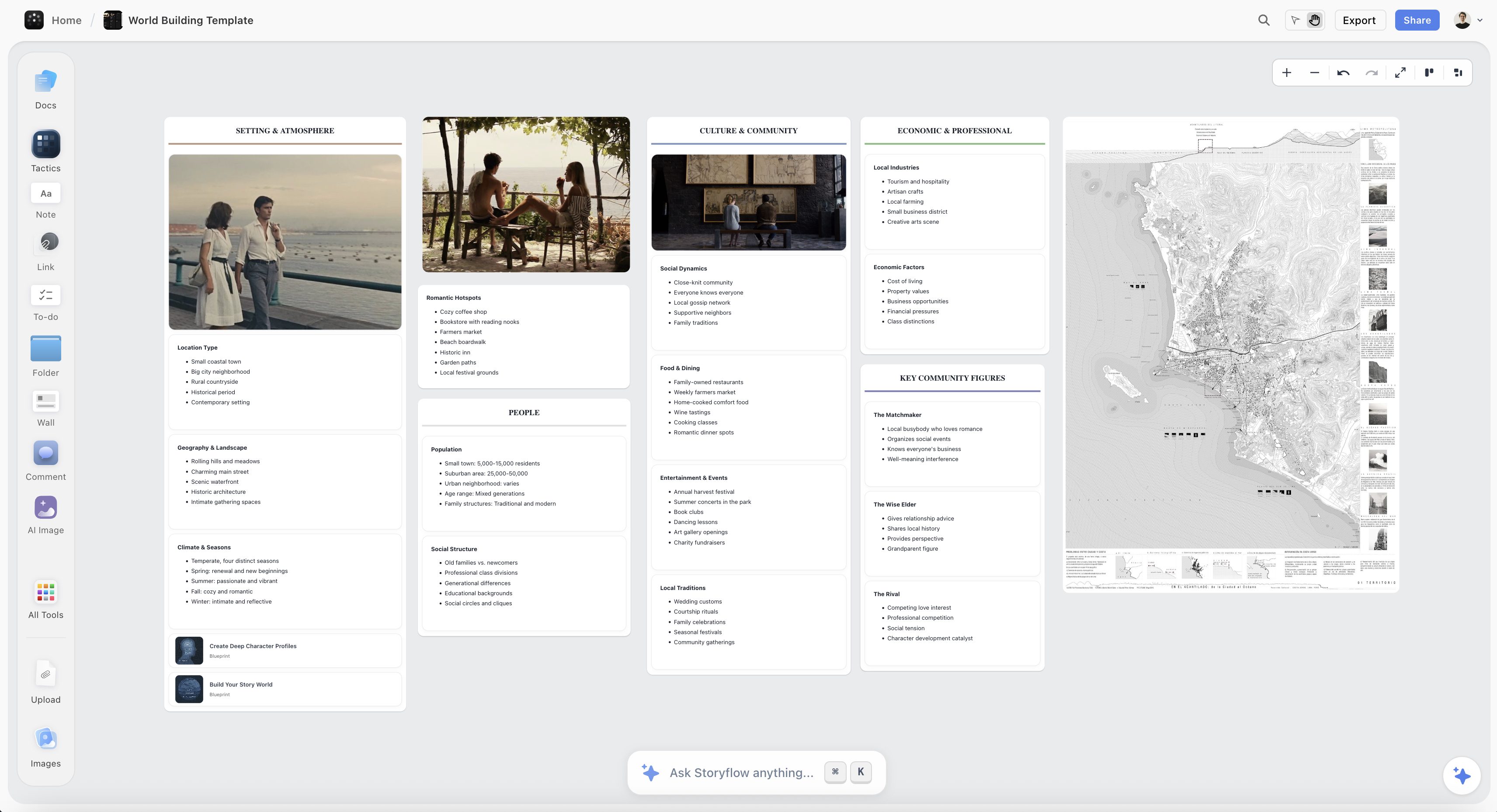
A fictional world on the Storyflow canvas, with characters, factions, geography, a magic system, and a timeline connected on one board
Build your world on one canvas
Lore, maps, characters, factions, and a timeline live on one board, and the AI reads the whole thing, so a sprawling world stays consistent and every fact stays one search away as it grows.

Detailed Reviews: Best Worldbuilding Software
1. Storyflow (Best Visual, Canvas-First World)
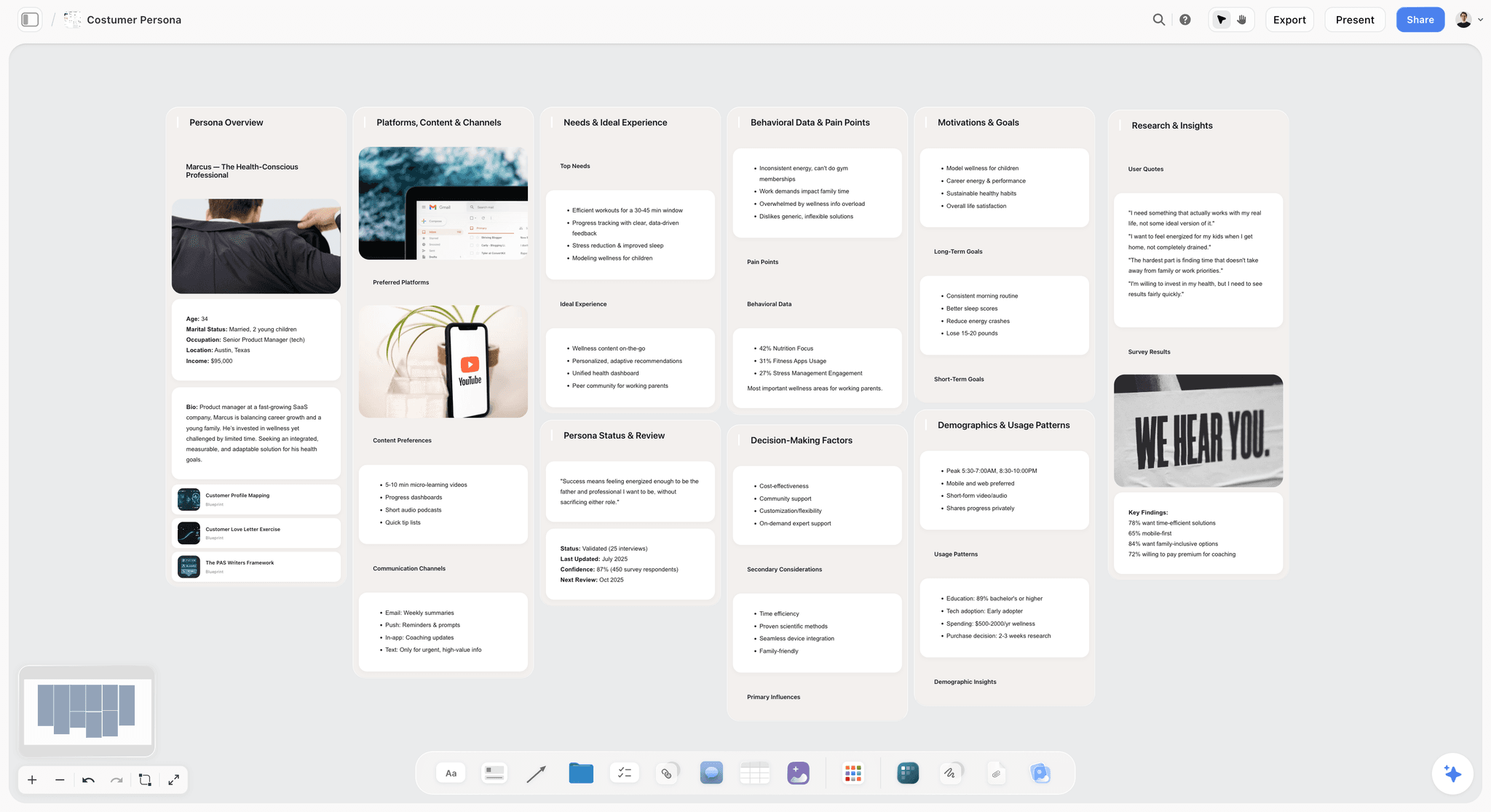
Storyflow is a visual workspace where your entire world lives on one infinite canvas and the AI reads the full active board by default. Character profiles, faction breakdowns, geography notes, timelines, magic and technology rules, and reference images sit next to each other instead of buried in separate articles, so you can see how the world connects at a glance while an AI grounds its answers in everything on the board. You can add up to 1 Tactic (a Story Blueprint) and up to 3 Documents by @-mention when you want to pull a specific region dossier or magic-system spec in as extra grounding. You can even grab a frame from a YouTube or Vimeo reference video straight onto the canvas, so the look of a city or a costume lives inside the world rather than in a separate mood folder. It is the one tool here where the connections between parts of a world are the primary view, not an afterthought.
Best for: Novelists, screenwriters, and game designers whose world is visual and spatial, and worldbuilders who want lore, map notes, and mood in one place an AI can read whole.
Pricing: Paid-only early access today; the Free plan (unlimited objects, unlimited shared boards, unlimited collaboration, 3 starter blueprints, 20 file uploads) launches before the end of 2026, and anyone a paid member invites to a board joins free now. Plus is $7.99/month billed annually or $9.99 monthly (full 200+ Story Blueprints, more AI, unlimited uploads). Pro is $14/month annual or $19 monthly (adds AI image generation and far more AI). Max is $39/month annual or $49 monthly (adds 40x more AI plus a team workspace with permissions and roles). Max is the team-targeted tier; there is no separate Team plan. Pricing is flat per account at the solo tiers, not per seat.
Pros: The canvas matches how a world actually fits together, spatial and visible at once, so the connections between factions, regions, and systems are the thing you see first. Board-aware AI answers consistency and lore questions from the whole board, not one page, which is the difference that matters for a system. Its Free plan, launching before the end of 2026, will be genuinely usable for a full world, and grabbing reference frames keeps the look of the world in the same place as its rules. AI image generation on Pro and Max helps sketch characters and locations without leaving the board.
Cons: It is canvas-card-shaped, not encyclopedia-shaped, so for an 800-article interlinked wiki, World Anvil and LegendKeeper go deeper. It has no dedicated layered map tool with pins and regions, so a map-heavy fantasy world will still lean on World Anvil or LegendKeeper for cartography. And it is cloud-only, with no offline mode for privacy-strict or travel-heavy work.
Verdict: The strongest worldbuilding tool when your world is a system you want to see and question as a whole, and the one pick where the AI reads the entire board. If your world is visual and growing, rebuild your most active region on a board for one week and the fit becomes obvious.
2. World Anvil (Best Deep Encyclopedic Lore and Maps)
World Anvil is the deepest worldbuilding platform available, built for creators whose lore rivals the story itself. It treats the world as an interlinked encyclopedia: articles for characters, locations, organizations, species, religions, and history, plus interactive maps with pins and layers, family trees, and a timeline you manage like structured data. Where Storyflow wins on visual canvas, World Anvil wins on encyclopedic depth, cartography, and cross-linking.
Best for: Epic fantasy and science-fiction authors, tabletop RPG world creators, and anyone whose world lives or dies on lore depth and maps.
Pricing: Free Freeman tier with limits; paid memberships billed annually unlock private worlds, more articles, interactive maps, and manuscript tools.
Pros: No tool goes deeper on lore, interlinking, and reference structure. Interactive maps, timelines, and family trees are first-class, not bolt-ons. The worldbuilding community, prompts, and template library are large and active, which helps you build breadth fast.
Cons: The interface is dense and can feel like data entry rather than building a world. The learning curve is steep, and it is wiki-first, so seeing how the whole world connects at a glance is harder than on a canvas. The AI features are lighter than a board-aware assistant.
Verdict: The strongest pure worldbuilding tool on the list. Choose it when your world is lore-first, map-heavy, and encyclopedic.
3. LegendKeeper (Best Modern Wiki for Tabletop and Games)
LegendKeeper is a modern worldbuilding wiki built for speed and for the way game masters and game teams actually work. It combines linked wiki pages, drag-and-drop boards, and layered interactive maps in an interface that feels current rather than dated. Where World Anvil is deeper and more encyclopedic, LegendKeeper is faster, cleaner, and more pleasant to build in day to day.
Best for: Tabletop RPG game masters, game-design teams, and worldbuilders who want a fast wiki with good maps and a modern feel.
Pricing: Paid subscription with a free trial and periodic plan changes.
Pros: The map tools are excellent, with layers, pins, and links straight into wiki pages. The interface is genuinely fast and modern, which lowers the friction of adding lore during a session. Real-time collaboration suits a game table or a small studio building a world together.
Cons: It is subscription-only with no free tier past the trial, so casual worldbuilders pay to keep access. It is wiki-and-map-shaped rather than a free-form canvas, and its article depth and community library are narrower than World Anvil's.
Verdict: The best modern worldbuilding wiki, and the top pick for tabletop and game teams who want maps and speed.
4. Campfire (Best Modular Suite for Novelists)
Campfire is a modular suite where you assemble a world from purpose-built pieces: Characters, Worldbuilding, Timeline, Relationships, Maps, Species, Languages, and Manuscript. You add only the modules your project needs, which keeps a novelist's world from turning into a full encyclopedia. It sits between Scrivener's manuscript focus and World Anvil's encyclopedic depth.
Best for: Novelists and worldbuilders who want structured character, relationship, and system tools without committing to a full wiki.
Pricing: Limited free access, with modular purchases or a subscription for the full suite.
Pros: The character, relationship, and species modules are genuinely strong, and the relationship web maps how a cast and its factions connect across the world. Modular pricing lets a solo writer keep costs down. It is friendlier than World Anvil for story-first builders.
Cons: Buying many modules adds up, and the pricing model takes a minute to understand. Collaboration is lighter than Notion or Storyflow, and it is less suited to a fast, visual, whole-world overview.
Verdict: The most flexible modular option, best for novelists who want world structure they can buy piece by piece.
5. Notion (Best Relational World Database)
Notion is the flexible database many creators and teams already run on. Build relational databases where regions link to factions link to characters link to events, and you get a queryable world that stays honest as long as you keep it current. Where Storyflow wins on visual overview, Notion wins on true database relationships and shared team wiki structure.
Best for: Teams and database-minded worldbuilders who want a relational, queryable world and already live in Notion.
Pricing: Free for personal use. Paid plans start around $10/user/month with Notion AI as an add-on. Pricing is per seat, so it scales with team size.
Pros: Relational databases are exactly right for linking regions, factions, characters, and events. Filtered views let each collaborator see the slice of the world they need. The template ecosystem is huge, including ready-made worldbuilding and TTRPG templates.
Cons: It is doc-and-database-shaped, not a visual canvas, so the whole-world overview is a table, not a space. You build the structure yourself before it becomes useful, and the AI reads the current page or database rather than a full project board.
Verdict: The strongest relational world database, best for database-minded builders and teams.
6. Obsidian (Best Local-First World Graph)
Obsidian is a local-first, plain-text notes tool with backlinks and a graph view. Worldbuilders use it to build a wiki-style world that lives entirely on their own device, with every fact linked to every related fact and a graph that visualizes the whole web. Where Storyflow is cloud-native and visual, Obsidian is local, text-first, and endlessly customizable.
Best for: Privacy-first solo worldbuilders who want a plain-text world they fully own and control.
Pricing: Free for personal use. Sync is an add-on subscription, and commercial use has its own license.
Pros: Full data ownership and offline access, with zero vendor lock-in. The backlink and graph model suits an interlinked world, and the plugin ecosystem is deep, with community plugins built specifically for worldbuilding. The graph view is a genuine way to see connections.
Cons: You assemble the entire world structure yourself. Native collaboration is weak, and there is minimal native AI, with a text-first rather than spatial or map-first surface. Maps require plugins and setup.
Verdict: The strongest local-first world, best for solo builders who want to own their data.
7. Scrivener (Best World Notes Beside the Manuscript)
Scrivener is the long-form writing tool that keeps world notes beside the manuscript. Its binder holds character and setting sketches, a research folder, and a corkboard, so the lore sits one click from the scene you are drafting. Where Storyflow separates the world from drafting, Scrivener fuses them.
Best for: Novelists and long-form writers who want their world notes in the same tool where they write the book.
Pricing: About $59.99 one-time for macOS or Windows, with a separate iOS app. Free trial available.
Pros: The world notes and the manuscript live together, which cuts context-switching. A one-time price is rare and welcome in a subscription world. It is deeply capable for long-form structure and drafting.
Cons: It is not cloud-native or built for real-time collaboration. The interface feels dated, and the world is a set of side folders rather than a first-class structured, visual, or map-based system.
Verdict: The best pick when writing and world-tracking should live in one tool.
8. Milanote (Best Lightweight Visual Board)
Milanote is a clean visual board tool for arranging notes, images, and cards. For a world it shines on the mood-and-map side: drag references, character cards, region sketches, and loose structure onto a board that looks good and reads at a glance. Where Storyflow adds board-aware AI and deeper structure, Milanote keeps things simple and elegant.
Best for: Worldbuilders who want a simple, attractive visual board for tone, references, and light structure.
Pricing: Free plan capped at 100 notes and images; paid Pro unlocks unlimited items.
Pros: It is one of the most pleasant visual tools to actually use, excellent for the tone, reference, and rough-map layer of a world, and fast to start with no setup.
Cons: It is lighter on AI and structured, linkable data than Storyflow or Notion. The 100-item free cap arrives quickly on a real world, and there is no system layer to enforce consistency across lore.
Verdict: A strong, lightweight visual option, best for the mood and reference layer of a world.
9. Fantasia Archive (Best Free, Offline Builder)
Fantasia Archive is a free, database-driven desktop tool built specifically for worldbuilding. It ships with deeply structured, interlinked categories for characters, locations, items, events, and lore, and it runs entirely on your own machine with no subscription. Where World Anvil is cloud-based and community-driven, Fantasia Archive is local, free, and unusually deep for the price.
Best for: Budget-conscious and privacy-first worldbuilders who want an encyclopedic, offline database without paying a subscription.
Pricing: Free and open-source, funded by donations.
Pros: It is genuinely deep for a free tool, with rich, interlinked templates that rival paid encyclopedic apps. It is fully offline, so your world stays on your device. There is no cost and no vendor lock-in.
Cons: It is desktop-only with no real-time collaboration or cloud sync out of the box. The interface is functional rather than polished, and there are no maps or AI features. You maintain your own backups.
Verdict: The best free, offline worldbuilding database, and a strong pick for solo builders who want depth without a subscription.
10. Google Docs (Best Free Starting Point)
Google Docs is the universal document, and it is where most worlds are born. For a small project it can be all you need: free, collaborative, and familiar to everyone on the team. It is honest about what it is, a document rather than a world system.
Best for: Worldbuilders starting a small world or sketching first notes before investing in a dedicated tool.
Pricing: Free with a Google account. Paid Workspace tiers add storage and admin features.
Pros: It is free, universal, and frictionless for collaboration, perfect for a first-draft world outline, with no learning curve at all.
Cons: There is no structure, linking, or map, so consistency is only as good as your search bar. It breaks down once you pass a handful of characters, regions, and rules, and there is no visual overview or consistency enforcement.
Verdict: The best free starting point, and the tool most worlds eventually outgrow.
Persona-Based Recommendations
Fantasy or Science-Fiction Novelist
Top picks: World Anvil or Storyflow. World Anvil if your world is encyclopedic, map-heavy, and lore-first, with hundreds of articles that need to interlink. Storyflow if you think visually and want board-aware AI to question your world and keep the connections in view. Campfire sits between them for a novelist who wants structured modules without a full wiki.
Tabletop RPG or Game Designer
Top picks: LegendKeeper or World Anvil. LegendKeeper for a fast, modern wiki with excellent layered maps that a table or a studio can build together. World Anvil for the deepest lore, cartography, and community resources. Storyflow is a strong companion for the visual planning and faction-relationship layer that a wiki shows weakly.
TV or Film Writer Building a World
Top picks: Storyflow or Notion. Storyflow if you want the world, its factions, and its look on one visual canvas the AI can read end to end. Notion if your room prefers a relational database and already works there. Keep the production and series-bible work in a dedicated tool once you move from the world to the show.
Solo Worldbuilder on a Budget
Top picks: Fantasia Archive and Storyflow. Fantasia Archive for a deep, offline, free database you fully own. Storyflow for a visual world with unlimited objects and board-aware AI is paid-only during early access, with Plus at $7.99/month billed annually and a Free plan launching before the end of 2026. Pick by whether you want an offline encyclopedia or an online canvas.
Worldbuilding Team or Game Studio
Top picks: Notion or Storyflow Max. Notion for a relational, filtered world each collaborator can slice. Storyflow Max ($39/month annual) for a shared visual world with a team workspace, permissions, and roles. Pick by whether your team thinks in databases or in space.
Privacy-First or Offline Builder
Top picks: Obsidian or Fantasia Archive. Obsidian for a plain-text, backlinked world with a graph view you own outright. Fantasia Archive for a structured, offline encyclopedia at no cost. Both keep your world entirely on your own device.
Honorable Mentions
A few tools that came close but did not make the main ten.
- Kanka: A free, community-driven worldbuilding and campaign wiki, especially popular with tabletop groups, lighter on polish than LegendKeeper.
- Aeon Timeline: A dedicated timeline tool that is excellent for a world's chronology, though it covers only the time layer of worldbuilding.
- Inkarnate or Wonderdraft: Best-in-class fantasy map makers, but map tools rather than full world systems.
- Miro or FigJam: Excellent infinite whiteboards for a visual world, but without a worldbuilding or AI layer built for lore.
- World Machine or a custom spreadsheet: Powerful for a specific slice (terrain, or a relational grid), though you build every view from scratch.
These are not weak tools. Their fit for full worldbuilding is just narrower than the ten above.
When a Simple Doc Wins
For some projects, a single document is the correct tool and buying software is unnecessary friction. A doc wins when your world is one town with a small cast; when you are sketching first notes you will rework before anything is fixed; when your whole team is two people who talk every day; and when the world genuinely fits in your head and your search bar.
If three or more of those match, stay in the document and write. A worldbuilding tool is external memory for a world too big to hold, so if your world is not that big yet, the tool is overhead, not leverage. The moment the doc starts contradicting itself is the moment to graduate, and not before.
The Bottom Line
The best worldbuilding software in 2026 depends on the shape of your world. If it is visual and system-shaped, with factions, geography, and characters you want to see connect at once, Storyflow is the strongest canvas-first pick, and its AI reads the whole board by default. If it is lore-first fantasy or science fiction with maps, World Anvil goes deepest on the encyclopedia and cartography. If it is a tabletop or game world, LegendKeeper is the fastest modern wiki. If it is a relational team world, Notion links regions, factions, and characters cleanly, and if it must be free and offline, Fantasia Archive is unusually deep for zero cost.
Remember the two ideas that run through the list. A world is a system, not a list, so the tool that shows how magic, factions, geography, and history press on each other beats the tool that files each on its own page. And a world is only as useful as it is retrievable, which is why structure and search beat a blank document the moment your world outgrows your memory. If your world is visual and growing, start a Storyflow workspace and rebuild your most active region on a board for one week.
FAQ: Worldbuilding Software in 2026
What is worldbuilding software?
Worldbuilding software is a tool for building and organizing a fictional world: its lore, maps, characters, factions, timelines, and magic or technology systems. It keeps hundreds of interconnected details consistent and findable as the world grows, which a plain document cannot do. The best tools also show how the parts of a world connect, rather than filing each fact on an isolated page.
What is the best worldbuilding software in 2026?
Storyflow is the best worldbuilding software for visual, canvas-first work, because factions, geography, characters, and systems sit on one board the AI reads in full. World Anvil is best for deep encyclopedic lore and interactive maps, LegendKeeper for a modern tabletop and game wiki, and Notion for a relational world database. Storyflow is paid-only during early access, with a Free plan launching before the end of 2026, and Plus is $7.99/month billed annually.
Is World Anvil or Storyflow better for worldbuilding?
World Anvil is better for encyclopedic worldbuilding, with interlinked wiki articles, layered interactive maps, family trees, and a database-style timeline. Storyflow is better when you want to see the whole world visually and have an AI read the entire board, but it does not match World Anvil's article depth or its cartography. Choose World Anvil for lore-first, map-heavy fantasy and science fiction; choose Storyflow for visual, system-shaped worlds.
What do game designers and dungeon masters use for worldbuilding?
Game designers and dungeon masters lean toward LegendKeeper and World Anvil, because both combine a linked wiki with layered maps that a table or a studio can build together. LegendKeeper is faster and more modern; World Anvil is deeper and has a larger community. Many also keep a visual board in Storyflow for the faction and relationship layer that a wiki shows weakly.
Is there an AI tool for worldbuilding?
Yes. Storyflow is the strongest AI-native option, because its AI reads your full active canvas board (plus up to 1 Tactic and 3 Documents you @-mention) rather than one page at a time. That whole-board grounding is what lets it answer consistency and lore questions across the world and suggest what to build next. Notion AI and other page-level assistants help with drafting, but they see a narrower slice of the world.
What is the best free worldbuilding software?
Fantasia Archive is the best free option for a deep, offline, database-driven world, and it is fully free and open-source. Obsidian is the best free local-first graph, and Google Docs is the simplest free starting point. Storyflow's own Free plan for a visual world (unlimited objects, no time limit, unlimited collaboration, 3 starter blueprints, and 20 file uploads) is not out yet; it launches before the end of 2026, with Plus at $7.99/month billed annually in the meantime. Pick by shape: offline encyclopedia points to Fantasia Archive, visual canvas points to Storyflow.
How much lore should I build before I start writing?
Build the lore your story will actually touch, plus one layer beneath it for consistency, and stop there until the writing asks for more. The worldbuilding iceberg is a feature, not a target: most of what you invent should stay under the surface, supporting the parts readers see. A good tool helps here by making lore easy to add later, so you can build just in time instead of building everything up front.
Do I need worldbuilding software for a novel?
For a standalone novel with one setting and a small cast, a document is usually enough. Once your world spans multiple regions, factions, eras, or a real magic or technology system, continuity outgrows memory and a single file, and a dedicated tool pays for itself. Scrivener suits writers who want world notes beside the manuscript, while World Anvil, Campfire, and Storyflow suit those who want structured or visual world tracking.
How is worldbuilding different from a series bible?
Worldbuilding is building the fictional world itself, the lore, maps, factions, and systems that make it feel real. A series bible is a production-facing document that keeps a specific show or book series consistent across episodes and sells it to a buyer. The world is the raw material; the series bible is one structured, pitchable view of it. Many creators build the world in a worldbuilding tool and then draw a series bible out of it.
Table of Contents
- All 10 Worldbuilding Tools, Ranked
- Why Worldbuilding Needs Its Own Tool
- How We Evaluated the Best Worldbuilding Software
- Quick Picks by Use Case
- Comparison Table: Best Worldbuilding Software
- Detailed Reviews: Best Worldbuilding Software
- Persona-Based Recommendations
- Honorable Mentions
- When a Simple Doc Wins
- The Bottom Line
- Author
- FAQ: Worldbuilding Software in 2026
- Related Reading
Templates to check out for this topic


Story and writing templates you can use in Storyflow
Start your next script, novel, or world from a ready-made Storyflow board instead of an empty page. The AI reads the whole canvas, so every suggestion is grounded in your story.


See Storyflow in Action
A visual AI workspace where every feature lives inside one canvas. No tab-switching, no context lost.
Build your entire board from a single message
Type what you need in the AI chat at the bottom of your canvas. The AI adds cards, headings, and structure directly onto your board.
Use expert frameworks as AI context
Type @ in the AI chat and choose any Tactic. The AI tailors every response to that framework instead of giving generic advice.
Turn your board into a mind map in seconds
Ask the AI to restructure your canvas as a mindmap. It connects your ideas into a visual hierarchy so you can see how everything relates.
Why Storyflow Exists
Storyflow actually began as a personal tool while working on creative and research projects.
We kept running into the same problem: ideas were scattered everywhere: notes, documents, and whiteboards.
Nothing helped us see how everything connected.
So we started building a workspace designed around how ideas actually grow.
→ Read how Storyflow was createdJustkay
Documentary Filmmaker & Founder at Storyflow
Published: 2026-07-21
Extremely simple, seriously capable


See how easy it is to get started
Watch a real project come together, from a blank board to a finished plan, clicked through step by step.
Start creating with AI and become more productive
Transform your creative workflow with AI-powered tools. Generate ideas, create content, and boost your productivity in minutes instead of hours.