
The 12 Best Airtable Alternatives in 2026 (Spreadsheets, Databases, and Beyond)
The 12 best Airtable alternatives in 2026, tested for real database and project work. Open-source, free, AI-native, and team-priced options compared honestly.

Category
Project Management
Author

Justkay
Documentary Filmmaker & Founder at Storyflow
Topics
2026-05-10
•
15 min read
•
Project Management- best Airtable alternatives 2026
- Airtable alternative
- Airtable competitors
- no-code database alternative
What are the best Airtable alternatives in 2026?
The best Airtable alternatives in 2026 are Notion for database-plus-narrative work, Coda for formula-rich documents, NocoDB and Baserow for open-source self-hosting, Smartsheet for spreadsheet-native teams, and Storyflow for creative project work where a relational database is the wrong shape entirely. There is no single winner, because each tool serves a different paradigm. Airtable is the relational-database-with-spreadsheet-UI that defined a category. The problem in 2026 is that the price scales unfavourably past five users, the row limits become real on serious projects, and the formula language sits awkwardly between full SQL and Excel. Most teams looking for an Airtable alternative do not actually want a different Airtable. They want a tool that fits the specific shape of database work they do, without paying for the parts they will never use. I tested twelve options across three real projects this spring (a content production calendar, a CRM-shaped client tracker, and a research database for a documentary), and the rankings sort the genuine alternatives from the lookalikes. I am putting Storyflow on this list even though it is not a database tool, because the answer for some readers is that they do not need a database at all. They need a project canvas. Scroll for the full breakdown.
All 12 Airtable Alternatives, Ranked
- Notion: best for database plus pages and narrative documentation
- Coda: best for a document-database hybrid with powerful formulas
- NocoDB: best open-source, self-hostable Airtable replica
- Smartsheet: best for spreadsheet-native project management teams
- Baserow: best free-forever open-source option with a cloud tier
- Stackby: best budget-friendly Airtable replica with API integrations
- Storyflow: best when the work is a creative project canvas, not a database
- Glide: best for building no-code apps from a database
- Rows: best spreadsheet with native API integrations
- SeaTable: best self-hostable option with commercial-grade polish
- Softr: best app builder on top of an Airtable base
- Google Sheets + Apps Script: best free, extensible spreadsheet with scripting
Full disclosure: Storyflow is our own product, and we did not rank it #1 here. For relational database work Notion, Coda, and NocoDB all beat it, and Storyflow has no formulas, rollups, or relational schema. We include it at #7 only for the reader whose Airtable use was creative project work forced into rows, where a project canvas the AI can read fits better than a database. We link to every tool so you can judge the fit.
Quick Comparison: Best Airtable Alternatives
These four lead the database category people actually switch to: database-plus-narrative, formula-rich documents, open-source self-hosting, and spreadsheet-native project management.
| Tool | Best For | AI Features | Price |
|---|---|---|---|
| Notion | Database plus pages and narrative | Notion AI (workspace-aware queries) | Free / $10 user mo |
| Coda | Document-database hybrid with formulas | Coda AI in-doc assistant | Free / $10 maker mo |
| NocoDB | Open-source, self-hostable database | Minimal AI | Free self-host / $19 mo |
| Smartsheet | Spreadsheet-first project management | Light AI, strong Gantt and reporting | $9 user mo (30-day trial) |
Quick Picks: Best Airtable Alternatives 2026 by Use Case
Best Notion-Style Database Alternative: Notion Notion is the most-recommended Airtable alternative because the database-plus-pages model handles relational data alongside narrative documentation in a way Airtable cannot. From $10/user/month billed annually, with a free tier for individuals. The honest limitation: real-time co-editing on the same database row can feel sluggish past 8 users, and the proprietary block format makes data export painful.
Best Open-Source Self-Hostable Alternative: NocoDB NocoDB is the strongest open-source Airtable replica in 2026, with relational schema, multiple views, and an active community. Free for self-hosting; cloud plan from around $19/month for the team. The limitation: the polish lags behind paid commercial tools and the AI features are minimal.
Best for Teams Who Want Coda's Document-Database Hybrid: Coda Coda fuses documents and databases more tightly than Notion does. Formulas are powerful and the Pack ecosystem extends the tool meaningfully. From $10/Doc Maker/month billed annually. The limitation: the pricing model is unique and requires planning, and the learning curve for advanced features is real.
Best for Spreadsheet-Native Teams: Smartsheet Smartsheet is built around the spreadsheet paradigm with project management features layered on top. For teams that think in rows and columns first, Smartsheet feels native where Airtable can feel constrained. From around $9/user/month. The limitation: the spreadsheet-first paradigm is wrong for narrative or canvas work.
Best for Custom Apps from a Database: Glide Glide turns a Google Sheet or its native database into a custom mobile/web app without code. For teams that want to build internal tools, Glide is the strongest option in this list. From around $25/user/month for the team plan. The limitation: it is an app builder, not a daily-use database.
Best for Spreadsheet + Stack Format: Stackby Stackby is the budget-friendly Airtable competitor with native API integrations and simpler pricing. From around $5/user/month for the team plan. The limitation: the polish and ecosystem are smaller than Airtable's.
Best for Visual Project Canvas (Not a Database): Storyflow Storyflow is not an Airtable alternative in the database sense. It is a project canvas where the AI reads everything on the active board, plus up to 1 Tactic and up to 3 Documents you @-mention in the chat. For teams whose Airtable use is tracking creative project artefacts (briefs, references, mood boards, plans), the canvas paradigm is a different and better shape than a relational database. Plus starts at $7.99/month billed annually. The friction: there are no formulas, no rollups, and no relational schema. If you need a structured database, Storyflow is not the right tool.
Best Free Forever Alternative: Baserow Baserow is the most-generous free open-source Airtable alternative in 2026. Self-hostable or use the cloud free tier. The cloud free tier covers basic team work. The limitation: smaller community than NocoDB and fewer integrations.
The honest truth is that "Airtable alternative" usually means three different searches: a cheaper Airtable, a more powerful Airtable, or an entirely different tool because the database paradigm itself is wrong. The picks below cover all three. If your Airtable base is mostly creative project work forced into rows, take that one base and rebuild it as a Storyflow canvas for a week. You will know by the end whether the shape was the problem.
Comparison Table: Best Airtable Alternatives 2026
| Tool | Best For | Starting Price | Free Plan | Database Depth (★/5) | Rating (/10) |
|---|---|---|---|---|---|
Storyflow | Project canvas (not a database) | $7.99/month annual | Coming late 2026 (invited collaborators join free now) | ★★☆☆☆ (different shape) | 7.7/10 |
Notion | Database plus pages plus narrative | $10/user/month | Yes (individuals) | ★★★★☆ | 8.9/10 |
Coda | Document-database hybrid with formulas | $10/Doc Maker/month | Yes (limited) | ★★★★☆ | 8.6/10 |
NocoDB | Open-source self-hostable | Free (self-host) | Yes | ★★★★☆ | 8.4/10 |
Smartsheet | Spreadsheet-first project management | $9/user/month | No (30-day trial) | ★★★★☆ | 8.2/10 |
Baserow | Free open-source with cloud option | Free (self-host) | Yes (cloud) | ★★★☆☆ | 8.0/10 |
Stackby | Budget-friendly Airtable replica | $5/user/month | Yes (limited) | ★★★☆☆ | 7.8/10 |
Glide | Apps from databases | $25/user/month | Yes (limited) | ★★★☆☆ | 7.5/10 |
Rows | Spreadsheet with API integrations | $8/user/month | Yes (limited) | ★★★☆☆ | 7.4/10 |
SeaTable | Self-hostable database tool | $9/user/month | Yes (cloud limited) | ★★★☆☆ | 7.3/10 |
Softr | App builder on Airtable or its own database | $19/month | Yes (limited) | ★★★☆☆ | 7.1/10 |
Google Sheets + Apps Script | Free spreadsheet with extensibility | Free | Yes | ★★☆☆☆ | 6.9/10 |
Rating criteria: Database depth (25%), workflow fit (25%), ease of use (20%), pricing and value (15%), AI depth (15%). The category is mature, so AI is weighted lower than in the project management category. Storyflow scores lower on database depth because it is not a database tool; the shape mismatch is the actual point.
Where Airtable stores work as rows in a table, Storyflow holds the same project artefacts, notes, and references on a single connected canvas
Best Airtable Alternatives 2026: Market Context
The Airtable alternative market splits into three groups in 2026, and most "Airtable vs X" comparisons miss this split.
The first group is direct competitors: tools that replicate Airtable's relational-database-with-spreadsheet-UI paradigm at a different price or with different deployment options. NocoDB, Baserow, Stackby, and SeaTable all sit here. Their pitch is "Airtable but cheaper or open-source." The reality is that Airtable's polish, ecosystem, and reliability are real moats; the alternatives are catching up rather than overtaking.
The second group is paradigm shifts within the database family: tools that handle relational data differently. Notion (database-plus-pages-plus-narrative), Coda (document-database hybrid with formulas), Smartsheet (spreadsheet-first project management), Glide (apps from databases). Their pitch is "your Airtable use case fits a different paradigm better." For many teams, this is correct.
The third group is paradigm shifts away from databases entirely: tools that handle the underlying work without a relational database at all. Storyflow (project canvas), Notion (page-only mode), and dedicated project tools sit here. The pitch is "you do not need a database; you need a different shape of tool." For creative project work, this is often the truer answer.
McKinsey Global Institute's 2012 study found knowledge workers spend roughly 19% of their working week searching for and gathering information. Airtable was designed to reduce that figure by structuring data, but the structuring overhead itself can become the new search cost. The right alternative depends on whether structured database work actually fits the shape of your team's output, or whether you have been forcing structure on work that does not want it.
How We Evaluated the Best Airtable Alternatives 2026
Five criteria determined the rankings. Here is what each test specifically involved.
Database depth. I tested relational schema support, formula language power, view variety, automation depth, and API completeness. Tools that matched Airtable's depth scored highest; tools that simplified scored lower on this dimension but higher on ease of use.
Workflow fit. I tested whether the tool's paradigm matched real use cases. The scenario: a CRM-shaped client tracker, a content calendar with multiple linked tables, and a research database for a documentary. Tools that bent the workflow to fit their paradigm scored lower than tools where the workflow felt native.
Ease of use. Time-to-first-database, friction in adding columns and views, and the learning curve for advanced features (formulas, automations, integrations).
Pricing and value. I compared what an eight-person team pays annually across all tools. The question is which delivers the right shape of work at a sustainable price, not which costs least.
AI depth. Most database tools added AI in 2024-2025. The depth varies enormously. I tested AI-assisted formula generation, AI-assisted schema design, and AI-assisted data analysis. Tools that read the schema and data scored highest; tools that responded to prompts in isolation scored lower.
Every tool was tested with real project work over two weeks.
Detailed Reviews: Best Airtable Alternatives 2026
1. Storyflow (Best Visual Project Canvas, Not a Database)
I want to lead with the friction. Storyflow is not a database tool. There are no formulas, no rollups, no relational schema, and no spreadsheet-style data entry. If your Airtable use is structured data tracking with formulas and relations, keep that side in Notion, NocoDB, or Coda and let Storyflow handle the visual project work alongside it.
That is the honest limitation. Now the strength. For teams whose Airtable use is tracking creative project artefacts (campaign briefs, content references, mood boards, outlines, rough plans), the canvas paradigm is a categorically different and often better shape. The unit of organisation is the project, not the database row. A brand campaign sits on a Storyflow board with the brief, the audience persona Document, the visual references, a campaign Story blueprint, and the rough plan all visible at once. The AI reads your full active canvas, plus up to 1 Tactic and up to 3 Documents you @-mention in the chat.
Best for: Creative project teams whose Airtable use was always shoehorning visual project work into a database paradigm. Also great for: teams who keep structured records elsewhere. Run the visual project work in Storyflow and sync the database side from your tool of choice.
Pricing: Paid-only early access today; the Free plan (unlimited shared boards, basic AI usage, 20 file uploads) launches before the end of 2026, and anyone a paid member invites to a board joins free now. Plus: $7.99/month billed annually or $9.99/month billed monthly (full 200+ Story blueprints, unlimited file uploads). Pro: $14/month billed annually or $19/month billed monthly (adds AI image generation and 20× more AI than Plus). Max: $39/month billed annually.
Pros: Project-canvas paradigm matches creative project work, canvas-context AI is the deepest project-aware AI in this list, free plan is functional.
Cons: Not a database tool. No formulas, no rollups, no relational schema. If you need structured database functionality, Storyflow is wrong.
Verdict: Storyflow is the right pick when your "Airtable alternative" search was actually a search for a different shape of tool entirely.
2. Notion (Best Notion-Style Database Alternative)
Notion is the most-recommended Airtable alternative because the database-plus-pages-plus-narrative paradigm handles relational data alongside documentation in a way Airtable structurally cannot. A project page in Notion can be a row in a database AND a fully-edited document with embedded sub-pages, all in one place. For teams whose Airtable use mixes structured data with longer-form notes, this is a categorical improvement.
Best for: Teams who model project work as relational databases with structured properties, multiple views, and embedded narrative documentation. Not for: real-time collaborative work on large databases or visual creative project canvases.
Pricing: Free for individuals. Plus from $10/user/month billed annually. Business from $15/user/month (includes Notion AI).
Pros: Database paradigm is uniquely powerful for structured-plus-narrative work, multiple views (table, board, calendar, gallery, timeline), Notion AI is integrated and useful for context-aware queries.
Cons: Real-time multi-user editing on the same database row can feel sluggish, the proprietary block format makes data portability painful, and the database paradigm is wrong for visual creative project work.
Verdict: Notion is the right Airtable alternative when database-plus-narrative is your actual need. For broader Notion comparisons, see Notion vs Obsidian: Which Is Better in 2026? and Best Notion Alternatives for Visual Thinkers in 2025.
3. Coda (Best Document-Database Hybrid)
Coda fuses documents and databases more tightly than Notion does. The formula language is more powerful and the Pack ecosystem extends the tool meaningfully. For teams that want spreadsheet-grade formulas inside a flexible document, Coda is the strongest pick.
Best for: Teams building structured tools (CRMs, project trackers, content calendars) that need formula power inside a document context. Not for: teams that want pure database work without document overhead.
Pricing: Free with limits. Pro from $10/Doc Maker/month billed annually. The Doc-Maker pricing model means viewers and editors who do not create docs are free.
Pros: Formula language is more powerful than Notion's, Pack ecosystem extends the tool meaningfully, the document-database fusion is genuinely unique.
Cons: The pricing model takes planning to understand, the learning curve for advanced features is real, and the polish lags behind Notion in some interface details.
Verdict: Coda is the right pick when you need spreadsheet-grade formulas inside a flexible document, especially for building internal tools.
4. NocoDB (Best Open-Source Self-Hostable)
NocoDB is the strongest open-source Airtable replica in 2026. Self-hostable, with relational schema, multiple views, automation, and an active community. For teams that need data sovereignty or want to escape per-seat pricing, NocoDB is the leading option.
Best for: Teams who need open-source data control or want to avoid commercial Airtable pricing. Not for: teams without engineering capacity to self-host or teams that want polished commercial support.
Pricing: Free for self-hosting. Cloud plan from around $19/month for the team.
Pros: Open-source with active development, feature parity with Airtable on core capabilities, self-hosting removes per-seat costs entirely.
Cons: Self-hosting requires engineering capacity, polish lags behind commercial tools, AI features are minimal, and the integration ecosystem is smaller.
Verdict: NocoDB is the right pick for open-source-committed teams or teams escaping Airtable's per-seat pricing model.
5. Smartsheet (Best Spreadsheet-First)
Smartsheet is built around the spreadsheet paradigm with project management features layered on top. For teams that think in rows and columns first, Smartsheet feels more native than Airtable's database paradigm.
Best for: Spreadsheet-native teams who need project management depth (Gantt, dependencies, automation) on top of a familiar spreadsheet UI. Not for: teams that want a true relational database or visual creative work.
Pricing: No permanent free plan (30-day trial). Pro from around $9/user/month billed annually. Business from $19/user/month.
Pros: Spreadsheet-first paradigm is uniquely well-suited for finance, operations, and PMO teams; mature project management features (Gantt, dependencies); strong reporting.
Cons: No free plan, the spreadsheet paradigm is wrong for narrative or visual work, and the interface feels older than newer tools.
Verdict: Smartsheet is the right pick for spreadsheet-native teams in finance, operations, or PMO contexts.
6. Baserow (Best Free Forever)
Baserow is the most-generous free open-source Airtable alternative in 2026. Self-hostable, with a free cloud tier that covers basic team work. The community is smaller than NocoDB's but the project is well-funded.
Best for: Small teams or solo users who want a no-cost Airtable replacement without self-hosting overhead. Not for: large teams or teams with complex automation needs.
Pricing: Free for self-hosting, free cloud tier with limits, paid cloud from $5/user/month.
Pros: Generous free tier, open-source codebase, simple to start without infrastructure setup.
Cons: Smaller community than NocoDB, fewer integrations, less polish than commercial tools.
Verdict: Baserow is the right pick for budget-conscious teams who want open-source without the self-hosting overhead.
7. Stackby (Best Budget-Friendly)
Stackby is the budget-friendly Airtable competitor with simpler pricing and native API integrations as a key feature. For teams whose Airtable use is mostly basic relational data with API connections to third-party tools, Stackby delivers at a lower price point.
Best for: Small teams who use Airtable for basic relational data with API integrations and want lower pricing. Not for: teams that need Airtable's full feature ecosystem.
Pricing: Free with limits. Team from around $5/user/month billed annually.
Pros: Native API integrations are well-implemented, pricing is meaningfully cheaper than Airtable, the interface is clean.
Cons: Smaller ecosystem and integration library, less polish in advanced features, smaller user community.
Verdict: Stackby is the right pick when budget is the primary constraint and your Airtable use is basic.
8. Glide (Best for Apps from Databases)
Glide turns a Google Sheet or its native database into a custom mobile/web app without code. For teams that want to build internal tools (a custom CRM, a field service app, a customer portal), Glide is the strongest option in this list.
Best for: Teams who want to build no-code apps on top of structured data. Not for: teams who want a daily-use database tool.
Pricing: Free with limits. Maker from $25/user/month billed annually for the team plan.
Pros: Best app builder on a database in this list, polished mobile experience, mature integrations.
Cons: Pricing is higher than direct Airtable competitors, and Glide is an app builder rather than a daily-use database.
Verdict: Glide is the right pick when your goal is building internal apps, not running a database.
9. Rows (Best Spreadsheet with API)
Rows is a spreadsheet with native API integrations as the differentiator. For teams who use spreadsheets to pull data from APIs and analyse it, Rows is more practical than Airtable for that specific workflow.
Best for: Analysts and operations teams who pull data from APIs into spreadsheets. Not for: narrative database work.
Pricing: Free for individuals. Plus from $8/user/month.
Pros: Native API integrations are mature, spreadsheet paradigm is familiar, AI features for formula assistance.
Cons: Less powerful as a database than Airtable, smaller ecosystem.
Verdict: Rows is a niche pick for API-heavy spreadsheet workflows.
10. SeaTable (Best Self-Hostable Polish)
SeaTable is a self-hostable Airtable alternative with more polish than NocoDB but a smaller community. For teams who want self-hosting with commercial-grade interface, SeaTable is the strongest option.
Best for: Teams who want self-hostable database with commercial-grade polish. Not for: teams who need the open-source community of NocoDB.
Pricing: Free cloud tier with limits. Pro from $9/user/month billed annually.
Pros: Polished interface, self-hostable, good performance.
Cons: Smaller community than NocoDB, smaller ecosystem.
Verdict: SeaTable is the right pick when self-hosting matters but polish matters more than community size.
11. Softr (Best App Builder on Airtable)
Softr builds web apps on top of an Airtable base or its own database. For teams already using Airtable who want to expose specific data as a customer-facing portal or internal tool, Softr is the cleanest option.
Best for: Teams who use Airtable as the data layer and need app builder on top. Not for: teams looking to replace Airtable entirely.
Pricing: Free with limits. Basic from $19/month.
Pros: Tight integration with Airtable, polished app builder, mature templates.
Cons: Tied to Airtable for full functionality, less powerful as a standalone database.
Verdict: Softr is a complement to Airtable rather than a replacement.
12. Google Sheets + Apps Script (Best Free Extensible)
Google Sheets with Apps Script is the free, extensible spreadsheet that many teams use as a no-cost Airtable alternative. For teams comfortable with light scripting, Apps Script extends Sheets meaningfully.
Best for: Teams who want free spreadsheets with custom automation and have engineering capacity for scripting. Not for: teams who want a polished database UI.
Pricing: Free with Google Workspace.
Pros: Free, real-time collaboration is mature, Apps Script extends the tool meaningfully.
Cons: Spreadsheet paradigm only, no relational schema, no native multiple views beyond filters.
Verdict: Google Sheets is the right pick when budget is zero and you have engineering capacity for Apps Script.
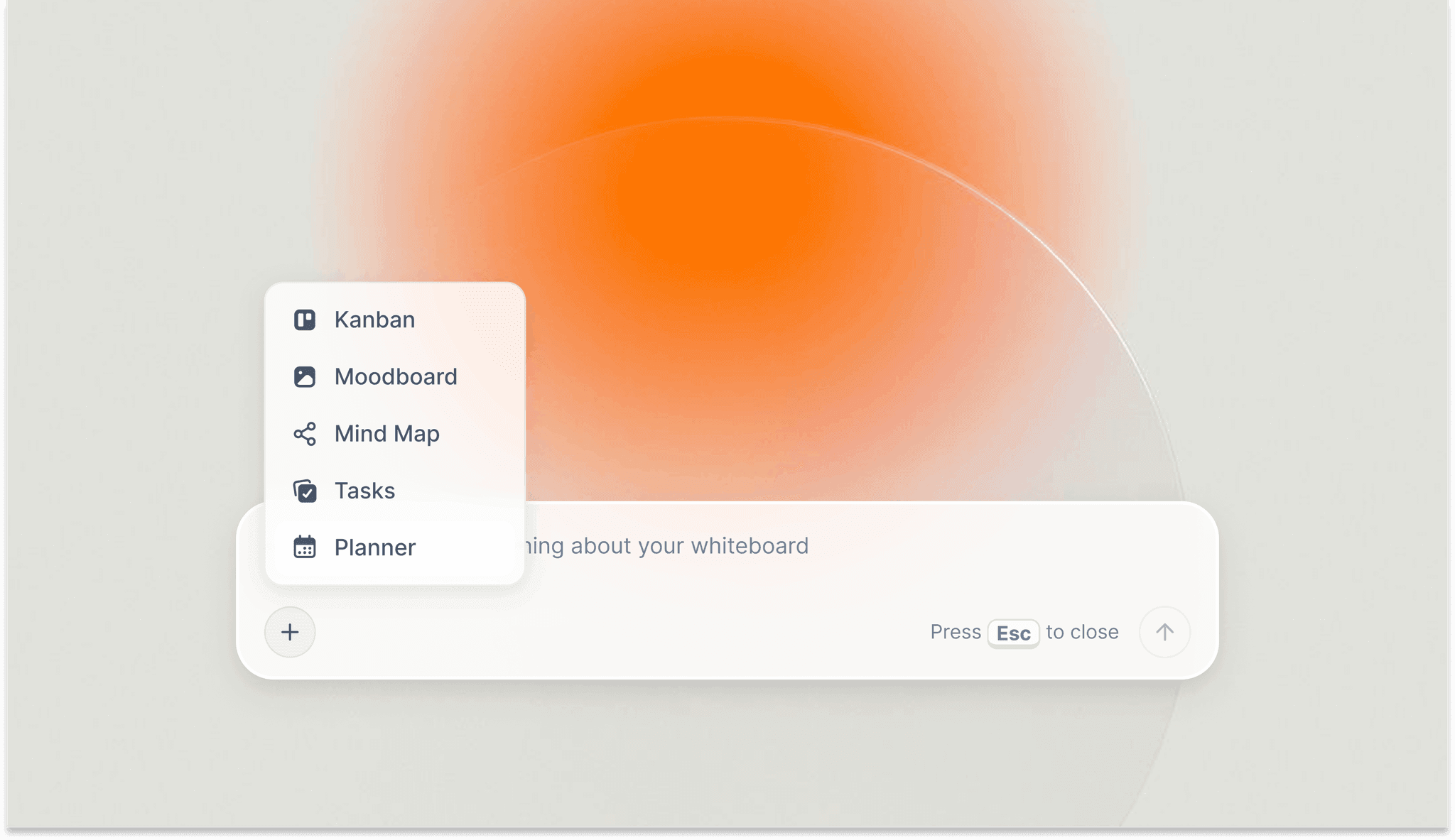
AI Planner converts a loose board of notes and references into a phased plan, with the full canvas already read as context
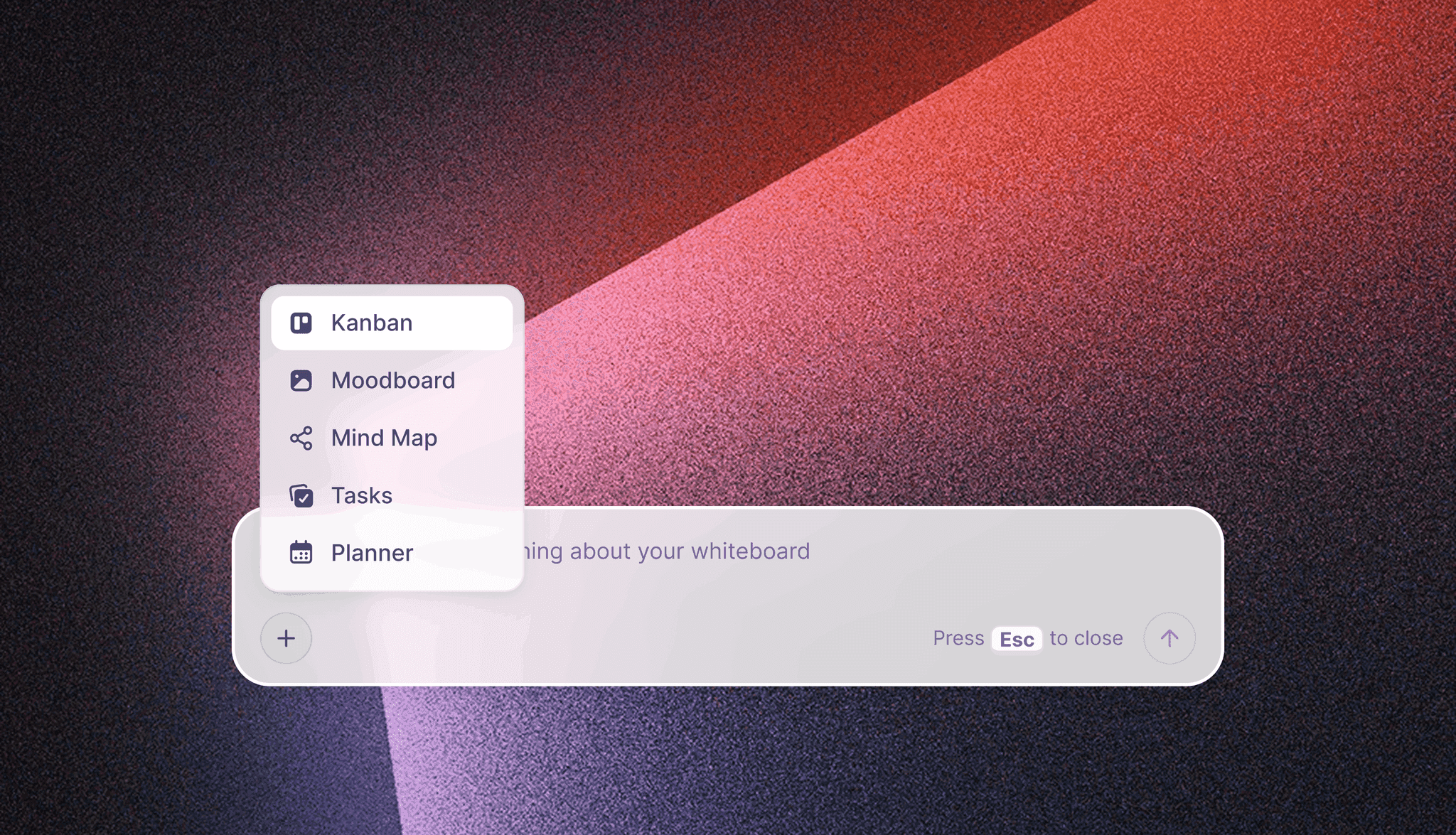
A board view tracks cards from Draft through Done on the same canvas, no separate database table required
How to Choose the Right Airtable Alternative for Your Workflow
Five decision rules:
If your work is database-plus-narrative documentation, use Notion. Database paradigm with embedded pages handles the mix.
If your work needs formula power inside documents, use Coda. The Pack ecosystem and formula language are the differentiators.
If you want open-source or self-hosted, use NocoDB or Baserow. Both are mature; NocoDB has the larger community.
If your work is spreadsheet-native, use Smartsheet. Spreadsheet-first paradigm with project management on top.
If your work is creative project canvases, use Storyflow. Database is the wrong shape; canvas with AI context is the right shape.
For broader project management alternatives, see The 12 Best ClickUp Alternatives in 2026 and Best Notion Alternatives for Visual Thinkers in 2025.
The Bottom Line
The best Airtable alternative depends on whether you want a different Airtable, a paradigm shift within databases, or a paradigm shift away from databases entirely.
For most teams, Notion is the safe default Airtable alternative. The database-plus-pages model handles mixed work cleanly. For open-source teams, NocoDB. For spreadsheet-native teams, Smartsheet. For formula-heavy document work, Coda. For creative project teams who realise the database paradigm is wrong for their work, Storyflow.
If you are not sure which category fits, take your most active Airtable base and try to rebuild it as a Notion database for a week. If the rebuild feels like a paradigm fit, Notion is your answer. If it feels like fighting the tool, the answer is one of the more specialised picks above. The wrong move is to switch from Airtable to another database tool that has the same shape mismatch.
FAQ: Best Airtable Alternatives 2026
What is the best Airtable alternative in 2026?
The best Airtable alternative depends on the shape of your work. For database-plus-narrative work, Notion. For formula-rich documents, Coda. For open-source, NocoDB. For spreadsheet-native teams, Smartsheet. For creative project canvases (which is a different shape entirely), Storyflow. There is no single "best Airtable alternative" because the alternatives serve different paradigms; pick the one that matches your work.
Why do teams leave Airtable?
Teams leave Airtable mostly because the per-seat pricing scales unfavourably past 5 users, the row limits become real on serious projects, and the formula language sits awkwardly between full SQL and Excel. Some teams also leave because they discover the database paradigm itself is wrong for their work. Creative project teams in particular often realise their Airtable use was always shoehorning visual canvas work into a database; for them, switching tool category (not just tool) is the actual fix.
Is there a free Airtable alternative?
Yes, several. Notion is free for individuals. Baserow has a generous free cloud tier and is fully free for self-hosting. NocoDB is free for self-hosting. Google Sheets with Apps Script is free with Google Workspace. Storyflow's Free plan, launching before the end of 2026, will cover unlimited shared boards with basic AI usage. The right free option depends on the shape of work; pick the focused tool that matches your team's actual paradigm.
What is the best open-source Airtable alternative?
NocoDB is the strongest open-source Airtable replica in 2026, with a mature codebase and active community. Baserow is a close second with a more generous cloud free tier. SeaTable is the polish-leaning open-source alternative for teams that want commercial-grade interface with self-hosting. The choice depends on whether community size (NocoDB), free cloud tier (Baserow), or interface polish (SeaTable) matters most.
Is Notion better than Airtable?
For database-plus-narrative work, Notion is generally better. The page-and-database hybrid handles structured data alongside documentation in a way Airtable cannot. For pure relational database work with deep formulas and high row counts, Airtable is still cleaner. The decision hinges on whether your work is mostly structured data (Airtable) or structured data plus narrative documentation (Notion).
What is the best Airtable alternative for small teams?
For 1-3 person teams, Notion (free) or Stackby (cheap paid) handle most Airtable use cases at lower cost. For 4-8 person teams, Notion or Coda usually win on the document-database hybrid. NocoDB self-hosted is also strong for small teams with engineering capacity. Avoid Glide and Softr for small teams unless you specifically want app-builder functionality.
What is the best Airtable alternative for non-technical users?
Notion has the gentlest learning curve for non-technical users transitioning from Airtable. Stackby is also accessible. Coda has more power but a steeper learning curve. Avoid NocoDB and SeaTable for non-technical teams unless you have engineering support for the self-hosting infrastructure.
Can I migrate from Airtable to another tool easily?
CSV export from Airtable handles basic data migration. Most alternatives (Notion, NocoDB, Baserow, Coda) accept CSV imports cleanly. Complex Airtable bases with multiple linked tables, formulas, and automations require manual rebuilding in the new tool. Plan for a multi-day migration project for any meaningful Airtable deployment.
Which Airtable alternative has the best AI?
Notion AI is the most mature commercial AI integration in this list, with database-aware queries and content generation. Coda's AI is also strong. Storyflow has the deepest project-context AI but is not a database tool. Open-source alternatives (NocoDB, Baserow, SeaTable) have minimal AI integration. The right pick depends on whether AI is a primary feature need.
What is the difference between Airtable and Notion?
Airtable is a relational-database-with-spreadsheet-UI. Notion is a document-database hybrid with pages and embedded databases. Airtable's strength is database depth (formulas, relations, multiple views, automations). Notion's strength is mixing structured data with narrative documentation. Teams pick Airtable when work is primarily relational; pick Notion when work mixes structured data with longer-form documentation.
Table of Contents
- Quick Picks: Best Airtable Alternatives 2026 by Use Case
- Comparison Table: Best Airtable Alternatives 2026
- Best Airtable Alternatives 2026: Market Context
- How We Evaluated the Best Airtable Alternatives 2026
- Detailed Reviews: Best Airtable Alternatives 2026
- How to Choose the Right Airtable Alternative for Your Workflow
- The Bottom Line
- Author
- 1. Storyflow (Best Visual Project Canvas, Not a Database)
- 2. Notion (Best Notion-Style Database Alternative)
- 3. Coda (Best Document-Database Hybrid)
- 4. NocoDB (Best Open-Source Self-Hostable)
- 5. Smartsheet (Best Spreadsheet-First)
- 6. Baserow (Best Free Forever)
- 7. Stackby (Best Budget-Friendly)
- 8. Glide (Best for Apps from Databases)
- 9. Rows (Best Spreadsheet with API)
- 10. SeaTable (Best Self-Hostable Polish)
- 11. Softr (Best App Builder on Airtable)
- 12. Google Sheets + Apps Script (Best Free Extensible)
- FAQ: Best Airtable Alternatives 2026
- Related Reading
Templates to check out for this topic


Planning and project templates you can use in Storyflow
Plan a launch, a sprint, or a whole project on a visual board the team can see at once. Open one of these templates and start from real structure.


See Storyflow in Action
A visual AI workspace where every feature lives inside one canvas. No tab-switching, no context lost.
Build your entire board from a single message
Type what you need in the AI chat at the bottom of your canvas. The AI adds cards, headings, and structure directly onto your board.
Use expert frameworks as AI context
Type @ in the AI chat and choose any Tactic. The AI tailors every response to that framework instead of giving generic advice.
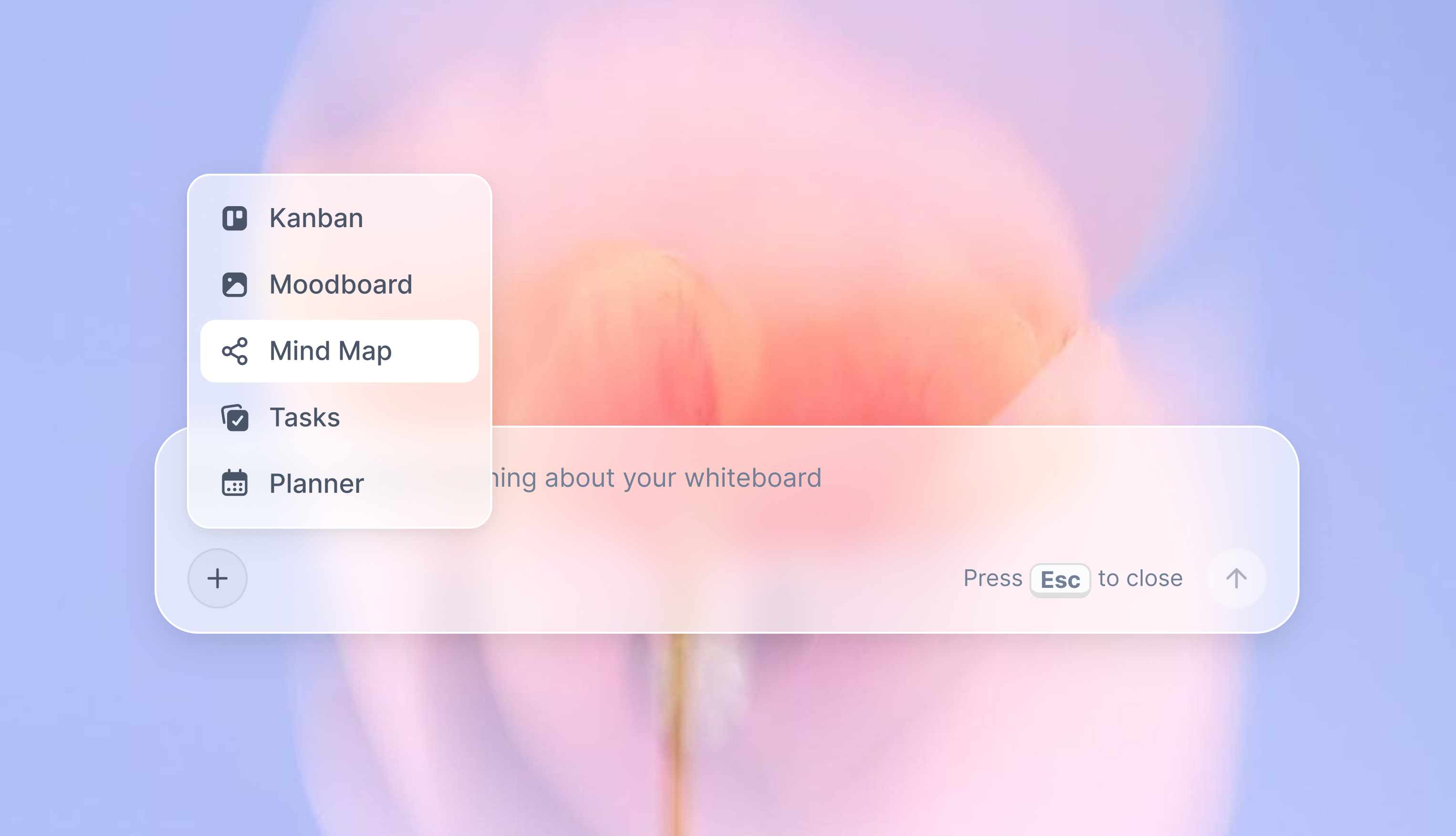
Turn your board into a mind map in seconds
Ask the AI to restructure your canvas as a mindmap. It connects your ideas into a visual hierarchy so you can see how everything relates.
Why Storyflow Exists
Storyflow actually began as a personal tool while working on creative and research projects.
We kept running into the same problem: ideas were scattered everywhere: notes, documents, and whiteboards.
Nothing helped us see how everything connected.
So we started building a workspace designed around how ideas actually grow.
→ Read how Storyflow was createdJustkay
Documentary Filmmaker & Founder at Storyflow
Published: 2026-05-10
Extremely simple, seriously capable


See how easy it is to get started
Watch a real project come together, from a blank board to a finished plan, clicked through step by step.
Start creating with AI and become more productive
Transform your creative workflow with AI-powered tools. Generate ideas, create content, and boost your productivity in minutes instead of hours.