How to Write Viral Hooks: The Psychology Behind Scroll-Stopping Content
Most advice about hooks is useless. Learn the psychology that makes hooks actually work and apply proven formulas to create scroll-stopping content for any platform.

Category
YouTube
Author

Sara de Klein
Head of Product at Storyflow
Topics
December 10, 2025
•
22 min read
•
YouTube- video hooks
- content marketing
- viral content
- scroll-stopping content
How do you write hooks that make people stop scrolling?
Effective hooks create a 'curiosity gap' - the psychological discomfort of an unanswered question. The 7 hook types that work: (1) Counterintuitive claim, (2) Specific number/data, (3) Identity threat, (4) Unfinished story, (5) Before/after transformation, (6) Warning/mistake, (7) Controversy/debate. Avoid vagueness, clickbait without payoff, throat clearing, assuming interest, and over-cleverness.

Most advice about hooks is useless.
"Use curiosity." "Ask a question." "Start with a bold statement."
These tips aren't wrong. They're just incomplete. They tell you what to do without explaining why it works. So you copy hook templates, they flop, and you're back to guessing.
The creators who consistently go viral understand something different. They understand the psychology that makes hooks work. Once you understand that, you can create hooks that work for any topic, any platform, any audience.
This guide breaks down the psychology behind viral hooks and gives you a proven formula you can apply immediately. No templates to copy. Frameworks to understand.
Why Most Hooks Fail
Before we fix your hooks, let's understand why they're not working.
Problem 1: No clear value proposition
Your viewer sees thousands of videos per day. Within 1-2 seconds, they need to know exactly what your video is about and why they should care. Most hooks are vague. Vague gets scrolled.
Problem 2: No tension or curiosity
Stating facts isn't hooking. "Here are 5 tips for better sleep" is information. It's not compelling. There's no gap in the viewer's mind that needs closing.
Problem 3: Burying the interesting part
Creators often save their best stuff for the middle or end. Nobody sees it. They scrolled away 3 seconds in because the opening was boring.
Problem 4: Copying templates without understanding them
Hook templates work for the creators who made them because they understand the underlying psychology. When you copy the words without understanding the mechanics, the magic disappears.
The solution isn't better templates. It's understanding the psychology that makes any hook work.
The Psychology: How Curiosity Loops Work
Every effective hook creates what psychologists call a "curiosity gap" or "information gap."
Your brain hates incomplete patterns. When you sense that information is missing, your mind becomes uncomfortable until the gap is closed. This is why you can't stop thinking about an unfinished conversation. Why cliffhangers work. Why you need to know how the story ends.
Viral hooks exploit this by deliberately opening a gap in the viewer's mind.
The deeper the gap, the stronger the hook.
A shallow gap: "Here's how to get more views."
A deep gap: "The algorithm actually punishes videos that do this - and 90% of creators do it in every single video."
The second hook opens a much deeper gap. What is "this"? Am I doing it? How is it hurting me? The viewer cannot scroll until they know.
Your job with every hook is to open a gap so compelling that closing it becomes the viewer's only priority.
The 3-Part Hook Formula That Works Every Time
This formula works across platforms, niches, and content types. It's based on how curiosity loops actually form in the brain.
Part 1: The Context Anchor
Your opening line needs to accomplish two things simultaneously.
First: Establish what the video is about.
This sounds obvious but most creators skip it. They're so focused on being clever that they forget to tell people what they're watching.
Topic clarity matters because you want viewers to self-select. Someone interested in your topic should immediately recognize this video is for them. Someone not interested should scroll - that's fine, they weren't going to watch anyway.
Second: Create initial engagement.
Topic clarity alone is boring. "This video is about email marketing" is clear but not compelling. You need the viewer leaning forward, not just nodding.
Techniques that create engagement:
- Common ground: Reference something your target viewer has experienced. "If you've ever spent hours editing a video that flopped..."
- Benefit promise: Lead with what they'll gain. "If you want to double your watch time..."
- Pain point: Acknowledge a frustration they have. "Tired of posting consistently with zero growth?"
- Pattern interrupt: Say something surprising enough to stop them. "Everything you've been told about hooks is wrong."
The best context anchors do both - establish the topic AND create engagement - in one or two sentences.
Example: "Most creators spend hours on hooks that don't work. Here's the psychology that actually makes people stop scrolling."
Topic is clear (hooks, content creation). Engagement is created (you're probably one of those creators, and you want to know the psychology).
Part 2: The Pattern Break
Once you have them leaning in, you need to stop them completely.
The pattern break is a single line that disrupts their expectations. They thought they knew where this was going. Now they don't. They have to stay to find out.
The easiest technique: Contrast words.
- But
- However
- Here's the thing
- The problem is
- What most people don't realize
- Yet
These words signal that a turn is coming. The viewer braces for it. Their attention locks in.
Example: "But here's what nobody talks about - the tactics that work on TikTok actually hurt you on YouTube."
The viewer was nodding along. Now there's conflict. TikTok and YouTube are different? How? They need to know.
The pattern break doesn't resolve anything. It just creates more tension. It's the setup for what comes next.
Part 3: The Payoff Promise
This is where you snap them in an unexpected direction and promise resolution.
The payoff promise takes the tension you've built and channels it toward a specific destination. The viewer now knows exactly what gap will be filled if they keep watching.
The key: Go somewhere unexpected.
If your context anchor leaned them one direction, snap them back the other way. The bigger the snap, the more compelling the hook.
Example: "Because the real secret isn't your opening line at all - it's what you do in the three seconds before you speak."
Wait, what? We were talking about hooks and opening lines. Now you're telling me the three seconds before I speak matter more? That's unexpected. That's a snap. Now I have to watch.
The Complete Formula in Action
Let's see all three parts together:
Context Anchor: "If you want more views, you need better hooks. That's what everyone says."
Pattern Break: "But I've tested hundreds of hooks, and the ones that perform best break every rule you've heard."
Payoff Promise: "Because viral hooks aren't about clever words - they're about psychological triggers that most creators completely ignore."
Gap opened. Curiosity created. They're hooked.
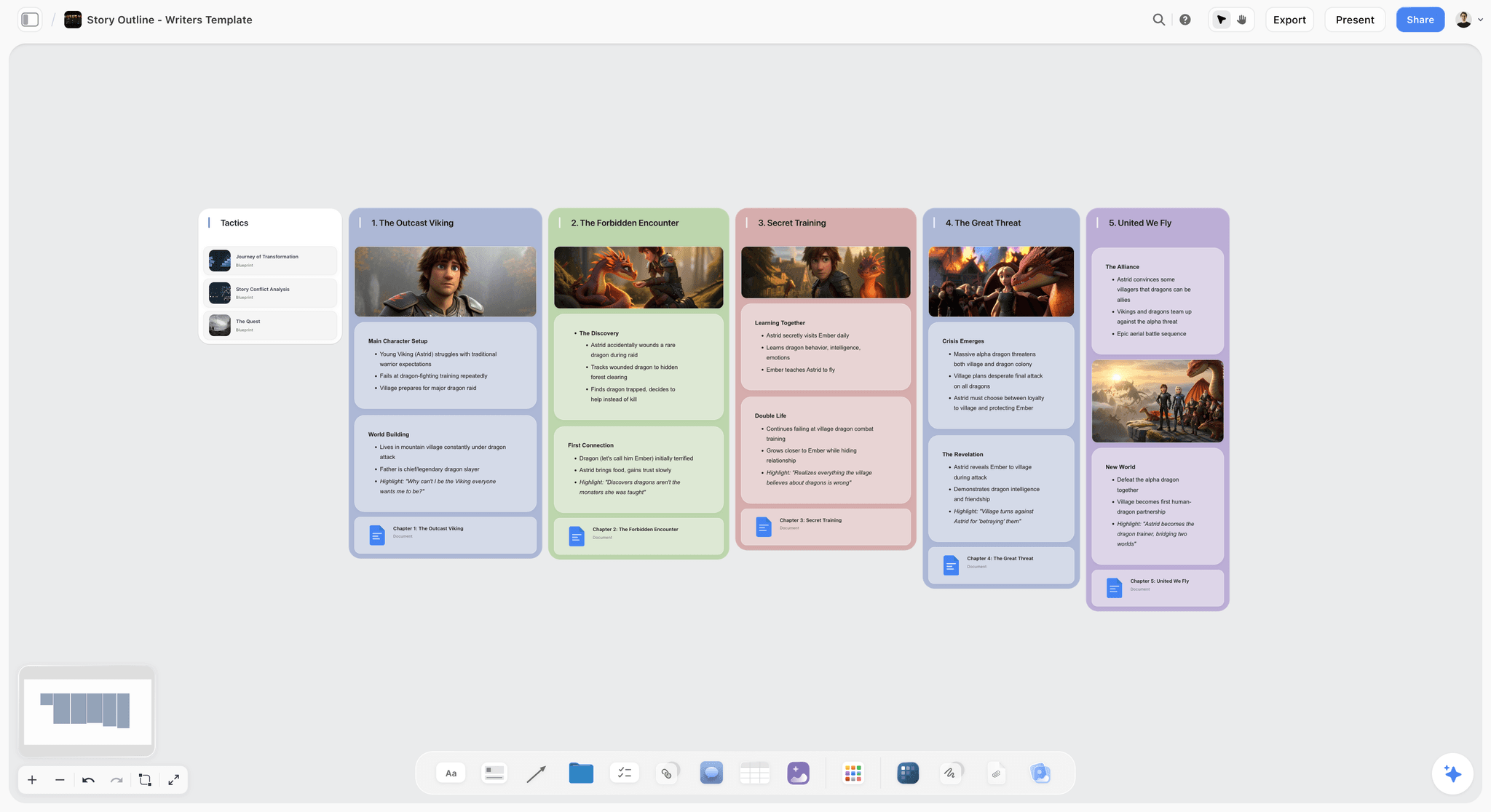
Plan your story structure with Storyflow's visual outline tools before writing your hook
Turn the 3-part formula into an actual script
Write the context anchor, the pattern break, and the payoff promise into a real video script on a board that also holds your topic research, so the hook and the content it promises stay connected.

Visual Hooks: The Multiplier Most Creators Ignore
Spoken hooks get all the attention. Visual hooks do most of the work.
People process visual information faster than audio. They can read faster than you can speak. If your visual doesn't hook them, your words never get heard.
On-Screen Text
The first thing viewers see should be text that reinforces your context anchor.
Guidelines:
- 3-5 words maximum
- Large, bold, readable font
- Appears immediately (first frame)
- Complements but doesn't duplicate your spoken words
If your spoken hook is "The psychology behind viral content," your text might be "Why Videos Go Viral" or "The Viral Psychology." Same concept, different words. Visual and audio reinforce each other.
Motion and Framing
You need just enough visual movement to capture attention without overwhelming the message.
- Too little motion: Static talking head. Nothing to lock onto. Easy to scroll past.
- Too much motion: Chaotic visuals. Can't process what's happening. Confusing.
- Just right: Purposeful movement that draws attention while allowing comprehension.
This might be walking while talking, subtle gestures, quick cuts between angles, or revealing something in the frame.
The specific motion matters less than having intentional motion. Don't be a static thumbnail that happens to be a video.
The Three-Layer Stack
The most effective hooks stack three layers:
- Visual text that establishes context
- Visual motion that captures attention
- Spoken words that create the curiosity gap
Each layer reinforces the others. Together they're dramatically more effective than any single layer alone.
5 Advanced Hook Techniques
Once you master the core formula, these techniques take your hooks further.
Technique 1: Lead with Transformation
People don't want information. They want transformation. They want to become someone or achieve something.
Information hook: "Five tips for better thumbnails."
Transformation hook: "How I went from 200 views to 200,000 views by changing one thing about my thumbnails."
The transformation hook shows them the destination. They can picture themselves there. Now they need to know the path.
Technique 2: Borrowed Authority
If you're not yet established, borrow credibility from things that are.
Reference well-known brands, successful creators, or cultural phenomena. Use them as anchors or comparisons.
- "The hook technique that MrBeast uses in every video..."
- "Why Netflix spends millions researching exactly this..."
- "The same psychology that made Taylor Swift's marketing so effective..."
You're not making content about these references. You're using their established credibility to make your point more compelling.
Technique 3: Embedded Beliefs
Your audience already believes certain things. Use those beliefs.
If your audience believes that most marketing advice is generic, acknowledge it: "Forget everything you've heard about hooks. Most of it is recycled garbage."
They're nodding. You've established common ground by validating something they already believed. Now they trust you more.
Technique 4: Speed to Value
The faster you deliver value, the longer they'll stay for more.
Don't save your best insight for minute five. Give them something valuable in the first 15 seconds. Then give them more. Front-load value aggressively.
Think of it like a free sample. Give them a taste of value immediately. Now they know the rest is worth watching.
Technique 5: Compression
Short sentences hook better than long sentences. Every word should earn its place.
Loose: "So what I want to talk about today is how you can make your hooks significantly more effective by understanding some key psychological principles."
Compressed: "Your hooks are failing. Here's the psychology to fix them."
Same information. One is forgettable. One stops the scroll.
In your hook, compress ruthlessly. You can expand later once they're committed.
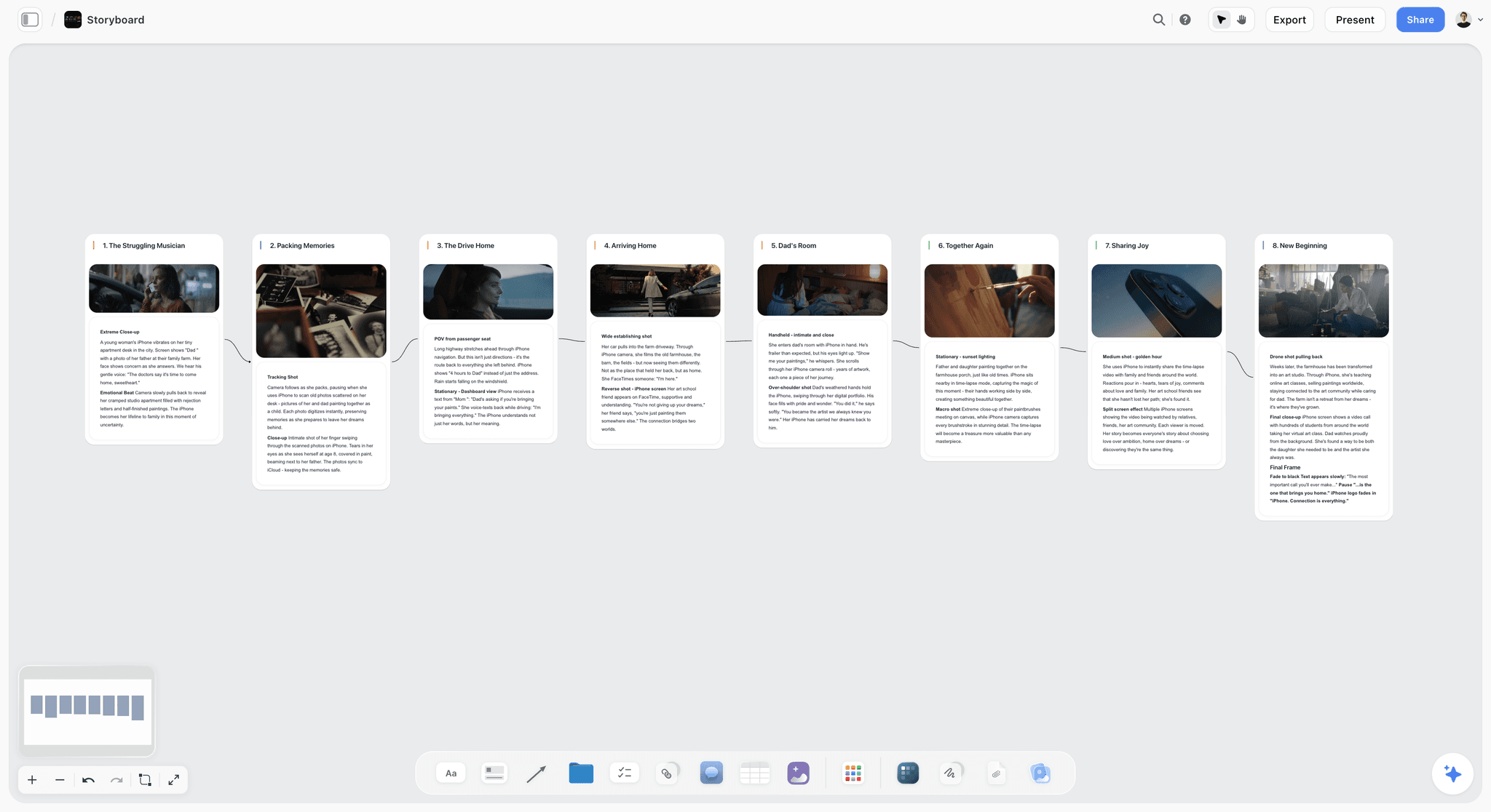
Storyflow's storyboard feature helps filmmakers and video creators plan their visual story before shooting
Hook Formulas by Content Type
Different content types benefit from different hook structures. And if you are planning hooks across a whole campaign rather than a single video, map them on the Marketing Campaign template so every asset's hook ladders up to one message.
For Educational Content
Structure: Problem → Wrong Solution → Right Solution
"Most creators think X is the answer to Y. But research shows X actually makes Y worse. Here's what actually works."
For Entertainment Content
Structure: Setup → Twist → Tease
"We tried the most expensive restaurant in the city. The food was incredible. But what happened after we paid the bill..."
For Story Content
Structure: Character → Conflict → Stakes
"My client was about to lose everything. One decision would save their business or destroy it. Here's what happened."
For Tutorial Content
Structure: Outcome → Obstacle → Method
"You can edit videos 3x faster. Most people don't because they miss this one setting. Here's exactly where to find it."
Common Hook Mistakes to Avoid
Mistake 1: Being Vague
"This video will change your life" is meaningless. How? Why? Be specific about the transformation you're promising.
Mistake 2: Clickbait Without Payoff
Opening a curiosity gap you don't close destroys trust. If your hook promises something, your content must deliver it.
Mistake 3: Throat Clearing
"Hey guys, so today I wanted to talk about..." Delete this. Start with the hook immediately. No preamble.
Mistake 4: Assuming Interest
Don't assume viewers care about your topic. Make them care by connecting to benefits they already want or pains they already have.
Mistake 5: Being Too Clever
Clever wordplay often confuses instead of hooks. Clarity beats cleverness every time. If viewers don't immediately understand what you're offering, they're gone.
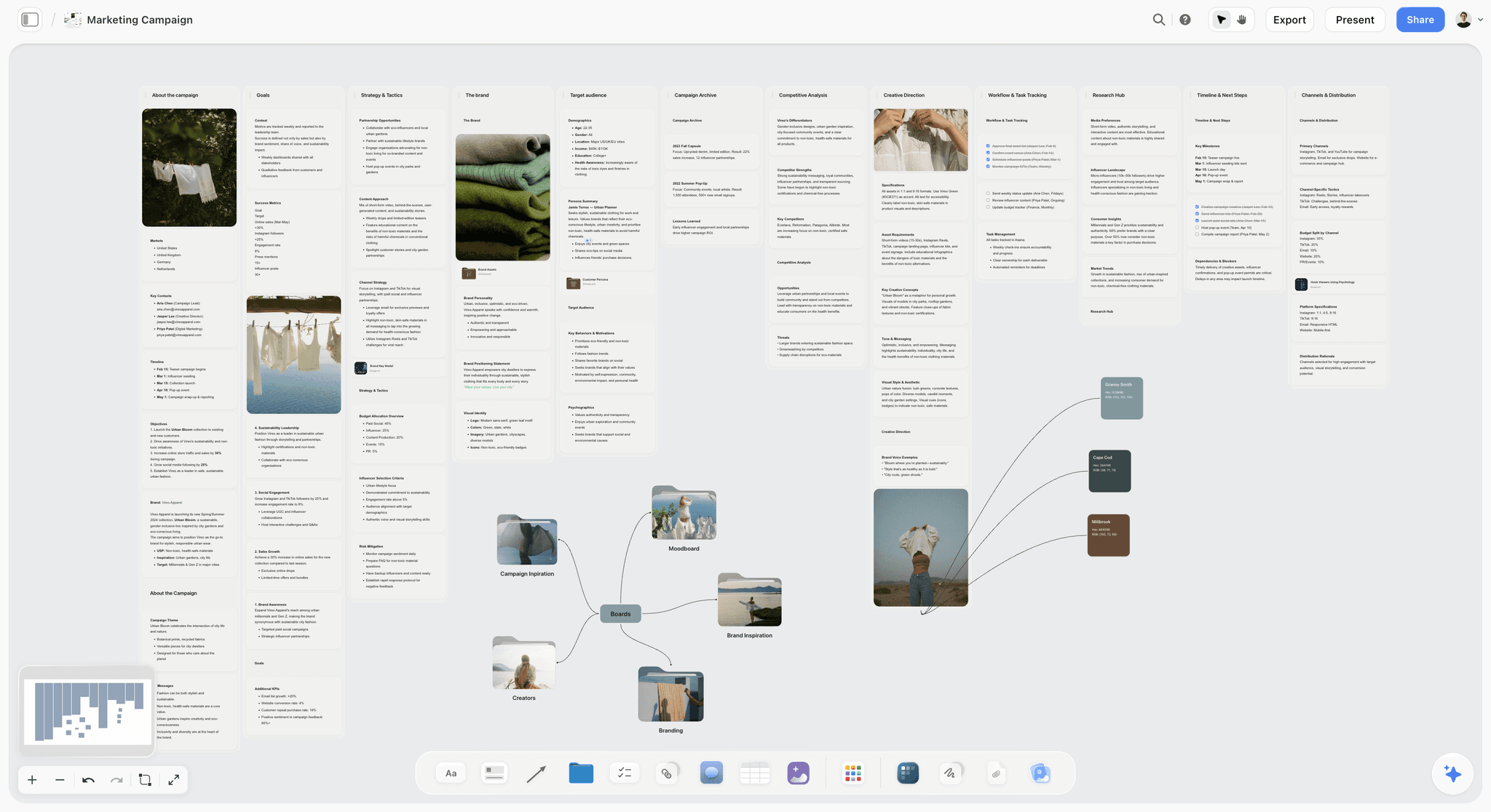
Use Storyflow's marketing campaign board to map out your content strategy and plan high-performing hooks at scale
How to Practice Hook Writing
Hook writing is a skill. Skills require practice.
Exercise 1: Hook Analysis
Every day, save 5 hooks that stopped you. Don't just save them - analyze them. Which part was the context anchor? Where was the pattern break? What was the payoff promise?
Reverse engineering builds intuition.
Exercise 2: Hook Variations
Take one video idea and write 10 different hooks for it. Not small variations - completely different approaches. Then identify which one opens the deepest curiosity gap.
Exercise 3: Compression Drills
Write your hook. Now cut it in half. Keep the same meaning with half the words. This forces you to find the essential core.
Exercise 4: Platform Translation
Take a hook that worked on one platform and adapt it for another. TikTok to YouTube. LinkedIn to Instagram. Same psychology, different execution.
FAQ: Hook Writing Questions Answered
What makes a hook viral?
Viral hooks open a deep curiosity gap that viewers cannot ignore. They combine clear value proposition with unexpected tension and promise specific resolution. The best hooks make scrolling past feel impossible.
How long should a video hook be?
For short-form content (TikTok, Reels, Shorts), your hook should be 3-5 seconds or 2-4 sentences. For long-form YouTube, you have 30-60 seconds but should still frontload the core hook in the first 5-10 seconds.
Should I use the same hook formula every time?
The underlying psychology stays constant - you're always creating curiosity gaps. But the specific execution should vary. Test different approaches and let performance data guide you.
Why do hook templates stop working?
When everyone copies the same template, audiences become immune to it. The pattern becomes predictable and loses its power to surprise. Understanding psychology lets you create fresh variations.
How do I hook viewers for educational content?
Lead with transformation, not information. Instead of "how to do X," focus on "how to achieve Y result using X." Connect your information to outcomes viewers actually want.
What's more important - visual hook or spoken hook?
Both matter, but visual typically has more impact because it's processed faster. The most effective hooks stack visual text, visual motion, and spoken words together.
How do I write hooks for boring topics?
No topic is inherently boring - only boring presentations exist. Find the human element: Who cares about this? Why? What's at stake? What transformation is possible? Connect to those and any topic becomes compelling.
Should hooks be funny or serious?
Match the tone of your content and audience expectations. Humor can hook effectively but isn't required. Curiosity and value work across all tones.
Apply These Frameworks Instantly
Understanding hook psychology is step one. Applying it to your actual content is where results happen.
Storyflow's Content Blueprints have these hook frameworks built in. When you plan a video, you're not staring at a blank page trying to remember what you read. The psychology is embedded in your workspace. Start from the Video Script template for a single video, or the YouTube Video Plan template when the hook is one piece of a full video plan.
The YouTube Video Blueprint includes:
- The 3-part hook formula applied to your topic
- Visual hook frameworks and examples
- Compression techniques built into the writing process
- Retention tactics that keep viewers watching past the hook
You're learning while creating. The frameworks become intuitive through use.
The Bottom Line
Viral hooks aren't magic. They're psychology applied consistently.
The core formula:
- Context Anchor (topic + engagement)
- Pattern Break (disrupt expectations)
- Payoff Promise (unexpected resolution)
Stack three layers:
- Visual text
- Visual motion
- Spoken words
Advanced techniques:
- Lead with transformation
- Borrow authority
- Validate embedded beliefs
- Front-load value
- Compress ruthlessly
Avoid common mistakes:
- Vagueness
- Clickbait without payoff
- Throat clearing
- Assuming interest
- Over-cleverness
The creators who go viral understand this psychology. Now you do too.
The only thing left is practice.
Related Reading
Master hook writing techniques
7 elements that determine success
Proven retention framework
Complete planning system
Table of Contents
- Why Most Hooks Fail
- The Psychology: How Curiosity Loops Work
- The 3-Part Hook Formula That Works Every Time
- Visual Hooks: The Multiplier Most Creators Ignore
- 5 Advanced Hook Techniques
- Hook Formulas by Content Type
- Common Hook Mistakes to Avoid
- How to Practice Hook Writing
- FAQ: Hook Writing Questions Answered
- The Bottom Line
Templates to check out for this topic


Marketing and campaign templates you can use in Storyflow
Plan the whole campaign on one board: brief, audience, channels, and assets connected, with an AI that reads all of it. Open a template and start from real structure.


See Storyflow in Action
A visual AI workspace where every feature lives inside one canvas. No tab-switching, no context lost.
Build your entire board from a single message
Type what you need in the AI chat at the bottom of your canvas. The AI adds cards, headings, and structure directly onto your board.
Use expert frameworks as AI context
Type @ in the AI chat and choose any Tactic. The AI tailors every response to that framework instead of giving generic advice.
Turn your board into a mind map in seconds
Ask the AI to restructure your canvas as a mindmap. It connects your ideas into a visual hierarchy so you can see how everything relates.
Why Storyflow Exists
Storyflow actually began as a personal tool while working on creative and research projects.
We kept running into the same problem: ideas were scattered everywhere: notes, documents, and whiteboards.
Nothing helped us see how everything connected.
So we started building a workspace designed around how ideas actually grow.
→ Read how Storyflow was createdSara de Klein
Head of Product at Storyflow
Published: December 10, 2025
Extremely simple, seriously capable


See how easy it is to get started
Watch a real project come together, from a blank board to a finished plan, clicked through step by step.
Start creating with AI and become more productive
Transform your creative workflow with AI-powered tools. Generate ideas, create content, and boost your productivity in minutes instead of hours.